
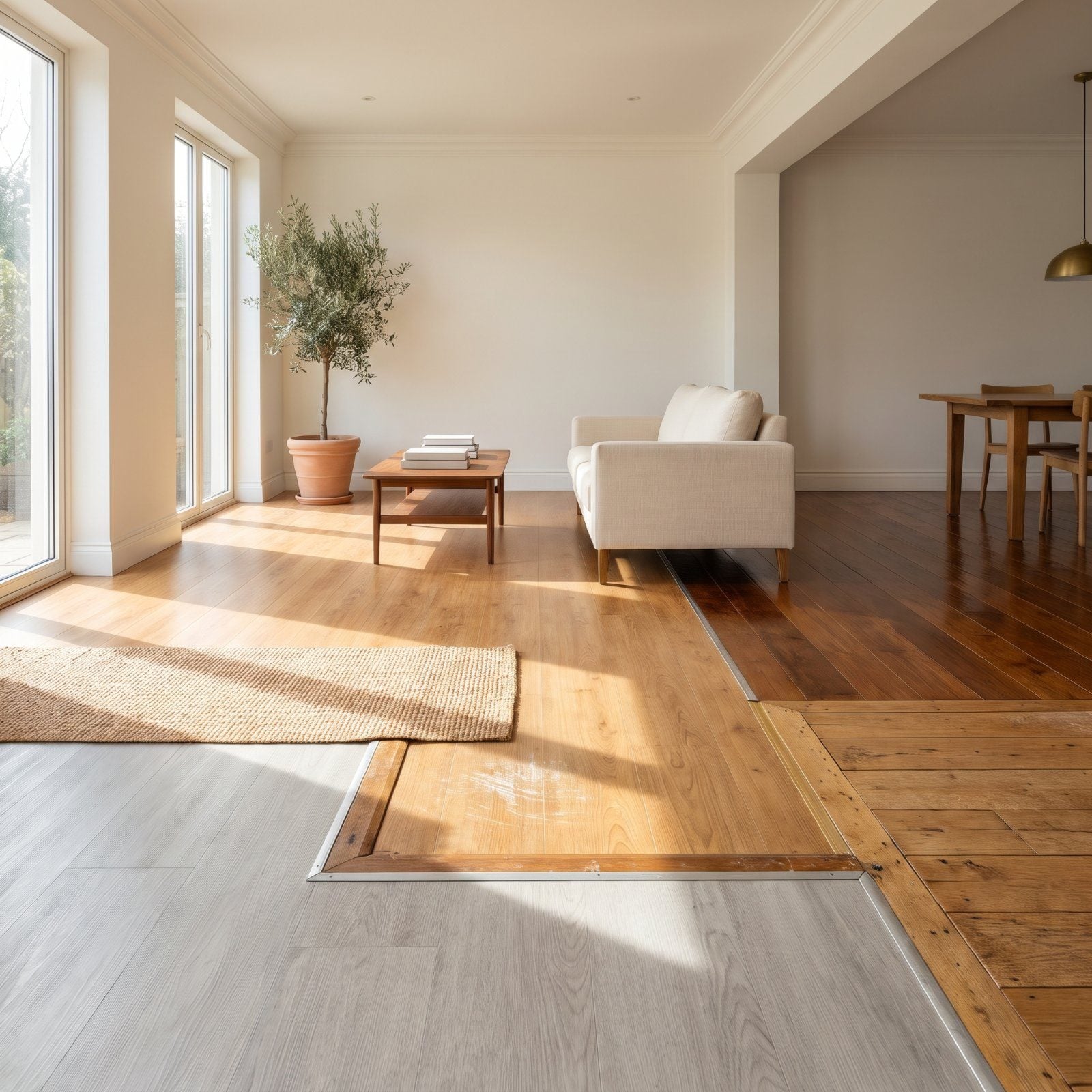
The floor is the one thing in a house you can’t swap out on a whim. You walk on it, drag chairs across it, spill wine on it, and ask it to look good through all of that for decades. Most of these floors photographed beautifully on day one. Then real life showed up.
These are the materials and installs that aged badly in the time it takes a kid to start kindergarten. Look hard before you sign anything.
In order to come up with the very specific design ideas, we create most designs with the assistance of state-of-the-art AI interior design software. Also, assume links that take you off the site are affiliate links such as links to Amazon. this means we may earn a commission if you buy something.
29. Gray Luxury Vinyl Planks That Turned Blue
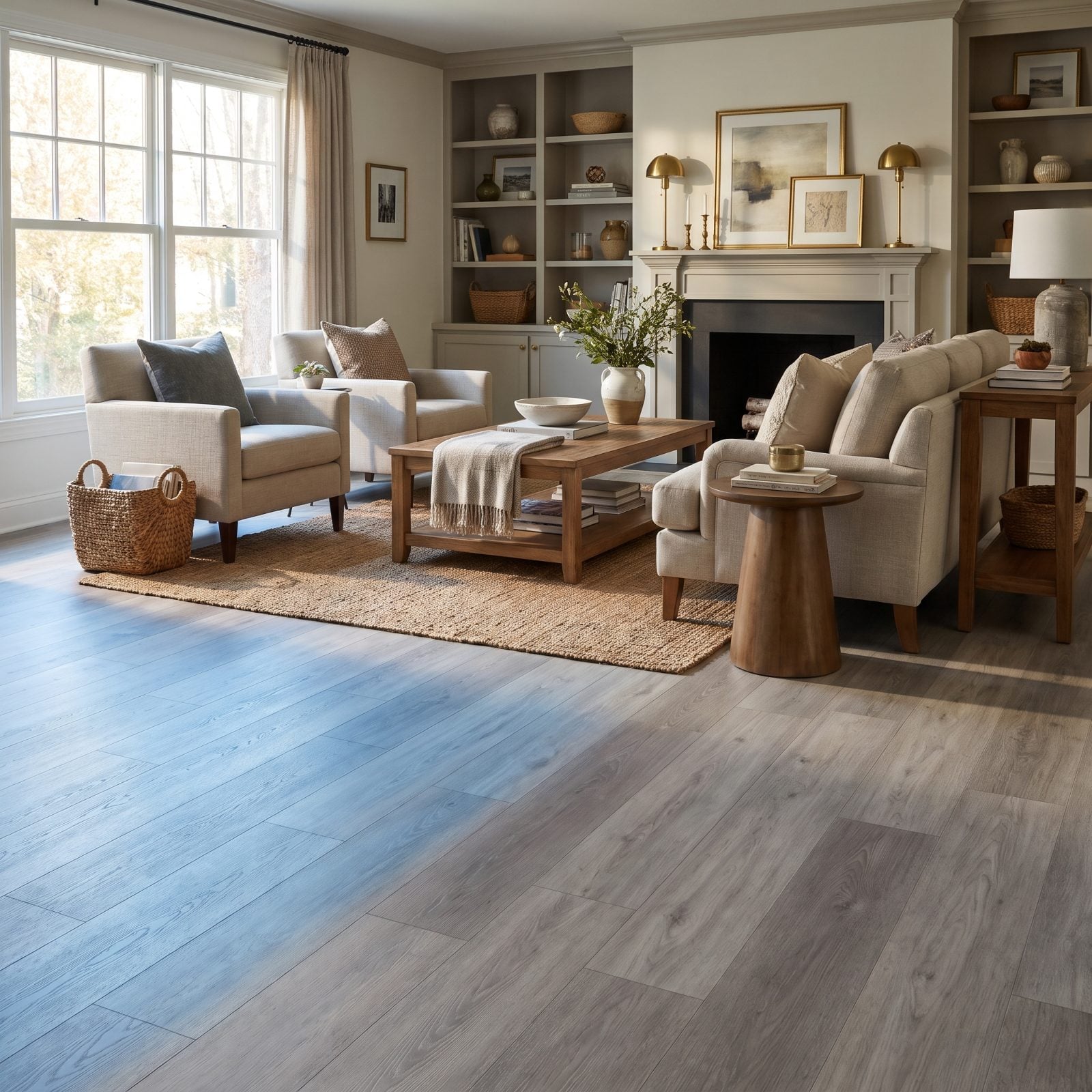
Gray was the safe choice, so everybody picked it. The problem shows up where the sun hits.
Cheaper vinyl planks use pigments and photographic wear layers that fade and shift under UV, and gray is the worst offender because it has barely any warmth to lose. Strip out the browns and reds under sunlight and you’re left with a cold blue-violet ghost of the plank you bought. The giveaway is always the rug line, a crisp rectangle of original color surrounded by sun-bleached floor.
What works in the same room: a vinyl with a genuine UV-stable commercial-grade wear layer, or a warm greige tone that drifts gracefully instead of turning the color of a bruise. I’d take honey oak LVP over trendy gray every time now.
28. High-Gloss Hardwood Covered in Micro-Scratches
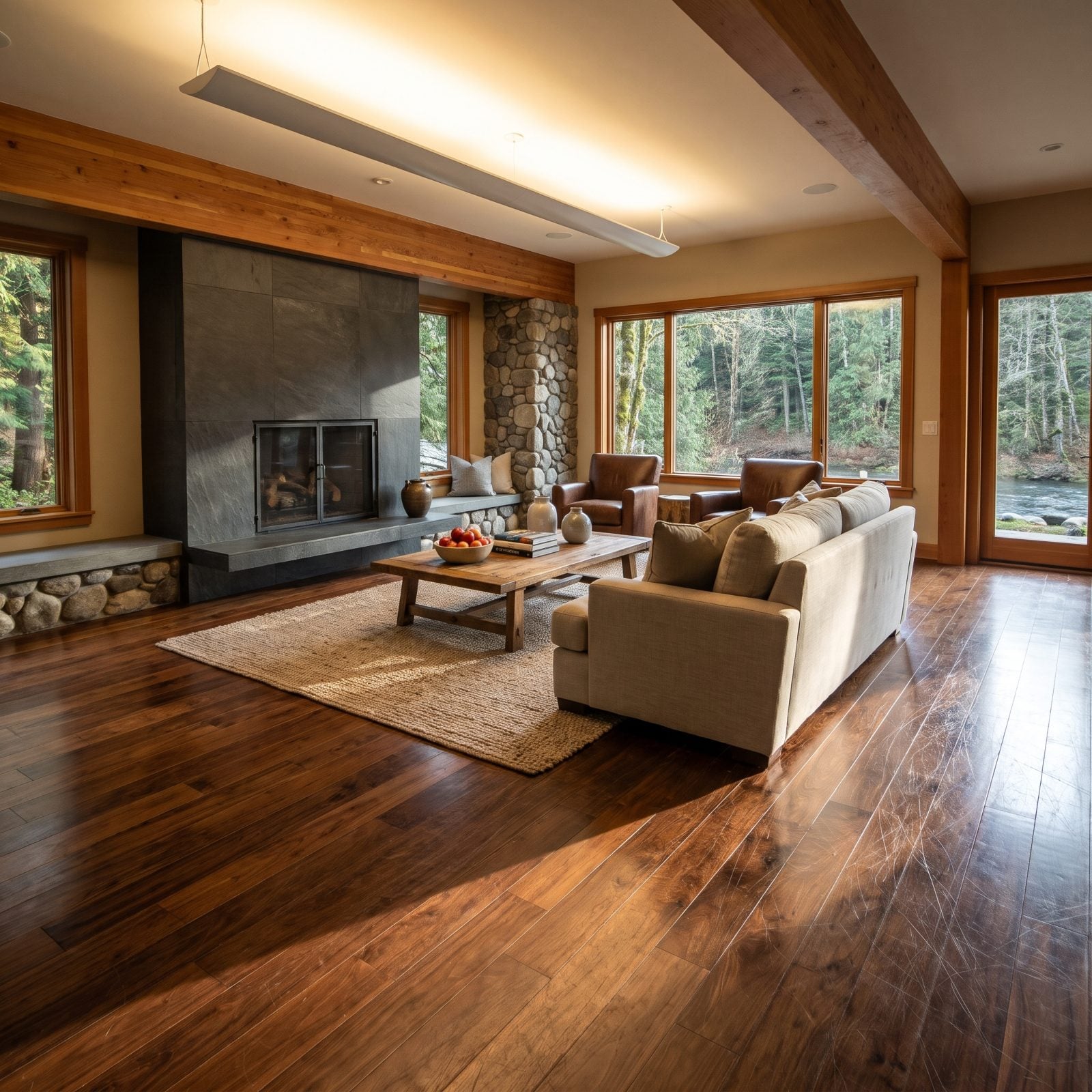
High gloss shows everything. That mirror shine looked rich in the showroom under perfect light. In your house, under real afternoon sun, it becomes a scratch detector.
Every speck of grit tracked in on a shoe acts like sandpaper, and a glossy finish records each pass as a fine white line. You don’t notice them one at a time. Then the sun hits the floor at a low angle one day and the whole walkway looks hazy, a fog of micro-scratches you can’t polish out without a full refinish.
Same wood, better finish: go matte or satin. A low-sheen finish scatters light instead of reflecting it, so scratches simply disappear into the surface. It’s the single easiest way to buy yourself years before a floor looks tired.
Comparing how different finishes hide wear, a flooring aftercare adviser warns “If durability against visible wear is your priority, steer clear of extremely slick floors in dark colours with high-gloss finishes.”
27. Whitewashed Laminate With Worn-Through Printed Grain
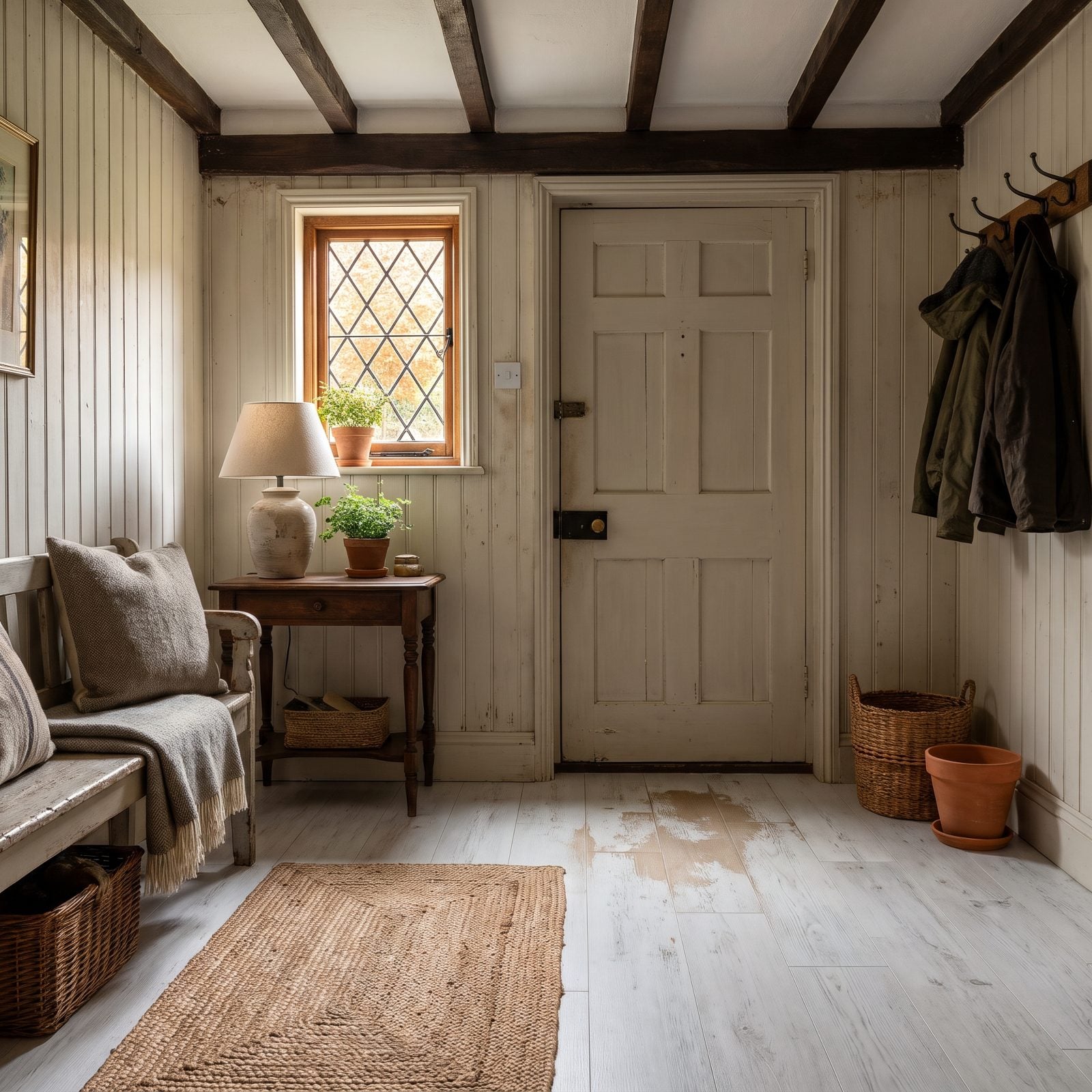
The worst place a printed floor can fail is right where you look first: the front hall.
Whitewashed laminate has a thin photographic layer printed with that pale limewashed grain, and pale designs have almost no contrast to spare. Grind a few thousand footsteps into one strip and the pattern rubs clean off, leaving a smeared tan blank that reads as a worn path from across the room. There’s no sanding it back. The design is literally a picture, and the picture is gone.
For the same bright coastal look that actually lasts, use white oak with a hardwax oil in a liming finish, or at minimum a laminate rated AC4 or higher for the entry. Real grain can be refinished. A printed one can only be replaced.
26. Engineered Wood With Peeling Veneer
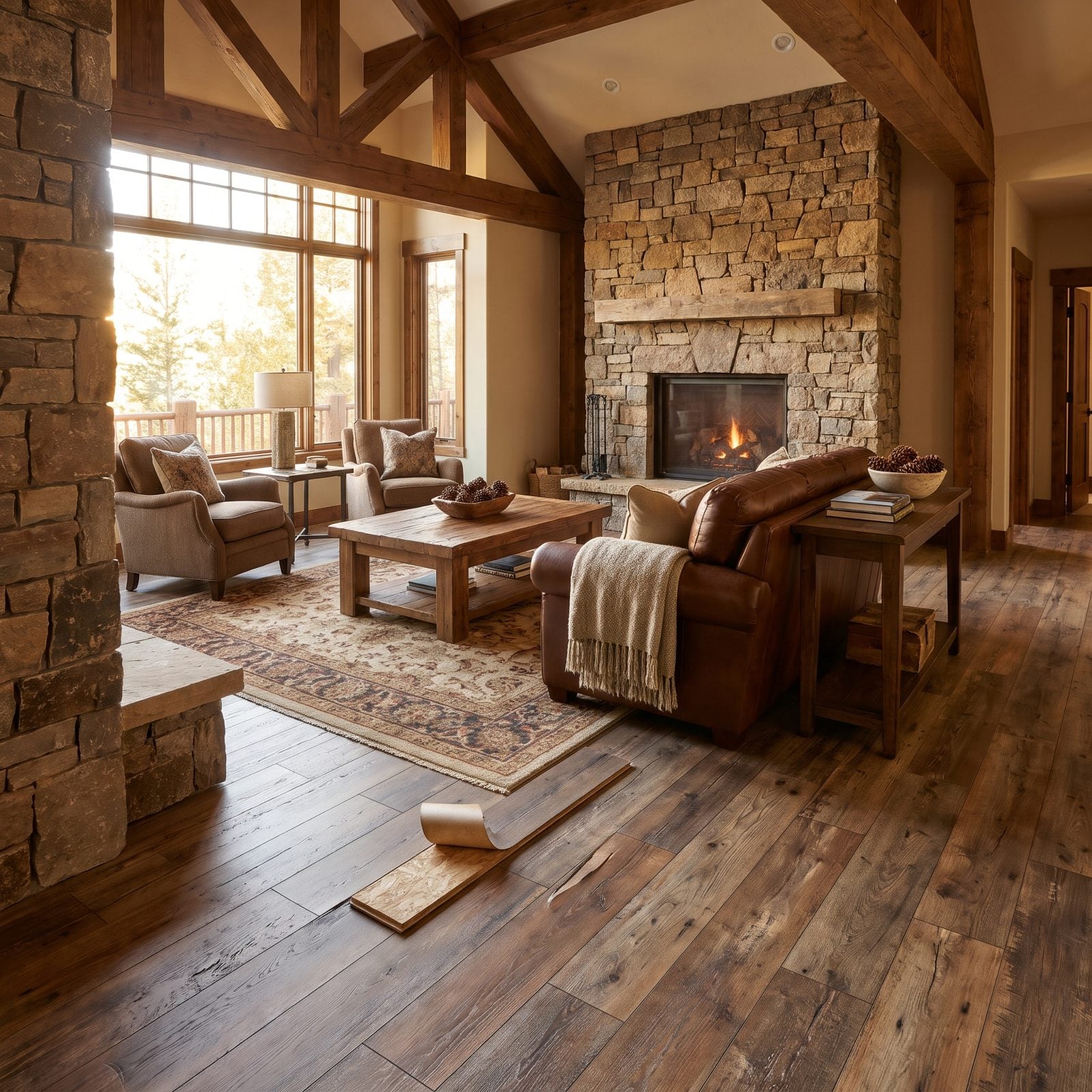
Not all engineered wood is created equal, and the cheap stuff tells on itself around year five.
Budget engineered boards use a wear layer thinner than a credit card, sometimes under a millimeter, bonded to a plywood core. Add a sunny spot, a little moisture cycling, and some furniture traffic, and the glue line fails. The veneer lifts at the edges and curls back, and you’re left with a raw plywood slab lying loose on top of the finished floor.
Buy engineered wood with a thick solid-sawn wear layer, 3mm or more, so it can actually be sanded once and still outlive you. Thickness is the only spec that matters here. Everything else is marketing.
25. Soft Pine Floors Dented by Daily Traffic
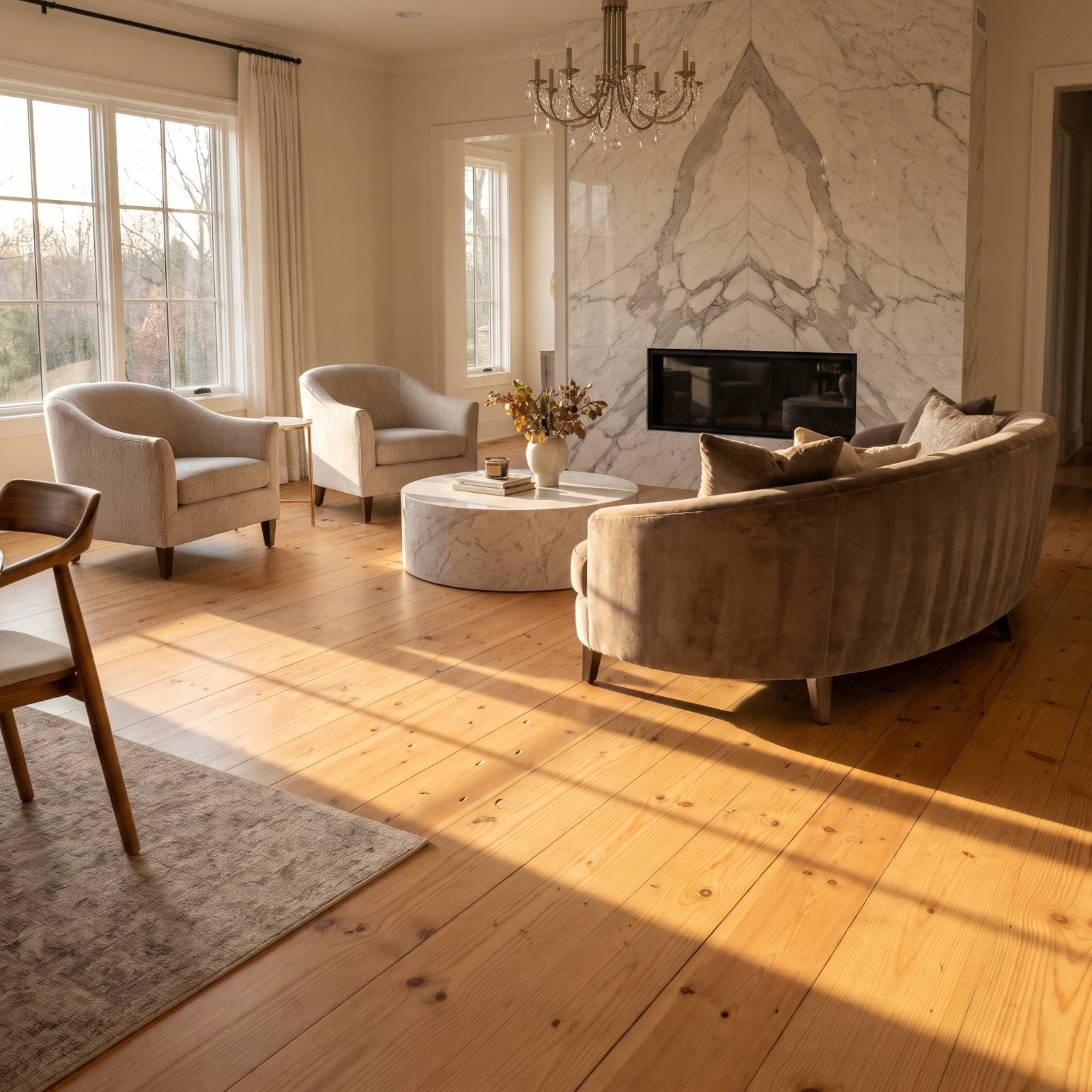
Pine is gorgeous and soft as butter. That’s the whole trade.
On the Janka hardness scale, white pine sits near the very bottom, which means a dropped can, a dog’s nails, a high heel, even a dragged stool leaves a permanent dent. In a busy kitchen the traffic lane develops a pockmarked texture within a few years that no amount of mopping hides.
Some people love this. The dents read as patina, the honest history of a working house, and in a true farmhouse that softness is the point. But if you want pine without the pincushion effect, go for a harder species like white oak or hickory in the same wide plank, or at least commit to the wear as a feature and stop fighting it. Just know what you’re signing up for.
24. Bamboo Flooring With Cupped Edges
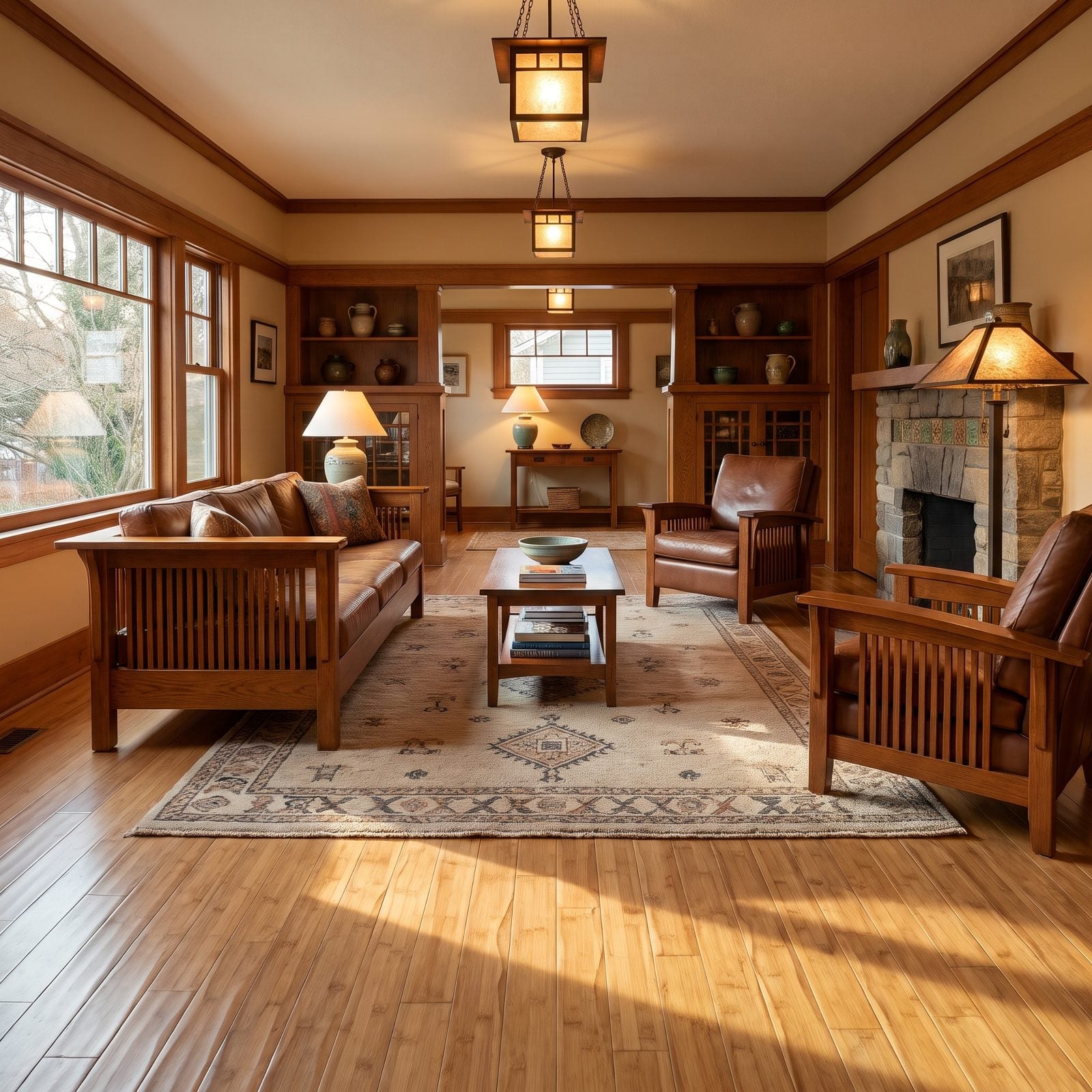
Bamboo gets sold as the tough, eco, do-it-all floor. The part nobody mentions is how much it hates humidity swings.
Bamboo is technically a grass, and strand or horizontal bamboo moves with moisture more than people expect. In a humid climate, or over a basement that isn’t climate-controlled, the planks absorb water from below, swell, and cup, their edges lifting into a faint washboard you feel under your feet before you see it.
If bamboo is the look you want, insist on a proper moisture barrier, let it acclimate in the room for a week before install, and keep indoor humidity steady between 40 and 60 percent. Cupping is almost always a moisture problem, not a product defect. Control the moisture and the floor behaves.
Answering homeowners’ bamboo questions, a wood moisture specialist explains “Because bamboo flooring is hygroscopic, controlling moisture is one of the most important factors in its success.”
23. Wide-Plank Floors With Seasonal Gaps
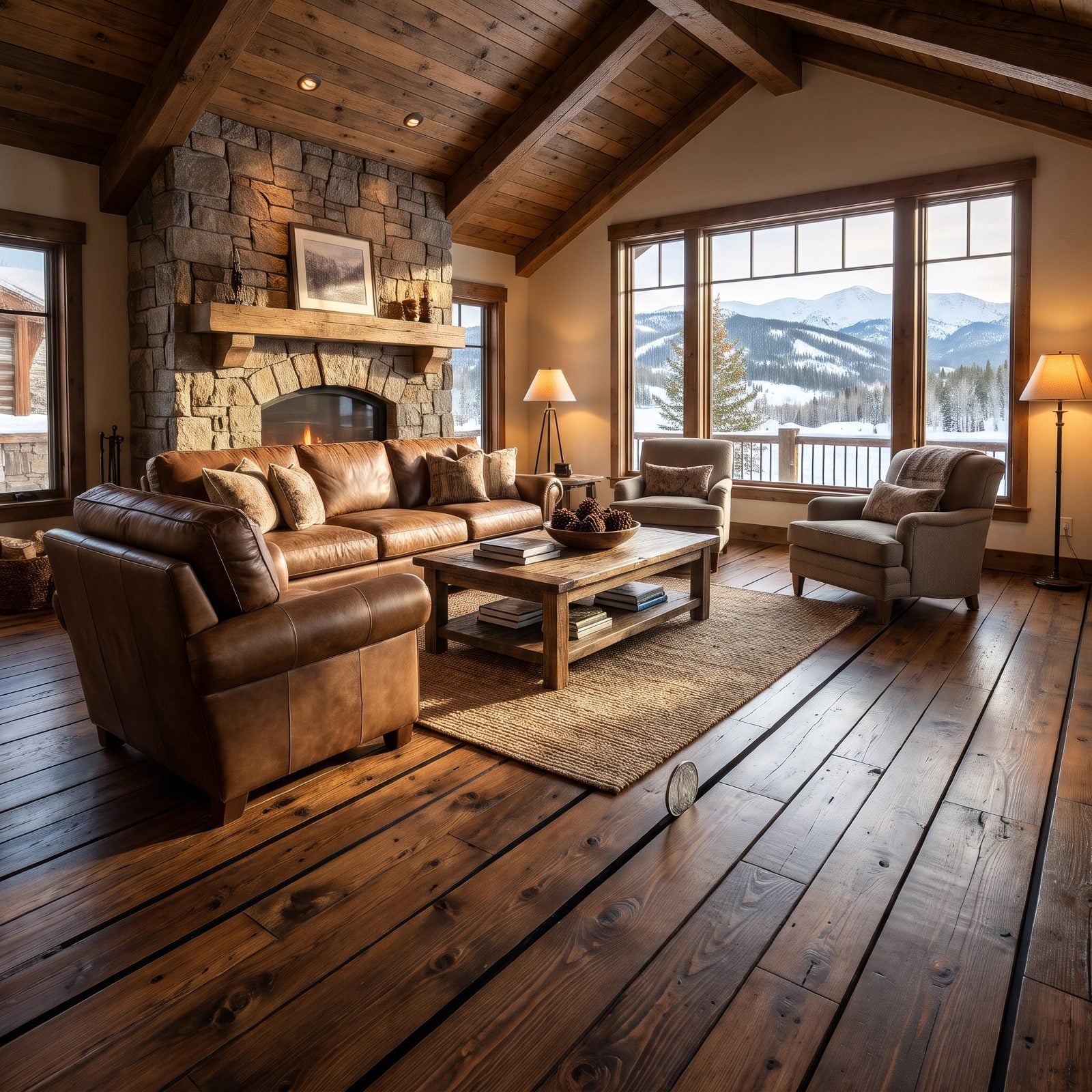
Wide planks are having a moment. The wider the board, the bigger the gaps when the seasons turn.
Wood expands and contracts across its width with humidity, and a ten-inch plank moves a lot more than a three-inch strip. Install it in a humid summer and dry winter air pulls the boards apart into visible gaps you could lose a crumb in, then summer closes them again. It’s physics, not a flaw, but it looks like neglect.
The fix is in the install, not the floor. Acclimate the wood properly, install at a neutral humidity, run a whole-home humidifier in winter, and consider engineered wide planks, which move far less because of their cross-layered core. Solid wide-plank wood in a dry climate is asking for gaps.
Explaining why wide boards move with the seasons, a wide-plank flooring maker says “A 12″ board has twice as much wood to move as a 6″ board, so the same change in humidity shows up as a wider gap or more cupping.”
22. Reclaimed Boards That Continued Splintering
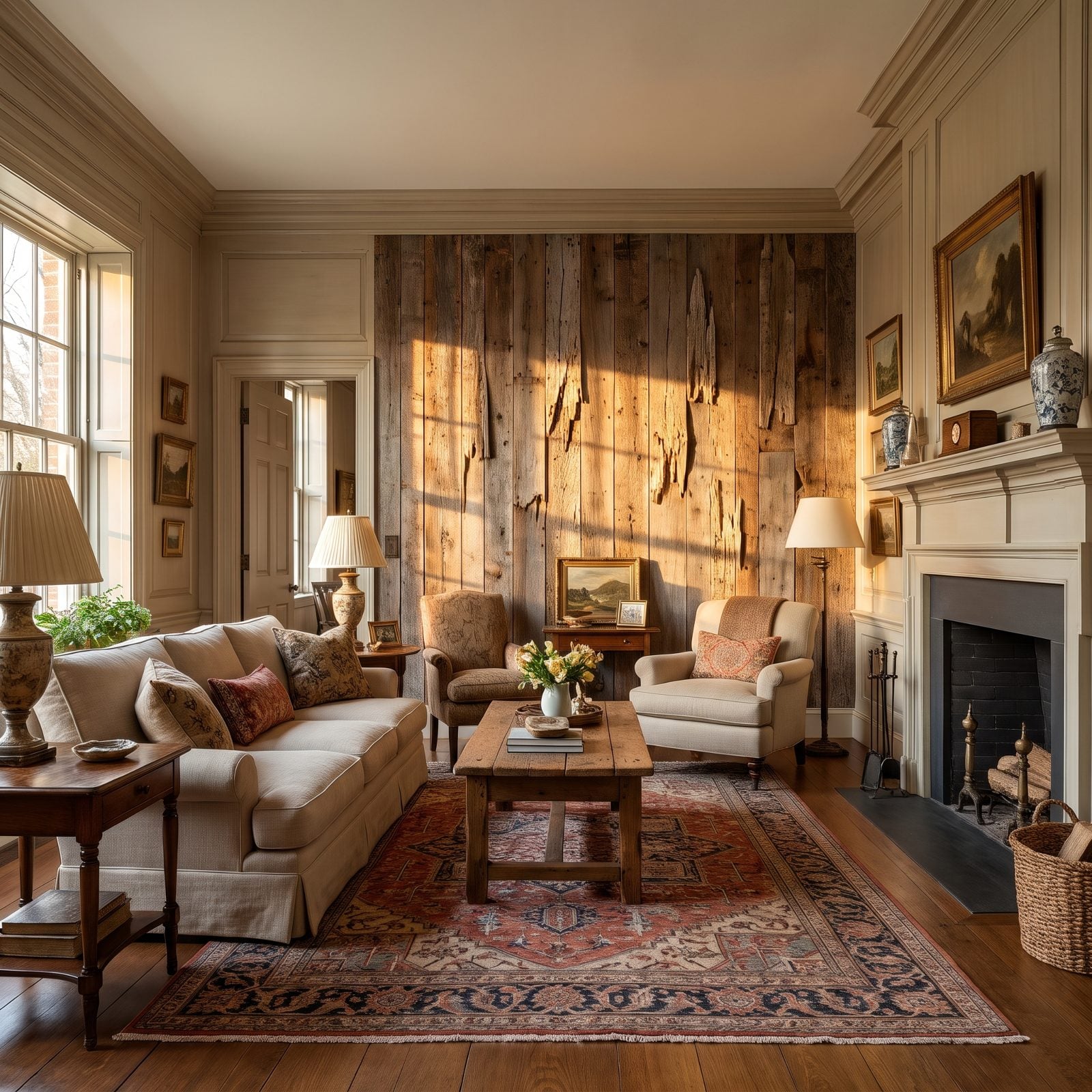
Reclaimed wood carries a story, and sometimes that story includes decades of stress fractures the mill never resolved.
Old barn and factory boards come with internal checking, nail holes, and dried-out fibers. If they aren’t kiln-dried, re-milled, and sealed hard, they keep splintering underfoot, peeling into long jagged shards as the wood shifts with seasonal humidity, which is how you discover a reclaimed sliver the hard way when you walk across it barefoot. The character you paid for turns into a hazard.
Love the reclaimed look? Buy from a supplier who kiln-dries and surface-planes the boards and finishes them with a durable penetrating oil or poly. Or get the aesthetic with new wood that’s distressed and wire-brushed, all the character, none of the shrapnel. I learned this one with my own bare hands, and I will die on the hill that reclaimed wood must be properly milled first.
21. Wire-Brushed Floors That Trapped Dirt
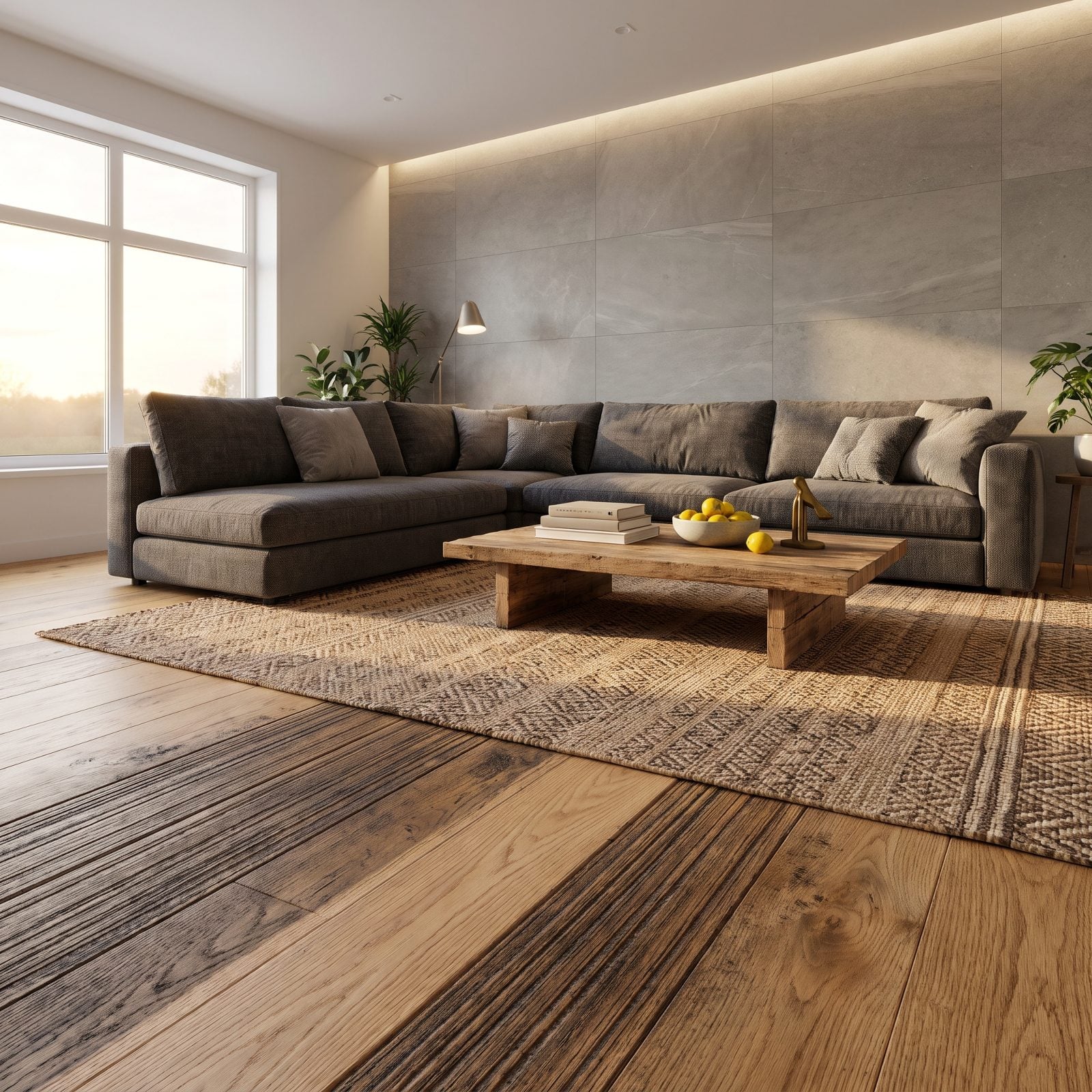
Texture reads as luxury right up until it starts collecting everything you track in.
Wire-brushing scrapes out the soft grain to leave deep, directional grooves, and those grooves are perfect little gutters for dust, grit, and foot grime. On a light-colored floor it’s brutal. Five years in, the whole traffic path takes on a gray, dingy cast because the dirt lives down in the texture where a mop can’t reach it, and the floor looks permanently unclean no matter how often you clean.
Want wire-brushed character without the trap? Go lighter on the brushing, choose a mid-tone over a pale white oak so settled dirt doesn’t glare, and use a hard-wax oil finish that seals the grooves instead of leaving them open. Texture is a commitment. Make sure you want the maintenance before you buy the look.
20. Wood-Look Tile Giving Away Its Secret: The Same Plank, Over and Over
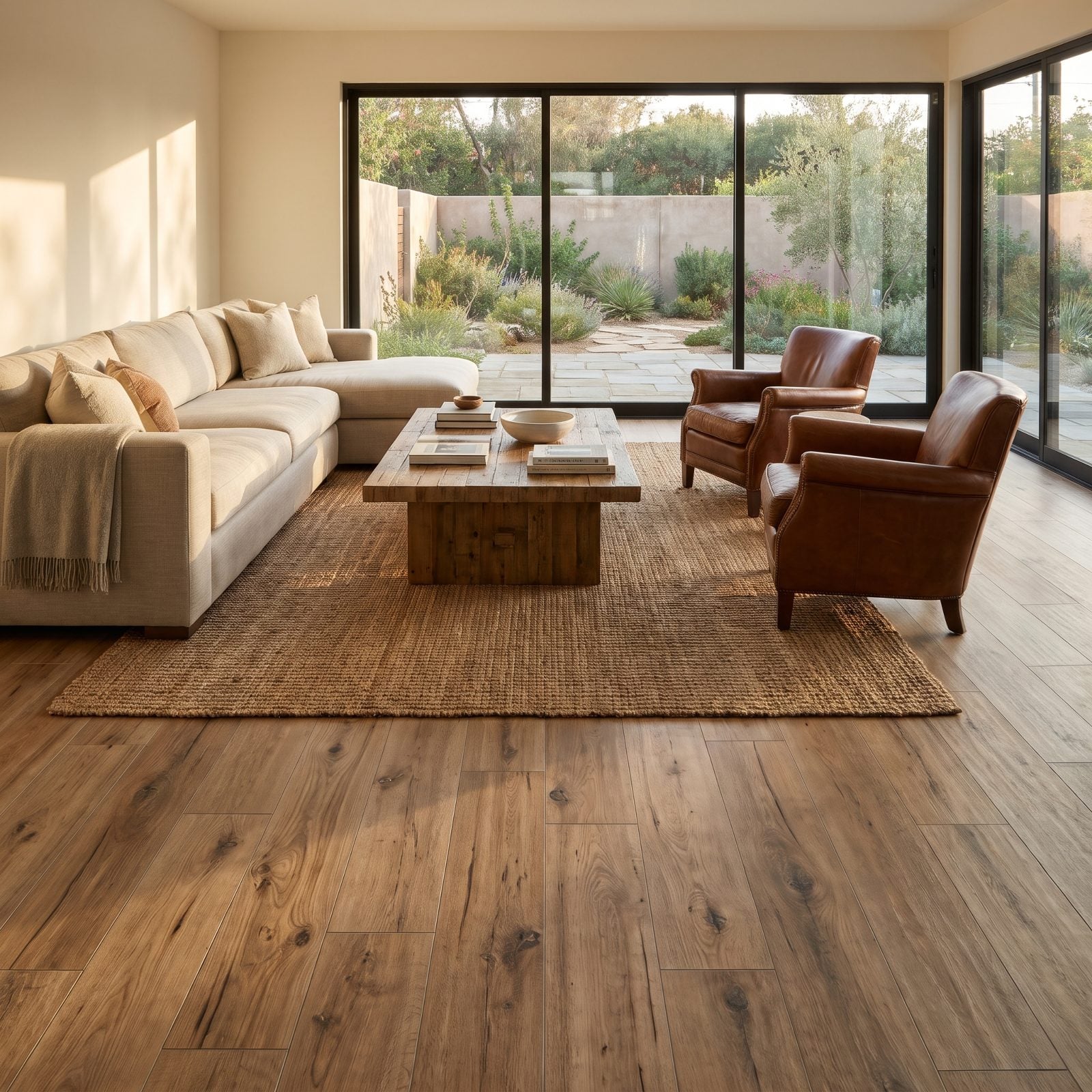
Wood-look tile sells you on realism and then the floor starts rhyming with itself. Manufacturers print a limited number of plank faces, usually a handful, and if the installer doesn’t shuffle the boxes you get the same knot winking at you across the room.
Why it doesn’t work: real wood never repeats. The second your eye catches an identical grain streak twice in one sightline, the illusion collapses and the floor reads as printed.
So in that same room, buy tile with a higher face count (twelve or more), open every box at once, and dry-lay a few square feet before any thinset goes down. Pull planks from different boxes in rotation. You want wood-look porcelain tile that lies the way a good forger lies, with no two faces matching in a single glance.
19. Polished Marble With Dull Pathways Worn Right Into the Shine
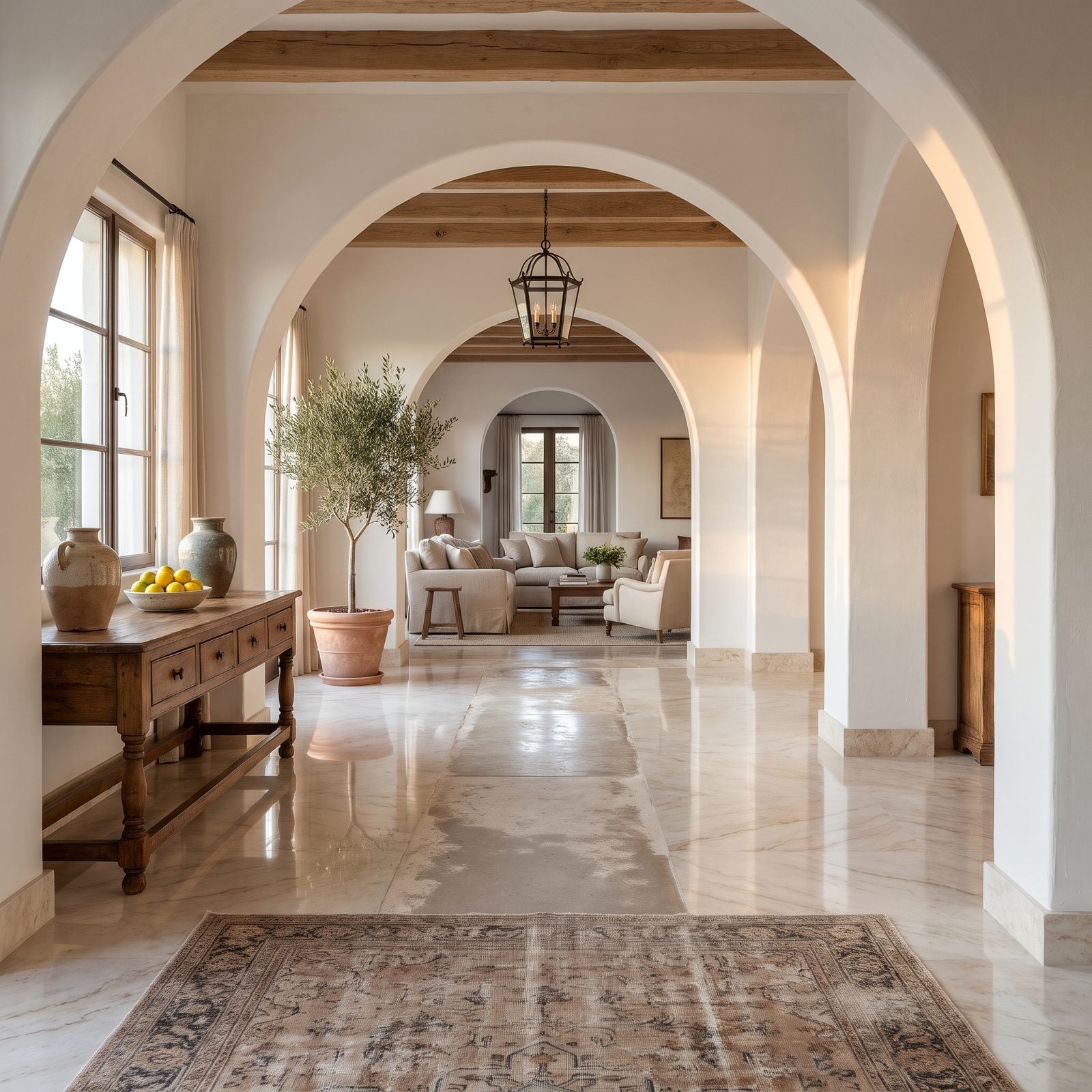
Nobody at the stone yard mentions this part: polished marble is soft, and your feet are a slow belt sander. Walk the same line every day for a few years and the high gloss dulls into a visible foot-shaped path. Spill a glass of wine or set down a lemon and the acid etches a cloudy ring that no mopping will buff out.
Why it doesn’t work: calcium carbonate reacts to acid and abrasion. Polish is a surface, not a property, and traffic strips it.
Run marble in a honed finish instead. There’s no high shine to lose, so wear reads as patina rather than damage. Seal it twice a year. Or keep the polish and keep the marble off the walkways. In an entry, honed is the grown-up choice.
Describing how worn polished marble gets fixed, a stone restoration specialist notes “Honing is usually the better starting point when your marble has scattered scratches, dull pathways, cloudy etch marks, or a patchy finish.”
18. Soft Limestone That Drank Every Splash in the Kitchen
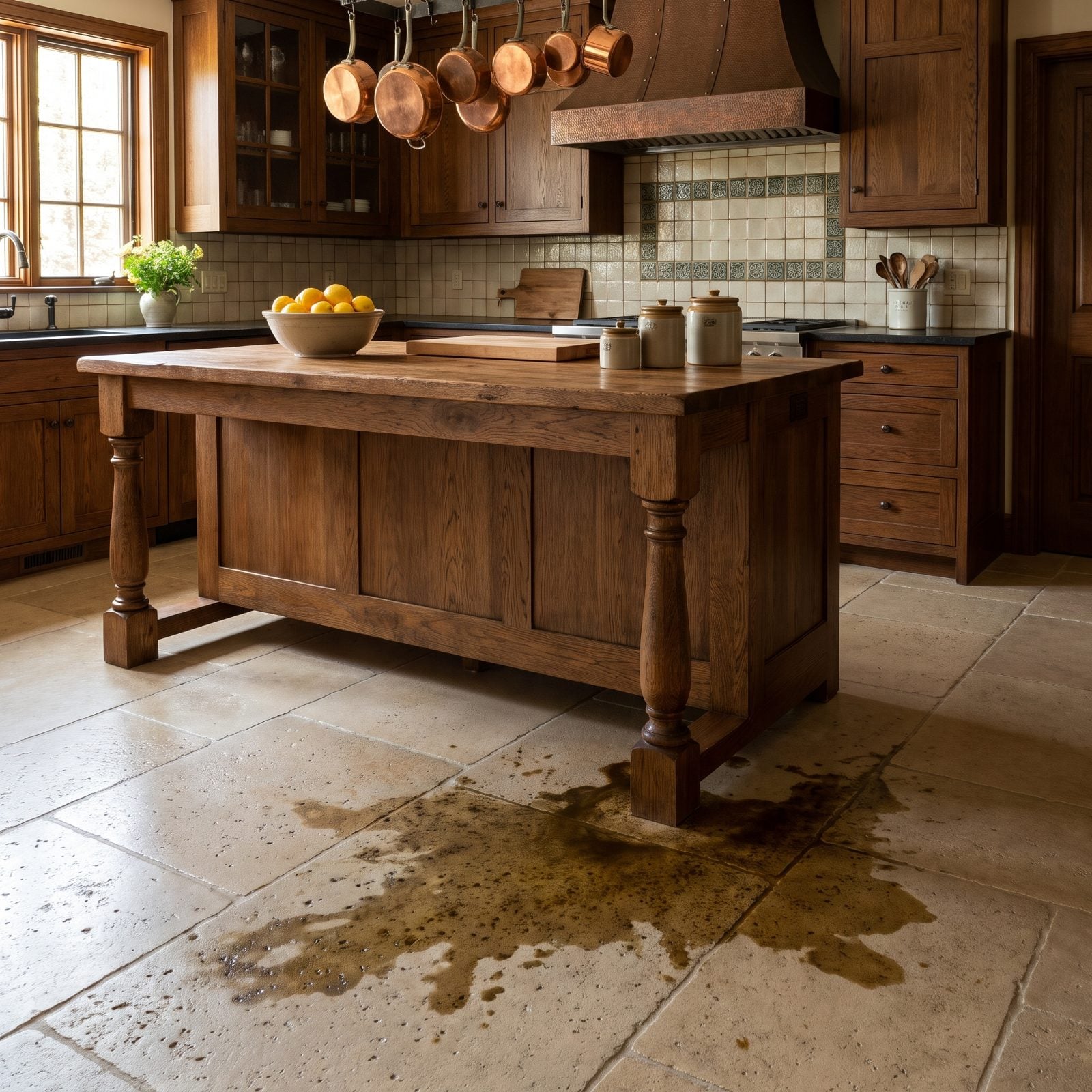
Limestone in a kitchen is a romantic idea that your olive oil will mug in a dark alley. It’s porous, it’s soft, and the busiest square footage in your house — sink, stove, the spot where you drip while plating — turns into a map of everything you’ve ever cooked.
Why it doesn’t work: limestone absorbs liquid before you can wipe it, and once oil is in the stone, it’s in for good. Sealing slows this down. But a hard-working kitchen floor out-splashes any sealer.
Better call in the same room: tumbled limestone with a penetrating sealer reapplied yearly, or honestly, porcelain that mimics limestone and shrugs off a dropped curry. Save the real stone for a powder room where nobody’s deglazing a pan.
17. Slate Flooring That Started Shedding in Thin Flakes
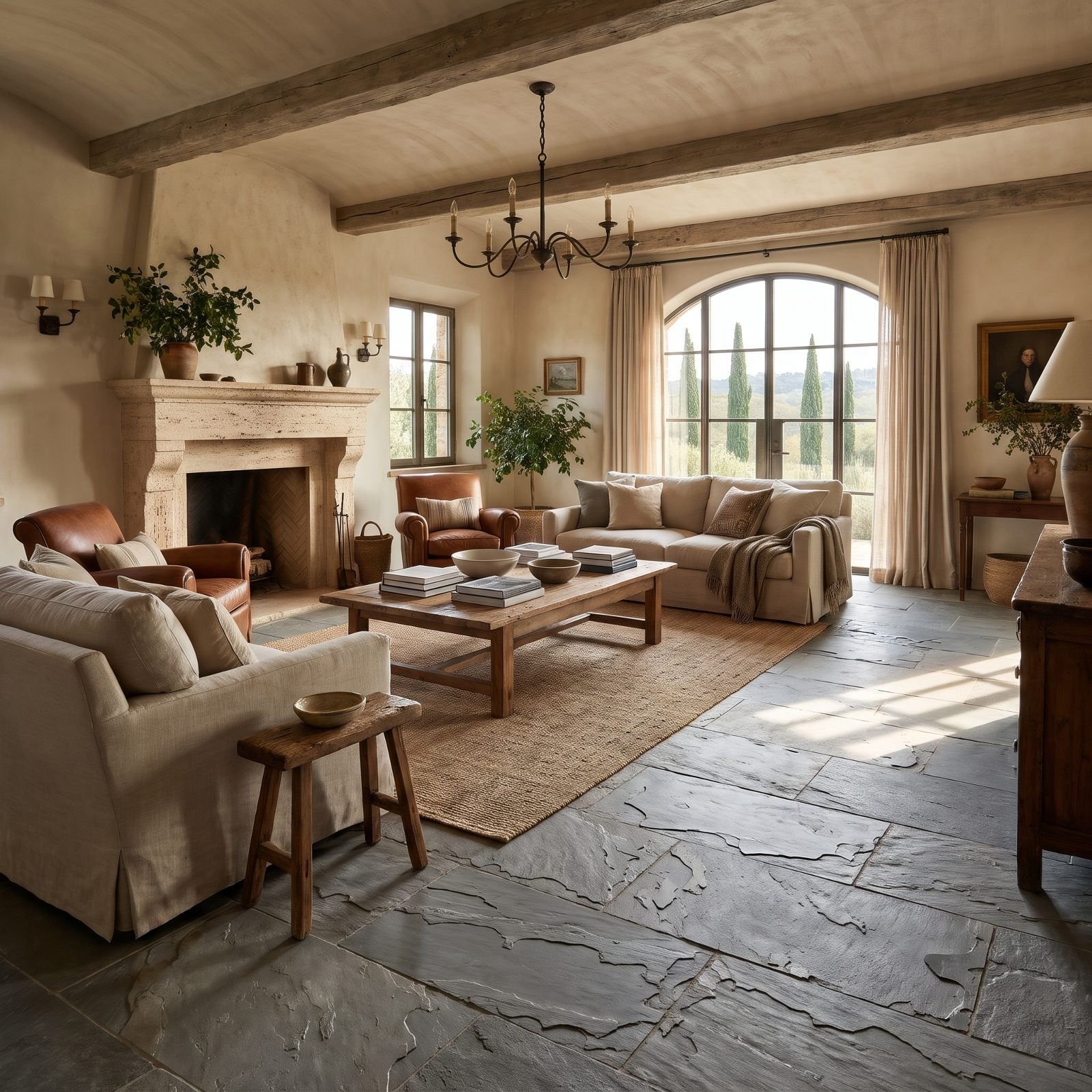
Slate has a split personality, and I mean that literally. The good stuff is dense and holds together for a century. The cheap stuff is soft, layered rock barely changed from the shale it started as that was always going to come apart, and it announces this by shedding thin flakes you’ll find scattered on the floor like fish scales.
Why it doesn’t work: low-grade slate — a lot of imported budget slate — delaminates along its natural bedding planes. Moisture, traffic, and freeze-thaw accelerate it until the surface peels.
So specify a hard, gauged slate rated for flooring, not a bargain pallet of unknown origin. Ask about its absorption rate and whether it’s calibrated. Dense slate underfoot feels like it’ll outlive the house, because it will.
16. Travertine Where the Pits Turned Dark and the Fill Popped Out
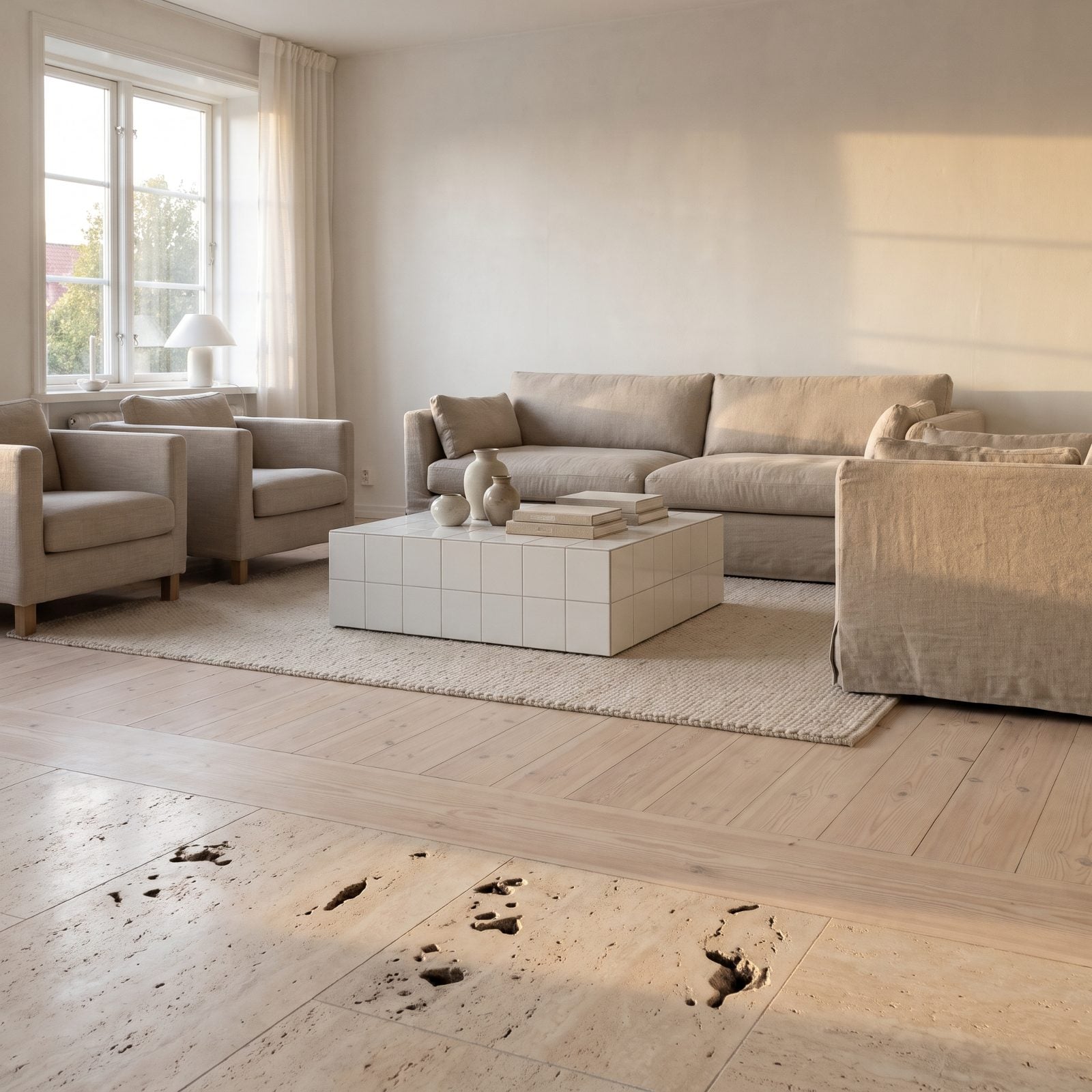
Travertine comes full of natural holes that the factory fills with resin or cement so you get a smooth surface. Give it five years of traffic and some of that fill loosens, pops out, and leaves open pits that collect grime and go dark. Now your creamy Tuscan floor has a case of visible pores.
Why it doesn’t work: the fill is a patch, not part of the stone, and it wears at a different rate. Walkways lose it fastest, so the damage lines up exactly where you look most.
The fix within the same look: refill the pits with a color-matched resin — a stone pro can do this — and keep it sealed. Or buy vein-cut travertine with fewer voids to begin with. Pits are charming on a wall. On a floor, they’re a dust trap.
15. Pebble Shower Floors Where the Grout Went Gray and Grim
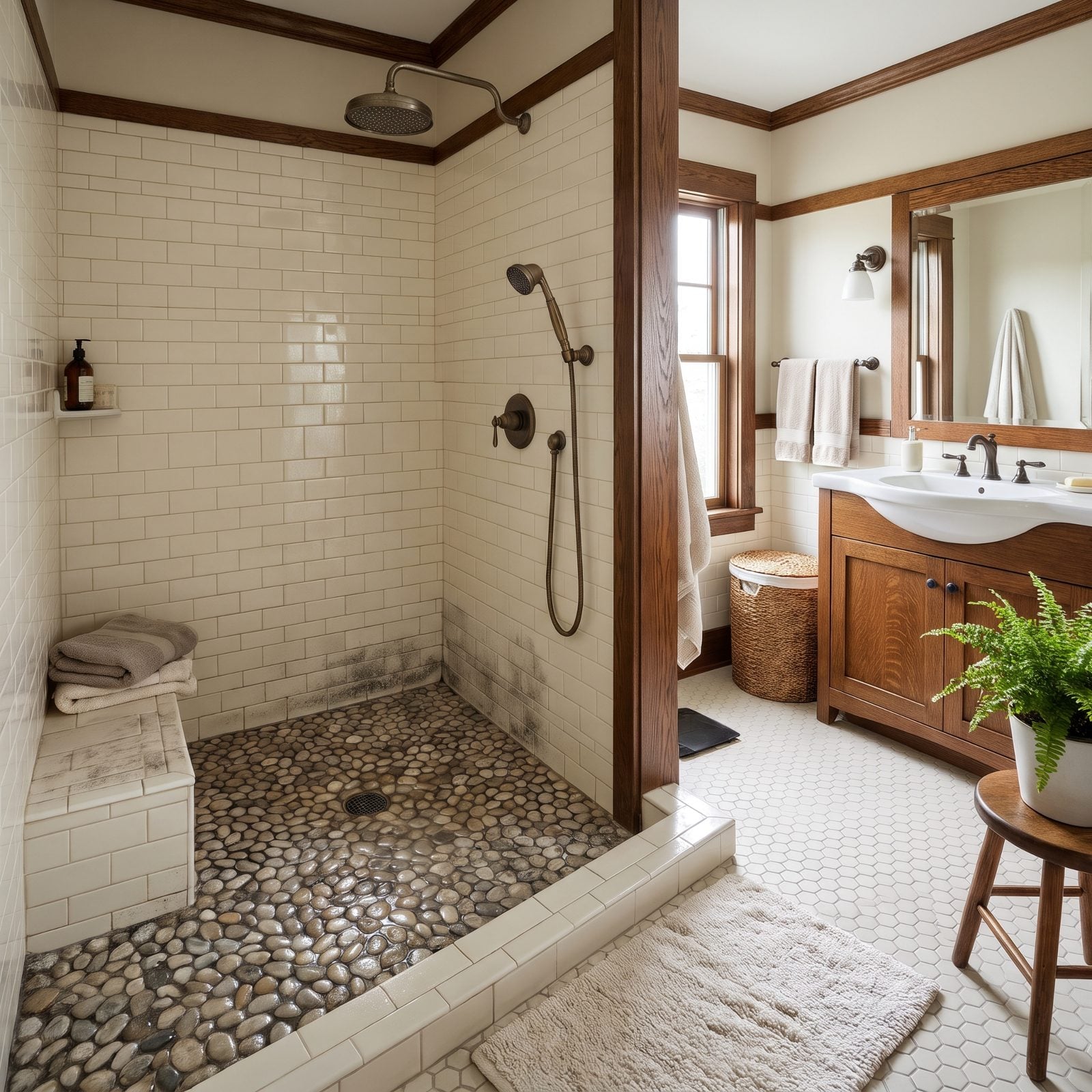
Pebble shower floors photograph like a Zen retreat and maintain like a science experiment. All those rounded river rocks mean a stupid amount of grout, and grout in a constantly wet, soap-scummed, low-drainage zone turns gray and mottled fast. The pebbles stay pretty. The grout between them does not.
Why it doesn’t work: so much grout surface area plus poor water flow — pebbles don’t slope cleanly to a drain — equals permanent moisture and discoloration. It’s the most grout-per-square-foot floor you can choose.
Smarter in the same spa-ish direction: a single large-format stone-look porcelain with a proper slope and minimal joints, or small hex with epoxy grout that resists staining. Still love the pebble look? Use it on a shower wall, where it stays dry.
14. Encaustic Cement Tile That Blotched Unevenly Across the Floor
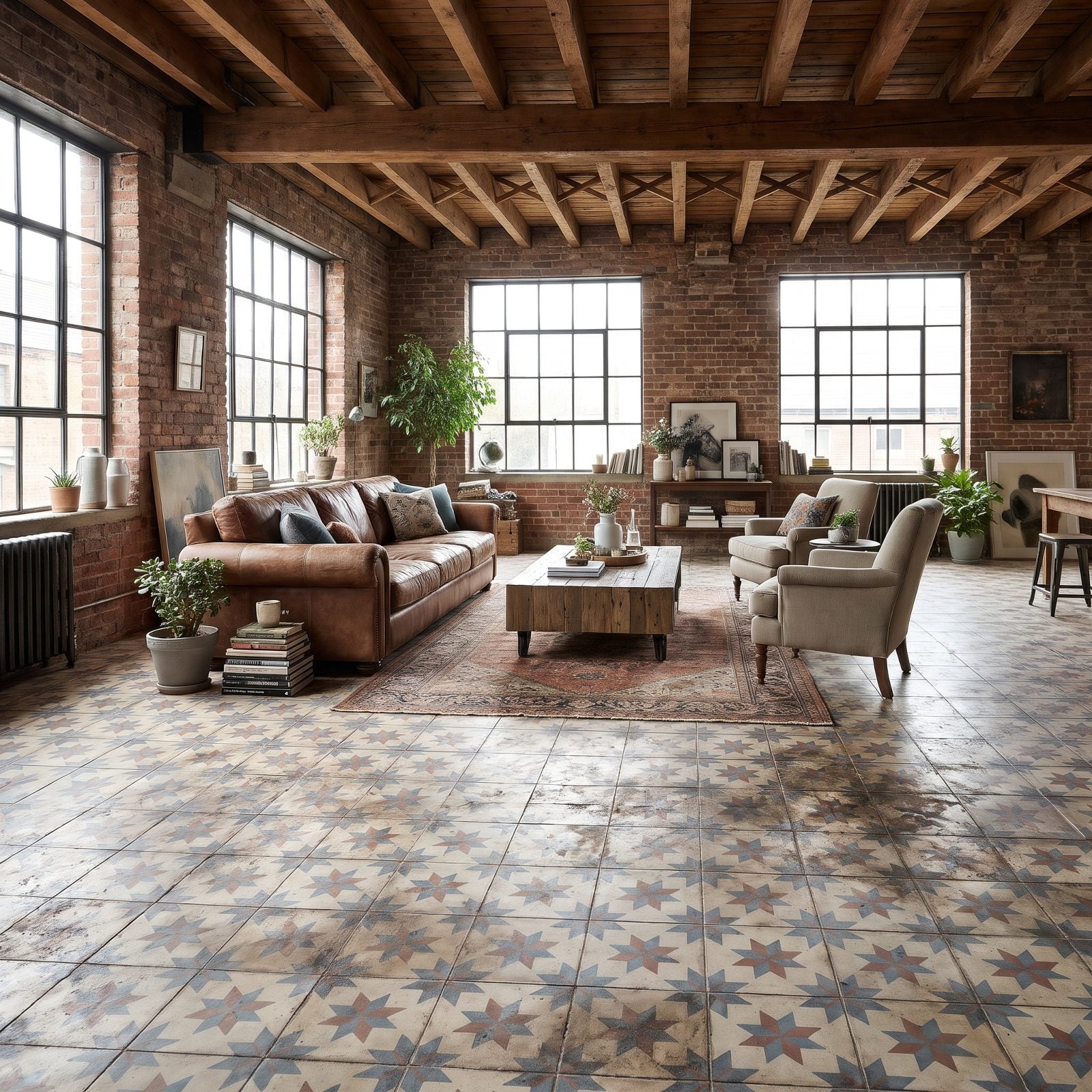
Cement tile is having a moment and I’m here for the pattern, but nobody warns you it’s basically a sponge wearing a party dress. Encaustic cement is unglazed and porous, so without aggressive sealing it absorbs water, oil, and foot grime unevenly. Five years in, the floor looks blotchy, with some tiles bright and others gone dull and patchy.
Why it doesn’t work: the color goes all the way through, which is the appeal, but the surface has no protective glaze. Traffic patterns and spills record themselves permanently.
Do it right in the same style: seal cement tile before grouting and reseal every year or two without fail. Or get the look you actually want from porcelain encaustic reproductions, which carry the pattern on a glazed, stain-proof body. Same graphic punch, none of the blotching.
13. Bold Patterned Tile That Swallowed the Whole Room Alive
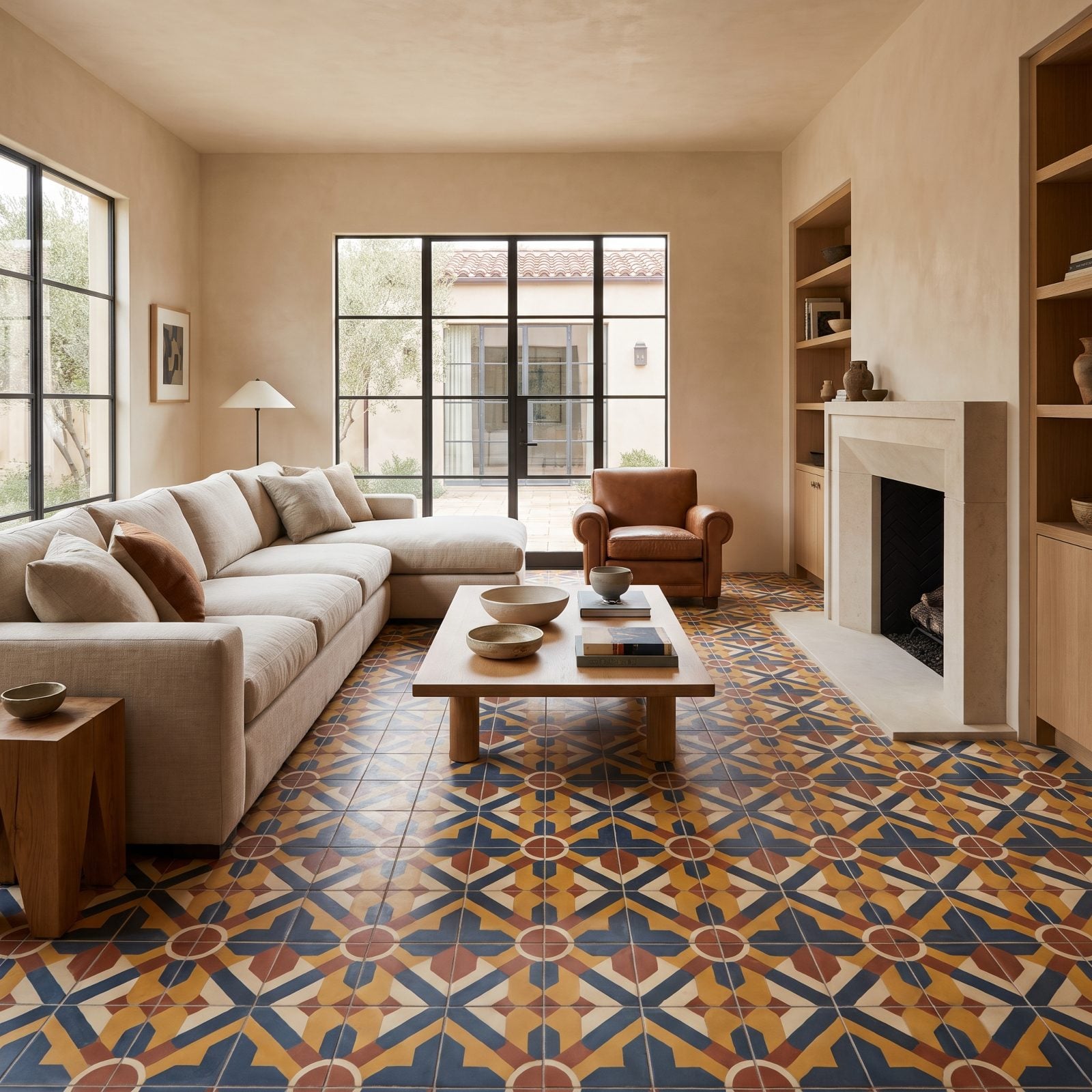
This one isn’t about wear, it’s about regret, and five years is just how long it takes to admit it. A bold patterned tile looks fabulous on a showroom sample board, three tiles wide. Lay it wall to wall across an entire living-room floor and the pattern stops being an accent. It becomes the entire personality of the room, and it’s a loud one you now live with every day.
Why it doesn’t work: high-contrast repeating pattern at scale creates visual noise. The eye never gets a place to rest, and the trendy graphic that felt fresh dates itself the moment the trend turns.
The fix is restraint. Use the showstopper tile in one defined zone, like an entry or a rug-sized inset, keep the plaster walls and the sofa quiet, and let the pattern be the star against a calm backdrop. One bold move per room. The rest should shut up and support it.
12. Low-Grade Carpet Flattened Into Shiny Traffic Lanes
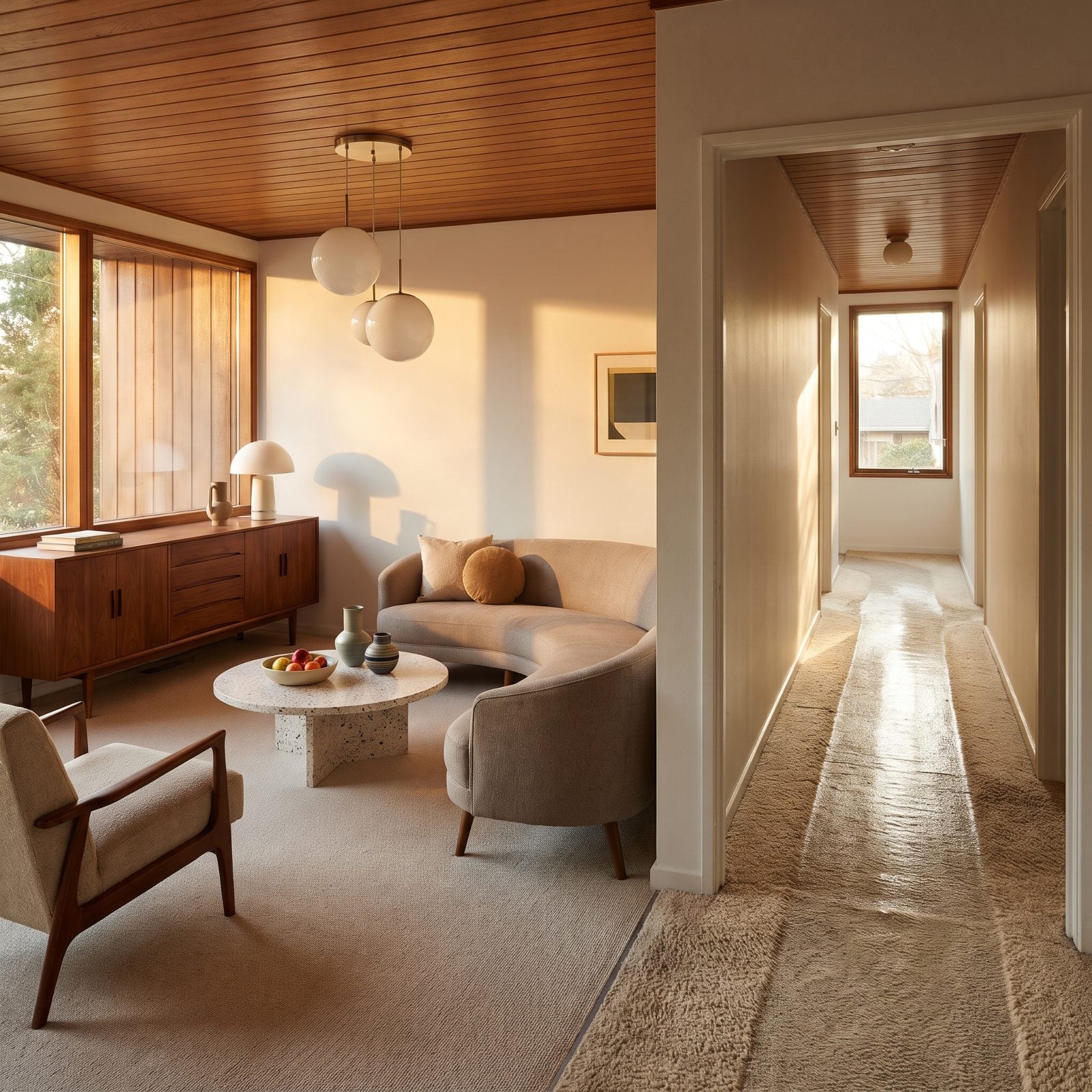
Cheap carpet is cheap twice. Once when you buy it, and again in a few years when the main walkway has crushed into a flattened, faintly shiny lane that catches the light and screams “replace me.” The carpet under your sofa looks brand new. The path from the door to the couch looks a decade older.
Why it doesn’t work: low-density, low-twist builder-grade fiber (usually bargain polyester) has no resilience. Footfall mats the pile permanently and it never springs back. The difference between traffic lanes and protected areas tells the whole story.
What holds up in the same room: a high-twist, densely tufted nylon with a quality pad underneath, or a wool blend if the budget stretches. Pay once for carpet that recovers, or pay three times for carpet that doesn’t. I will die on this hill.
11. Loop Carpet Snagged and Pulled by Pet Claws
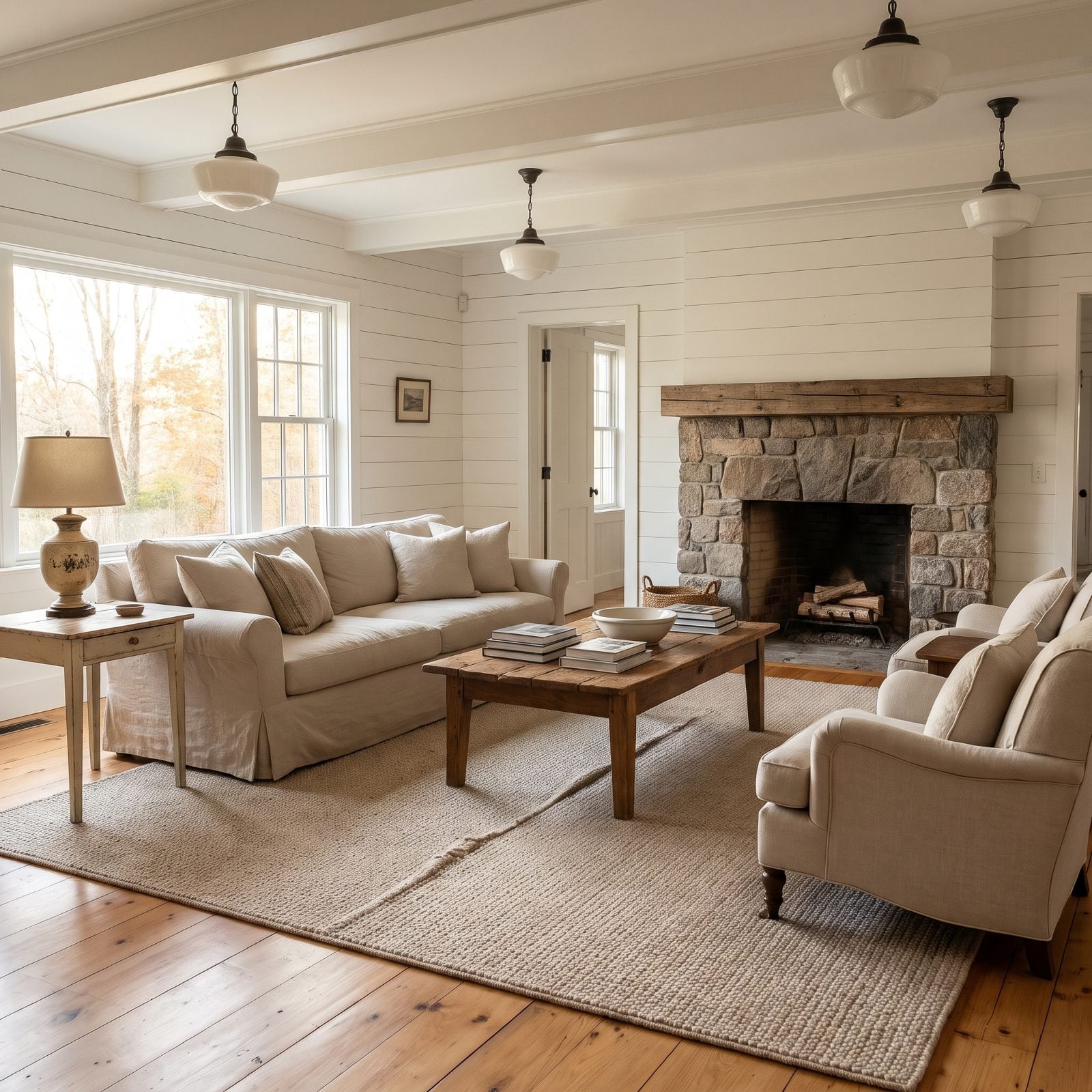
Loop pile looks tidy in the showroom. Then something catches a loop and tugs, and you get a long pull that runs like a ladder in a stocking. Pet claws do it fastest, but vacuum beater bars and chair legs manage it too.
Why it doesn’t work: the loops aren’t anchored at the top, so snag one and it unspools the whole row. You can’t trim it flush without leaving a divot that catches your eye in raking light.
What works in the same room: cut pile, or a tight level-loop with a low profile and a dense twist. A wool berber carpet with a heathered fleck hides wear far longer than a flat solid loop.
10. Natural Jute Flooring Blotched by Everyday Spills
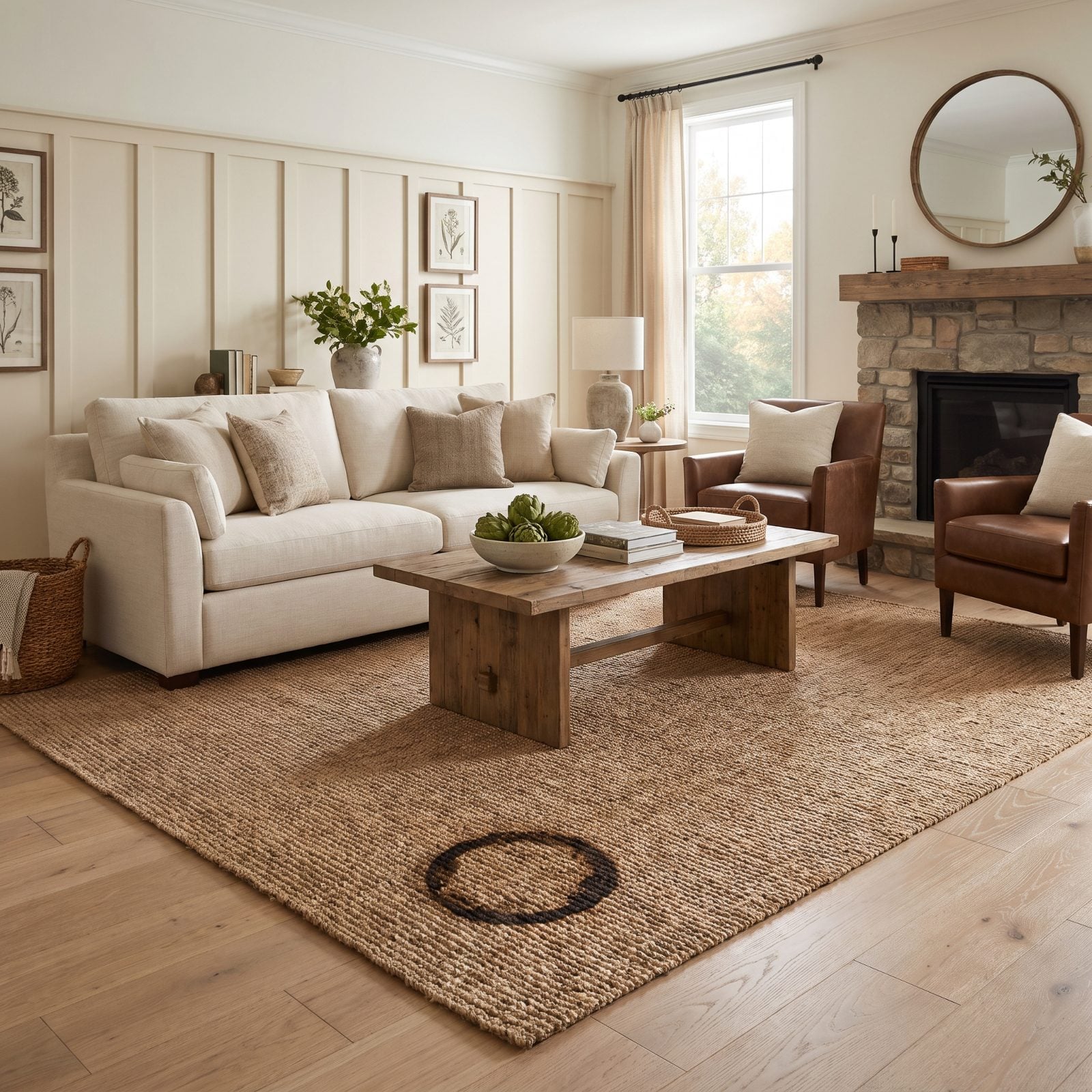
Jute photographs like a dream, all warm and textural and a little bohemian. Then someone sets down a sweating glass and you’ve got a ring that never fully leaves. Water is the enemy here. Even clean water wicks into the fibers and dries darker, leaving a halo you’ll notice every time you walk past.
Why it doesn’t work: jute is a plant fiber with almost no stain resistance. You can’t wet-clean it to lift a spot, because wet-cleaning causes the same ringing. Every mishap is permanent.
Same look, better outcome: a sisal rug treated with a fiber sealant, or a poly-blend that mimics the natural weave and takes a scrub. Save real jute for low-traffic bedrooms where drinks don’t travel.
9. Sheet Vinyl Gone Yellow Where the Sun Hits
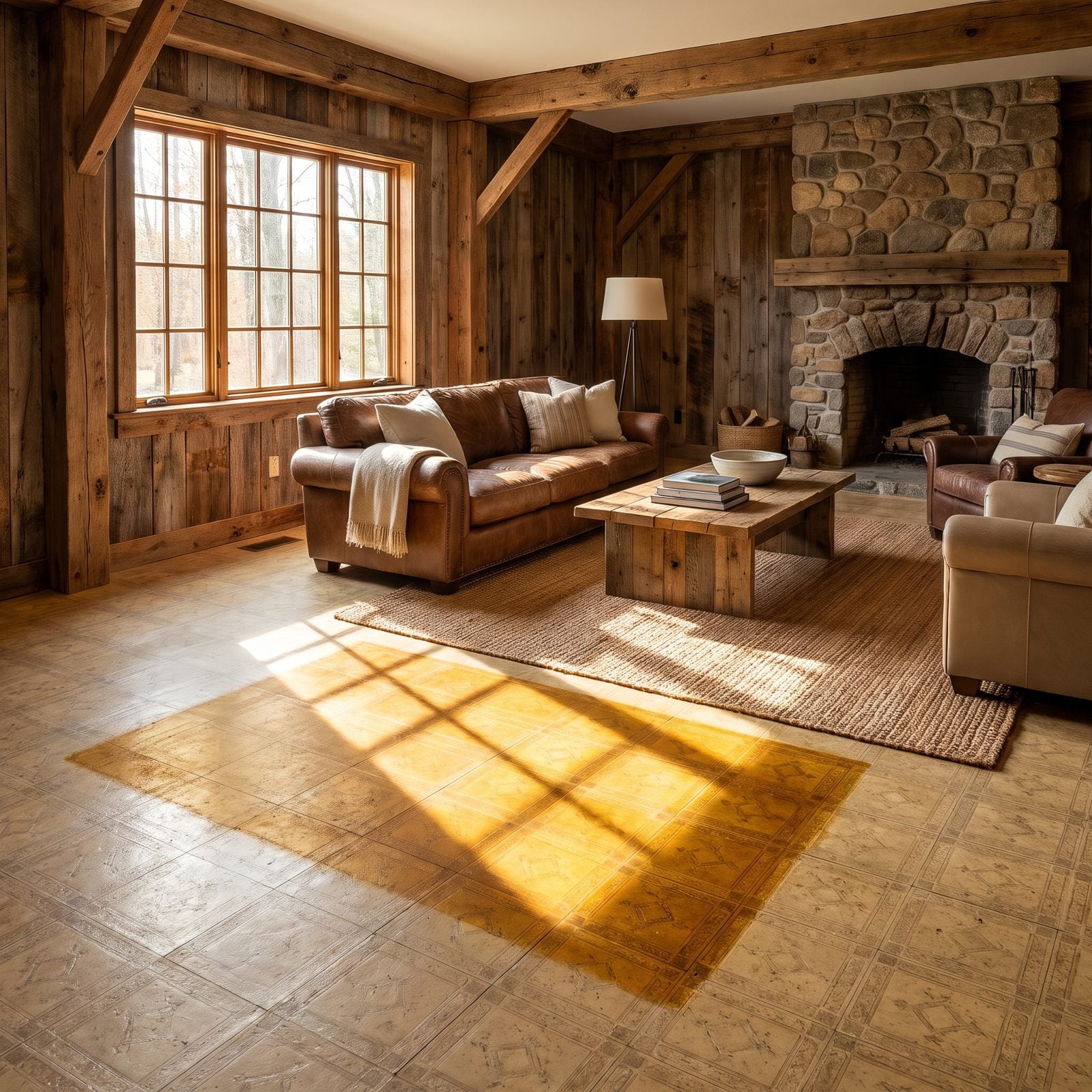
You know the exact shape before you see it. A bright rectangle on the floor, slightly warmer and more amber than everything around it, parked right where the window light lands all afternoon.
Cheaper sheet vinyl uses plasticizers and a wear layer that photo-oxidizes under UV. The sun literally cooks the color. Move a rug after two years and you’ll find the floor underneath is a different shade than the floor that was exposed.
What holds up: a vinyl rated UV-stable, or step up to a quality LVP with an aluminum-oxide wear layer. And rotate or lose the rugs that create hard tan lines. Honestly, I’d skip low-end sheet vinyl near any big window entirely.
8. Printed Vinyl Worn Clean Through Its Pattern
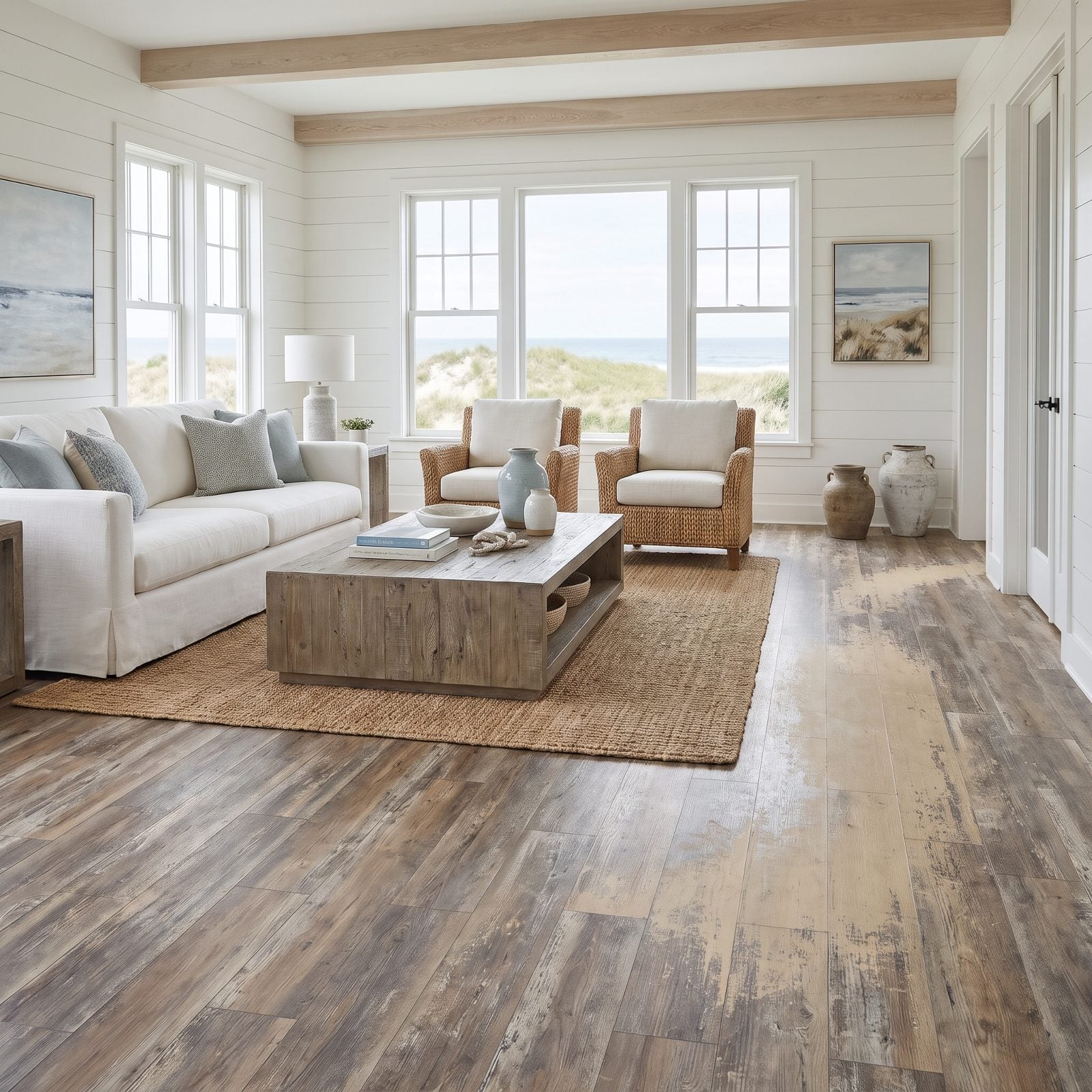
Printed vinyl is a photograph of a floor laid under a thin clear coat. In the walking lanes, that clear coat sands away under grit and shoes, and once it’s gone, the printed pattern goes with it. You end up with ghost paths: crisp pattern at the edges, a washed-out gray track down the middle.
There’s no fixing it. You can’t re-print the image back on.
The through-body alternative is real porcelain tile, or LVP where the texture is embossed and the wear layer is thick enough to survive a decade of grit. Pay for the wear layer. It’s the one spec that actually matters here.
7. Peel-and-Stick Tiles Lifting at Every Corner
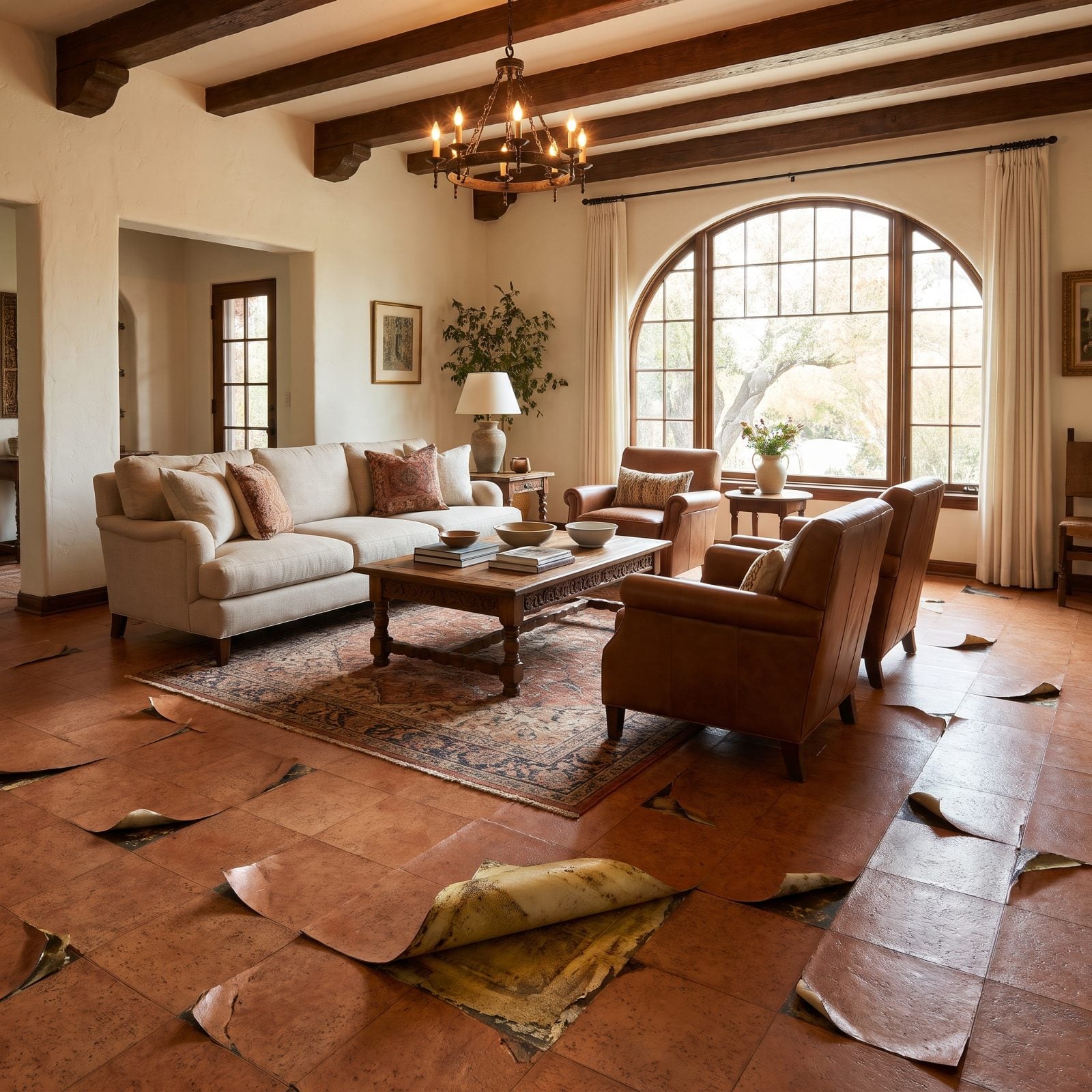
Peel-and-stick is the Saturday-afternoon fix that lasts about as long as the weekend did. The adhesive backing is thin, it never bonds well to an uneven or dusty subfloor, and the first mop or spill creeps under a corner and lifts it.
Once one corner goes, feet catch it, tiles shift, and you get those thin dark gaps where the floor underneath peeks through.
Want the self-install look that actually survives? Use groutable peel-and-stick tiles sealed at the seams, or a floating click-lock LVP that needs no glue at all. The floating floor costs a bit more and installs almost as easily. I’d never put bare peel-and-stick anywhere water can reach.
6. Cork Flooring Dented Under Every Chair Leg
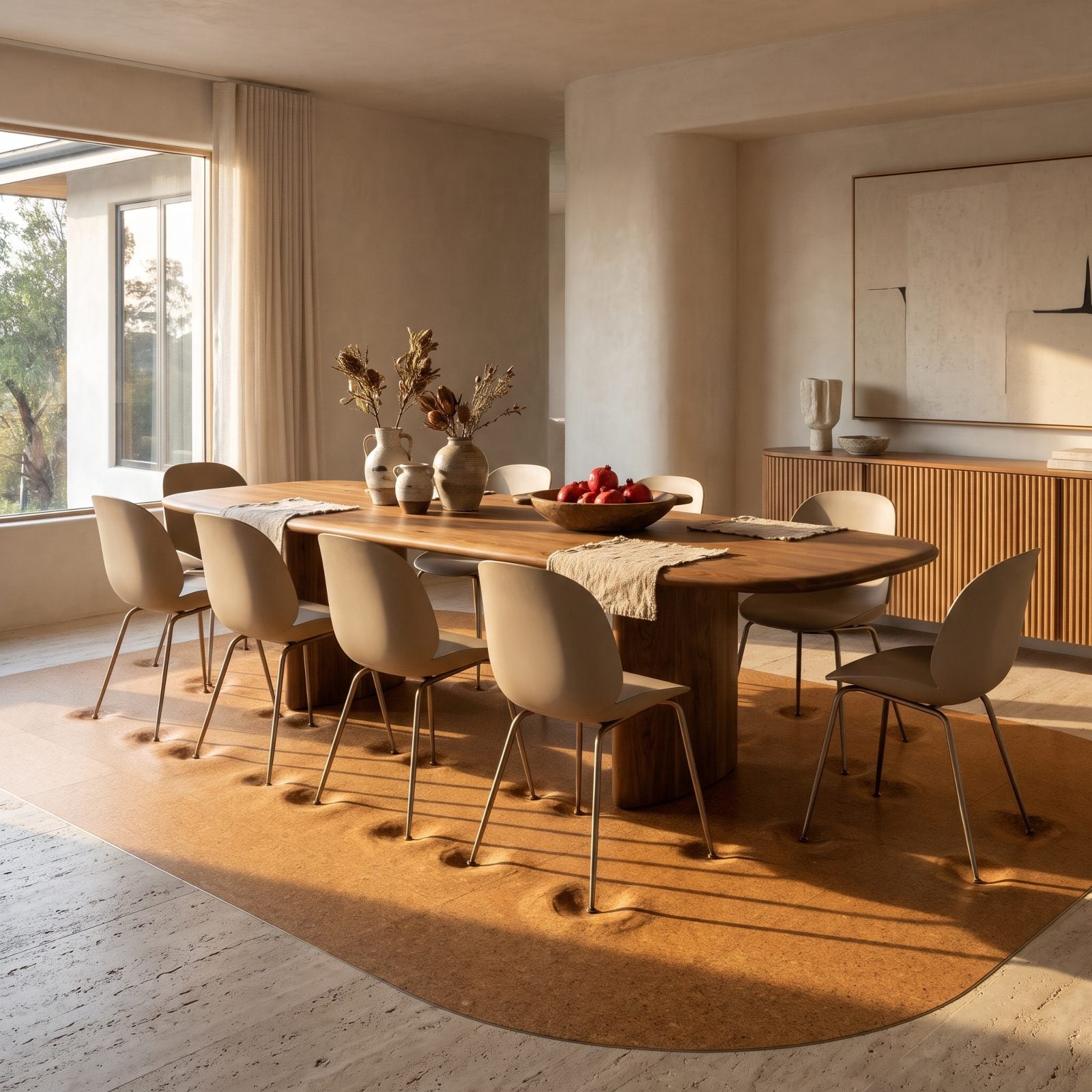
Cork feels wonderful underfoot, soft and warm and quiet, and that same softness is exactly why it dents. Chair legs, a dropped can, the corner of a dog crate, all of it leaves a mark, and under a dining table you’ll collect a halo of little compression dings within a couple of years.
Some shallow dents spring back. The deep ones don’t.
Keep the cork you love in a reading nook or bedroom where nothing drags across it. For the dining room, a white oak engineered flooring gives you the warm tone with a hardness that shrugs off chair legs. And put felt pads on everything regardless.
5. Painted Plywood Floors Chipping Along the Seams
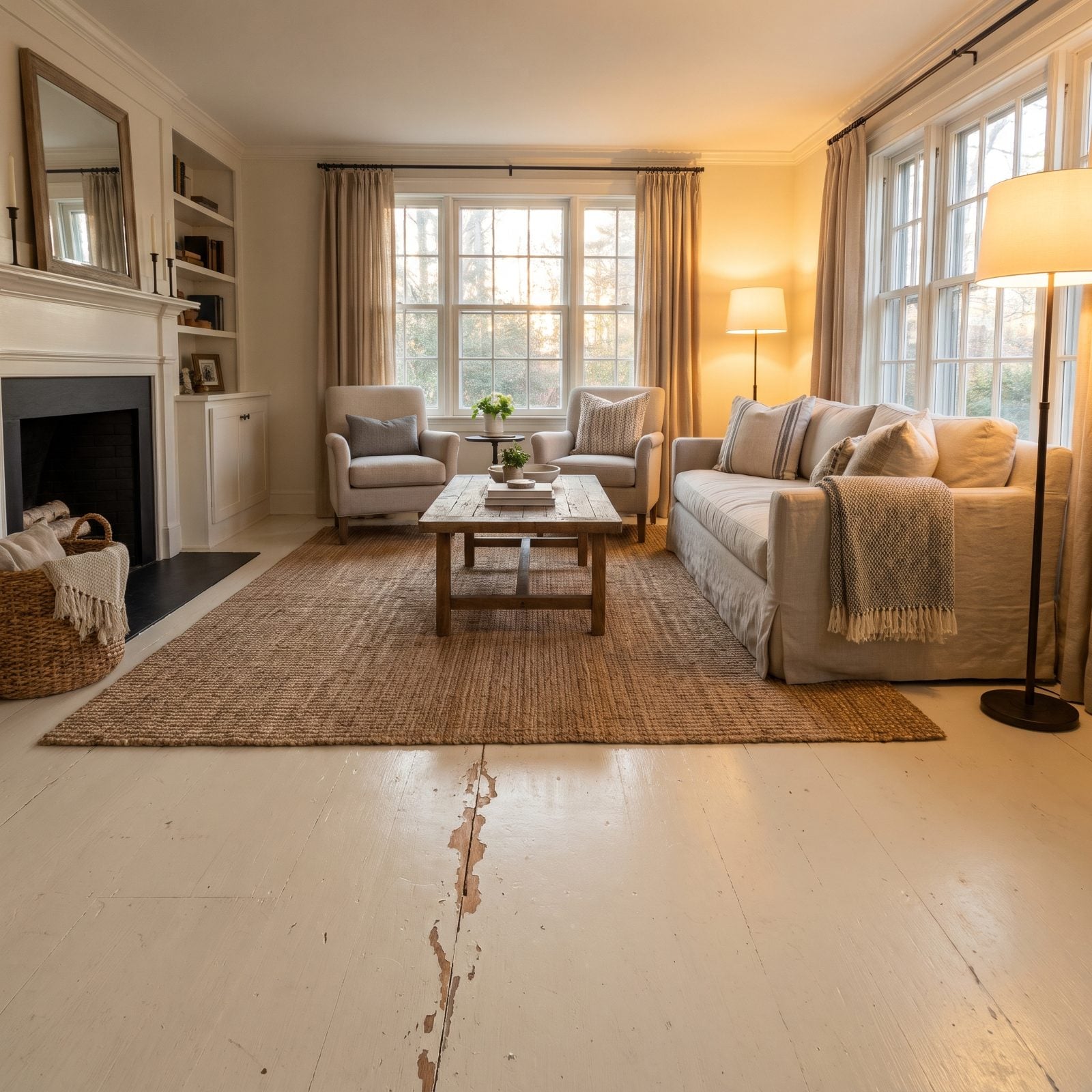
Painted plywood is a charming budget move, and I’ve recommended it myself for a rental or a quick refresh. But the seams are its weakness. Plywood sheets move with humidity, the joints flex, and paint over a flexing joint cracks and chips in a thin line that follows the seam, like the one running right through the middle of this floor.
Foot traffic finishes the job, flaking the cream paint off in strips until bare wood shows through along the joint.
Committed to the painted look anyway? Fill and tape the seams first, then use a porch-and-floor enamel over a bonding primer, and finish with two coats of clear poly. That system flexes with the wood instead of snapping over it. Skip the shortcut and it’ll chip by year two.
4. Epoxy Garage Floors Peeling Under Hot Tires
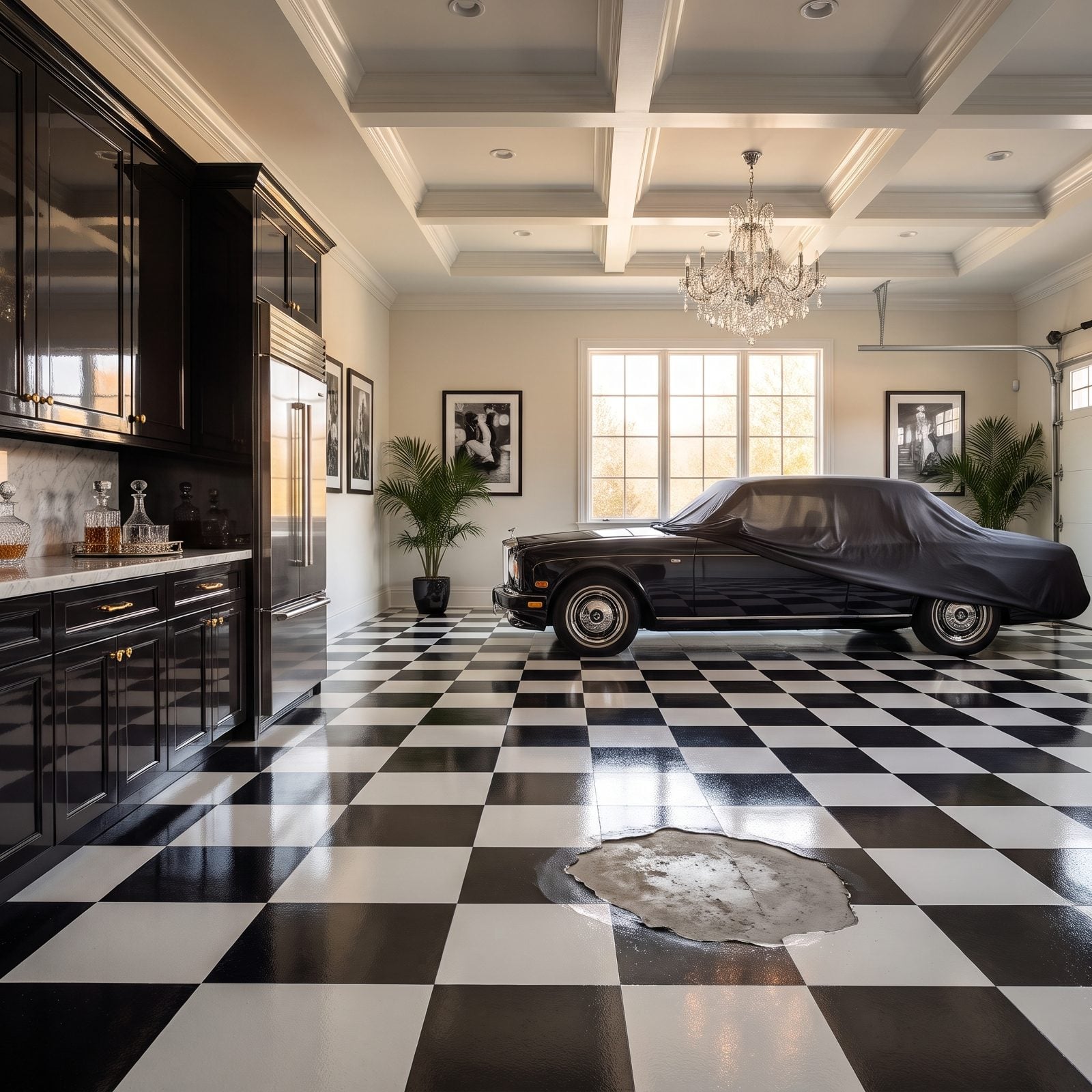
That glossy garage-turned-lounge, with its chandelier, bar cabinetry and half-covered classic sedan, has a specific failure point, and it’s right out in the open floor where cars roll across. Hot tires soften cheap DIY epoxy and grab it as they cool, and the damage can show up as a round, light gray blotch like the one in the middle of this glossy black-and-white checkerboard floor. Installers call it hot-tire pickup.
The usual cause: a one-coat water-based kit applied over concrete that was never properly acid-etched or ground.
What actually lasts? A professionally prepped floor with a grinding or shot-blast profile, a 100-percent-solids epoxy base, and a polyaspartic topcoat rated for hot tires. It costs more. It also doesn’t peel. A thin big-box kit on an unprepped slab is money thrown at a floor that’ll fail right where you look at it most.
3. Polished Concrete Splitting With Uncontrolled Cracks
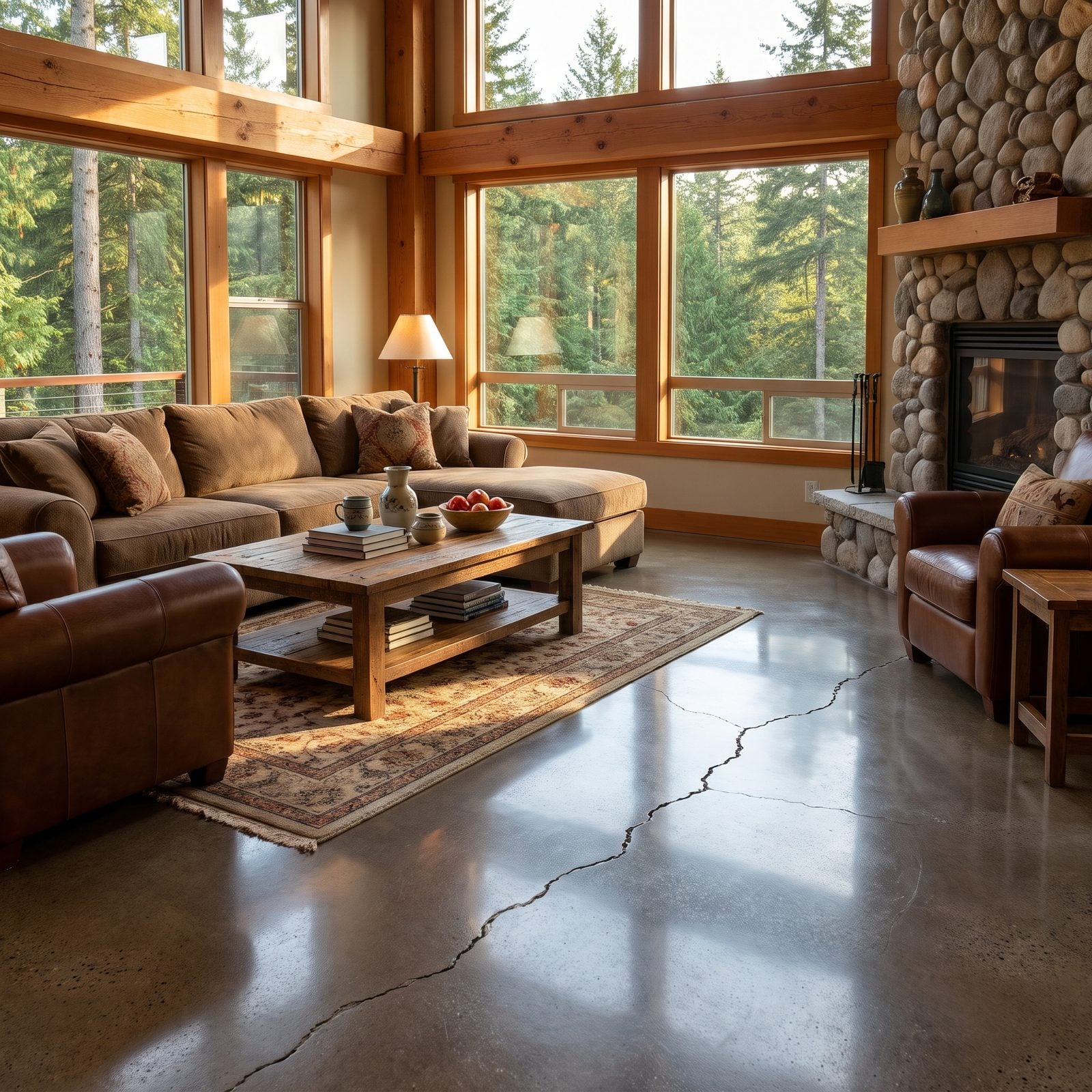
Polished concrete reads as permanent, so the crack feels like a betrayal. But concrete always wants to crack. The only question is whether it cracks where you planned or wherever it pleases.
Why it doesn’t work: skip the control joints at the right spacing and the stress finds its own path, and that random crack wanders across your open floor collecting dust in the line.
Done right, the same floor behaves. Saw-cut control joints on a grid, proper curing, and a crack-isolation strategy mean any movement lands in a joint you designed on purpose. Polishing an existing slab? Accept that its existing cracks are part of the story. Fight them and you’ll always lose.
2. Whitewashed Brick Floors That Collect Grime in Every Pit
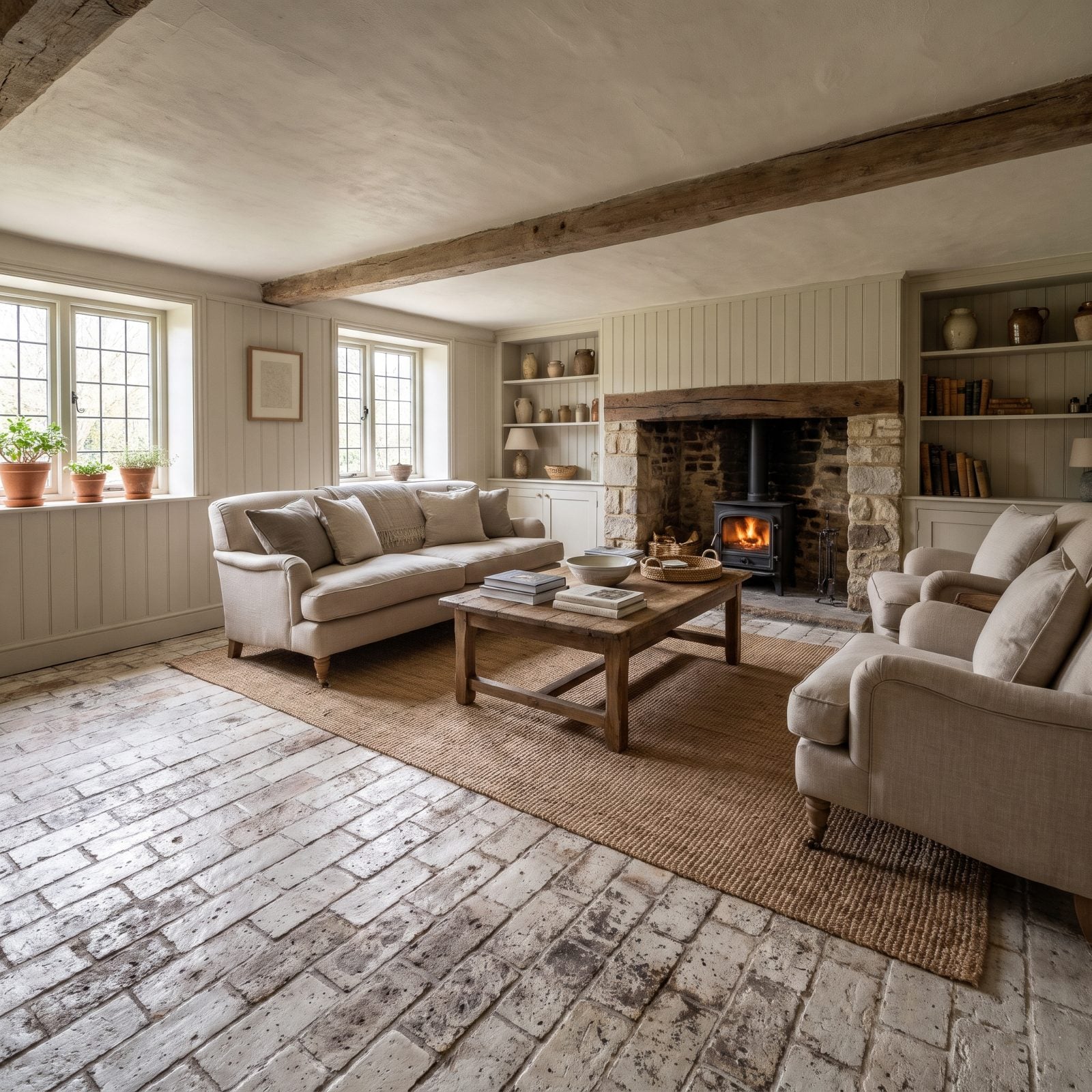
Whitewashed brick looks soft and sun-faded the day it’s sealed. Give it five years. The lime-white finish wears off the high points first, right down the path you walk every day, and the pits that make brick look handmade turn into tiny cups that catch grit a mop glides straight over.
Here’s the problem: brick isn’t flat, and dirt settles into low spots by gravity. Every pock and mortar line is a low spot. Once the pale finish rubs thin on top, the clean brick reads white while the dirty recesses read brown. That contrast is what makes it look aged, not the wear itself.
What would work in the same room? Seal the brick with a penetrating matte sealer before you ever whitewash, then topcoat the whitewash so the finish lives above the pits instead of in them. Or skip the paint entirely and run a honed terracotta floor tile with a flat face that actually cleans.
1. Unsealed Floors in Pet Zones With Darkened Board Edges
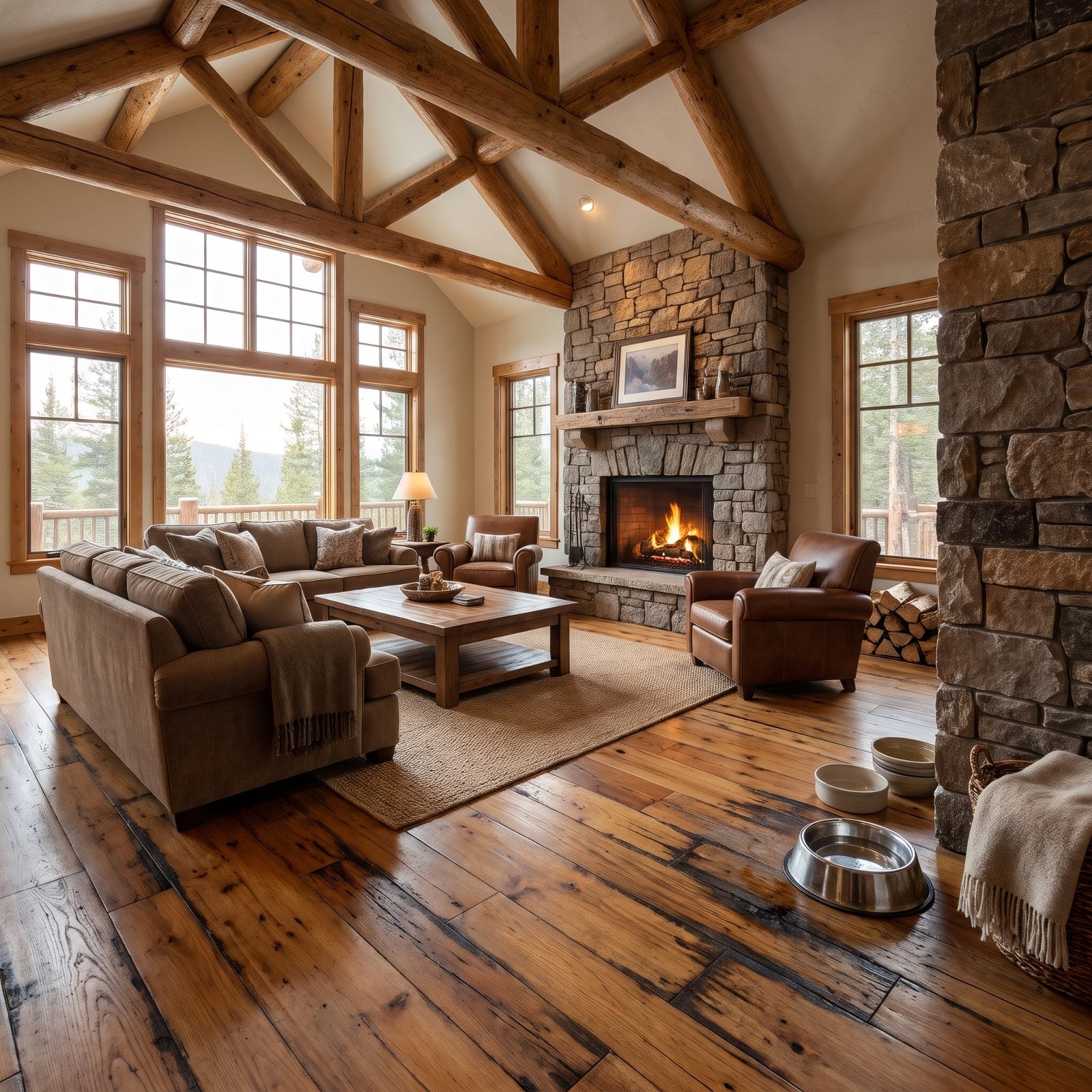
Pet traffic doesn’t wreck a floor the way people picture. No gouges, no claw trenches. What actually happens is quieter, and slower, and you won’t notice it until it’s done. Water wicks into the seams between boards, over and over, and the long edges of every plank go grey while the faces stay pale.
An unsealed or lightly sealed wood floor has a tiny gap along every board edge, and that gap drinks moisture. Wet paws, a damp mop, a bowl that sloshes. The water never fully dries from the seam, so the end grain darkens and the whole floor ends up looking framed in brown. Once it’s in, it’s in. You’re sanding to get it out.
So what works instead? Run a rigid-core luxury vinyl plank with a locked, waterproof seam through the pet zone, or keep the oak but hit it with a commercial-grade penetrating oil and a waxed jute runner rug on the dog’s path. I learned this the hard way. A mudroom is the single worst place to cheap out on sealant, full stop.