
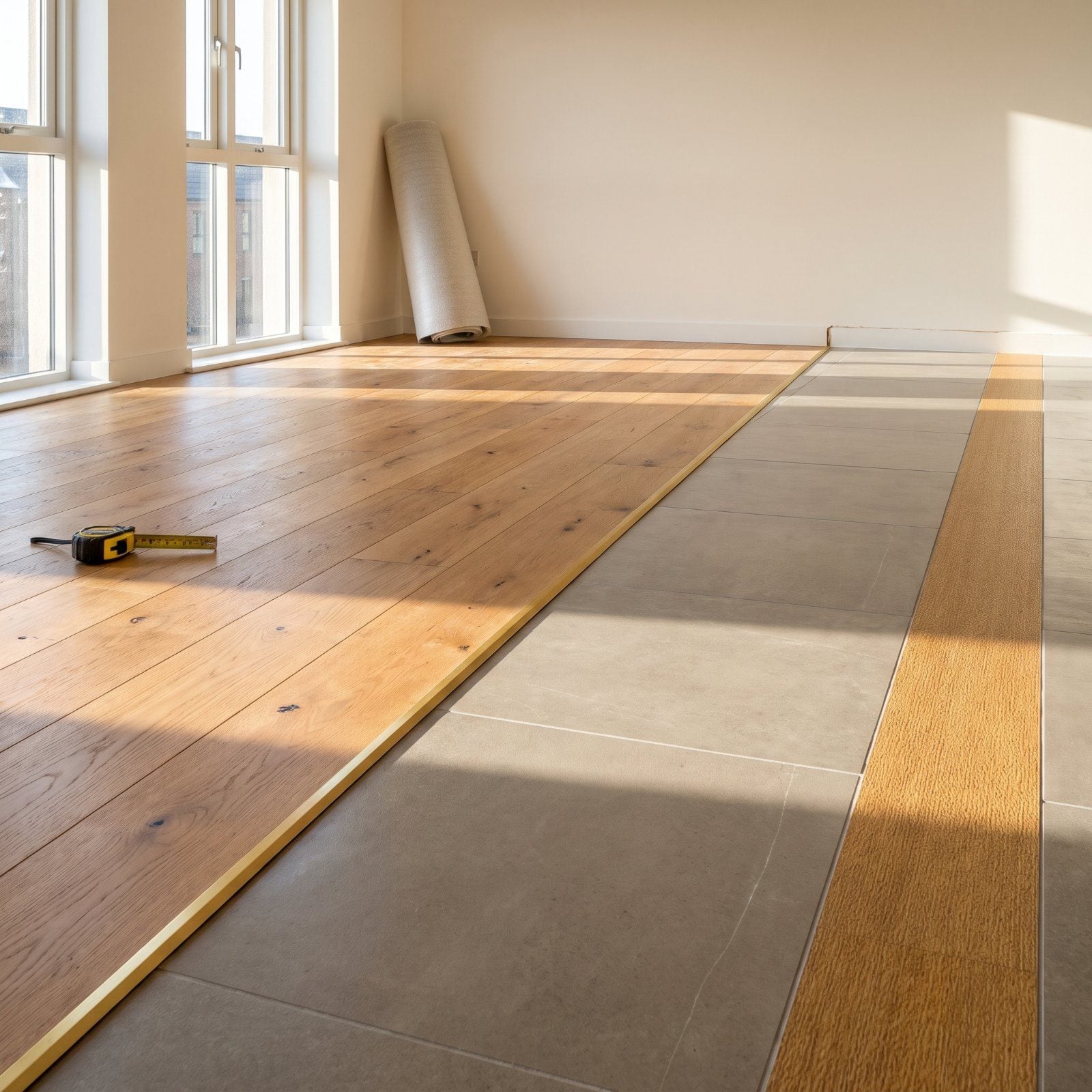
Ask the people who kneel on floors all day and you get different answers than the showroom gives you. The floor that photographs well isn’t always the floor that survives a dog, a dropped pan, and eleven winters. Installers see what happens after the moving truck leaves — which planks peel at the seams, which tile cracks over a subfloor that shifts, and which quiet, unglamorous choices outlast everything on the display wall. Here are the ones they side-eye, and the ones they quietly recommend when nobody’s selling anything.
44. Overrated: Click-Lock Luxury Vinyl Plank
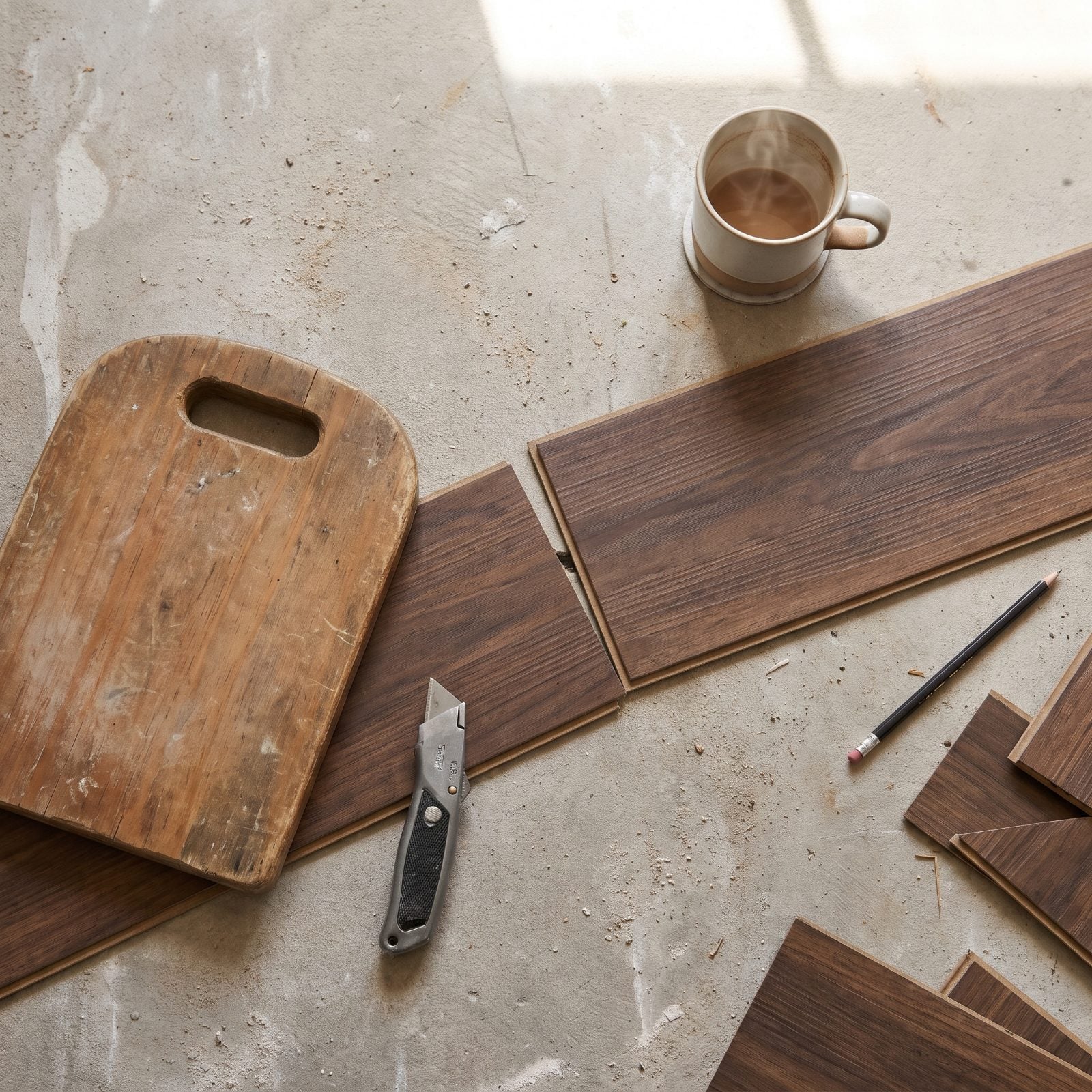
Everyone’s first floor. The one the big-box store swears a beginner can lay in a weekend, and they’re half right — it clicks together fast, it’s waterproof, and it hides a multitude of subfloor sins. That’s the whole pitch.
In order to come up with the very specific design ideas, we create most designs with the assistance of state-of-the-art AI interior design software. Also, assume links that take you off the site are affiliate links such as links to Amazon. this means we may earn a commission if you buy something.
Here’s what installers see six years later: seams that gummed up, planks that telegraphed every lump underneath, and a repeating print you start noticing and can’t unsee. The natural oak vinyl plank that looked crisp on day one goes dull under traffic. And when one plank fails in the middle of a floating floor? You’re pulling up half the room to swap it.
43. Underrated: Engineered European White Oak
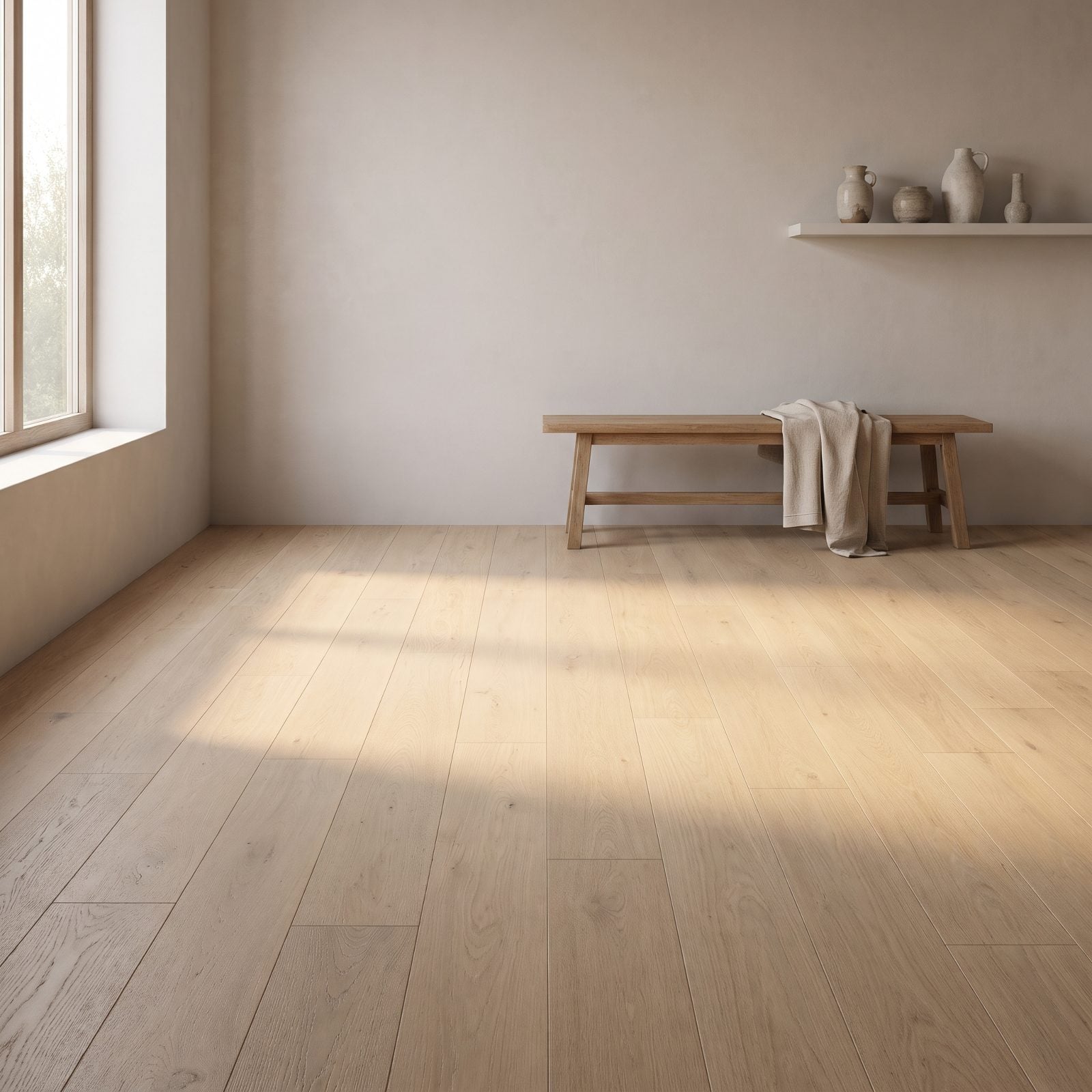
This is the floor installers quietly put in their own houses.
A real oak wear layer over a dimensionally stable plywood core means it moves less with humidity, takes a wide plank without cupping, and — the part nobody tells you — can be sanded and refinished when your luck runs out. Wire-brushed, oil-finished white oak engineered flooring develops a patina instead of a worn-out look. It costs more than vinyl and earns every dollar.
What Our Readers Say
- Asked about bedroom floors, nearly two out of three Home Stratosphere readers picked hardwood over carpet, 64% to 36%.
From Home Stratosphere reader polls and votes.
42. Overrated: Large-Format Porcelain Tile
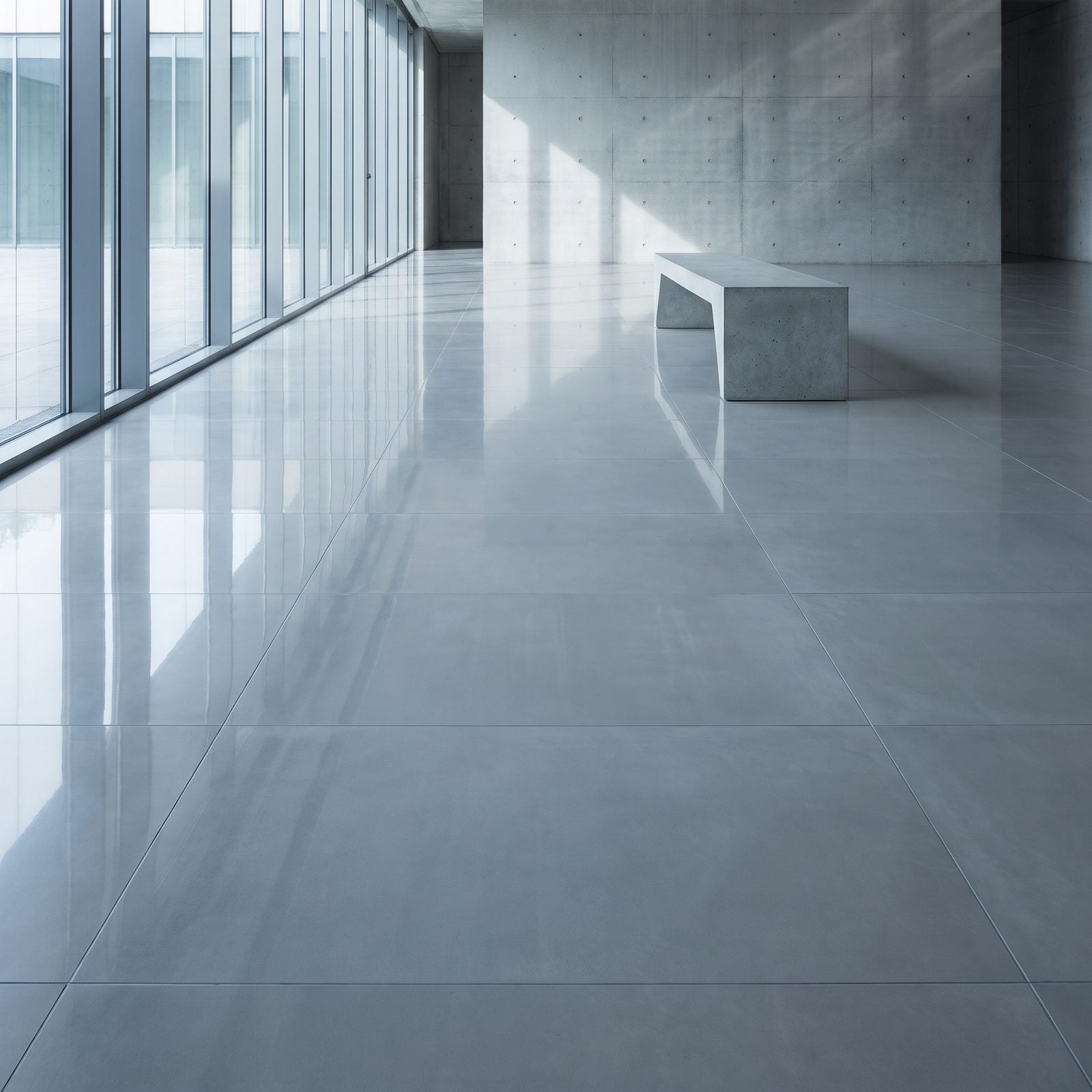
Big tile, almost no grout lines, that uninterrupted stone look everyone wants right now. On a magazine page it’s magnificent. On an actual floor it’s one of the hardest things there is to install flat.
Those slabs are unforgiving. A subfloor that’s off by a whisker shows up as lippage — that little edge catching your toe and the light. Setting them dead flat takes leveling clips, a mortar bed built like a landing strip, and patience most weekend warriors don’t have. Pay a pro, or pay twice.
Writing up a plank-tile floor job, one tile contractor puts it bluntly: “For a successful installation of large-format floor tile, the most important factor is the flatness of the subfloor.”
41. Overrated: Ultra-Wide Solid Hardwood Planks
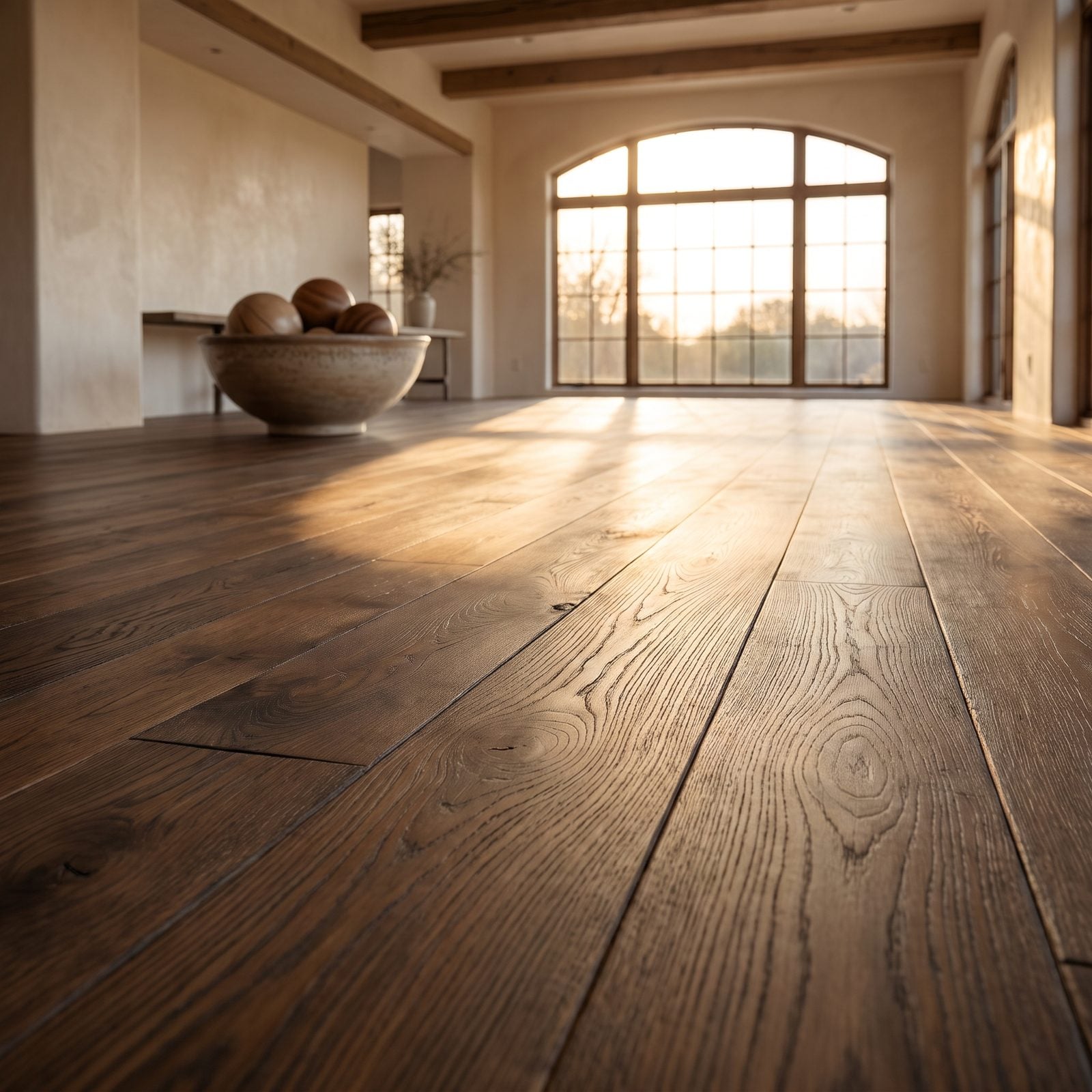
Wide solid planks are the floor people fall in love with at an open house. All that unbroken grain, boards as wide as your forearm. Romantic — until you understand how wood behaves.
Solid hardwood moves with the seasons, and the wider the board, the bigger the swing. Come February, when the heat’s been running and the air’s bone dry, those glorious planks shrink and you get gaps you could lose a dime in. Glue them, nail them, acclimate the wood for a week before you lay it, and you still fight it.
Engineered wide plank gives you nearly the same face with a fraction of the drama. That’s why installers push it.
Explaining why winter gaps open up in solid floors, a hardwood flooring supplier notes: “How much gapping is dependent on several factors. Solid wider width boards will show more while narrow strip floors can show less.”
40. Overrated: Polished Marble Tile
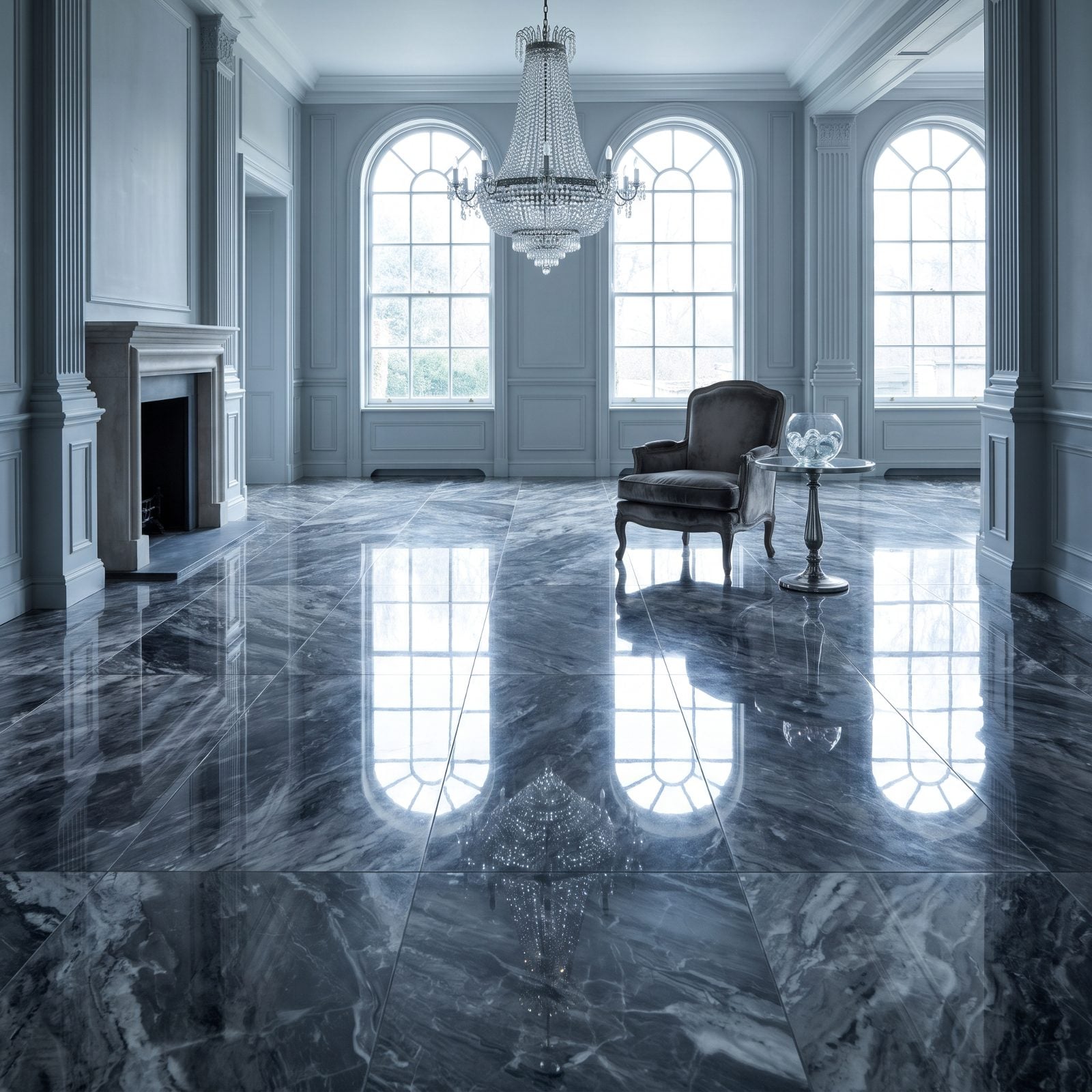
Nothing in a showroom beats polished marble. That depth of veining, that cold mirror shine. It’s the floor that says money without saying a word.
And it’s a diva. Marble is calcium carbonate, which means anything acidic etches it. A splash of lemon juice, a glass of wine, a dropped bottle of cleaner — and you’ve got a dull ghost mark no mop removes. The polish scratches under grit tracked in on shoes. Seal it twice a year and baby it forever.
As a stone floor restoration specialist warns, “Common household items like lemon juice, vinegar, wine, coffee, and many bathroom products can leave behind dull spots that no cleaner or polish can remove.”
Our readers aren’t always charmed either: dining room photos featuring marble earned fewer hearts than the other images in the same articles, 37% versus 56%.
39. Underrated: AC4-Rated Laminate
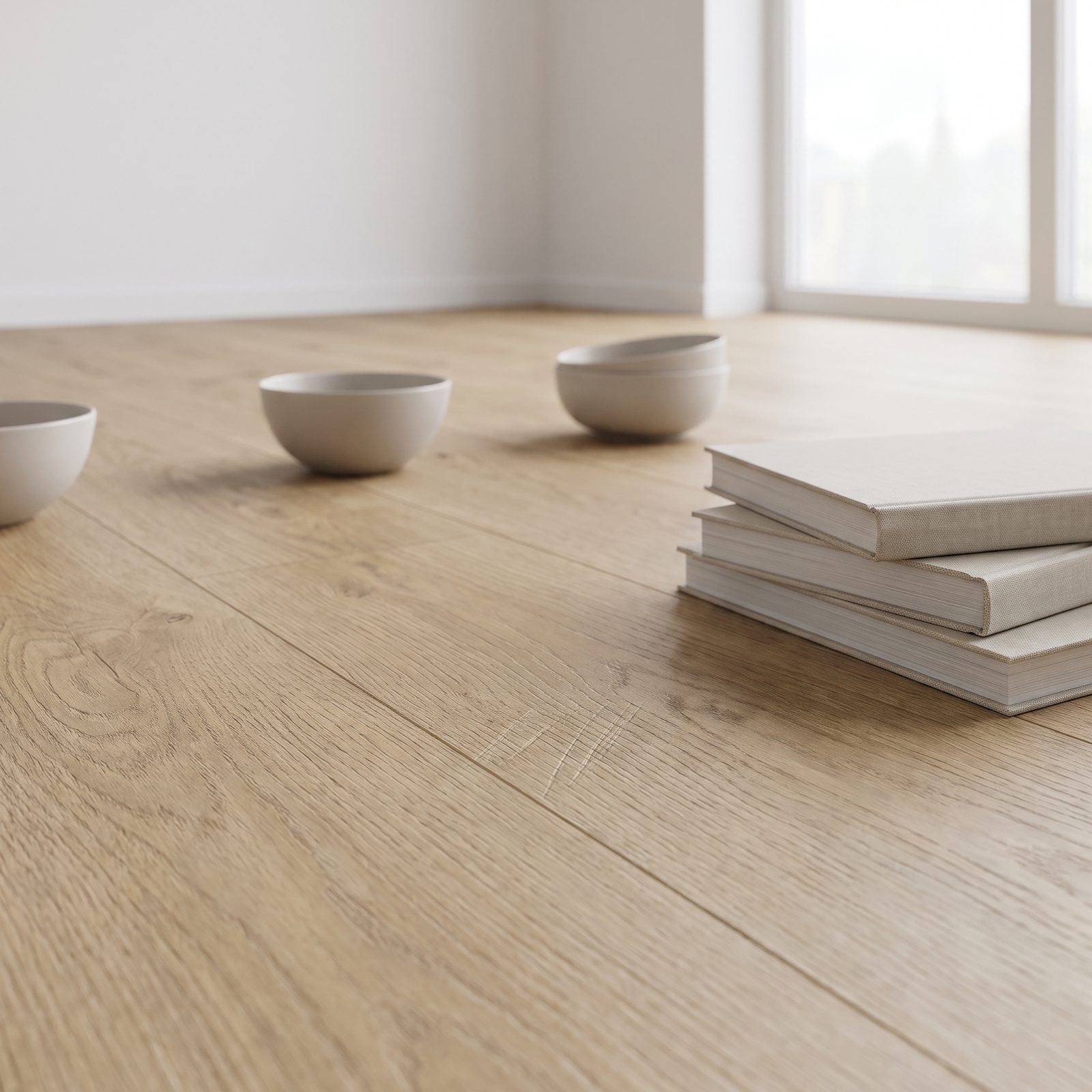
Laminate still carries its 1998 reputation: shiny, plasticky, loud underfoot. Modern AC4-rated laminate is a different animal.
The AC4 rating means it’s built for general commercial traffic, which at home translates to tough, though not scratch-proof. Newer boards have embossed-in-register texture, so the grain you see lines up with the texture you feel. A warm hickory laminate flooring with a matte finish fools people from across the room. Durable (though sharp drags can still leave scratches), cheaper than wood, and it clicks together clean.
38. Overrated: Cheap Horizontal Bamboo
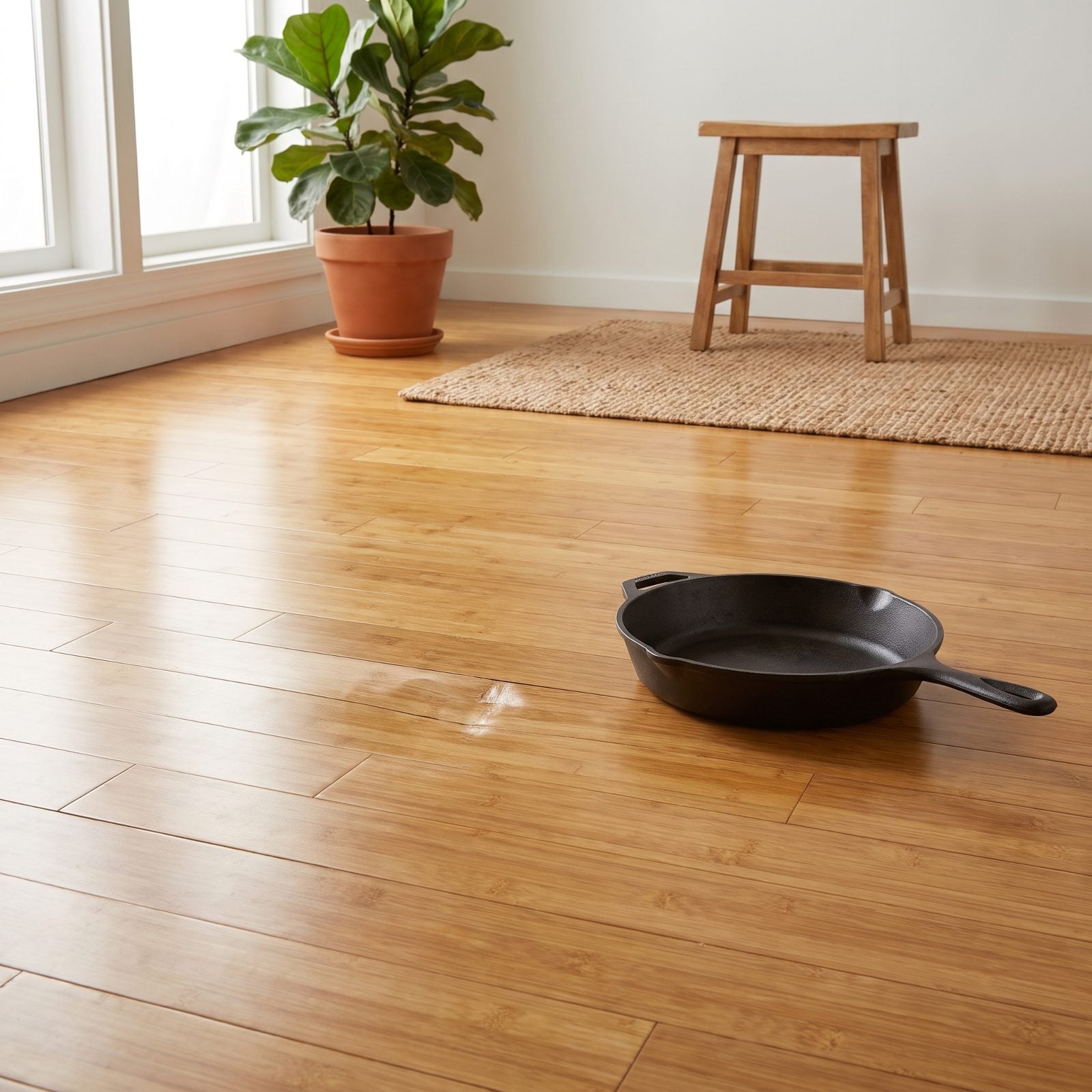
Bamboo got sold as the eco floor, and horizontal-grain bamboo rode that wave into a lot of homes. It’s the one with the wide, flat node pattern, and it’s often the cheap stuff.
The problem is simple. It scuffs. A dropped cast-iron skillet, a dragged chair leg, a dog’s nails — and you’ve got a pale, glossy scuff mark smeared across the finish. Pressed flat and glued with whatever the factory had on hand, cheap horizontal bamboo is weak where it counts. Looks fine the day it goes down. Shows its age fast.
37. Overrated: Wood-Look Porcelain Planks
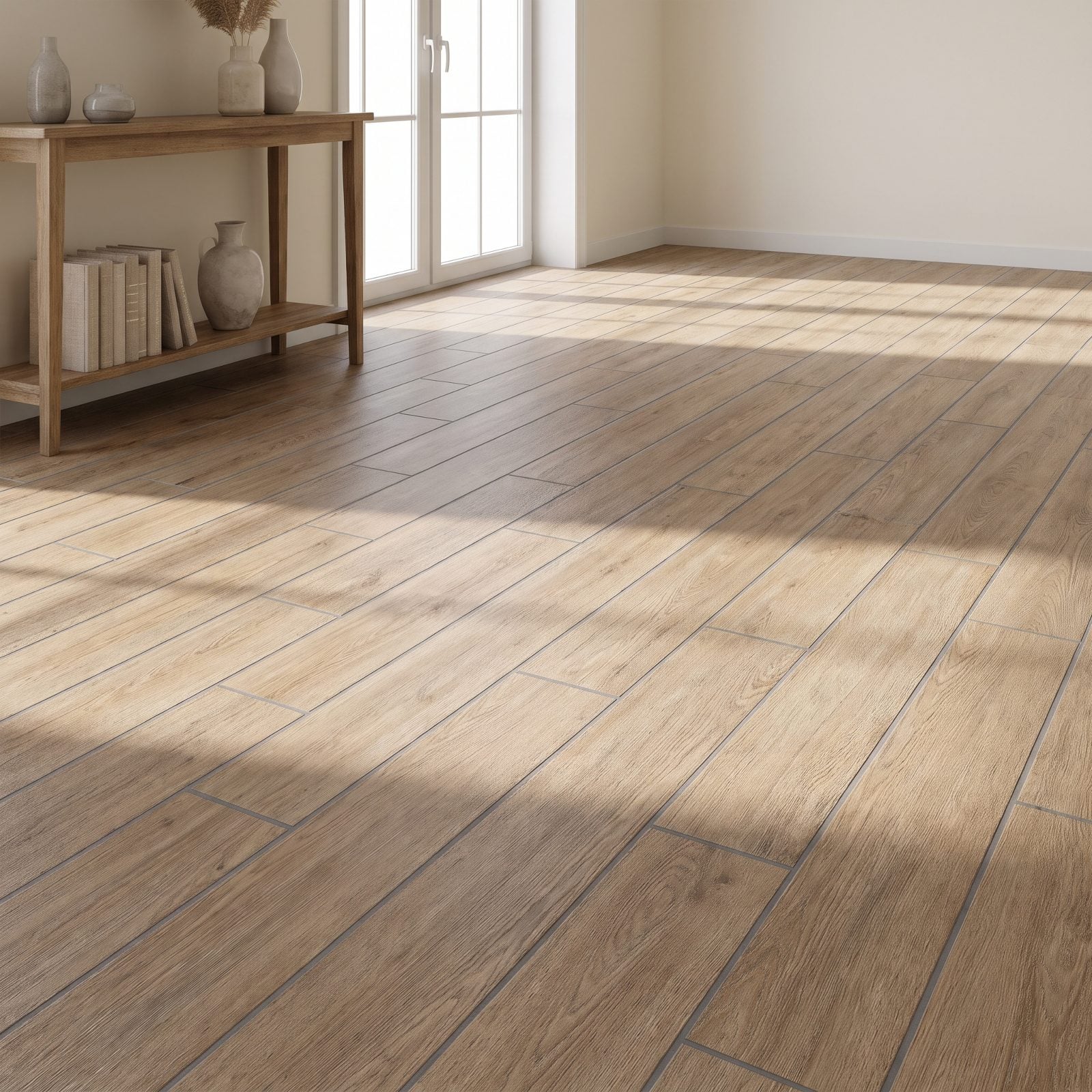
Installers love the durability and flinch at the grout. Wood-look porcelain is close to indestructible, scratchproof, waterproof, and immune to the dog. But you still have grout lines, and grout lines still telegraph that you’re standing on tile pretending to be wood.
The giveaway is the repeat. A twelve-print cycle sounds like a lot until you’ve got 400 square feet and start spotting the same knot over and over. Cold underfoot too, unless you buried heating cable below. For a mudroom it earns its keep, but run it through a whole house and the shine wears off fast.
36. Underrated: Character-Grade Oak Flooring
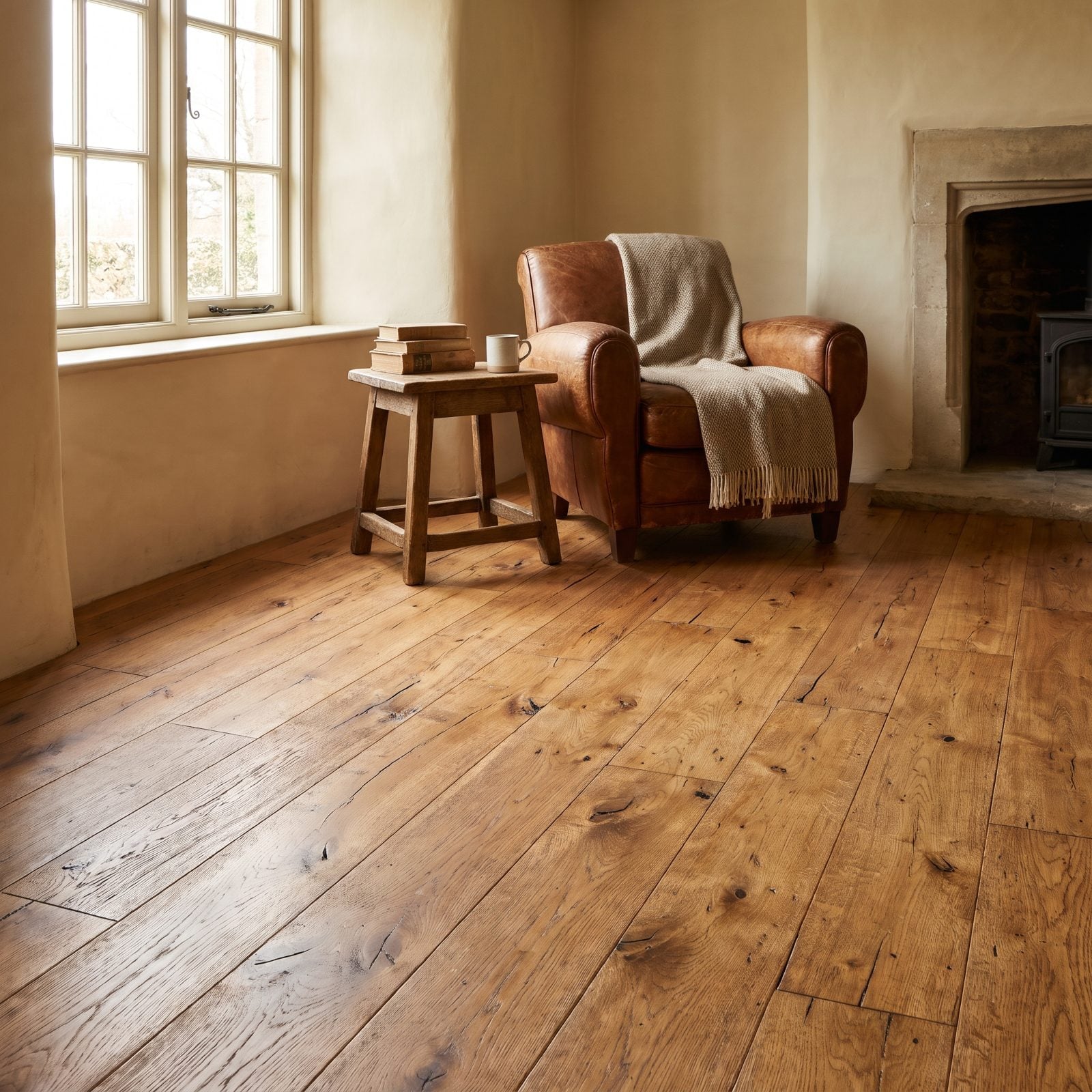
Clear-grade oak is the expensive, knot-free stuff everyone asks for. Character grade is its cheaper, better-looking cousin, and most people walk right past it.
Knots, mineral streaks, the occasional small check. That’s not damage. That’s the tree’s biography, and it hides every future scuff you’ll inflict on it. Drop a cast-iron pan on clear oak and you’ll stare at the dent for the next decade. Drop it on character grade and it vanishes into a story the floor was already telling. It costs less per board foot because the mill can’t sell it as pristine. Their loss.
Clear oak shows every mistake. Character oak absorbs them.
Refinishes forever, lasts a hundred years, and looks more like real floor the older it gets.
35. Overrated: Thin 7-Millimeter Laminate
Cheap, fast, and everywhere. Thin laminate is what builders reach for when the budget’s already spent somewhere you can actually see.
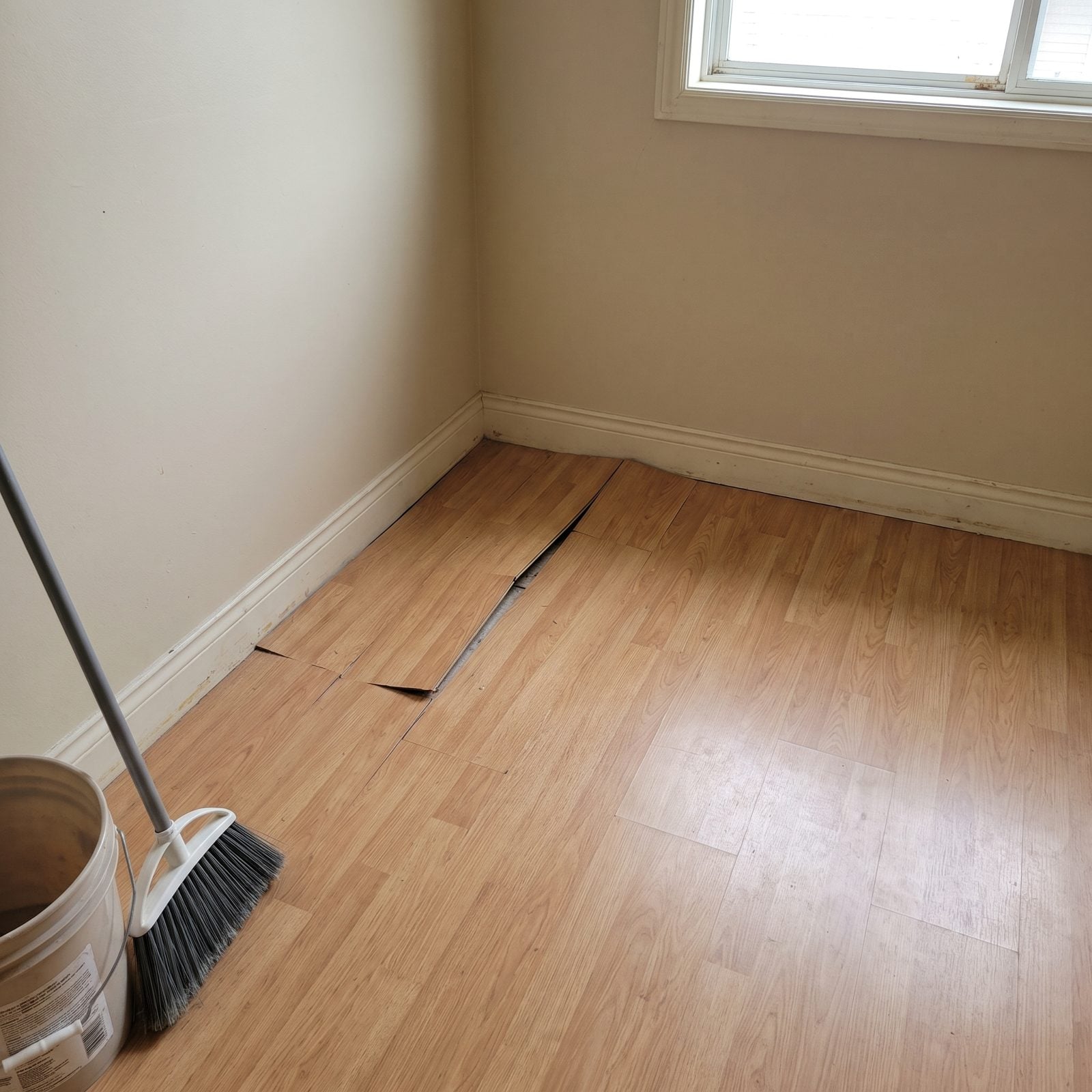
Here’s what nobody mentions at the store: 7mm has almost nothing to lock into. The joints are shallow, so a bit of heat or moisture from a nearby floor vent is enough for a plank to pop out of its lock and bow up off the floor like a loose sheet. Once a plank lifts, you’re stuck, because you can’t sand laminate. Swapping one board means pulling up half the room, assuming you even still have a matching box out in the garage. And it sounds hollow underfoot, that tick-tick nobody warns you about. Buy it for a rental flip. Not for a floor you plan to keep.
34. Overrated: Peel-and-Stick Vinyl Tile
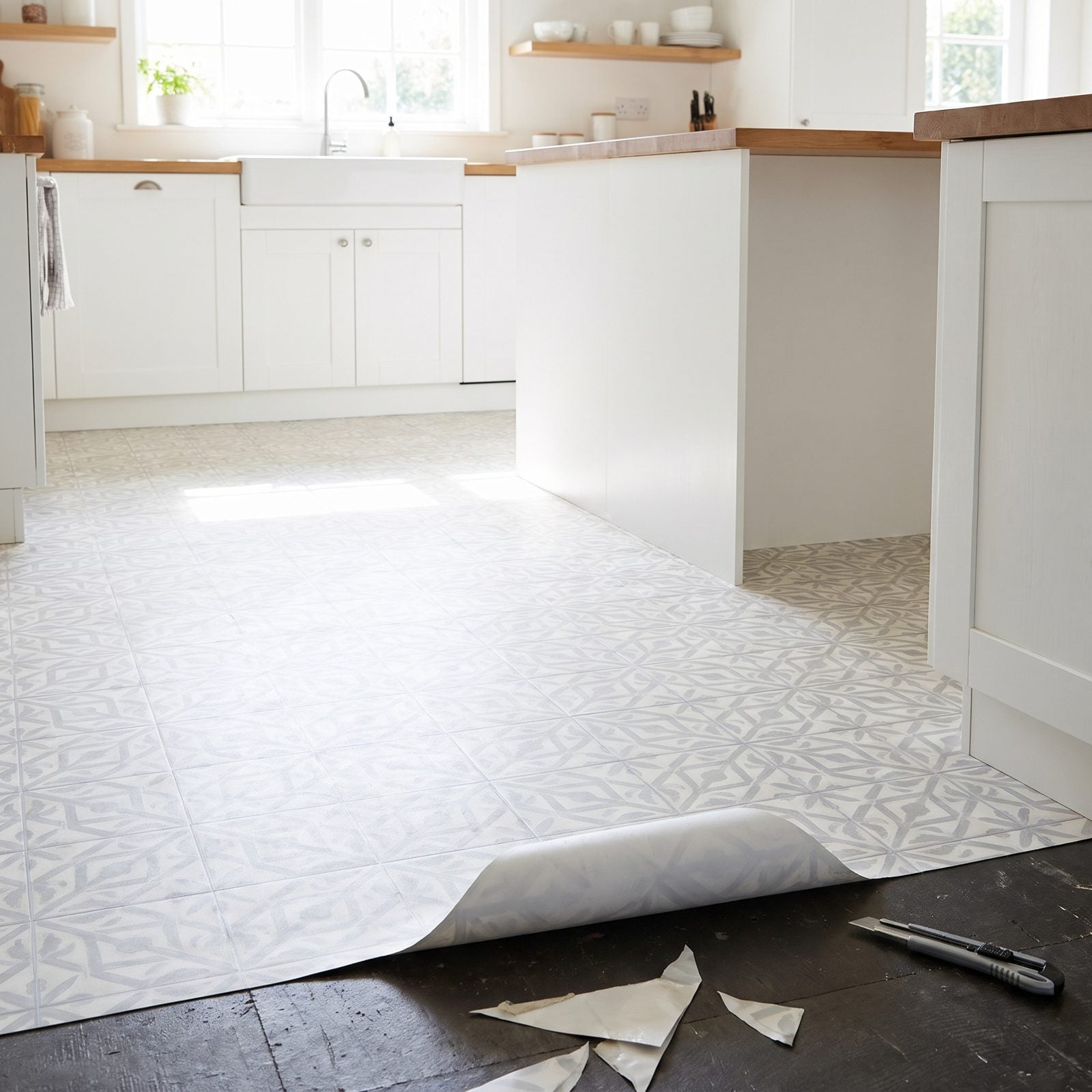
The weekend-warrior darling. Peel, stick, done, and your floor looks new by dinner.
By next summer the edges are lifting. Peel-and-stick lives or dies on the subfloor beneath it, and most subfloors are dustier and less flat than you’d ever guess. The adhesive is pressure-sensitive, which is a polite way of saying it gives up the first time a mop pushes water under an edge. It photographs great and fails quietly, one edge at a time, usually along the kitchen floor where you won’t notice until the whole sheet is curling back off the boards.
33. Overrated: WPC Vinyl Flooring
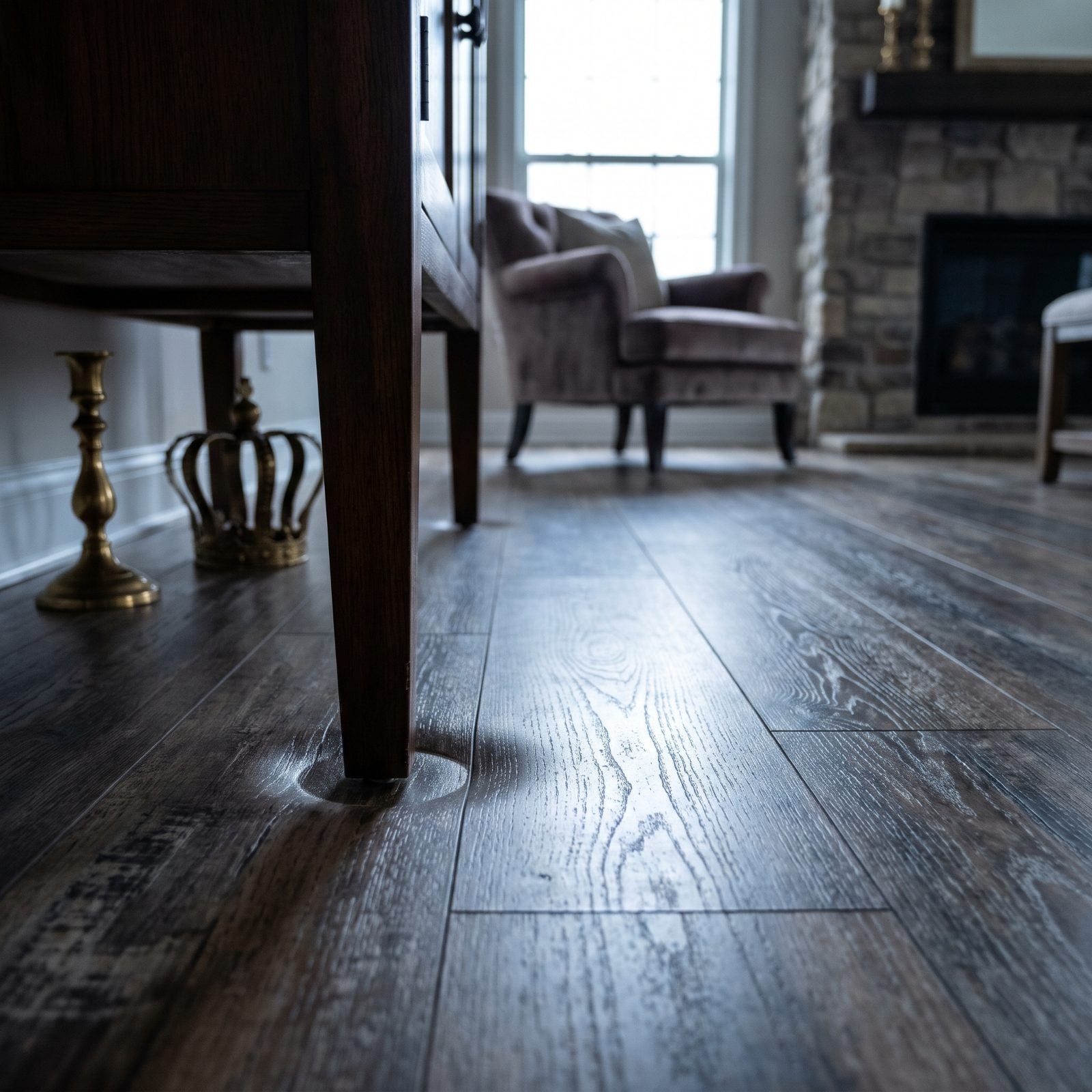
WPC got crowned the premium vinyl. That crown is slipping, and installers saw it coming.
The pitch is comfort. A foamed wood-plastic core feels warmer and softer underfoot than rigid planks, which is genuinely nice in a bedroom. But soft is a liability under weight. Park a loaded bookshelf or a fridge on it and the core compresses into a dent that never springs back. Heat makes it worse. In a sunroom or a conservatory, WPC can expand and buckle where the rigid stuff lies flat. So you’re paying a premium price for the version that handles abuse the worst.
32. Underrated: SPC Rigid-Core Flooring
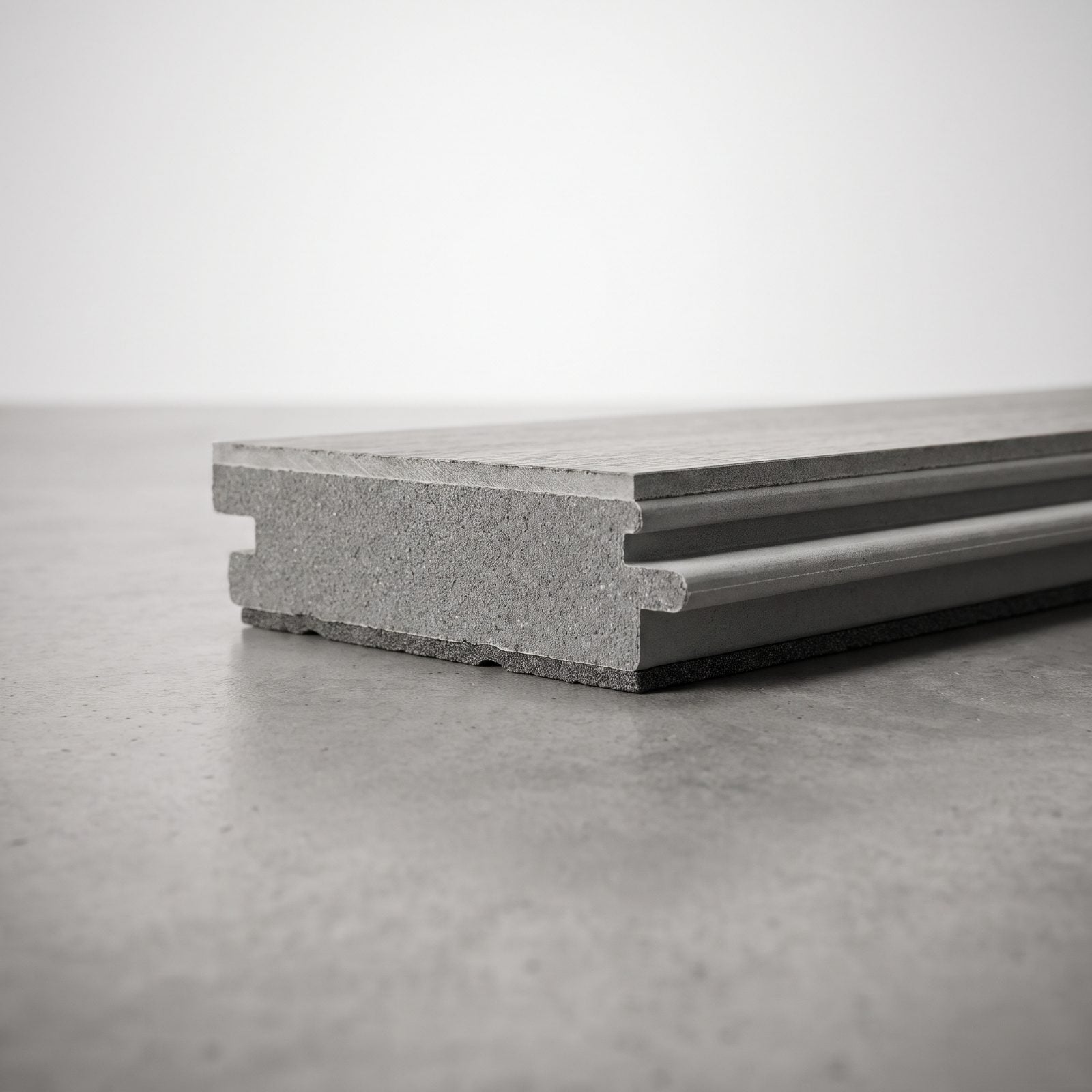
SPC is the quiet professional’s pick, and it keeps getting mistaken for its softer cousin.
That stone-plastic core is dense and rigid, exactly what you want over a subfloor that isn’t perfectly flat. It doesn’t telegraph bumps, doesn’t compress under a fridge, and holds its shape through temperature swings that make WPC pucker. The catch? It feels harder underfoot. That’s the trade, and for a kitchen, hallway, or basement it’s the right one.
31. Overrated: Glossy Prefinished Red Oak
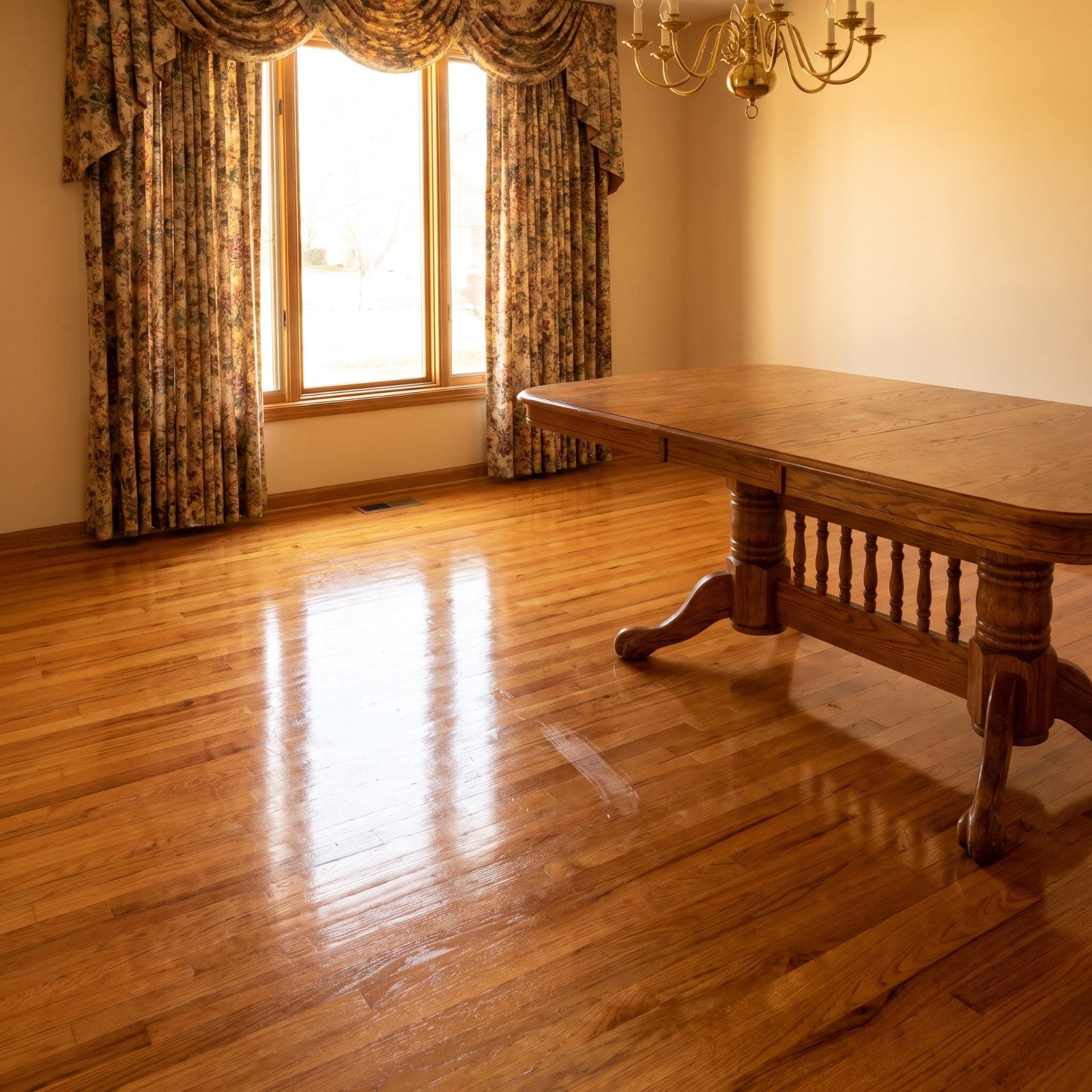
High-gloss red oak was the look of a thousand builder-grade homes. The gloss is what dates it now.
A mirror finish reflects everything, and that means every scratch, every dust bunny, every sock-foot swirl across the room. The shine that sold the sample in the store turns into a maintenance treadmill once you’re living on it. Red oak’s pink undertone fights most modern palettes too, pulling warm and orange under daylight. And those factory bevels between planks trap grit in little V-grooves no vacuum can quite reach. A satin or matte finish on the exact same wood ages ten times more gracefully.
30. Underrated: Natural Cork Flooring
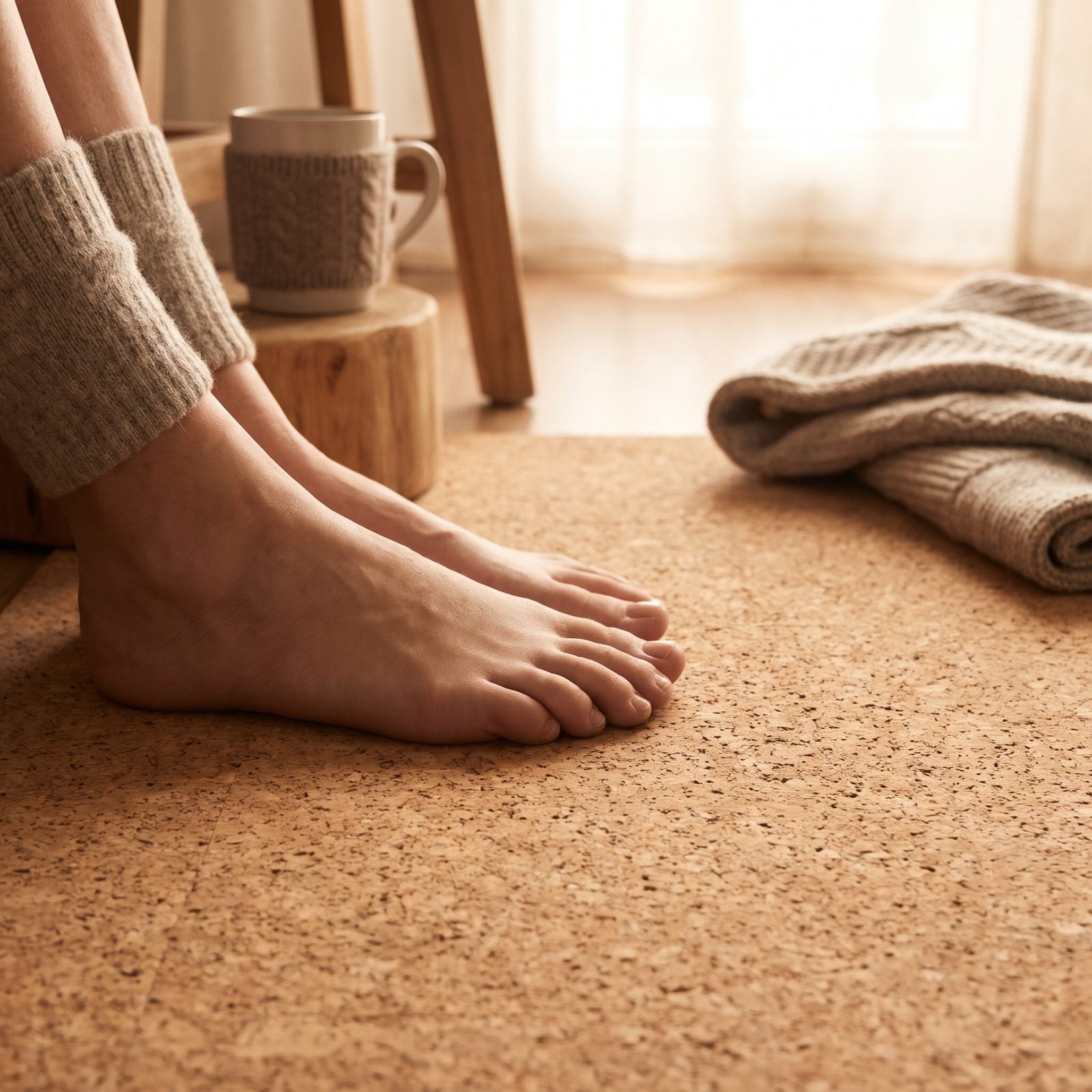
Cork gets filed under “wine stoppers” and nobody gives it a second thought as a floor. Big mistake.
It’s warm underfoot, warmer than any wood, because it’s full of tiny air pockets that also make it soft and quiet. Drop a plate and it bounces instead of shatters. Stand at the counter for an hour and your back notices the give. It’s harvested from bark that grows back, so the tree lives on, and it fends off mold and mildew on its own.
The catch is sunlight, which fades it, and water, which it hates if the seams aren’t sealed. Keep it out of direct afternoon glare and off the bathroom floor, and it quietly outlasts whatever anyone expected of it.
29. Overrated: American Walnut Flooring
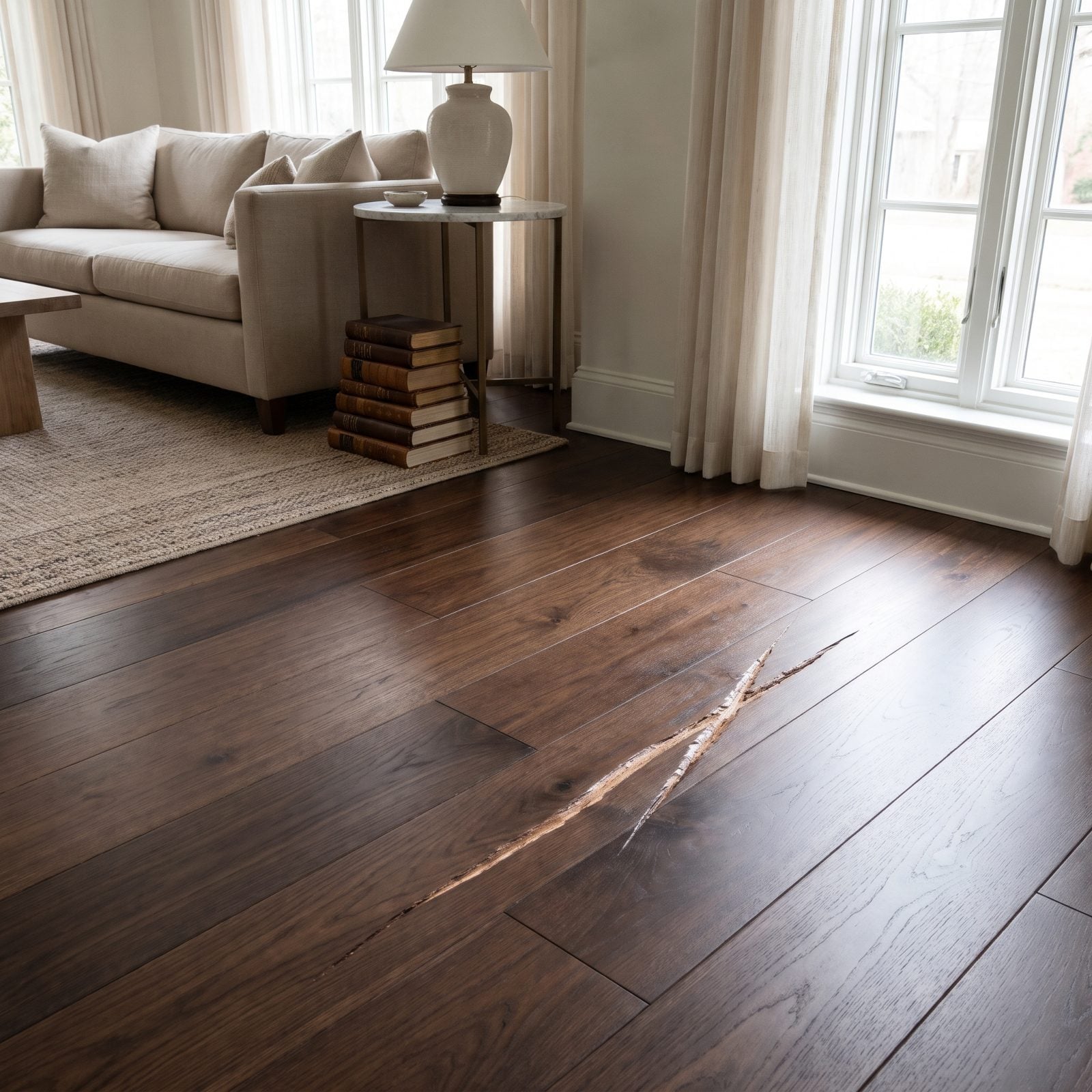
Walnut photographs like a dream and lives like a worry. That deep espresso tone everyone falls for is also the softest of the premium domestic hardwoods, so dog nails, dropped pans, and chair legs all leave a record. Installers rate the look high and the durability middling.
The bigger trap is UV. Walnut lightens over time, so that dramatic dark floor you paid a premium for slowly goes muddy amber near the windows. Pretty for a photo shoot. Harder to love five years in.
28. Underrated: Hard Maple Flooring
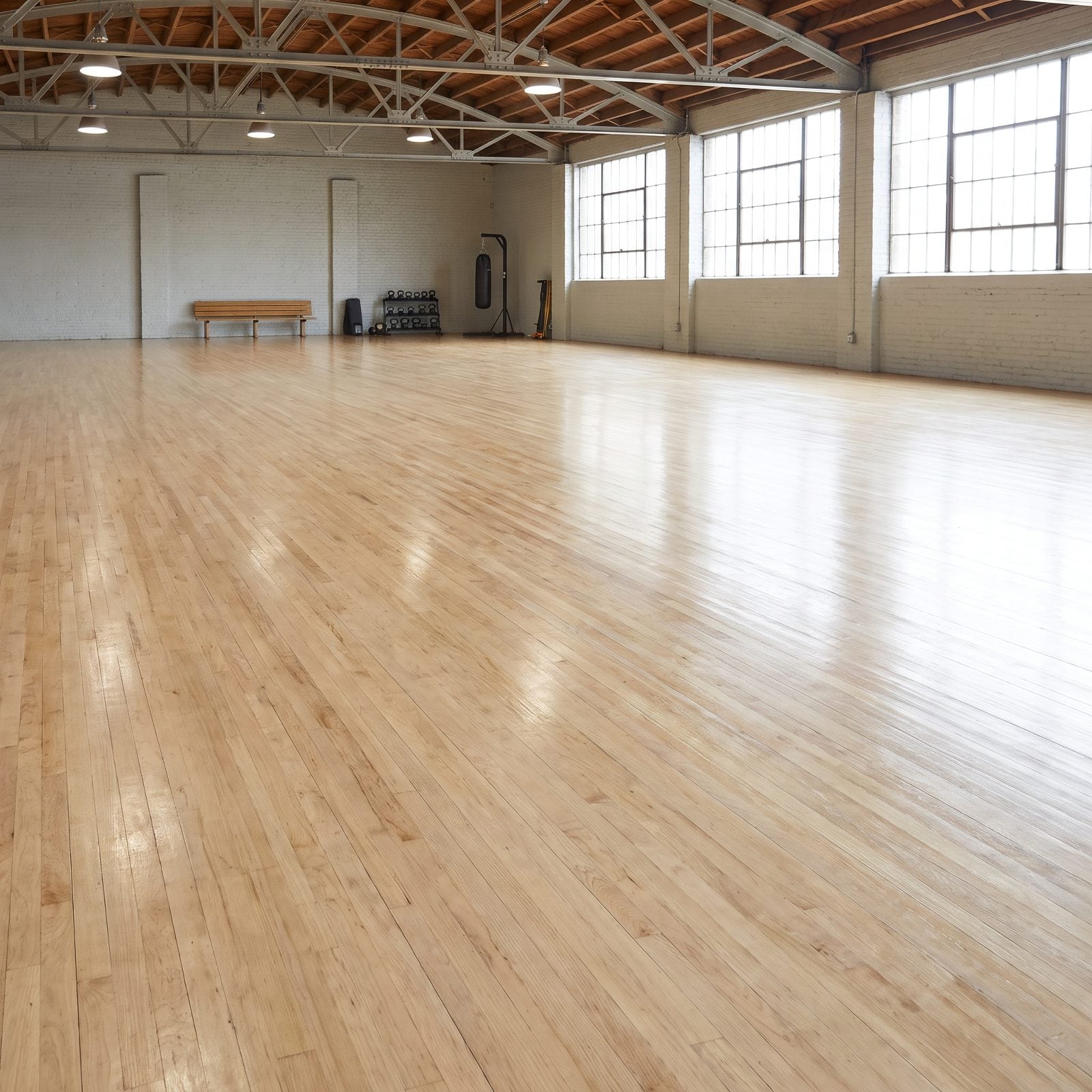
Hard maple is what gets installed under basketball hoops and bowling lanes, which tells you most of what you need to know. One of the hardest domestic species you can buy, it shrugs off the daily beating that dents a softer floor.
The knock against it? Maple can be fussy to stain evenly, so the smart move is keeping it close to natural. A clear coat on blond maple reads clean and modern, and it takes decades of foot traffic without complaint.
27. Overrated: Gray-Washed Hardwood
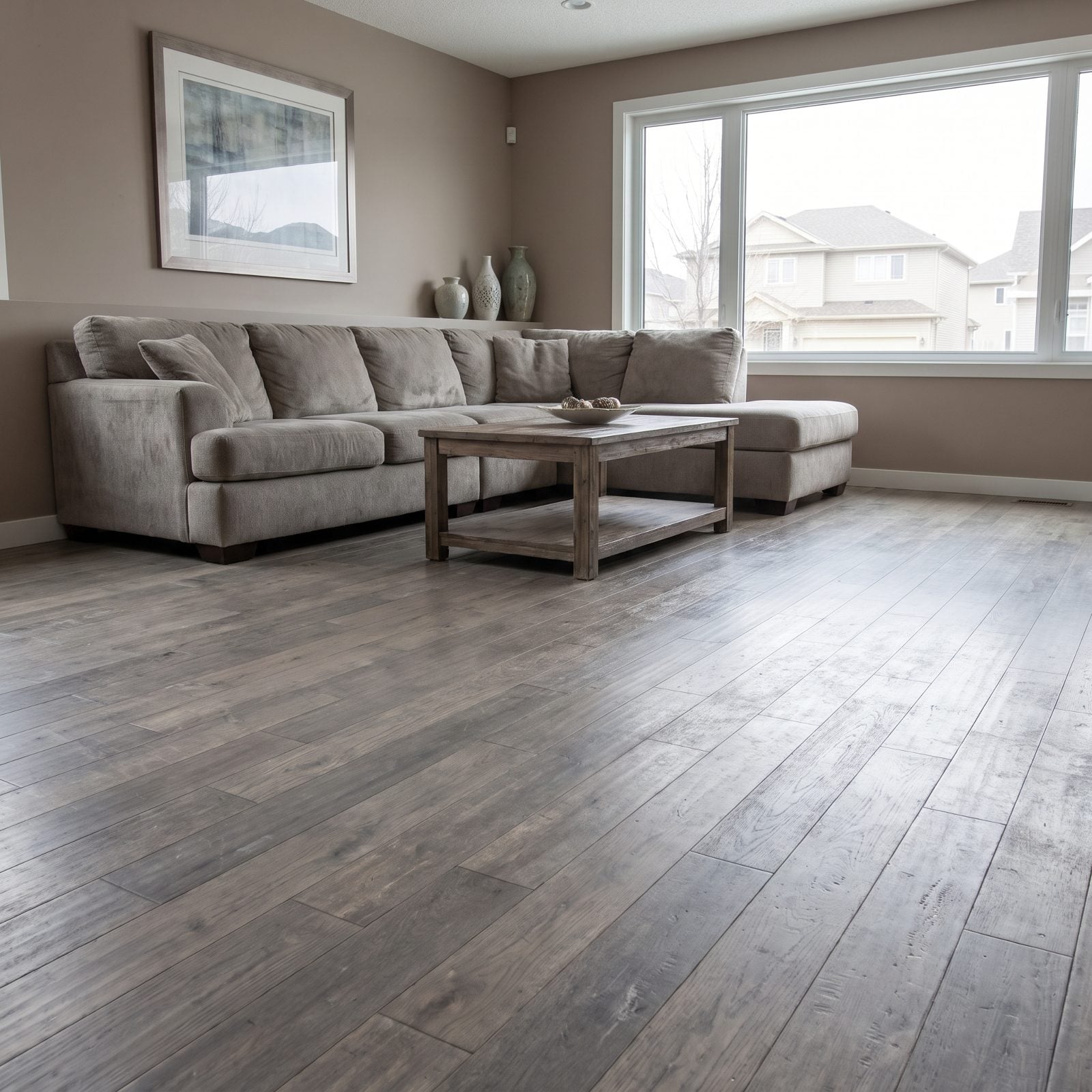
Gray floors were the beige of the 2010s. Everyone did it, and now everyone is quietly living with it.
Installers put this near the bottom for long-term value, and the reason is simple: gray is a mood, not a wood. It reads as a specific decade the way shag reads as the 70s. Worse, the gray wash sits on top of real oak grain, so scratches expose the natural honey tone underneath and announce every scuff in a different color. A floor that fights its own repairs is a floor you’ll grow to resent.
26. Underrated: Domestic Hickory Flooring
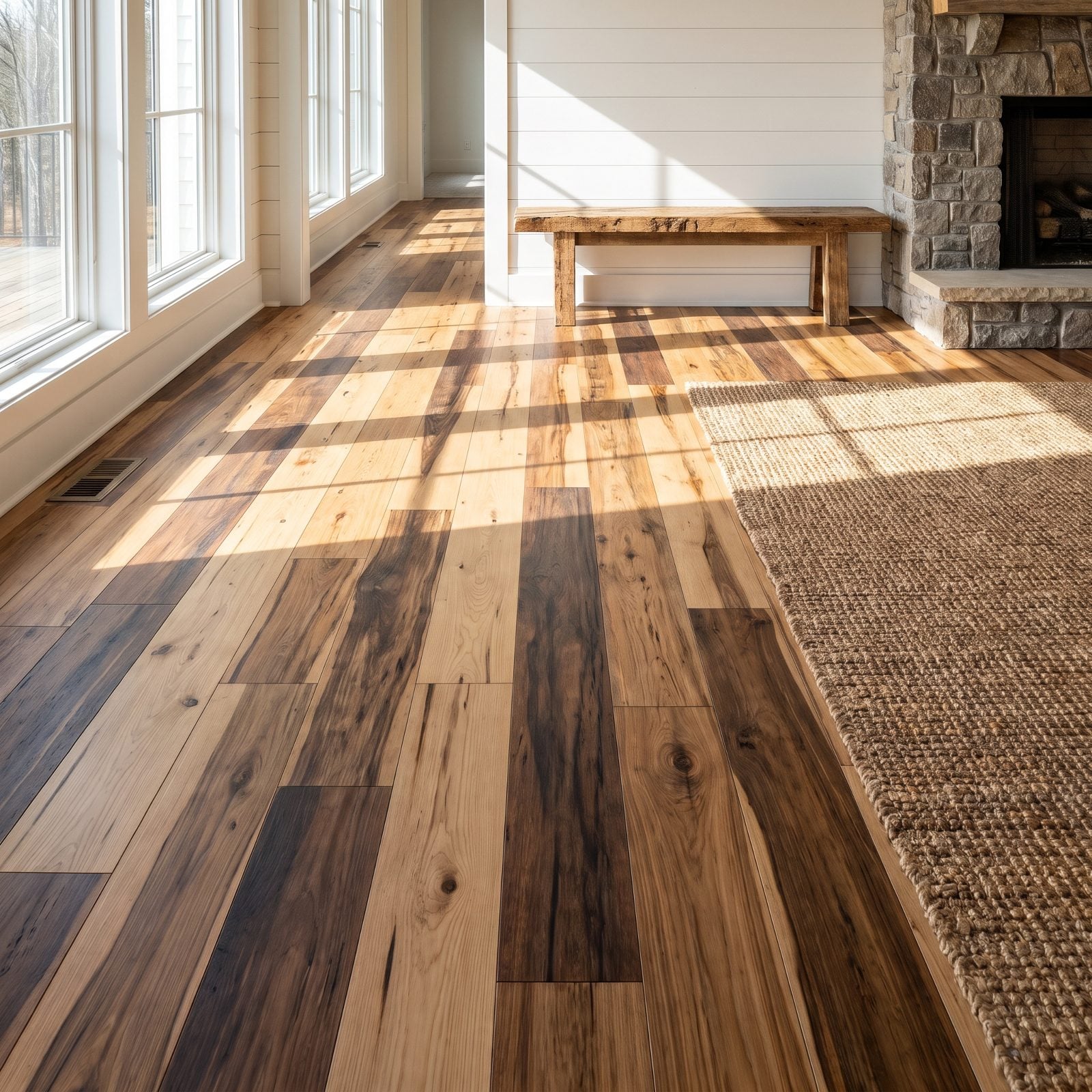
Hickory is the hardest domestic hardwood sold at any real volume, harder than oak, harder than maple. Want a floor that laughs off a dropped cast iron skillet? This is the one.
The wild grain and swing from pale to dark within a single board scares some people off. It shouldn’t. That variation is camouflage, and every ding and crumb disappears into the natural chaos, which makes hickory one of the most forgiving floors in a busy house.
The floors that look busiest are usually the ones that hide the most.
25. Overrated: New Soft-Pine Planks
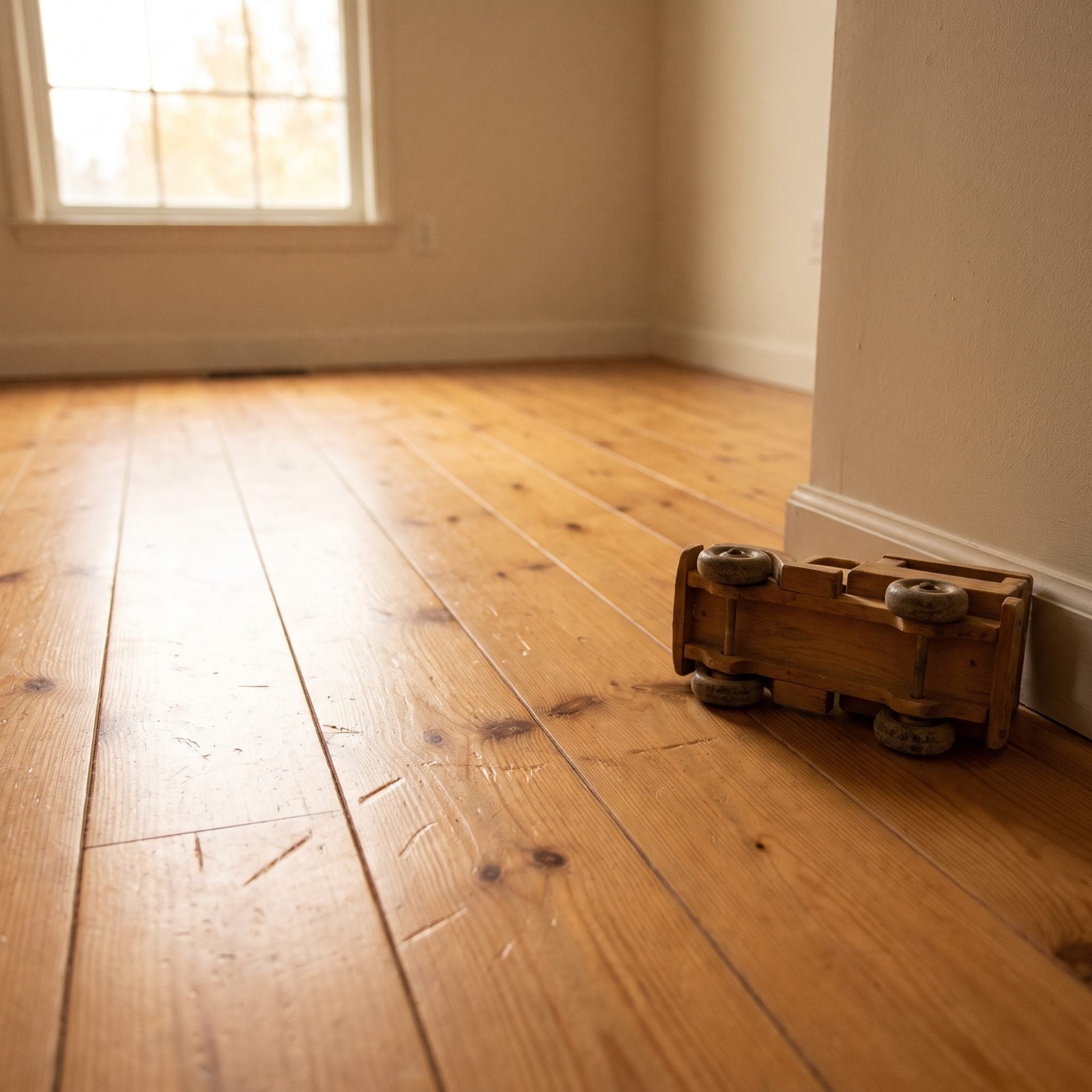
New pine is cheap, warm, and dents if you look at it funny.
I get the appeal. Fresh pine has that honey glow and a farmhouse honesty at a fraction of oak’s price. But installers rank new soft pine low on durability because you can leave a thumbprint in it. Drop a toy, drag a chair, set down a heavy planter, and the floor keeps the memory forever.
Here’s the twist. Pine that’s a hundred years old is gorgeous. New pine just hasn’t earned its scars yet, and the wait is rough on the floor.
24. Underrated: Reclaimed Heart Pine
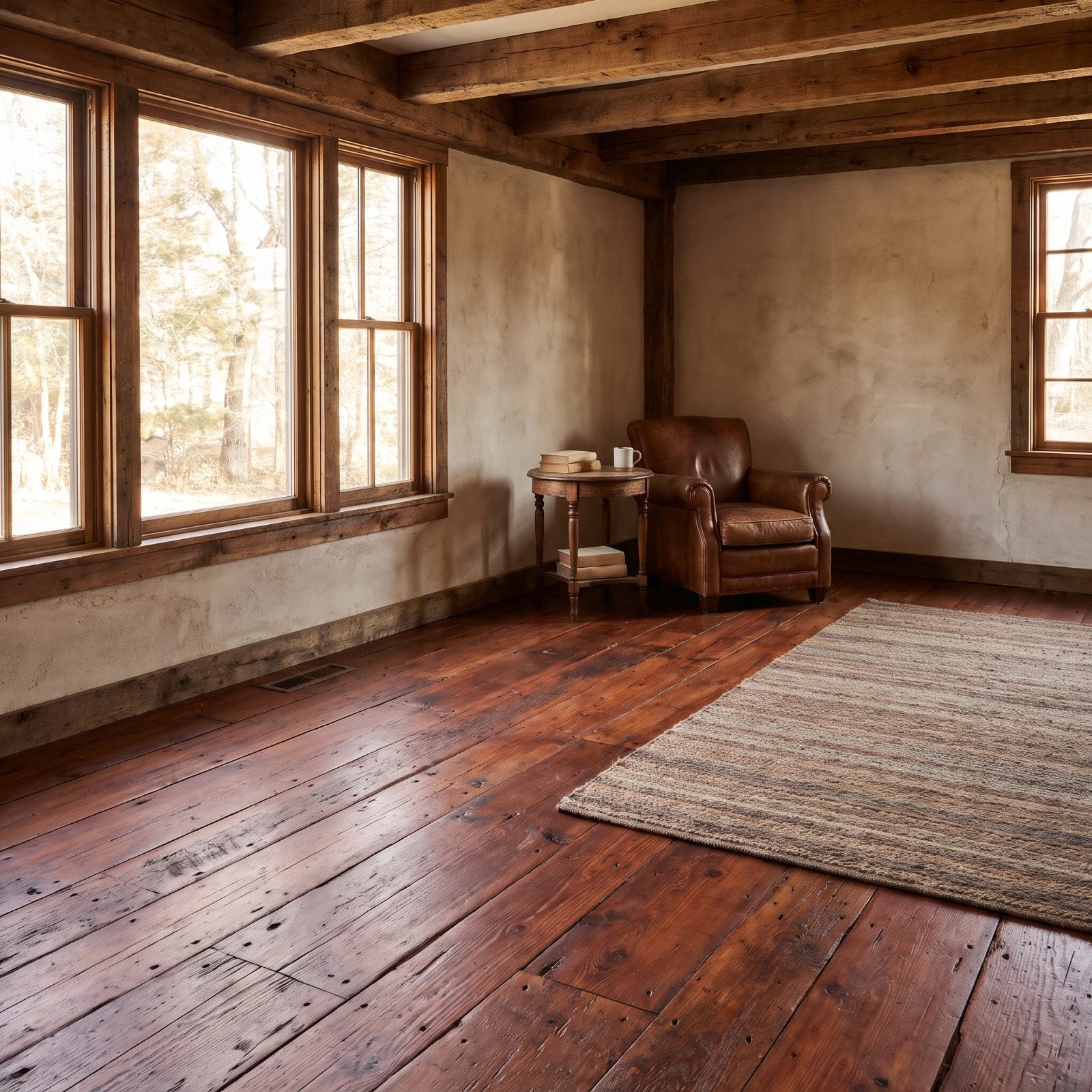
Everything wrong with new pine, time fixed.
Reclaimed heart pine comes out of old factories and barns, cut from trees that grew slow for two centuries before anyone touched them. That slow growth packed the rings tight, and tight rings mean a pine that’s hard, dense, and nothing like the soft stuff at the lumberyard.
The patina is the real draw. You can’t buy nail holes and worn edges that read as a century of actual life — you have to inherit them. Installers love it for value because a well-laid reclaimed floor is a permanent fixture, not a finish you’ll be replacing.
23. Underrated: Finger-Block Parquet
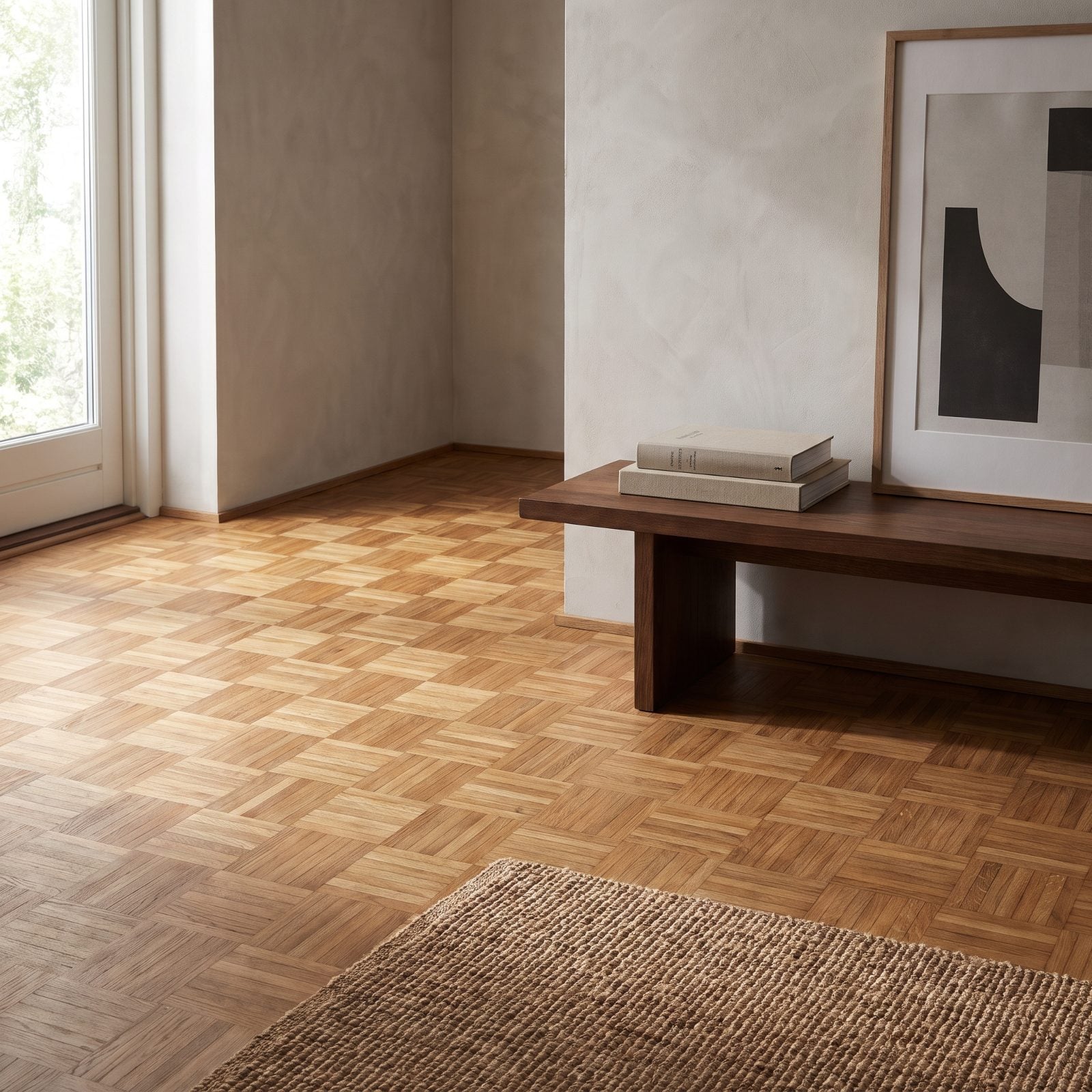
Parquet got filed under “grandmother’s dining room” and left there unfairly. The finger-block pattern is making a quiet return, and the people who install it rate it high for one sneaky reason.
The blocks are small and the grain runs in every direction, so light hits each one differently. The floor shimmers as you move across it, and that same multidirectional grain lets you pop and replace a single damaged block without redoing the whole floor.
22. Overrated: Encaustic Cement Tile
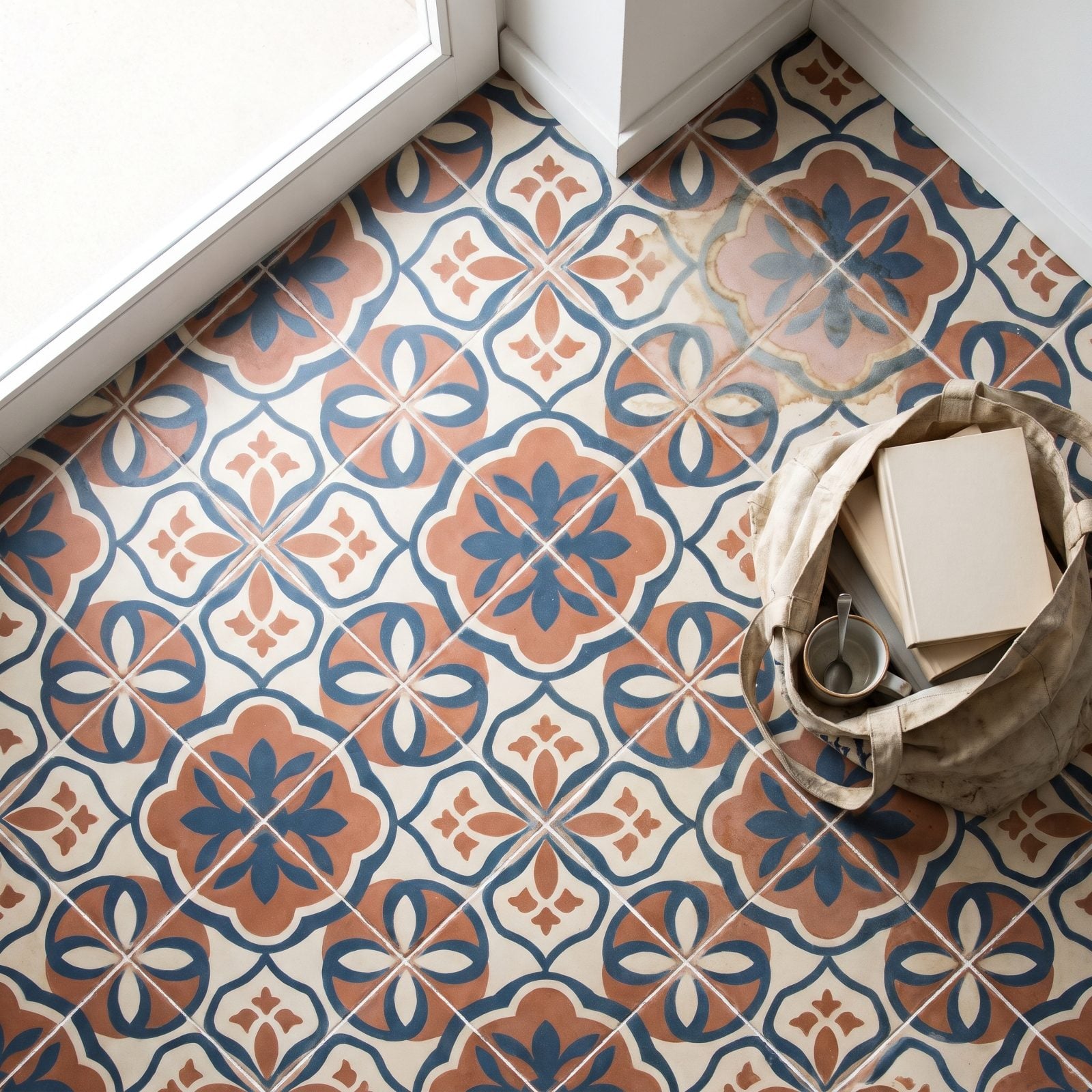
Those Instagram-famous patterned floors come with homework nobody mentions in the photo caption.
Real encaustic cement tile is made of pigmented cement, not fired clay, so it’s porous and thirsty. Out of the box it needs sealing. Then it needs resealing. A splash of red wine or a greasy pan drip can stain it permanently if you’re slow with a rag, and the matte surface etches under acidic cleaners.
Beautiful? No argument. But installers flag it as a high-maintenance choice that punishes a casual household, and most of us run a casual household.
21. Underrated: Encaustic-Look Ceramic Tile
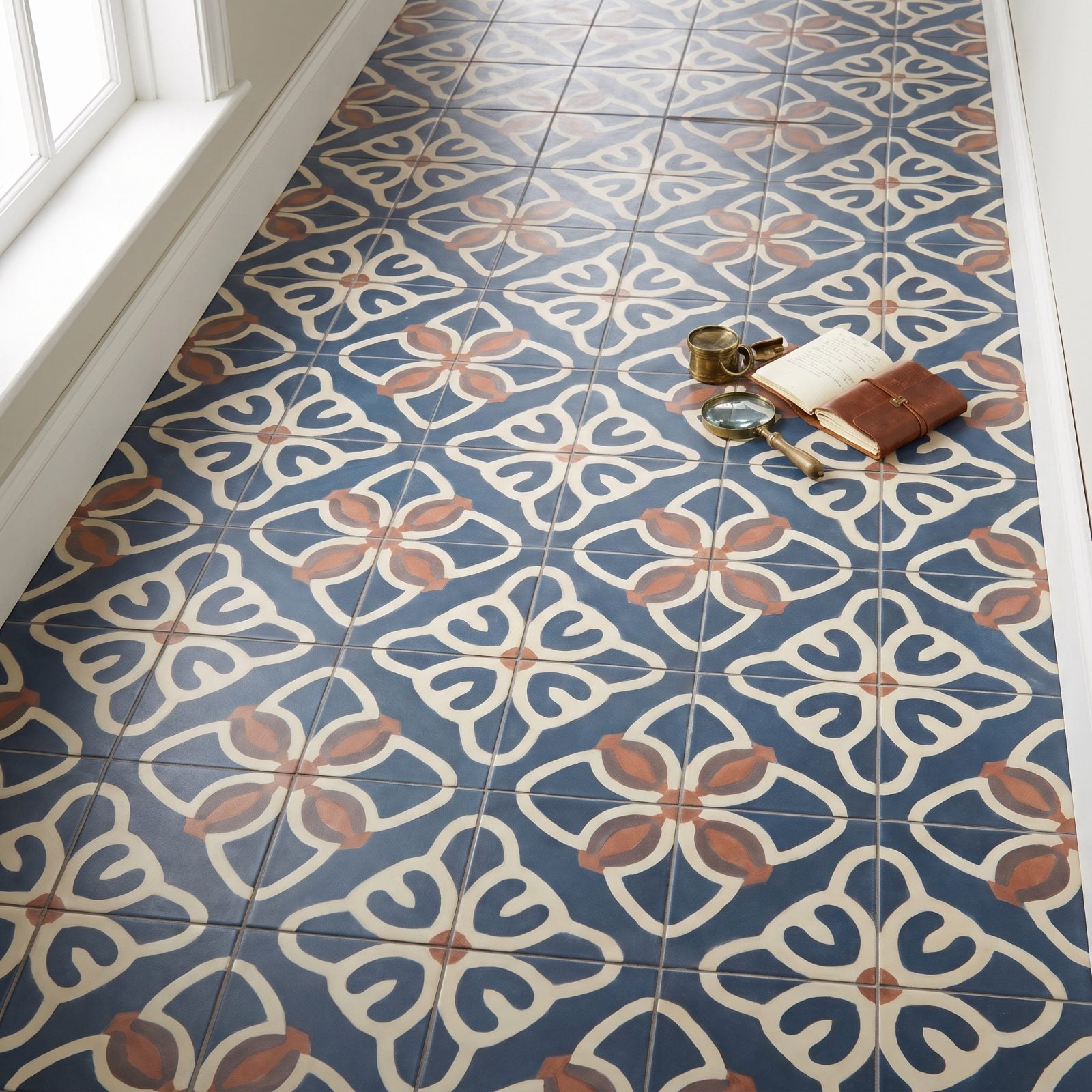
All the pattern, none of the panic.
Ceramic or porcelain tile printed to mimic encaustic cement gives you the same graphic floor without the sealing ritual or the stain anxiety. The pattern is baked into a glazed, fired tile that wipes clean with a damp mop and shrugs off red wine, grease, and the acidic cleaners that would wreck the real thing.
20. Overrated: Tumbled Travertine
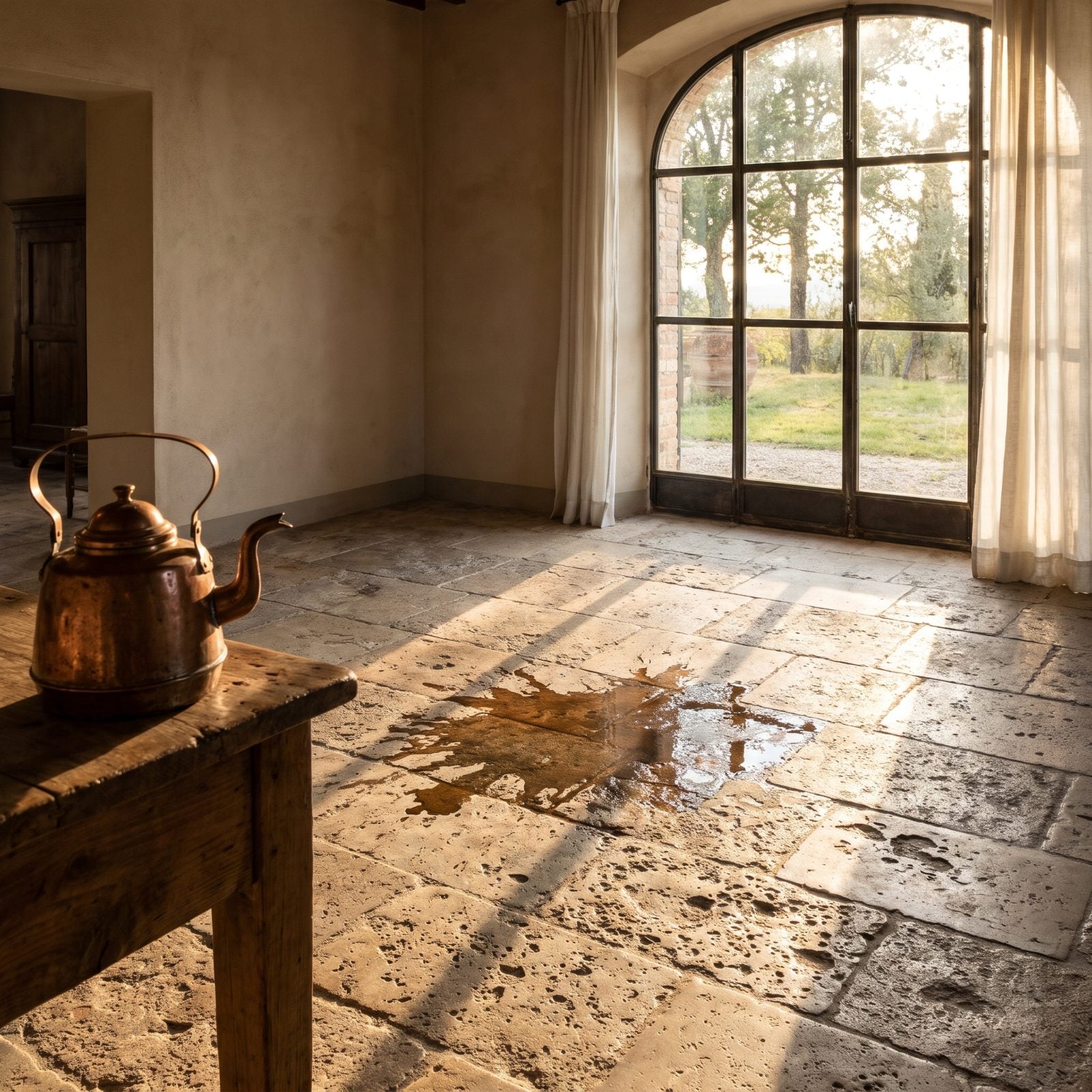
Travertine looks like it was quarried from a Tuscan hillside, and that romance covers a lot of real problems.
The stone is naturally full of holes. Tumbled and honed, those pits get filled at the factory, but the fillers pop out over time and leave little craters that collect grit and look grubby. It’s a soft stone too, so it etches the moment lemon juice or a splash of vinegar hits it. Sealing helps, but you’re back on the ladder every year or two.
Installers rank the look warmly and the upkeep coldly. Want stone that behaves? Porcelain copies travertine almost perfectly now and never asks for a refill.
19. Overrated: Soft Limestone Tile
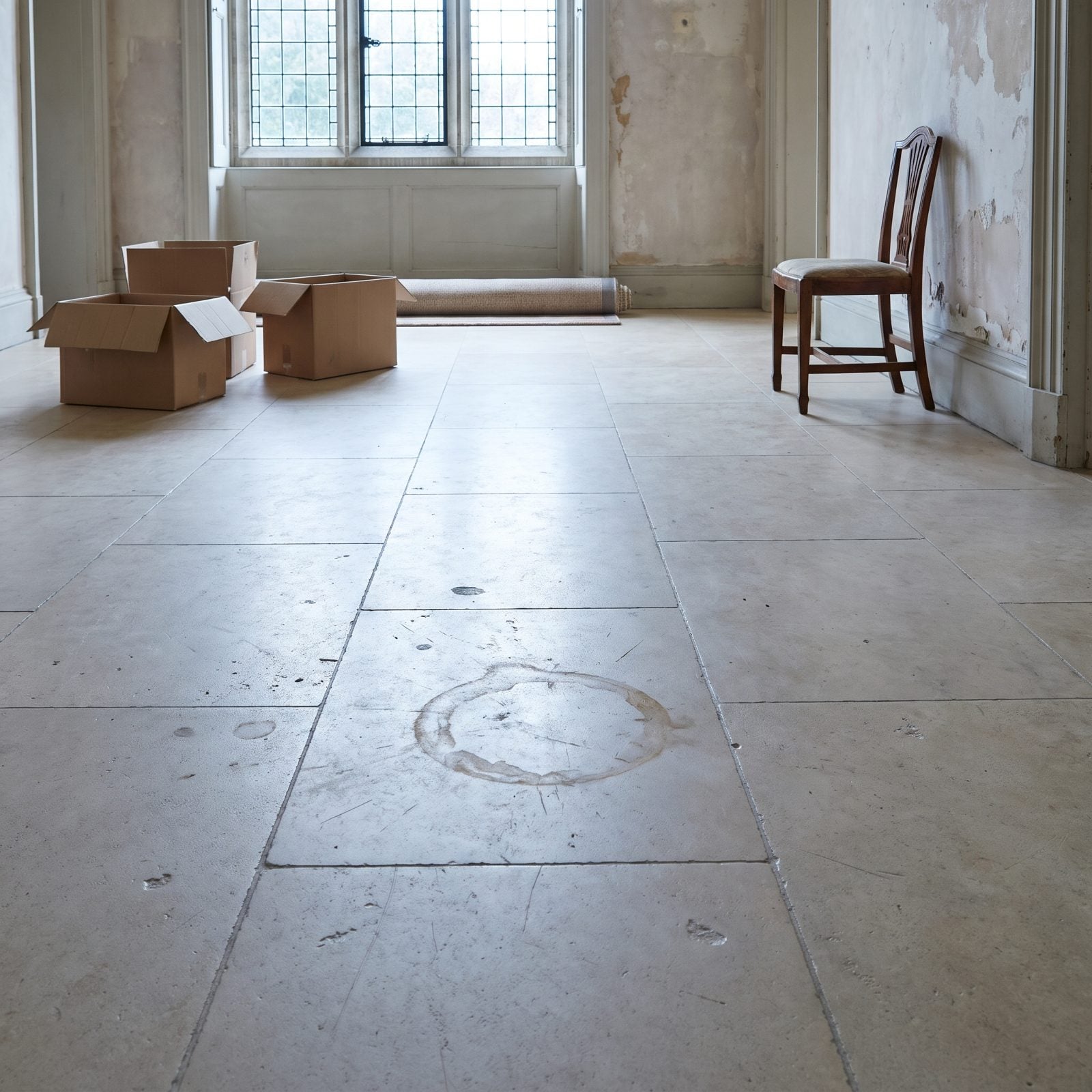
Limestone photographs like a dream and lives like a liability. Installers put it near the top of the regret pile for one reason: it’s soft, and soft stone surrenders. A dropped pan, a dragged chair, a splash of lemon juice near the sink — every one leaves a mark you can’t buff out.
The cream-and-fossil look is real and lovely. But that matte surface etches the moment anything acidic touches it, and the traffic path dulls within a year or two. Sealing helps, sure. It doesn’t cure the softness underneath.
18. Underrated: Flamed Granite Tile
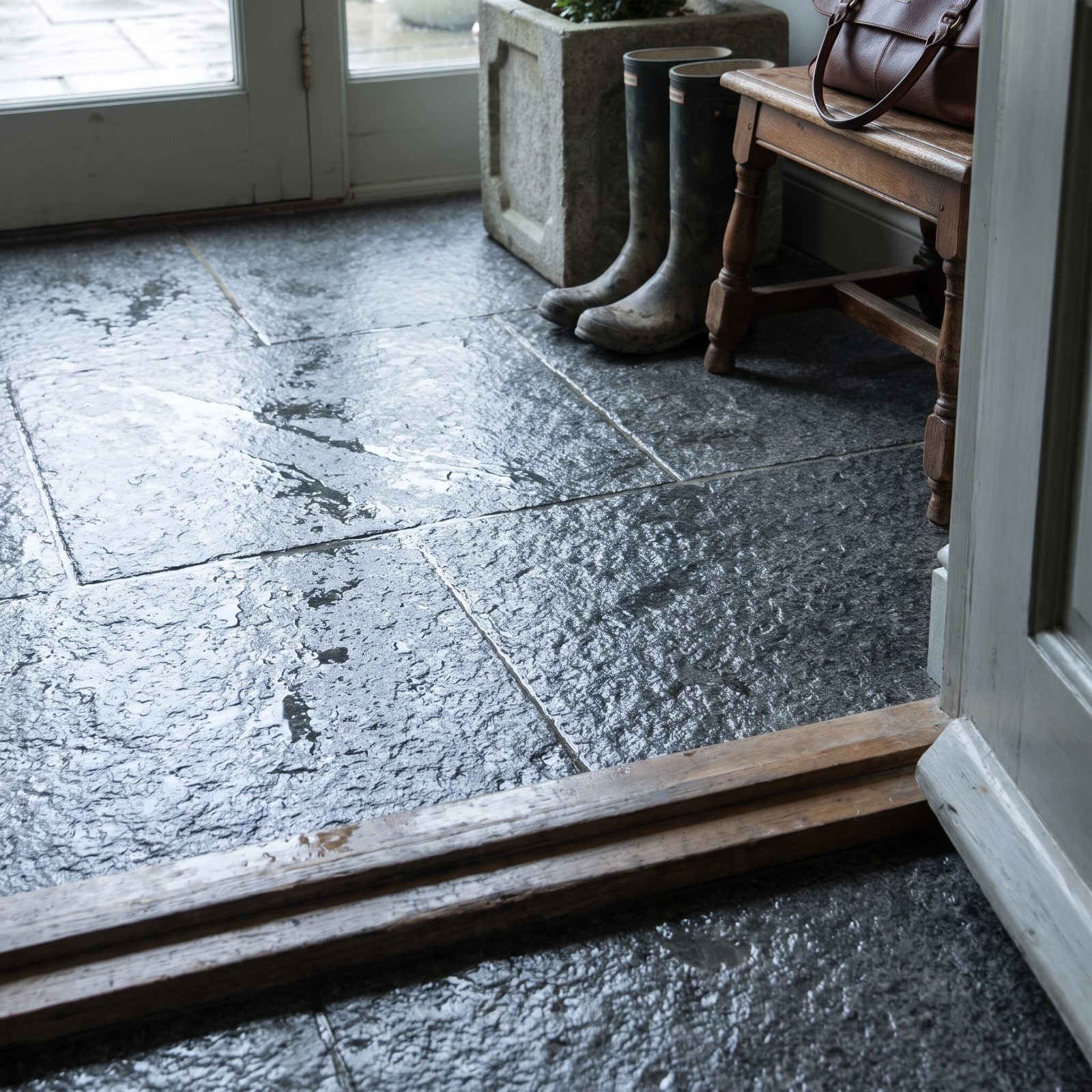
Ask an installer what they’d put in a wet entry and flamed granite comes up fast. That rough, almost pitted surface is deliberate. Blast the stone with high heat, the crystals pop, and you’re left with a grip that doesn’t turn into a skating rink the second someone tracks in rain.
It’s nearly indestructible and hides dirt like a champ, and the charcoal flecking has more depth than any printed porcelain pretending to be stone. So why is it underused? Because people picture granite as a shiny countertop and never think to flame it and drop it on the floor.
17. Underrated: Traditional Quarry Tile
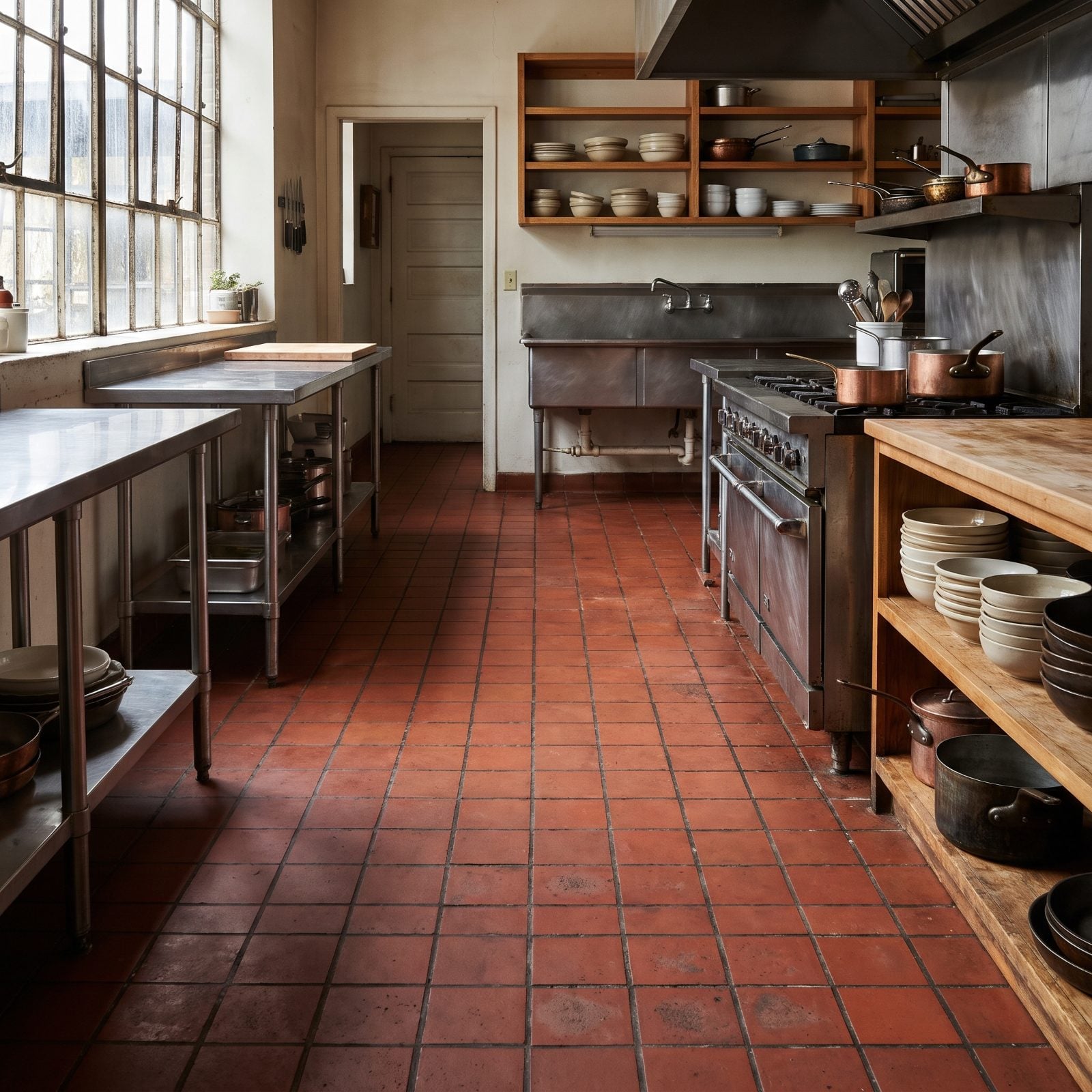
Quarry tile has been holding up restaurant kitchens for a century. That’s the whole argument.
It’s dense, unglazed, naturally slip-resistant, and cheap next to almost anything with the same toughness. The brick-red clay color is baked all the way through, so a chip shows more of the same color instead of a pale scar. I’ve seen quarry floors in old bakeries that took fifty years of dropped sheet pans and still look right. The one knock? The color range is limited — earth tones, and that’s about it. For a working kitchen, that’s not a flaw. That’s exactly what you want.
16. Underrated: Handmade Terracotta Tile
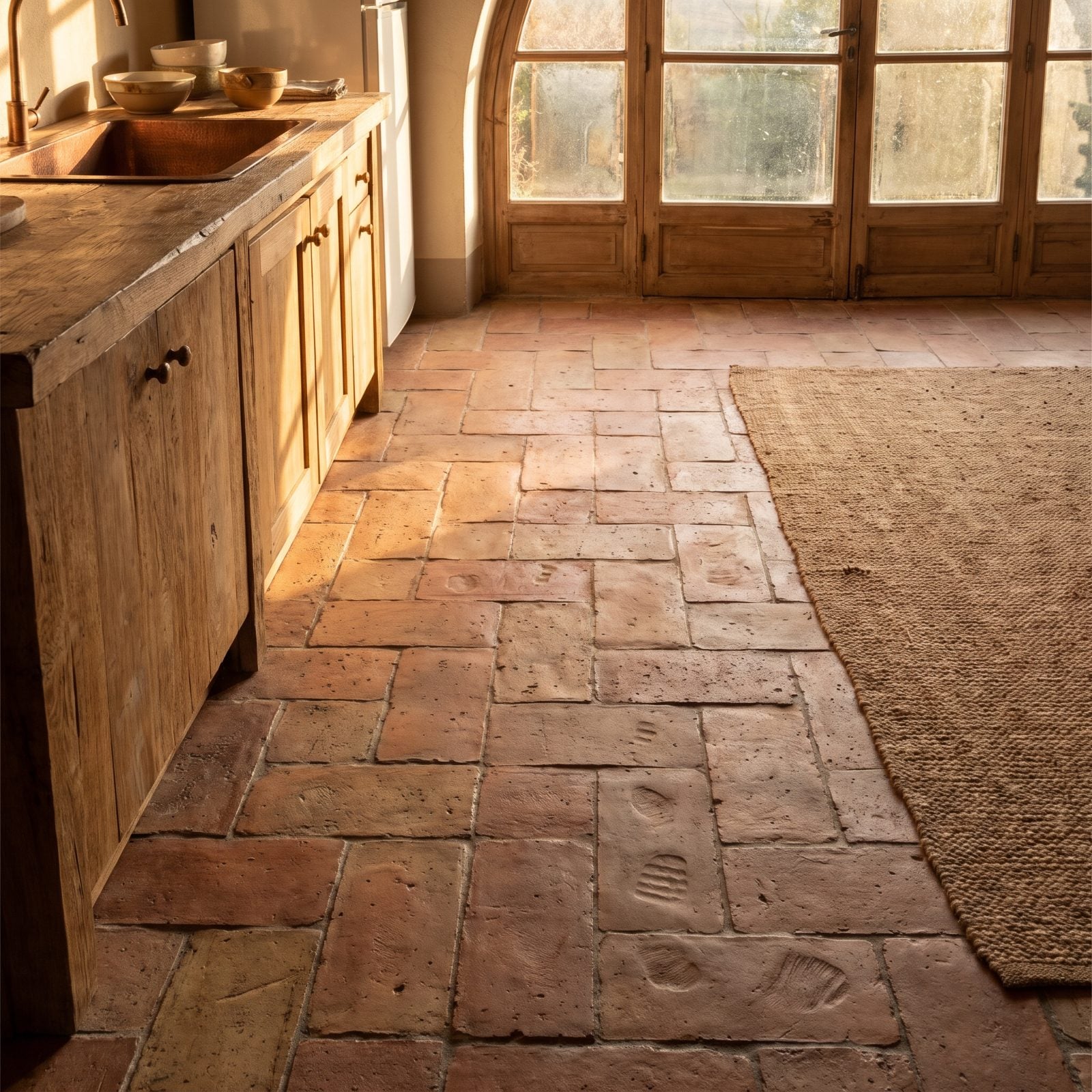
Every tile is slightly different, and that’s exactly what you’re paying for. Handmade terracotta carries the fingerprints of how it was made: irregular edges, a size that drifts a little, color that wanders from peach to burnt sienna across a single floor.
Machine-made tile tries to fake this with printed variation and never lands the same way. Real terracotta ages into a patina that gets better, not worse — the opposite of how most flooring behaves.
15. Underrated: Through-Body Porcelain Tile
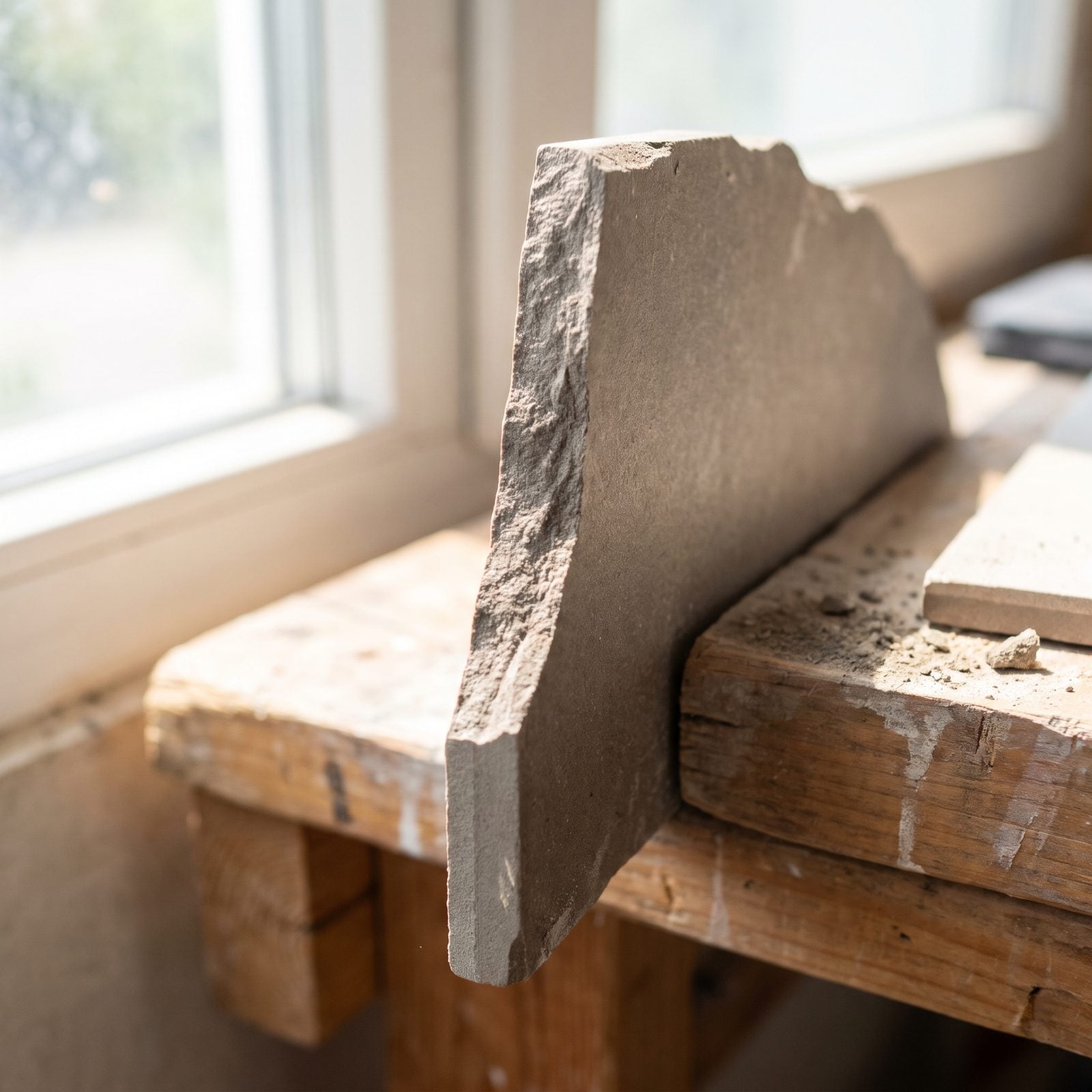
Here’s the detail that sells installers on through-body porcelain: chip the edge and you see the same color underneath. No white biscuit peeking through. The color runs clear to the bottom, which is why it doesn’t announce every bump and scuff the way glazed tile does.
Add large-format sizing and a matte concrete finish and you get a floor that looks continuous, wears like iron, and shrugs off freeze-thaw, stains, and heavy furniture. Plenty of people assume all porcelain is basically the same. It isn’t. Through-body is the one to ask for when the floor’s going to take a beating and you still want it looking flat and modern a decade from now.
14. Overrated: High-Gloss Polished Concrete
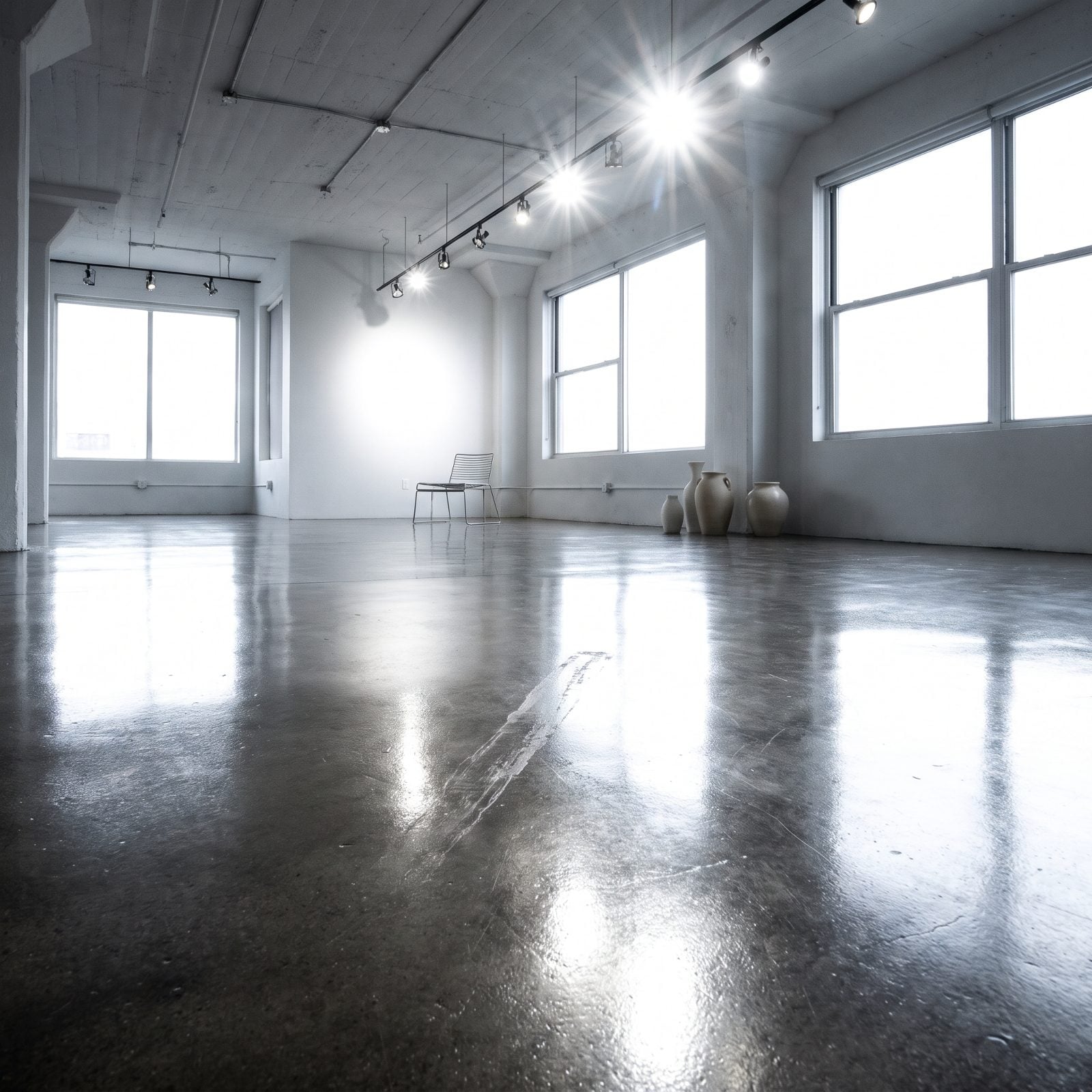
Everyone wants the mirror finish until they live on it.
High-gloss polished concrete looks sharp in a magazine and shows every scratch, swirl, and dropped crumb in person. That wet-look sheen is a magnet for foot traffic marks, and once the shine wears thin in the walking lanes you’re looking at a re-polish — dust, noise, and a specialist’s day rate.
It’s slippery when wet, too, and cold underfoot all year. The slab itself is great. The high-gloss top coat is the part people regret. There’s a quieter version of this floor that fixes nearly all of it, and it happens to be next on the list.
In our Hot or Not photo matchups, pictures featuring concrete won fewer of their head-to-head contests than expected, 37% against an expected 47%.
13. Underrated: Matte Stained Concrete
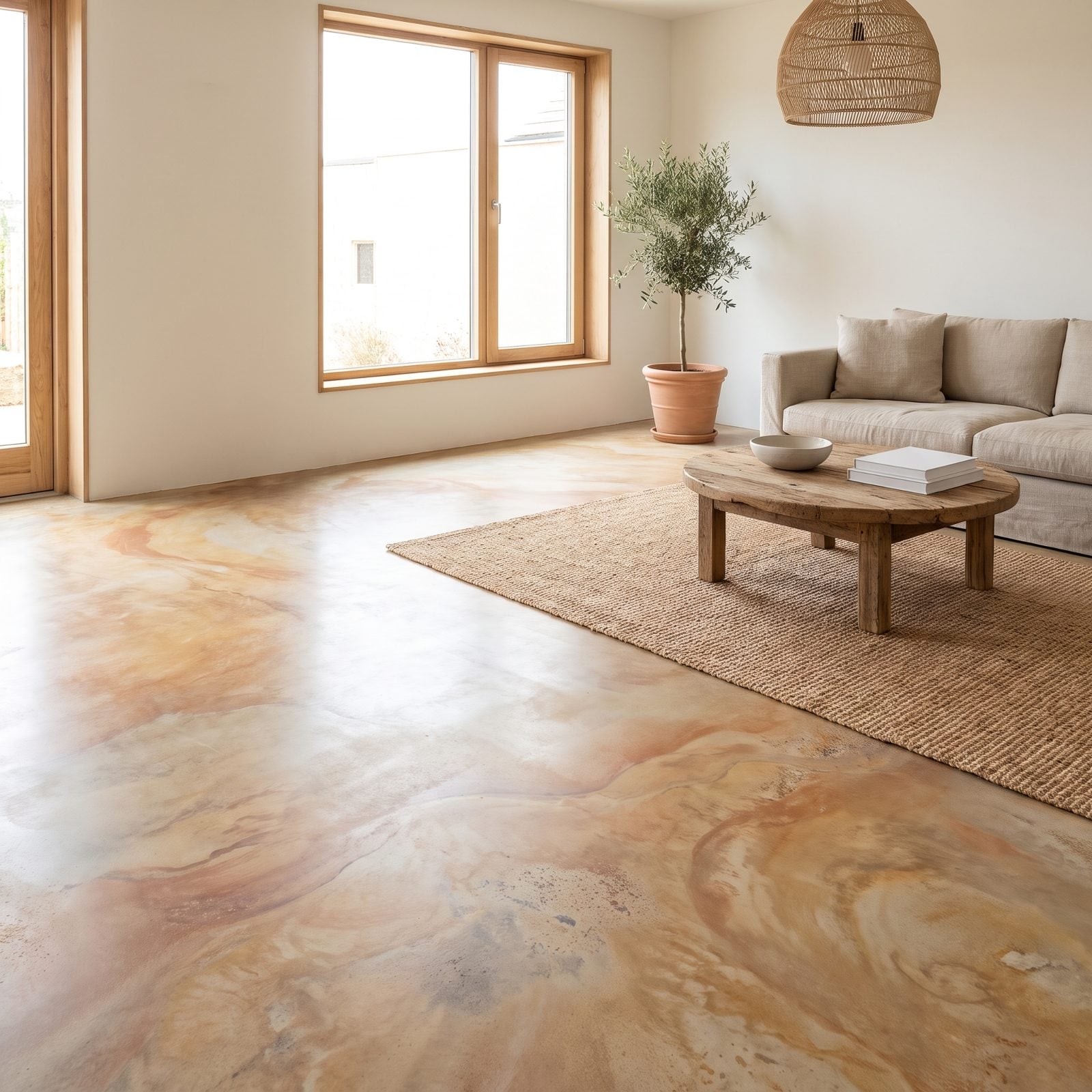
Same slab, different finish, completely different experience. Acid-stained concrete sealed matte gives you the organic, mottled color depth high-gloss can only dream about, and it hides what gloss broadcasts.
Scratches and traffic lanes disappear into the matte sheen and the variegated staining. The acid reacts with the concrete chemically, so the color is permanent and translucent, pooling into caramel and rust clouds no two floors share. It feels warmer underfoot, it’s less slippery, and when it does need attention you re-seal instead of re-grind. For the money, there isn’t a tougher floor that also looks this custom.
12. Overrated: Metallic Epoxy Flooring
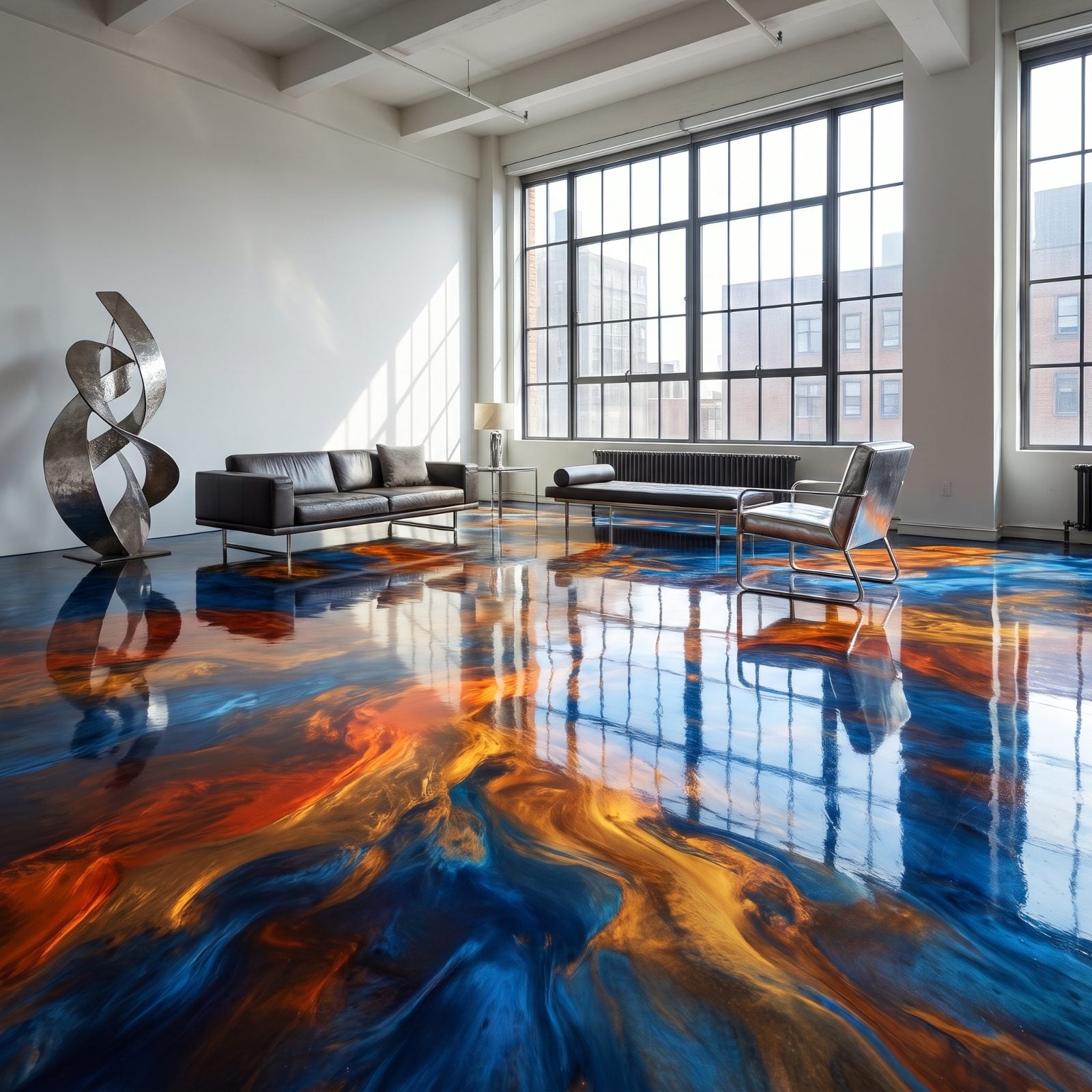
Metallic epoxy is the floor equivalent of a loud sports car: a thrill for a year, a lot to live with after.
Those molten-metal swirls photograph like crazy and sell a lot of garage conversions. In a real room, that glossy surface scratches, hazes, and yellows under UV, and the dramatic pattern that felt bold on day one starts to feel like a decision you made in a hurry. Repairs almost never blend, because no two pours match. Installers will do it if you insist. Most of them wouldn’t put it in their own house.
11. Underrated: Flake Epoxy Garage Flooring
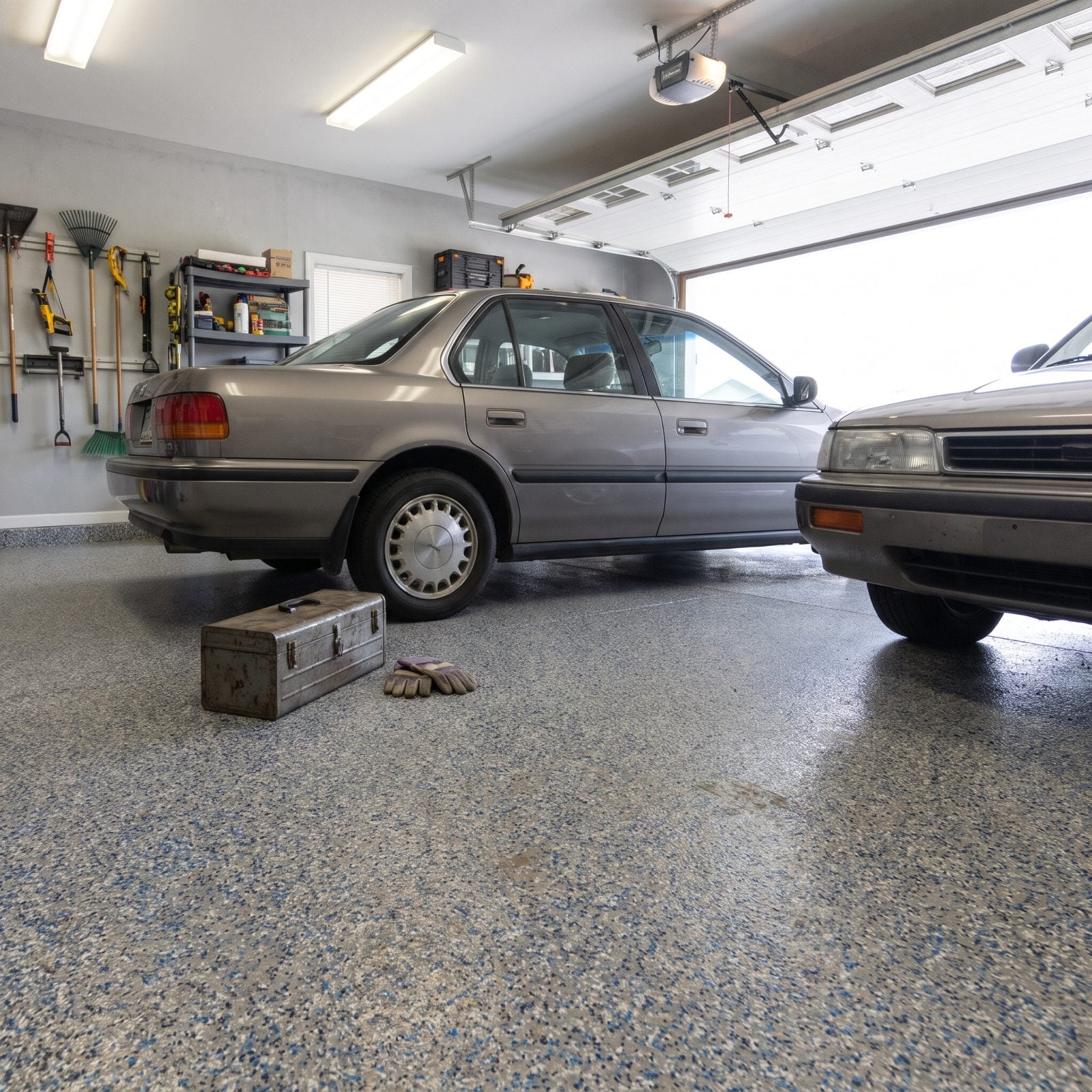
The speckled garage floor nobody respects is pulling more weight than almost any floor in the house.
Flake epoxy — the full broadcast kind with a clear topcoat — hides dirt, tire marks, oil drips, and dropped wrenches better than anything near the price. The flakes add grip and texture so it isn’t slick, and they camouflage wear instead of highlighting it. Hot tires, road salt, a jack stand dropped mid-job? It takes all of it without complaint. People blow big budgets on metallic epoxy chasing looks and skip the version that actually lasts.
10. Underrated: Interior Brick-Paver Flooring
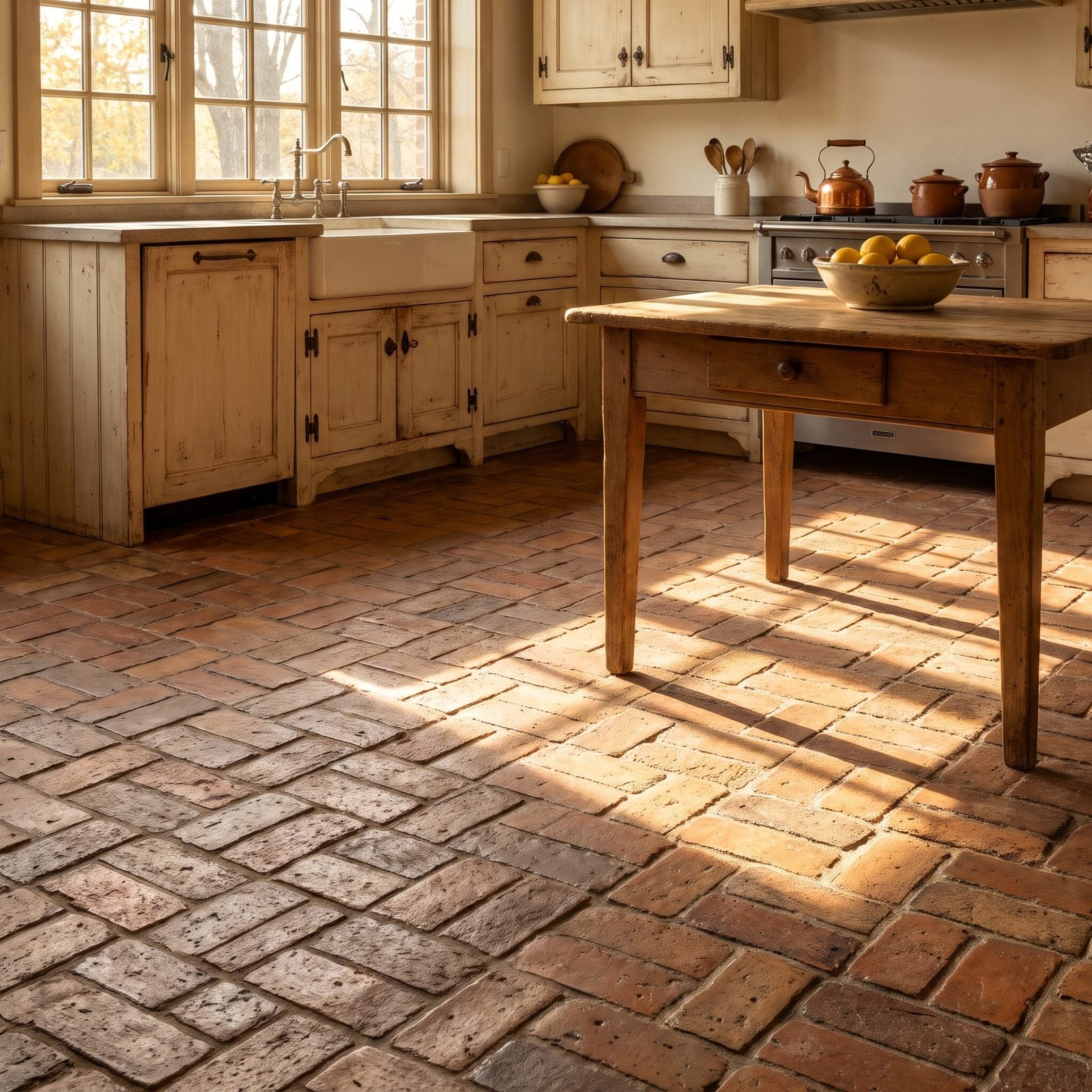
Thin brick pavers brought indoors are one of the most honest floors you can lay, and almost nobody thinks to use them inside.
Laid in herringbone and sealed, they bring real color variation, genuine texture underfoot, and a warmth that printed tile keeps trying and failing to copy. Chip one and it still looks like brick, because it is. They take abuse, they hide it, and the pattern does the decorating for you.
I’ll admit the installation is fussier than click-together anything, and the floor sits proud, so transitions need planning. But a herringbone brick floor in a sunroom or entry reads like it’s been there a hundred years on the day it’s finished. Few floors pull that off.
9. Seamless Rubber Sheet Flooring: The Dark Horse Installers Keep Quiet About
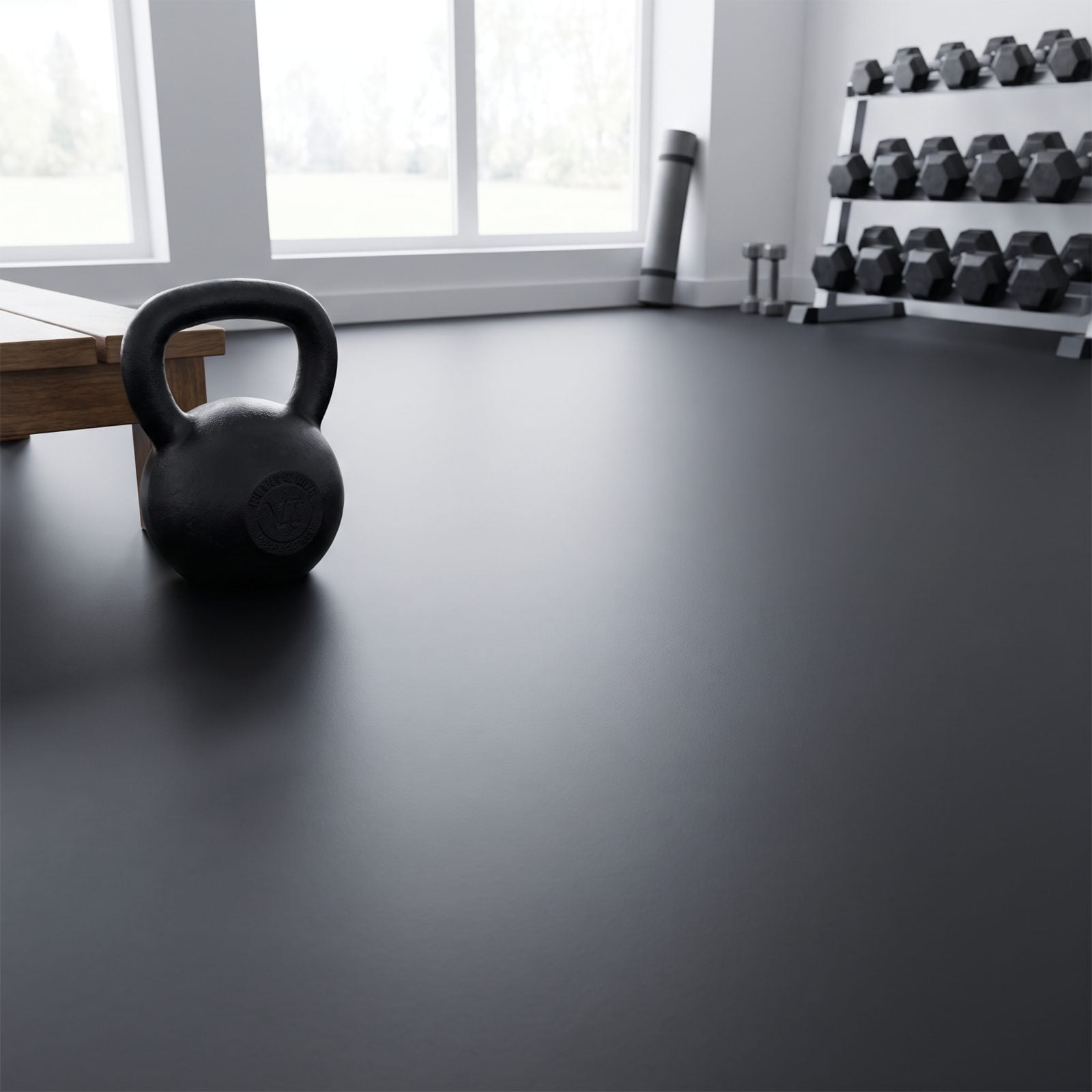
Ask an installer what they’d put in their own gym, laundry, or kids’ playroom and rubber sheet comes up more than you’d expect. It shrugs off a dropped dumbbell, a spilled drink, and a decade of abuse, and because the seams are welded, water goes nowhere.
The catch is the subfloor. It has to be dead flat, because rubber telegraphs every lump underneath like a sheet pulled over gravel. Prep it right and the stuff outlasts almost everything else in the house.
8. Vinyl Composition Tile: The School-Hallway Floor That Deserves a Second Look
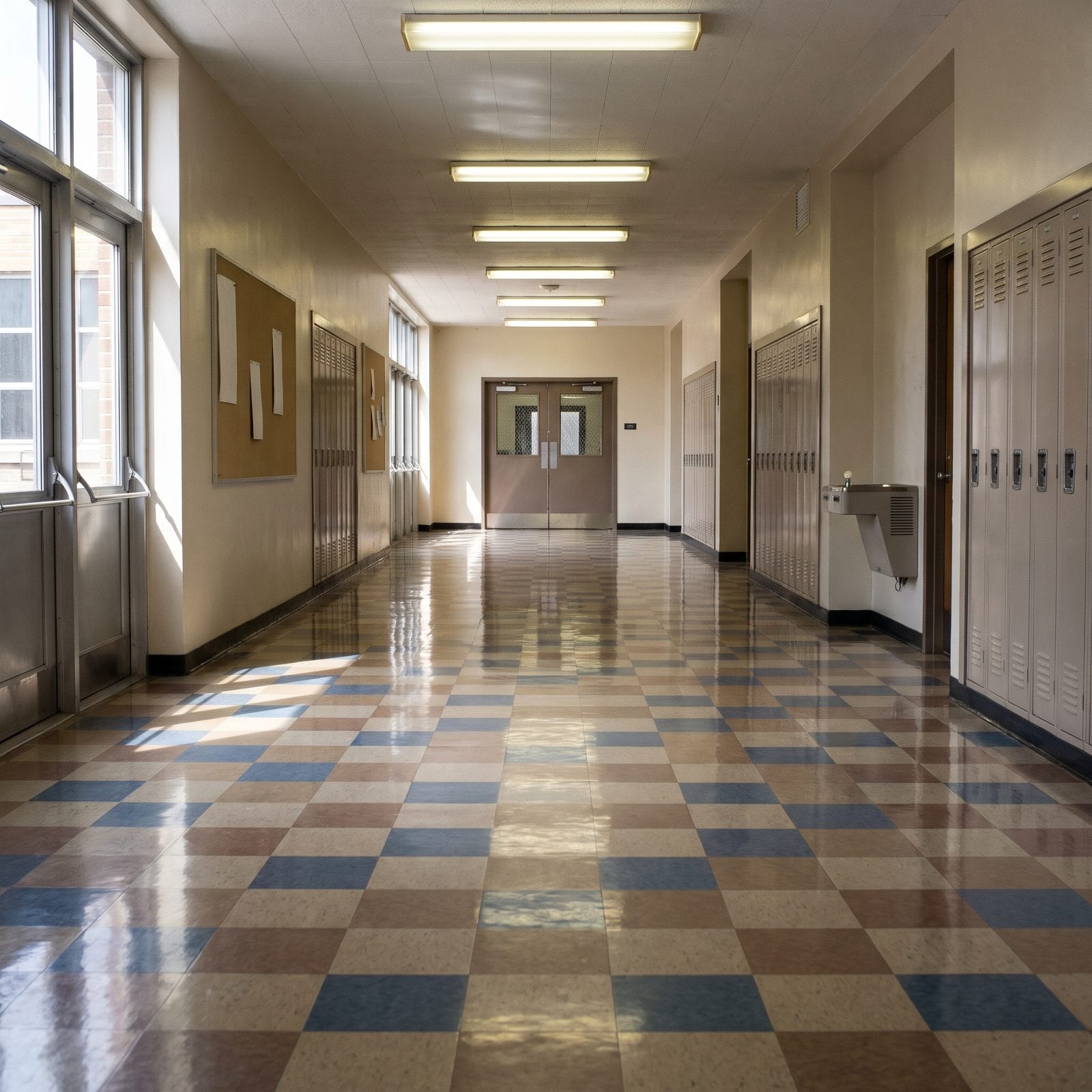
VCT has a PR problem. People hear “vinyl composition tile” and picture a 1980s cafeteria under buzzing fluorescent light. Fair enough. But look past that association and you’ll find a floor that costs almost nothing, comes in dozens of colors, and actually gets better with regular buffing.
Damage a tile? Pop it out and glue a new one down in ten minutes. Try that with sheet vinyl. The tradeoff is the waxing cycle, which real people skip, then they wonder why the floor looks tired. Keep up with it and this stuff runs twenty years on a budget that embarrasses everything else here.
7. Sheet Linoleum: The Hundred-Year-Old Material Everyone Mistakes for Vinyl
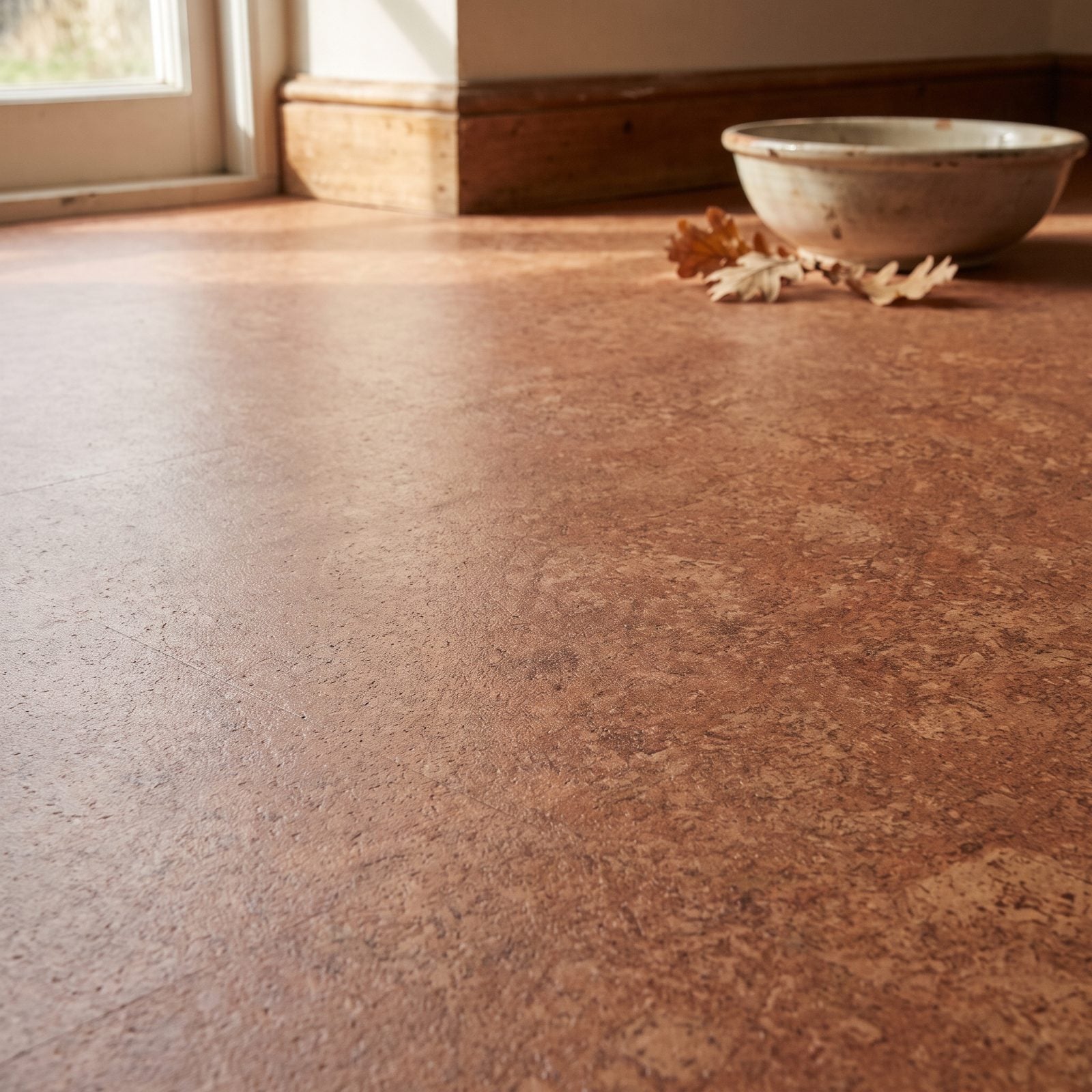
Linseed oil, cork dust, wood flour, pressed onto jute backing. That’s linoleum, and it’s been made that way since 1860. It is not vinyl, and the difference matters, because people conflate the two constantly and it drives installers up the wall.
The color runs all the way through, so a scuff sands out instead of exposing some different layer underneath. It’s naturally antimicrobial and biodegradable. The catch is that it needs sealing and it hates standing water, so a sloppy mudroom will wreck it. In a kitchen that gets wiped up, it just keeps going.
To tell real linoleum from vinyl, a certified master home inspector offers a simple test: “If years of foot traffic have worn away the surface pattern, it is not linoleum.”
6. Budget Polyester Carpet: The Soft Trap That Looks Great for About a Year
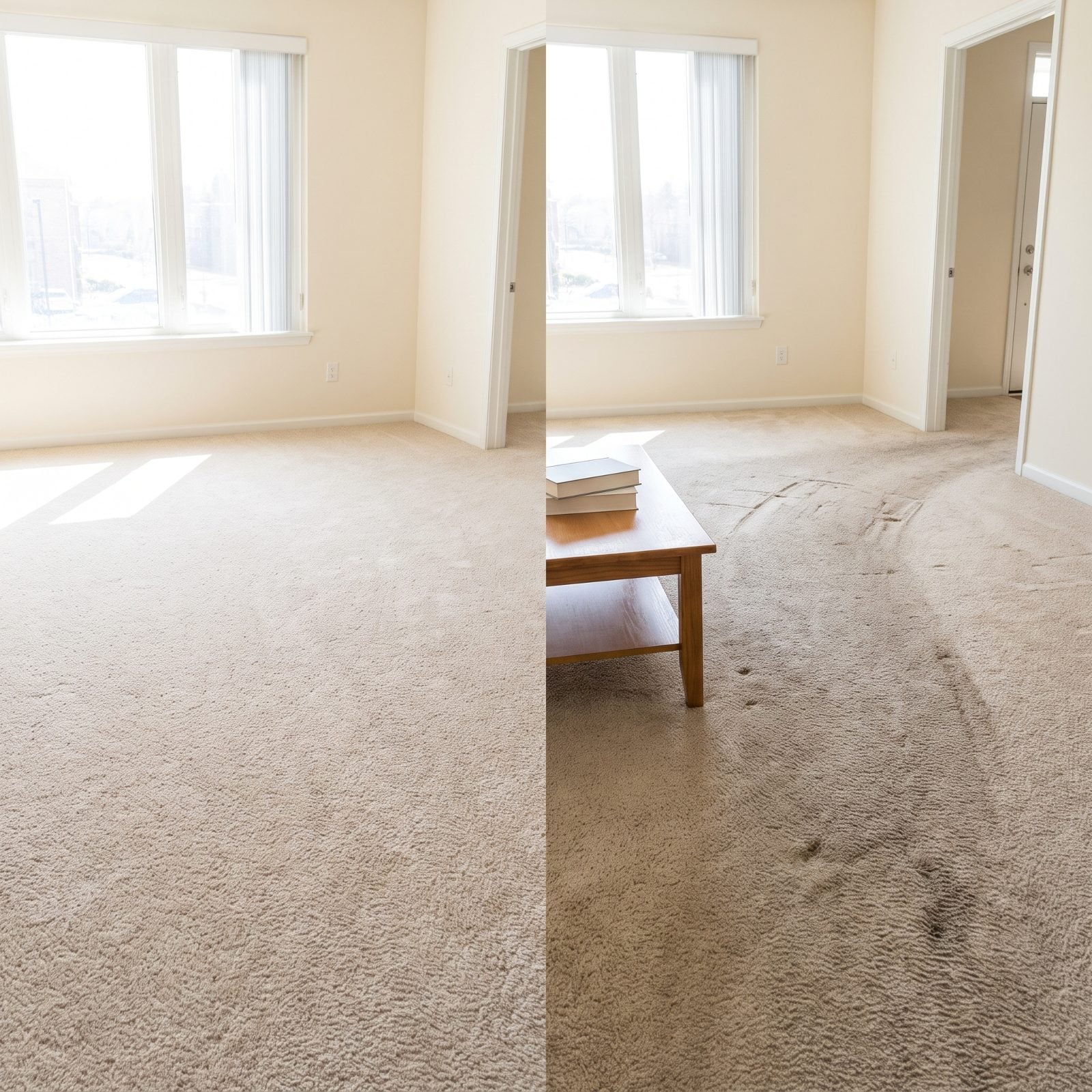
It feels incredible in the showroom. That’s the whole problem.
Budget polyester, often sold as PET, is plush, cheap, and genuinely soft underfoot the day it goes in. Then the traffic lanes crush, the fibers mat, and within a year or two your hallway reads like a worn footpath while the closet still looks brand new. It resists stains but not pressure, and once the pile lies down it does not stand back up.
5. Solution-Dyed Nylon Carpet: The One Installers Actually Put in Their Own Houses
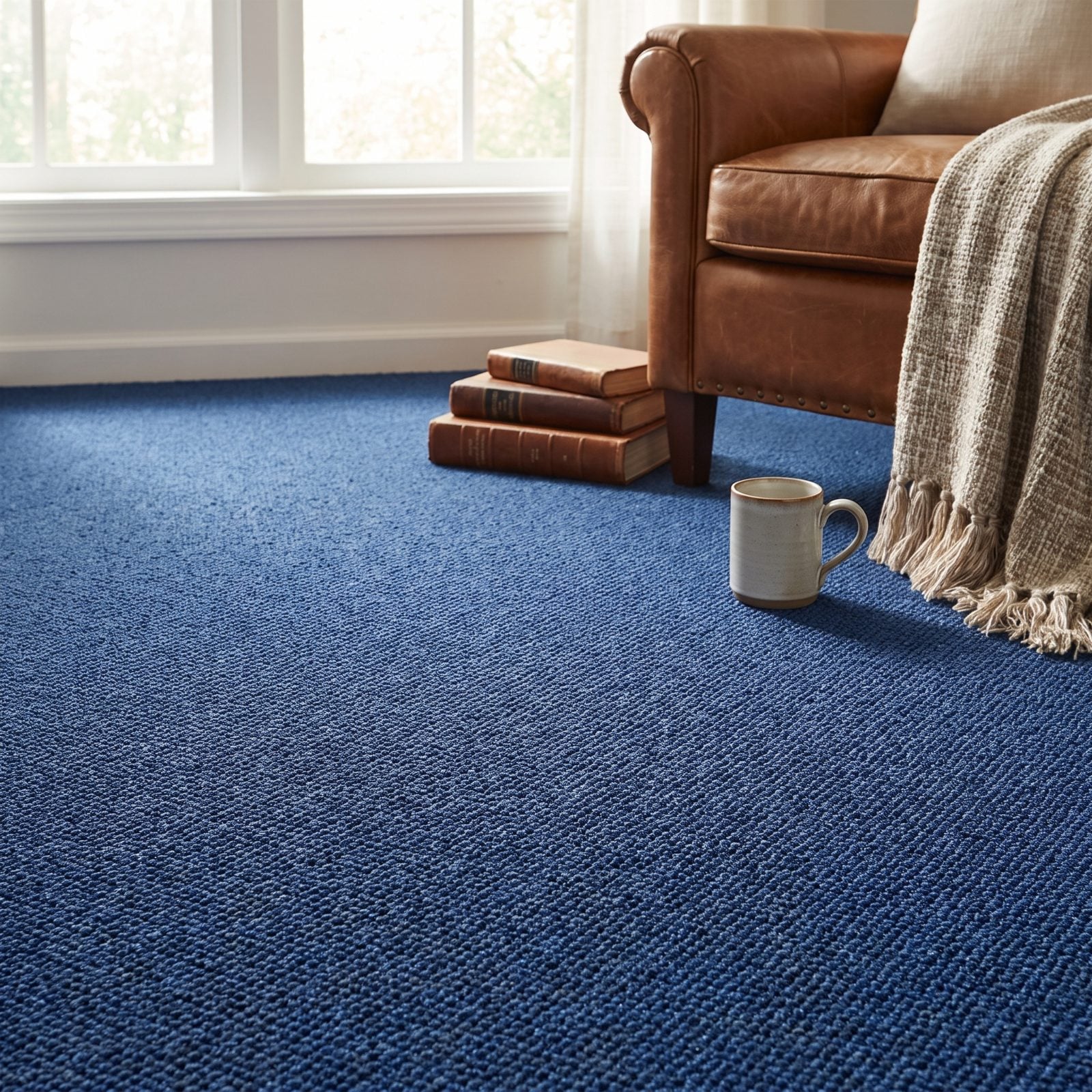
Here’s the difference that matters. With solution-dyed nylon the color isn’t dyed onto the fiber, it’s locked in before the fiber is even spun, like a carrot that’s orange all the way through rather than painted. Bleach can’t strip it. Sun barely fades it. You can mop up a red wine spill with products that would ruin ordinary carpet.
Nylon is also the toughest common carpet fiber by a wide margin. It springs back under traffic where polyester gives up. More money up front, sure, but every dollar earns its keep if you’ve got kids, dogs, or a stairwell that sees real use.
4. Dense Wool Carpet: The Floor That Ages Like a Good Leather Jacket
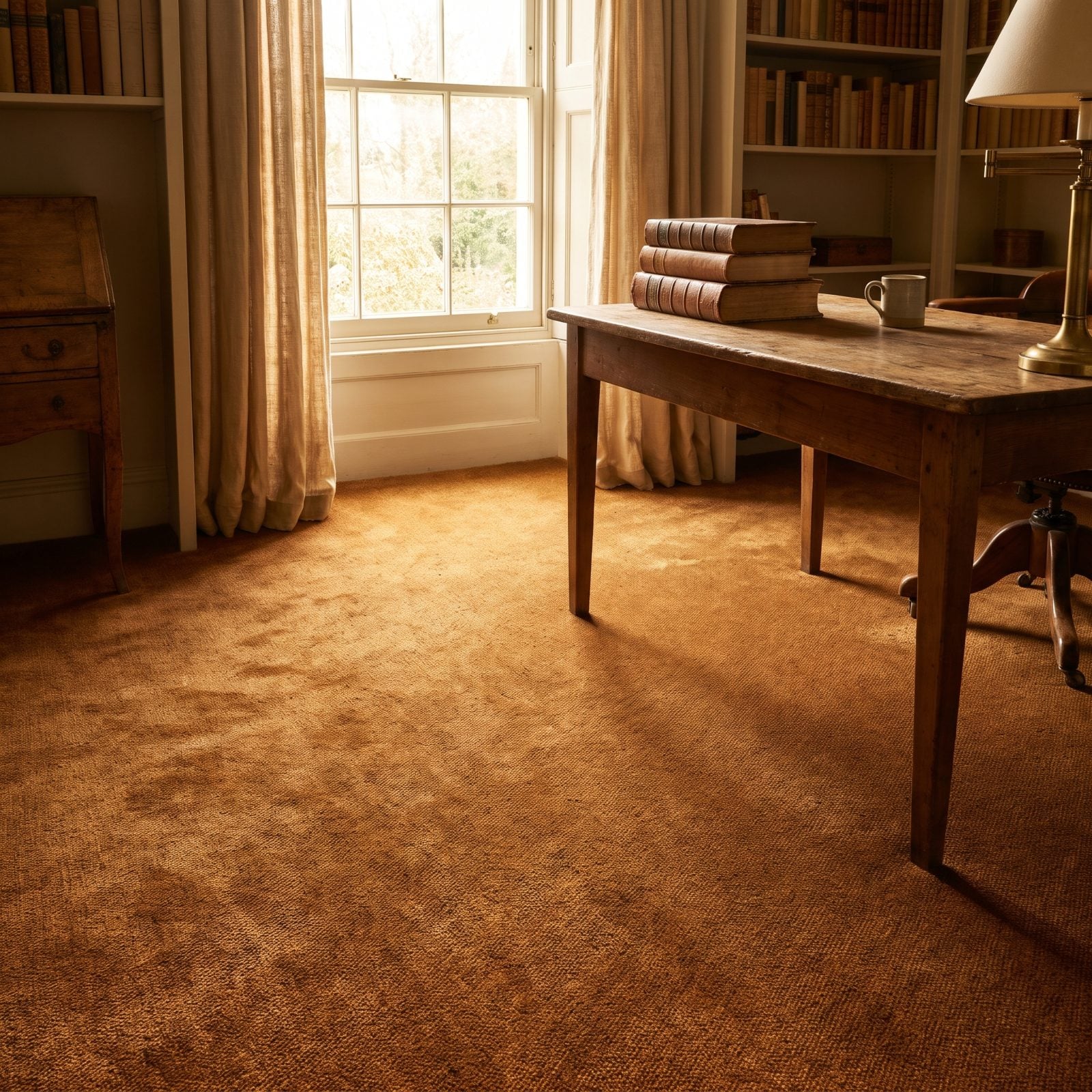
Wool is the original and still the best. It’s naturally flame-resistant, it holds dye beautifully, and it has a dense, textured pile that synthetics spent decades trying and failing to copy.
Here’s the part nobody tells you: it’s how wool ages. Synthetic carpet looks its worst the day before you finally rip it out. Dense wool instead develops a softened, lived-in character that reads as expensive rather than worn. The lanolin in the fiber keeps soiling at bay, and the wool balances humidity, which quietly steadies the whole feel of a room.
It’s pricey, and moths genuinely love it, so a wool floor left neglected in some back room will suffer for it. Put it where people actually live and it’s a floor you hand down.
3. Unfinished Solid White Oak: The Blank Canvas Pros Quietly Prefer
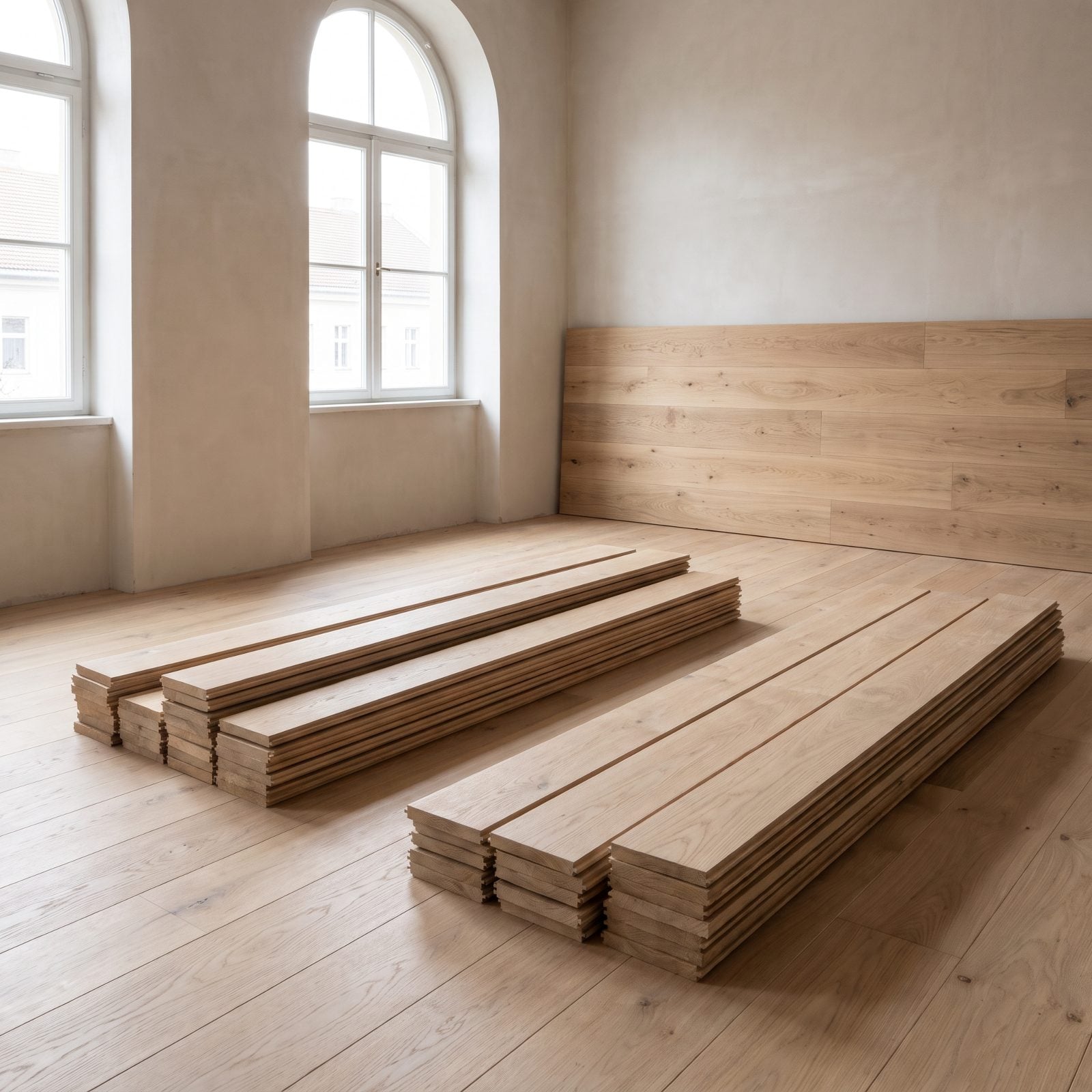
Prefinished planks are faster. Everyone knows this. So why do a lot of serious installers still reach for raw white oak sanded and finished on site?
Because you get one continuous surface, no micro-bevels catching crumbs between every board, and you pick the exact stain and sheen instead of settling for a factory color that looked right under store lighting. White oak’s tight grain takes stain evenly, resists water better than red oak, and refinishes four or five times across its life. Scratch it in year fifteen and you sand the whole floor back to new, a repair ceiling almost no engineered product can touch.
2. Pebble Mosaic Flooring: The Spa Fantasy That Punishes Your Feet
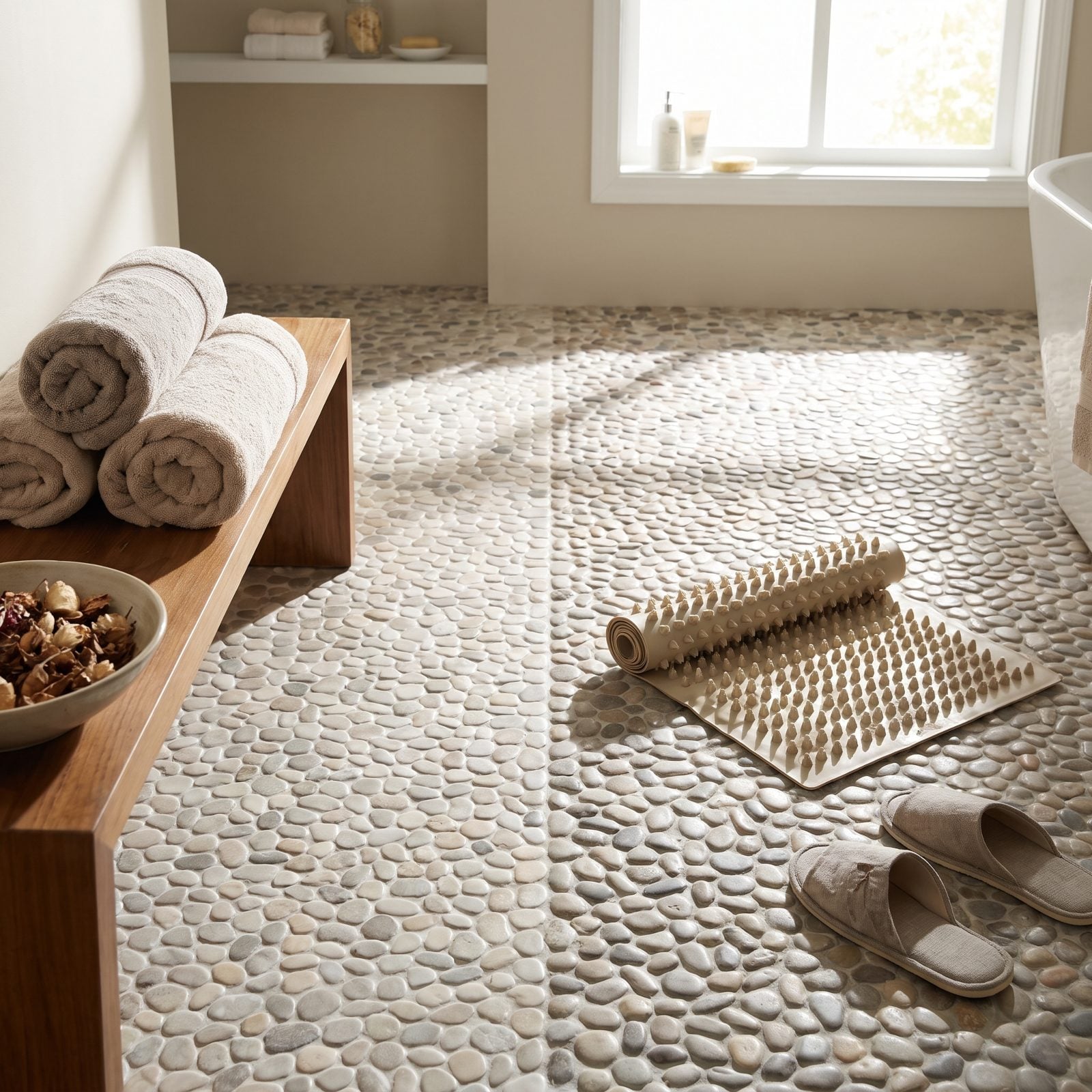
It photographs like a zen retreat. It lives like a reflexology mat you can’t escape.
Pebble mosaic floors are mostly grout, and grout is the enemy. All those joints between the stones trap grime, grow mildew, and demand a sealing routine you will not keep up with. The uneven surface is genuinely uncomfortable to stand on, it drains badly, and it broadcasts every smear of soap scum. Installers rank it low on nearly every measure that matters and high only on the one that fades fastest, the photo. Lovely in a square. Miserable on a Tuesday morning.
1. Poured Terrazzo: The Century-Old Floor That Outlives the Building
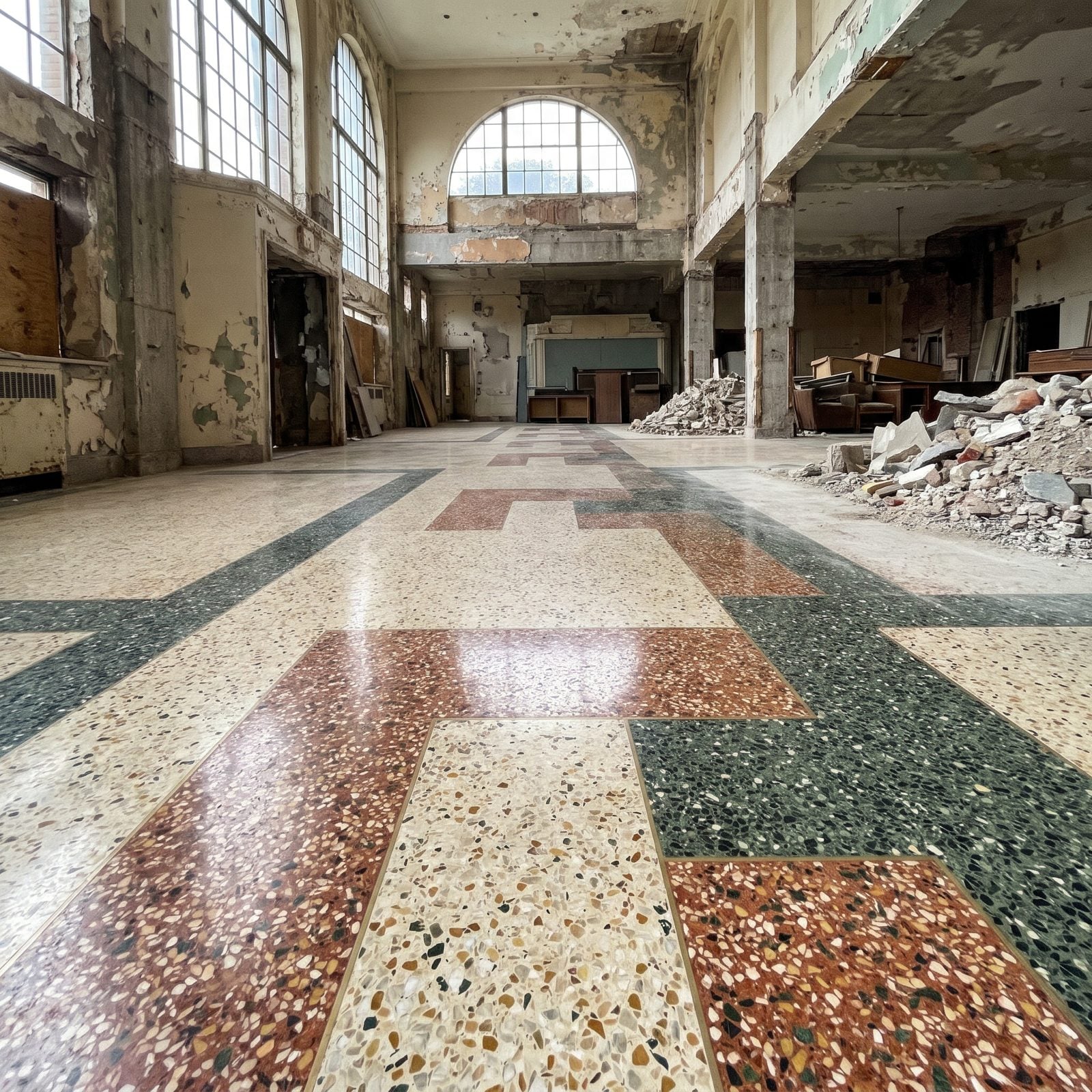
Walk through an old airport, a 1930s civic building, a mid-century bank lobby. That floor underfoot, still gleaming, chips of marble suspended in a poured base, is terrazzo. Some of those installations are pushing a hundred years old and they wear it well.
Poured-in-place terrazzo has no seams and no grout lines, with a lifespan measured in generations, and you can polish it back to new indefinitely. The color and chip combinations run endless.
The barrier is real. It’s expensive, slow, and needs genuine specialists rather than a weekend crew. Hard underfoot, too. But on long-term value nothing here comes close. Install it once and you’ll never think about it again.