
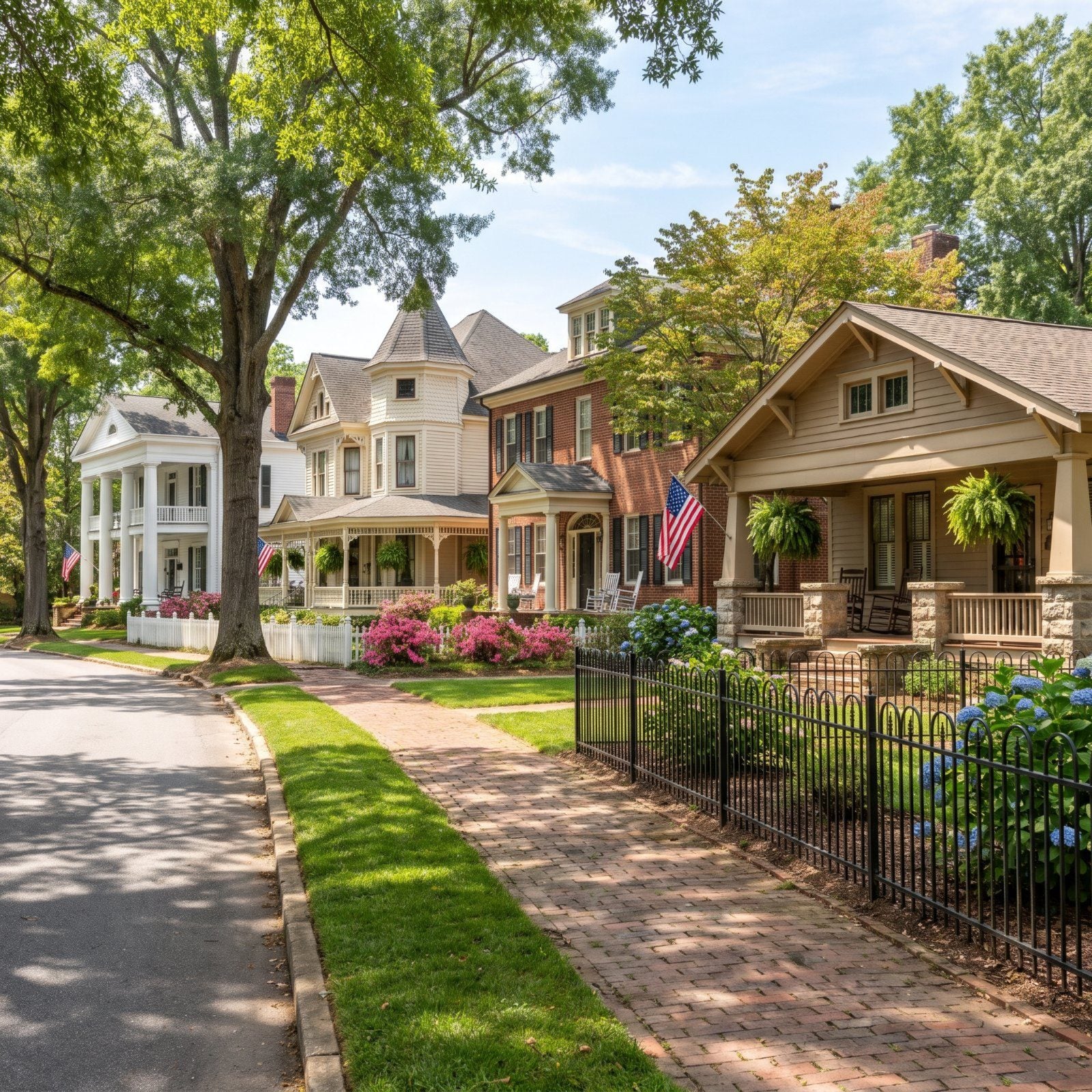
A 1785 house with the original heart pine floors, a wraparound porch, and a price tag that won’t demand a second mortgage still exists. Not in some fantasy version of the state. In actual North Carolina towns you can drive to this weekend. The big cities priced out the dreamers years ago, but the old mill towns and county seats kept their nerve and their housing stock. These are the places where listings and current data show you can still buy history for less than a suburban new-build. Addresses and medians shift fast, so treat every number as a snapshot, not a promise.
12. Tarboro: The State’s Biggest Historic District Hiding in Plain Sight
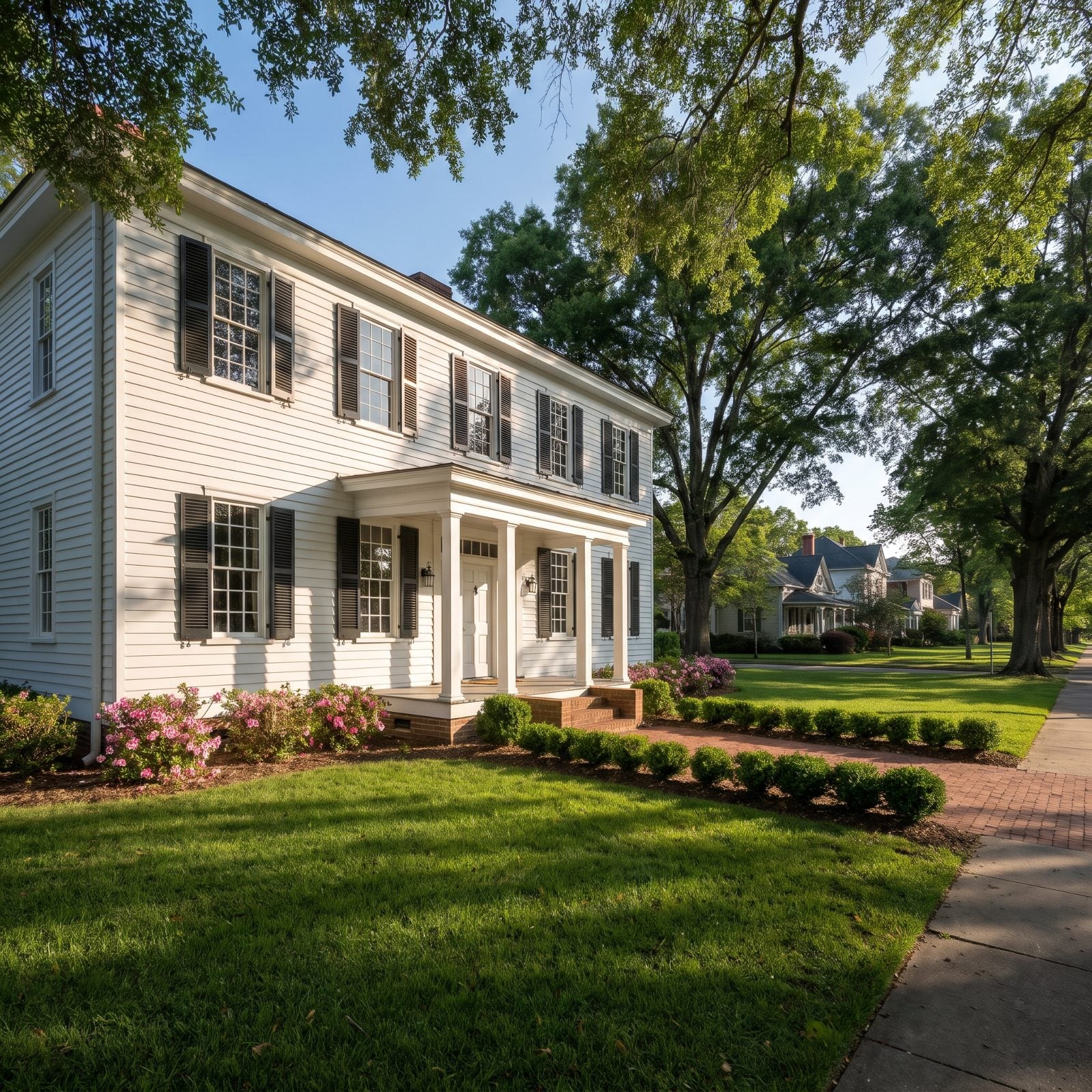
Tarboro claims the largest historic district in North Carolina, and the claim holds up: dozens of blocks, hundreds of structures, several of them standing since the 1700s. The Archibald White House has watched the street since 1785.
In order to come up with the very specific design ideas, we create most designs with the assistance of state-of-the-art AI interior design software. Also, assume links that take you off the site are affiliate links such as links to Amazon. this means we may earn a commission if you buy something.
By the numbers: Tarboro, North Carolina on The Town Files (home values, weather, tornado history and schools)
What makes it buyable is the math. Homes.com puts Tarboro’s median single-family price at around $215,000, and historic houses in the district do come up for sale. You get a long row of antebellum homes alongside Second Empire and Arts and Crafts facades, all for less than a suburban new-build asks.
11. Warrenton: 202 Historic Buildings, 851 Neighbors
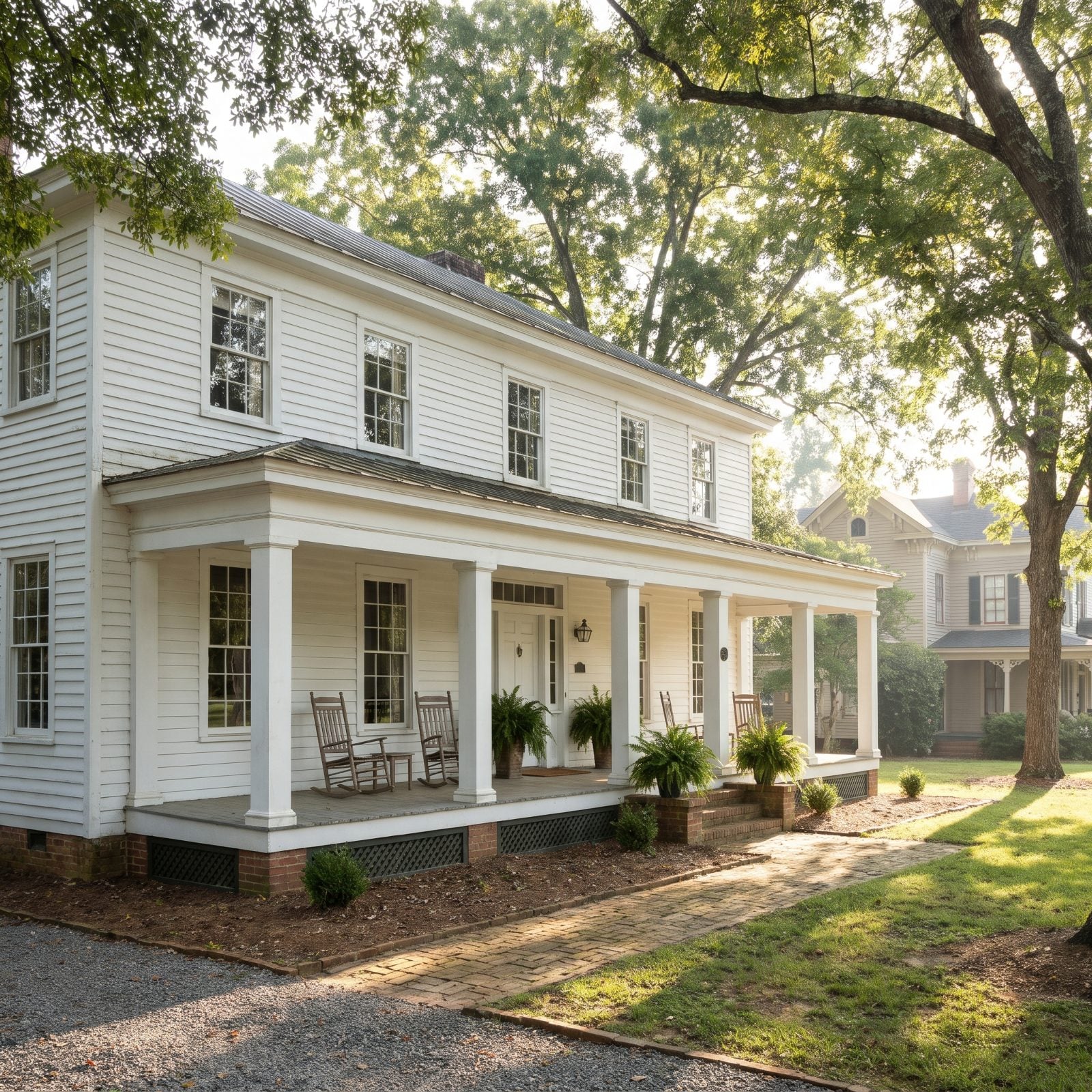
Warrenton is small on purpose. A few hundred residents, a couple hundred contributing historic buildings, and a typical home value well under half the statewide figure.
By the numbers: Warrenton, North Carolina on The Town Files (home values, weather, tornado history and schools)
The district was first listed in 1976 and expanded in 2024 to take in early-to-mid-twentieth-century buildings and African American resources. Buildings run from about 1810 to 1926, Greek Revival to Late Victorian, and the oldest ones reach back toward 1810. Eaton Place went up in 1843. And both Kerr Lake and Lake Gaston reach into the county, so you’re never far from water.
What Our Readers Say
- Asked which porch they would want, 61% of Home Stratosphere readers picked a wraparound, well ahead of a full front porch at 29% and a small entry at 6%.
From Home Stratosphere reader polls and votes.
10. Rockingham: A 165-Acre District Twenty Minutes From the State Line
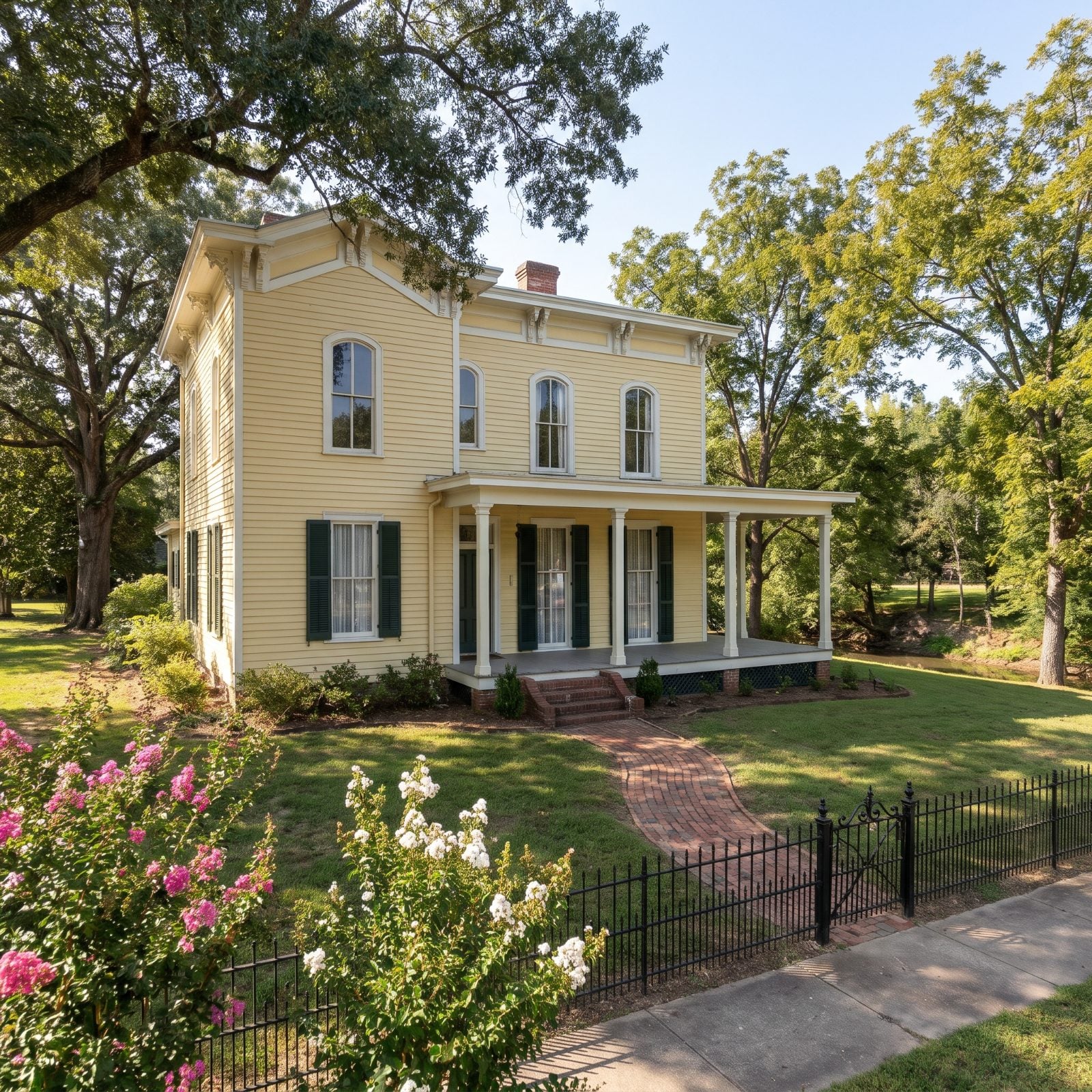
Richmond County’s seat carries one of the lowest typical home values on this list. Rockingham was founded in 1784 and sits less than 20 minutes from the South Carolina line.
By the numbers: Rockingham, North Carolina on The Town Files (home values, weather, tornado history and schools)
The historic district covers 165 acres and holds the 1853 Leak-Wall House. If you paddle, Hitchcock Creek became a 14-mile trail in 2009 after the Steeles Mill Dam came out. An old house and a river at the end of the street is a tough pairing to beat.
9. Washington: Riverfront History on the Pamlico
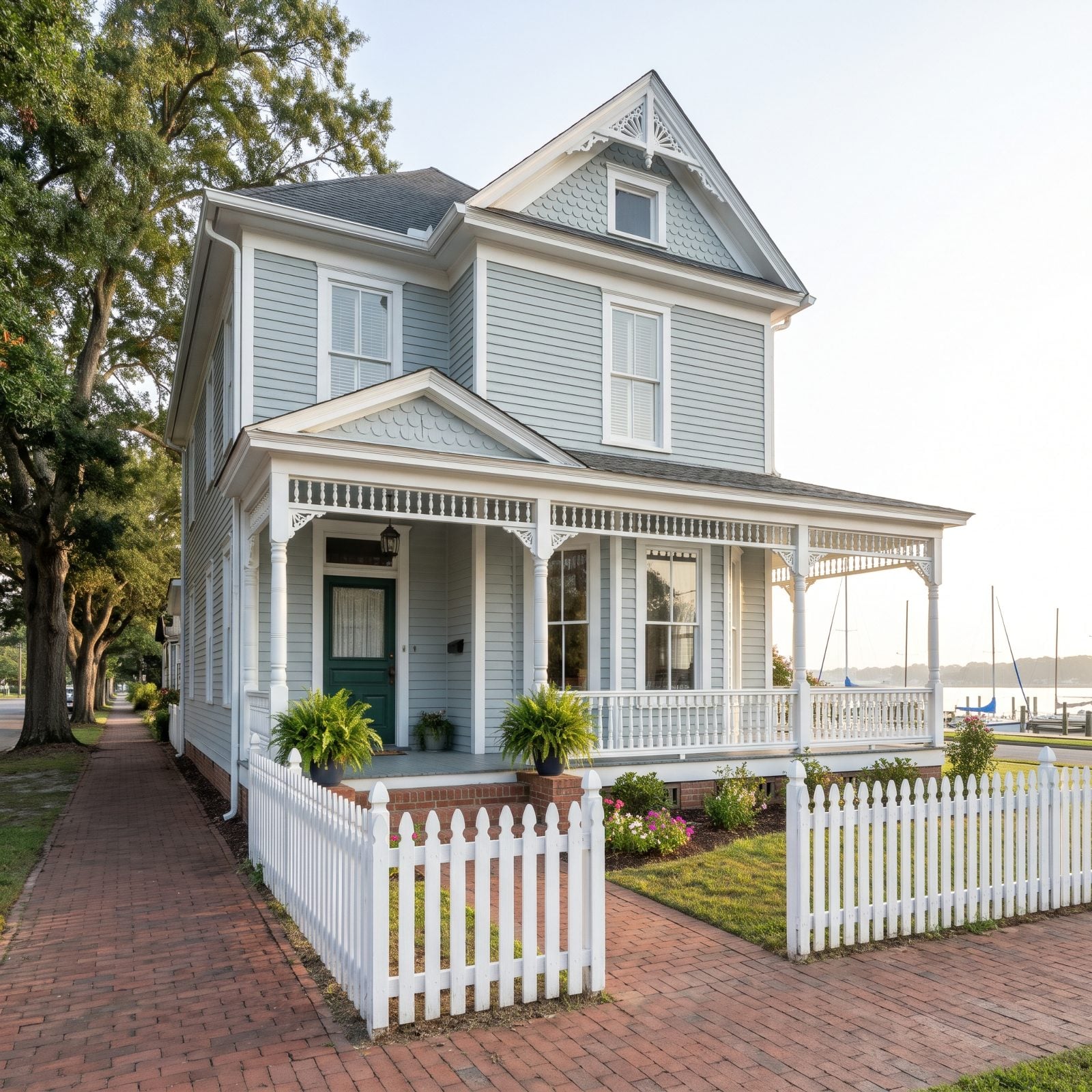
Washington hugs the Pamlico River, and that kind of waterfront proximity usually sends prices climbing. Here it hasn’t, not fully. The typical home value sits in the mid-$200,000s, and Homes.com has shown historic-district houses under $300,000, including one on E Main just below the line.
The district was nominated in 1978 and includes the Mayo Law Office from about 1830, plus the 1884 firehouse and city hall. A restored 1904 house one block off downtown is the kind of listing that moves fast. River town, old bones, and you can walk to the water.
8. Troy: Five Register Houses on North Main
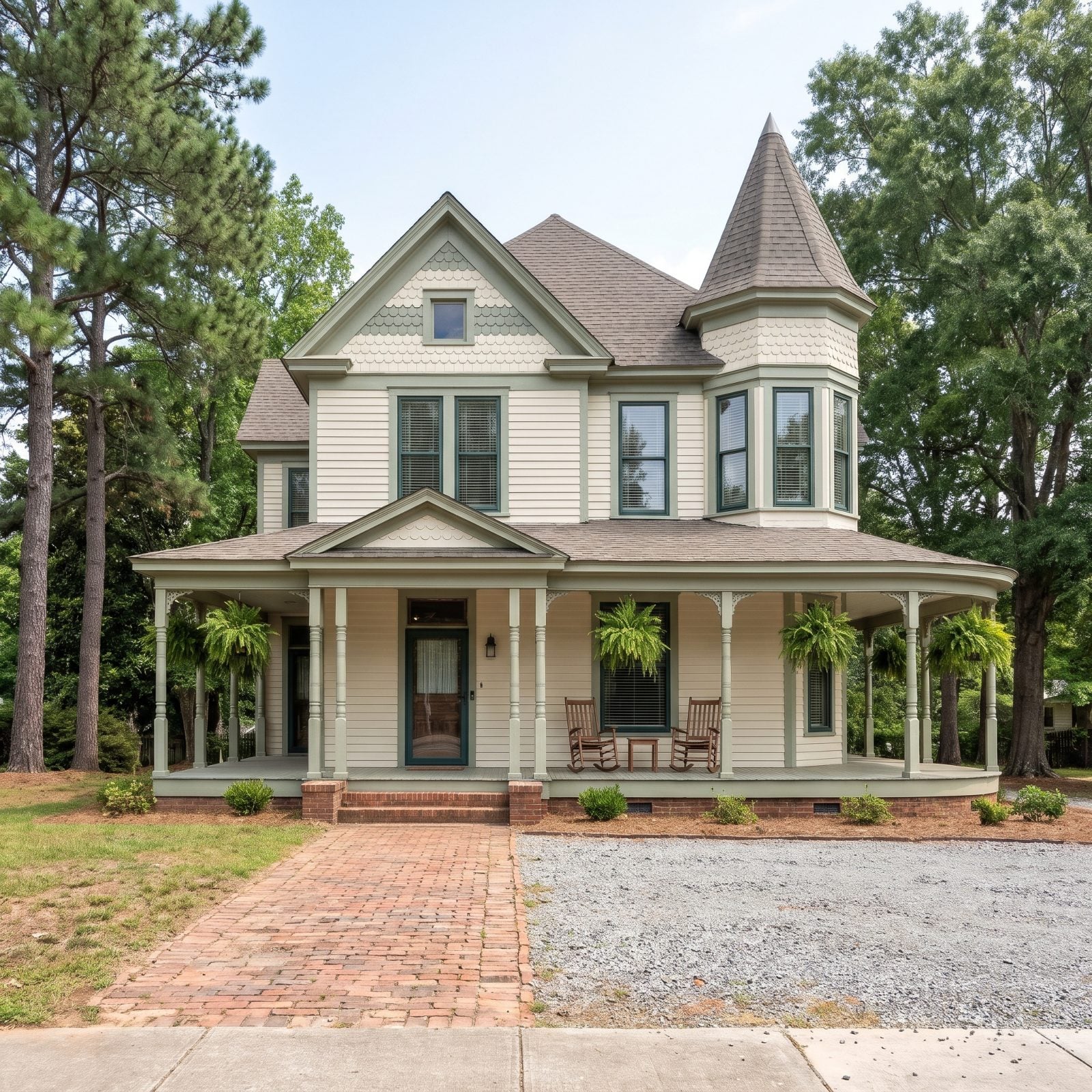
Troy keeps it modest. The Montgomery County seat has a small historic district on North Main Street, just five houses added to the National Register in 2006, built between 1871 and 1940 in Queen Anne and Classical Revival styles.
By the numbers: Troy, North Carolina on The Town Files (home values, weather, tornado history and schools)
Typical home value sits well below the statewide number. The Uwharrie National Forest ranger office is in town, which tells you what you’re near: trails, lakes, and some of the oldest mountains on the continent, worn down to green nubs.
7. Wilson: Downtown Craftsman Country
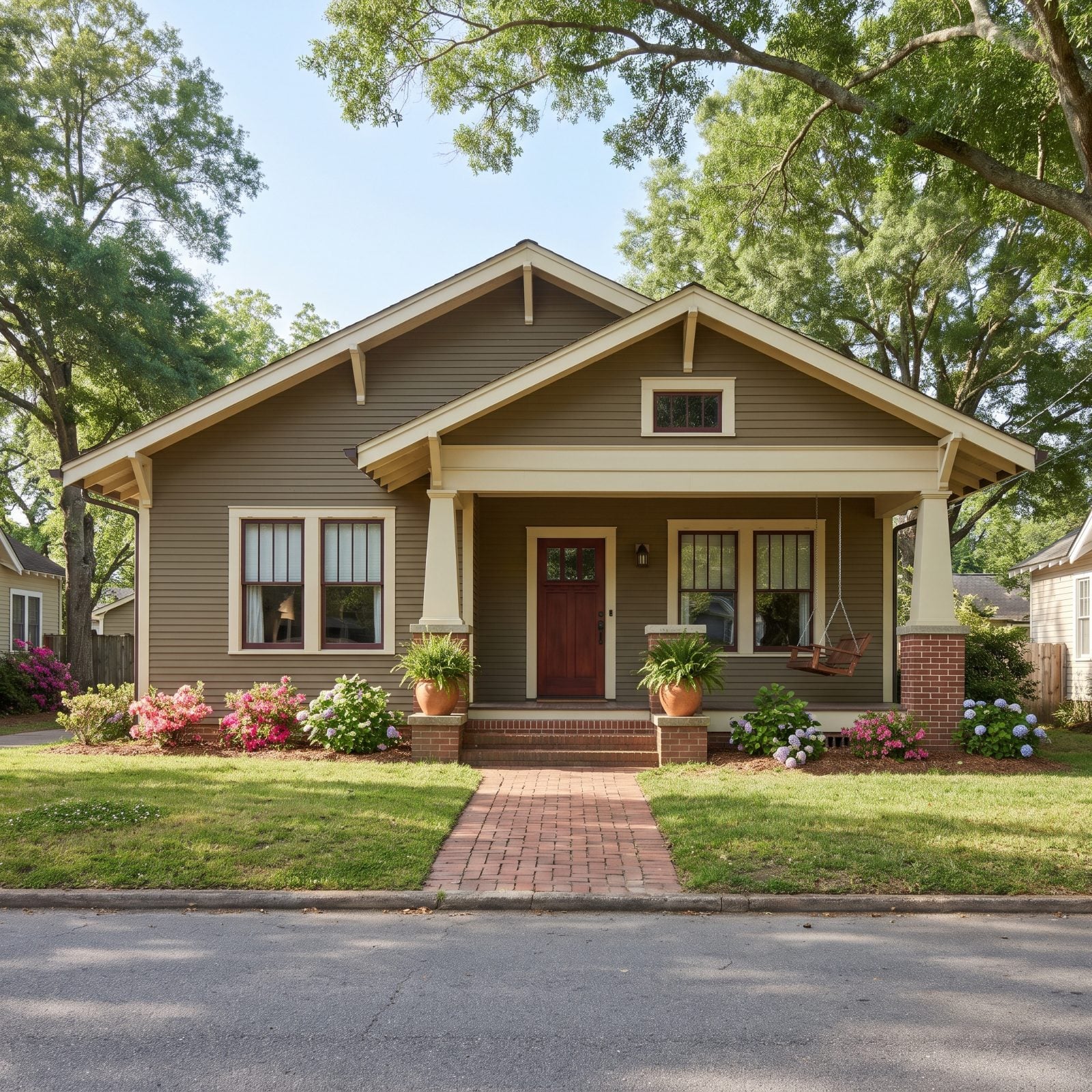
Wilson’s historic stock skews toward the well-built bungalow, and prices stay reasonable. Homes sold near a median in the low $180,000s over a recent 30-day window, and Redfin pegged the Broad-Kenan Historic District average under $160,000.
By the numbers: Wilson, North Carolina on The Town Files (home values, weather, tornado history and schools)
Old Wilson and East Wilson carry history too. A local guide puts restored downtown historic homes somewhere between $180,000 and $350,000, depending on size and how far the restoration has gone. Want a porch with real structure under it? This is a good place to look.
If bungalows are your thing, you’re in good company: Craftsman topped our readers’ house style poll at 40%, ahead of farmhouse and modern.
6. Rocky Mount: Fixer-Uppers and Grand Old Houses in the Same Zip
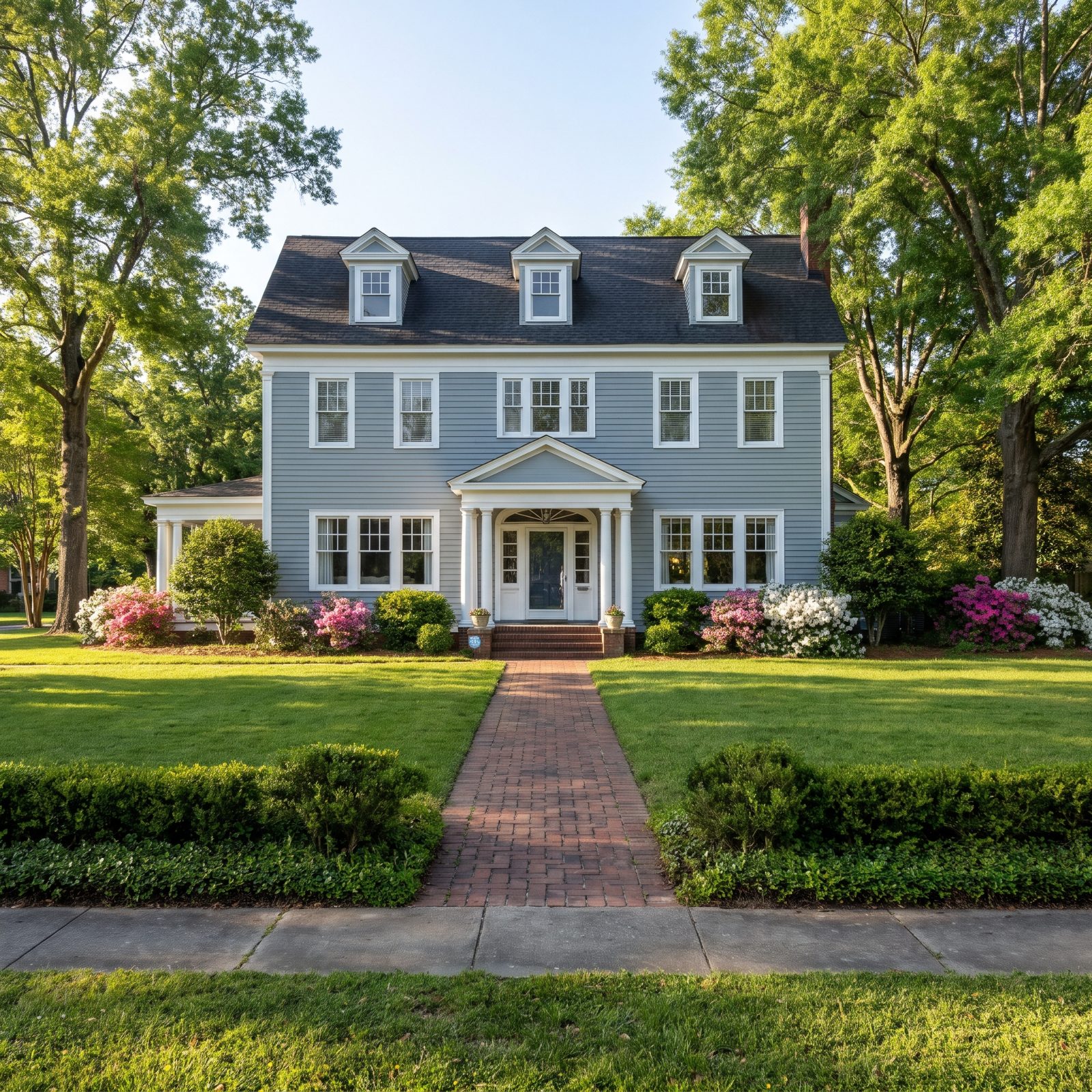
Rocky Mount is where the range opens wide. The median sale price landed near $205,000 for a recent three-month stretch, yet Redfin also showed a 1911 five-bedroom in a historic district listed around $90,000. That’s the spread, and it’s a real one.
By the numbers: Rocky Mount, North Carolina on The Town Files (home values, weather, tornado history and schools)
Entry-level fixer-uppers run in the low six figures for people who like a project, while premium renovated properties climb into the mid-$300,000s. The Highlands and Edgewood areas get named as the best fit for historic character. Buy the bones cheap, sweat the rest.
5. Goldsboro: Bungalows, Colonials, and Late Victorians Downtown
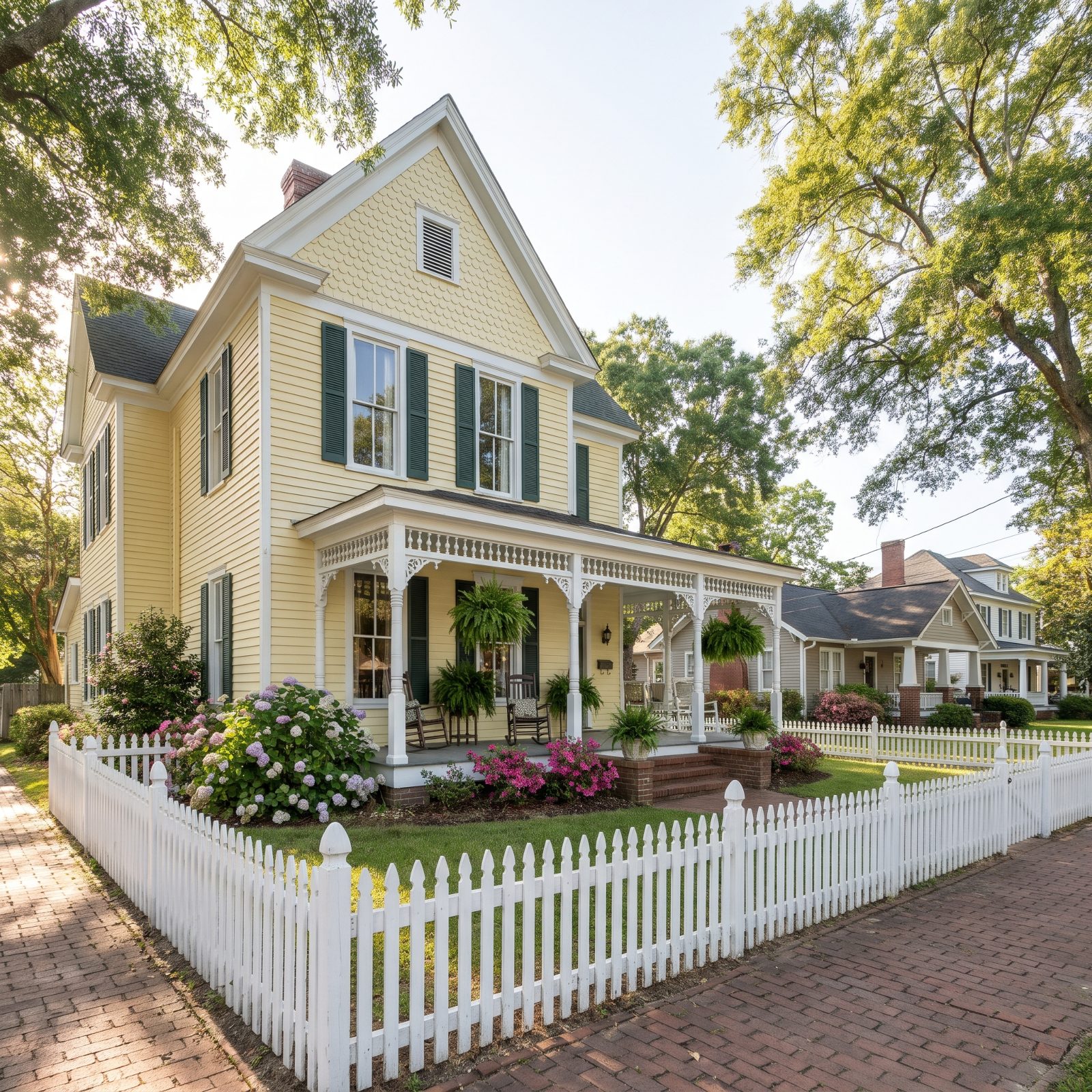
Goldsboro’s historic streets read like a field guide to early-20th-century American housing: Craftsman bungalows, Colonial Revivals, and late Victorians, all clustered near downtown.
By the numbers: Goldsboro, North Carolina on The Town Files (home values, weather, tornado history and schools)
The median sale price hovered around $215,000 over a recent three-month window, with historic-district listings a touch higher. A local guide puts the character homes somewhere in the $110,000 to $220,000 band, depending on condition. Translation: you can buy a real one and still have money left to fix what the last owner ignored.
A city preservation planner says Goldsboro’s historic district mixes many building styles, from Queen Anne, Second Empire and Italianate houses to Bungalow-style and Colonial Revival homes. (via a city preservation planner)
4. Salisbury: Two Historic Districts, Homes From 1850 to 1940
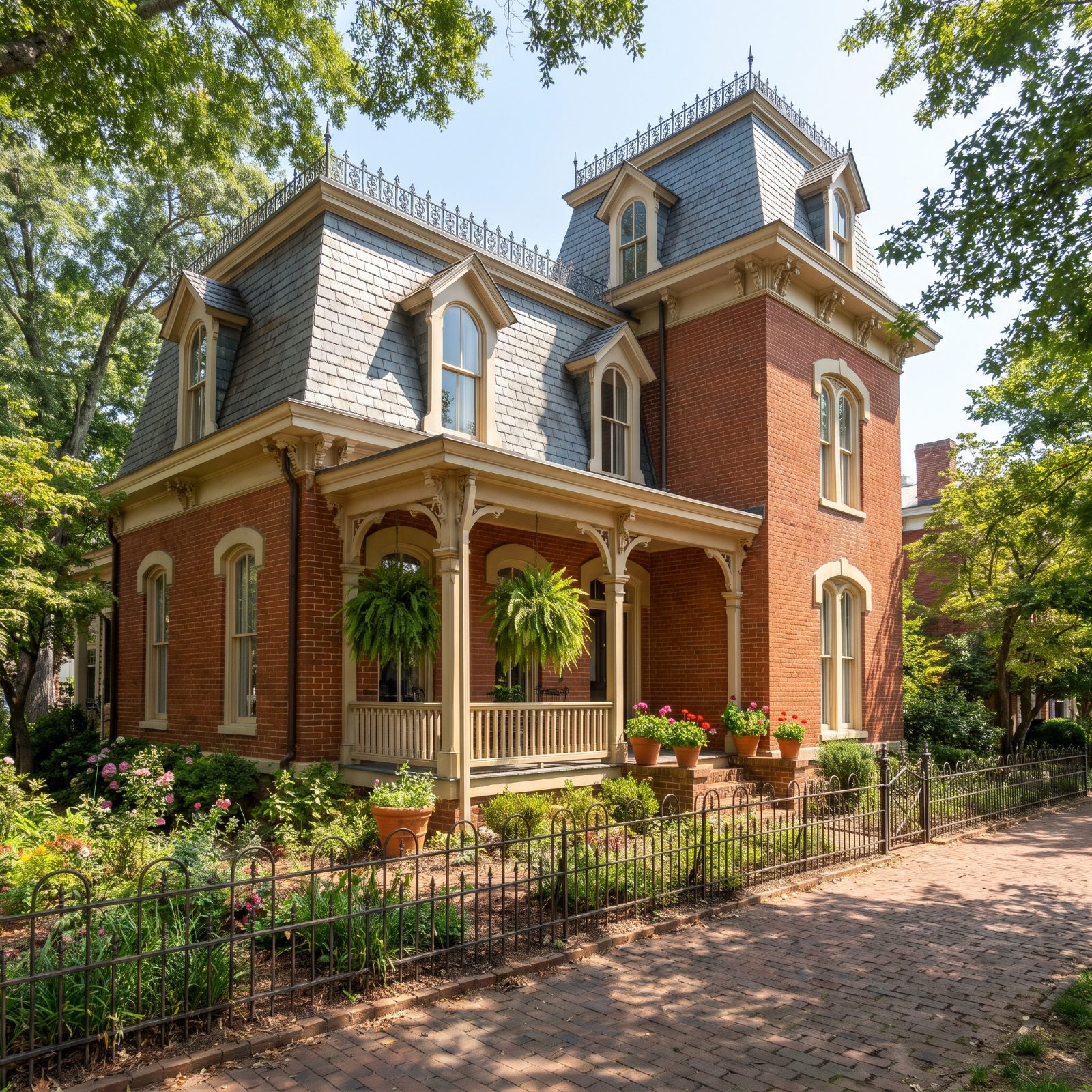
Salisbury has the architectural depth to justify a weekend of driving around. Ten National Register historic districts, among them North Long Street-Park Avenue and the West Square area, with homes spanning the mid-19th to early-20th centuries.
By the numbers: Salisbury, North Carolina on The Town Files (home values, weather, tornado history and schools)
Redfin reported a median sale price in the mid-$200,000s, and on a given day had a dozen-plus homes for sale across the historic districts near a $299,000 list. You’re buying ninety years of building styles stacked block by block, antebellum through the Arts and Crafts era, at a price point the Triangle forgot existed.
In 2022, a preservation foundation director described a program for owners in Salisbury’s National Register districts, including North Long Street-Park Avenue, saying “We are looking to award repair and renovation grants of $1,000 to 50 homeowners”
3. Elizabeth City: Waterfront Victorians Overseen by a Preservation Commission
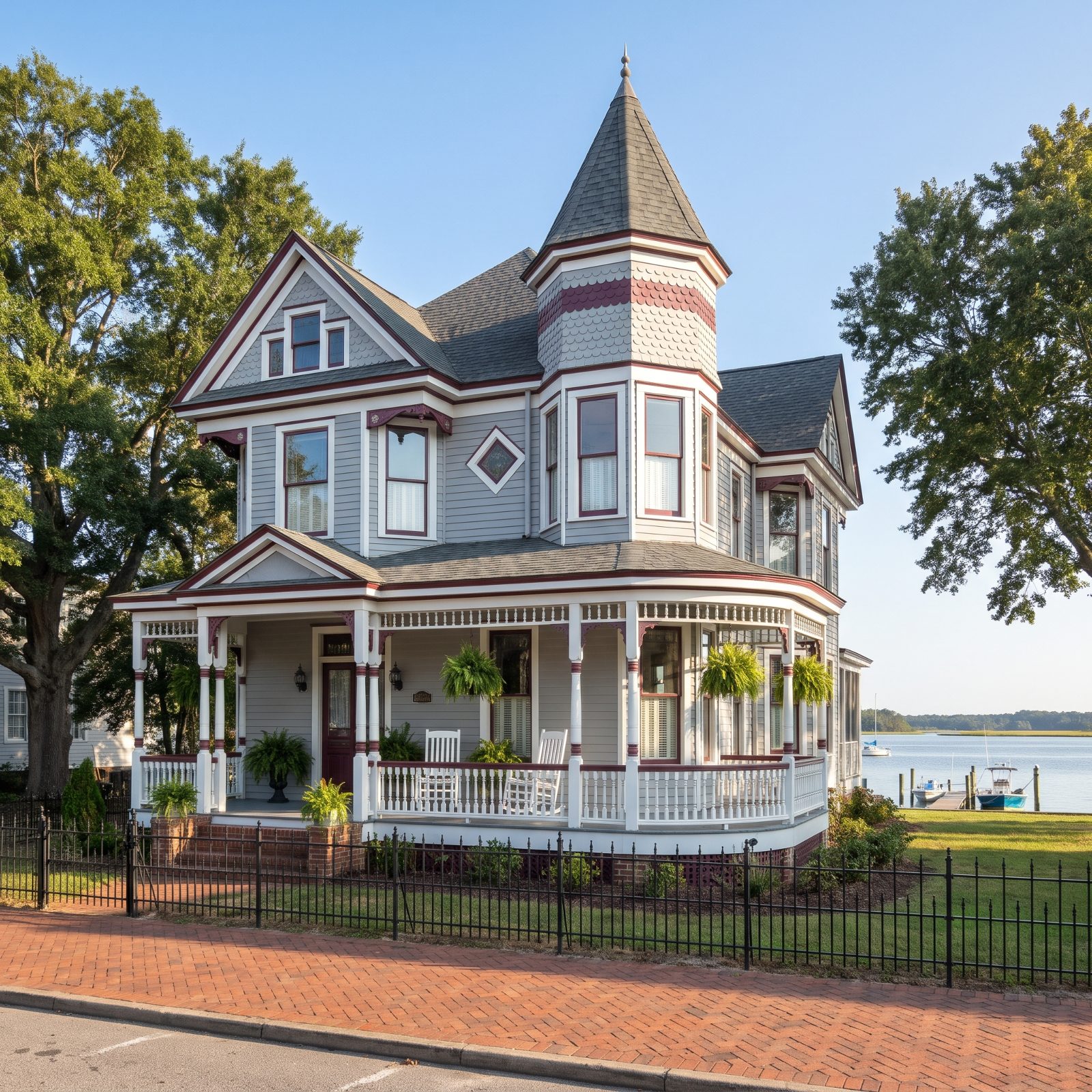
Elizabeth City puts you on the water. The median sale price came in around $272,000, with Homes.com’s 12-month figure a bit lower, and the city runs two local historic districts, Downtown and West Main Street, under a seven-member Historic Preservation Commission.
By the numbers: Elizabeth City, North Carolina on The Town Files (home values, weather, tornado history and schools)
That oversight matters, because it means the character you buy stays character. Recent listings have included a circa-1890 house on N. Road Street and a fixer-upper on Riverside Avenue in the Riverside Historic District. A Victorian near the Pasquotank for the price of a parking space in a bigger city. Go look before everyone else does.
2. Kinston: Where $200K Still Buys You a Piece of 1791
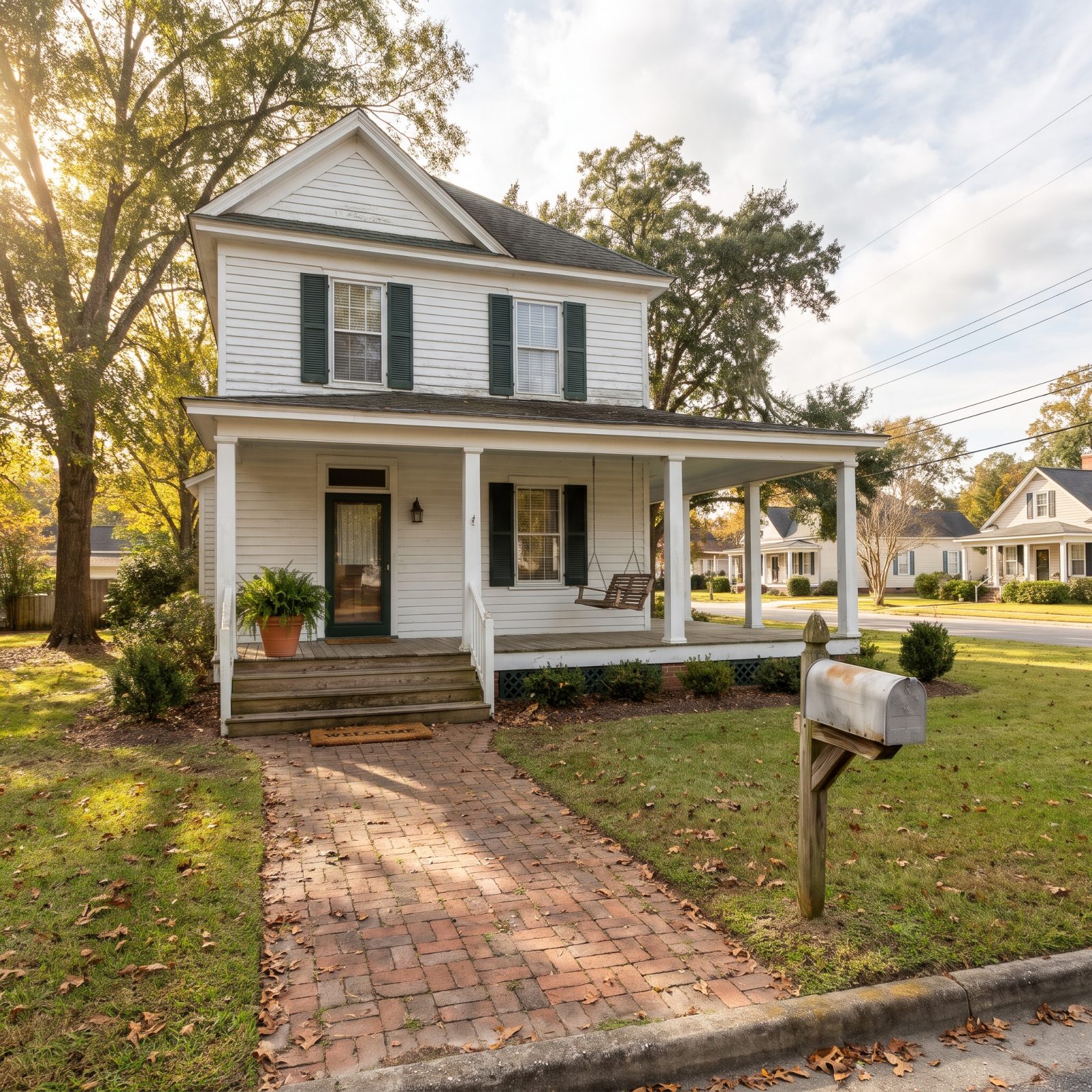
Kinston goes back to 1791, and the housing market never quite caught up with the national hype machine. Homes.com put the 12-month median sale price around the low $200Ks, with local listings running from very cheap to several hundred thousand.
By the numbers: Kinston, North Carolina on The Town Files (home values, weather, tornado history and schools)
What does the money buy? A coastal-plain city of roughly 20,000 people, close enough to the water to matter but far enough from the coastal premium to stay honest. The historic streets near downtown carry the same Colonial Revival and late-Victorian stock you’d pay double for three hours east.
1. Tryon: The Thermal Belt Town With Cool Summers and Cooler Prices
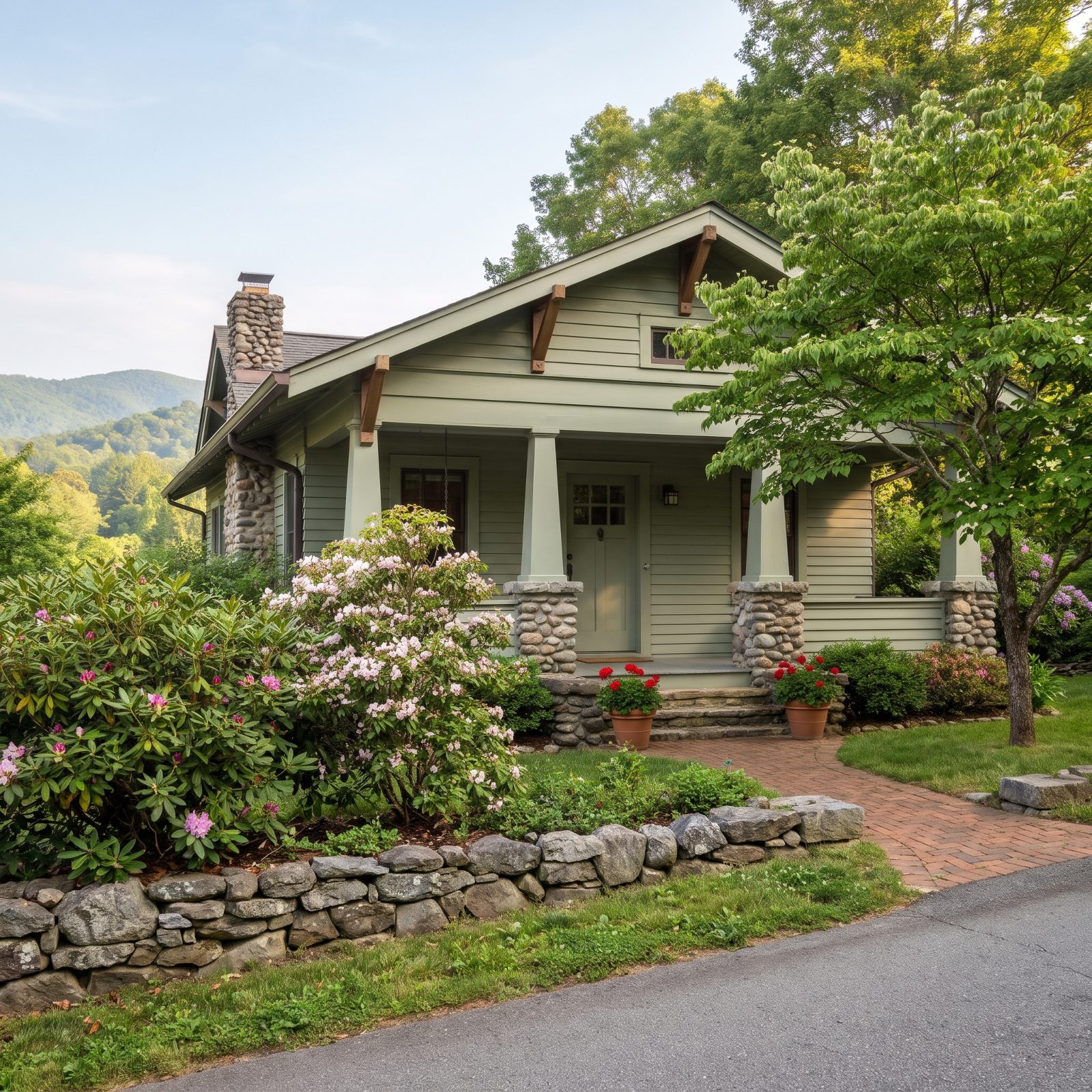
Tryon sits in the ‘thermal belt,’ a quirk of the foothills that keeps summers cool and winters mild. Translation: you can sit on the porch most of the year without wanting to bolt back inside.
By the numbers: Tryon, North Carolina on The Town Files (home values, weather, tornado history and schools)
Prices follow the gentle logic of the place. Homes in Historic Beaumont Village have been cited in the low six figures, while downtown homes run a good bit higher. Either way you’re under the line, and the median property tax bill stays modest enough to make retirees do a quiet double-take.
Beaumont Village is the entry point — a small grid of older cottages and mill-era houses. Downtown gets you the shops and the restored storefronts. We’d take the thermal belt over a basement bar any day.
As one local horsewoman puts it, “The [thermal] belt truly is cooler in the summer here and warmer in the winter than up on top of the mountain in Asheville.”