
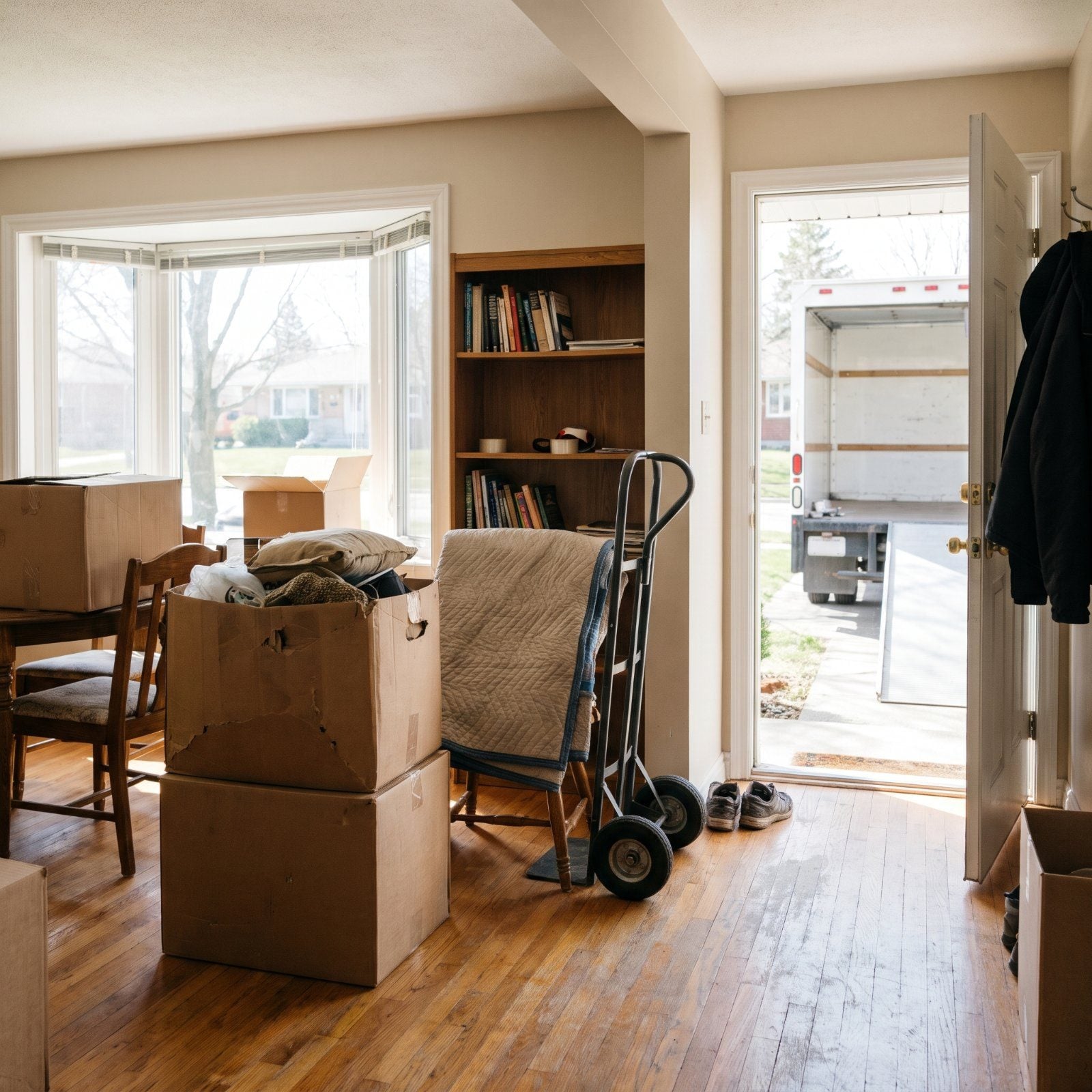
The first thing a good mover does is not touch your furniture. It’s to walk the route. Door to truck, truck to door, every turn in between. In about ninety seconds they know whether the day runs smooth or runs long, usually before you’ve finished offering them coffee. Most of what slows a move down has nothing to do with how much you own. It’s access, clutter, and a handful of things nobody thought to mention. Here are the problems pros spot immediately, and what you can do about them before the ramp comes down.
37. The Moving Truck Has Nowhere Legal to Park
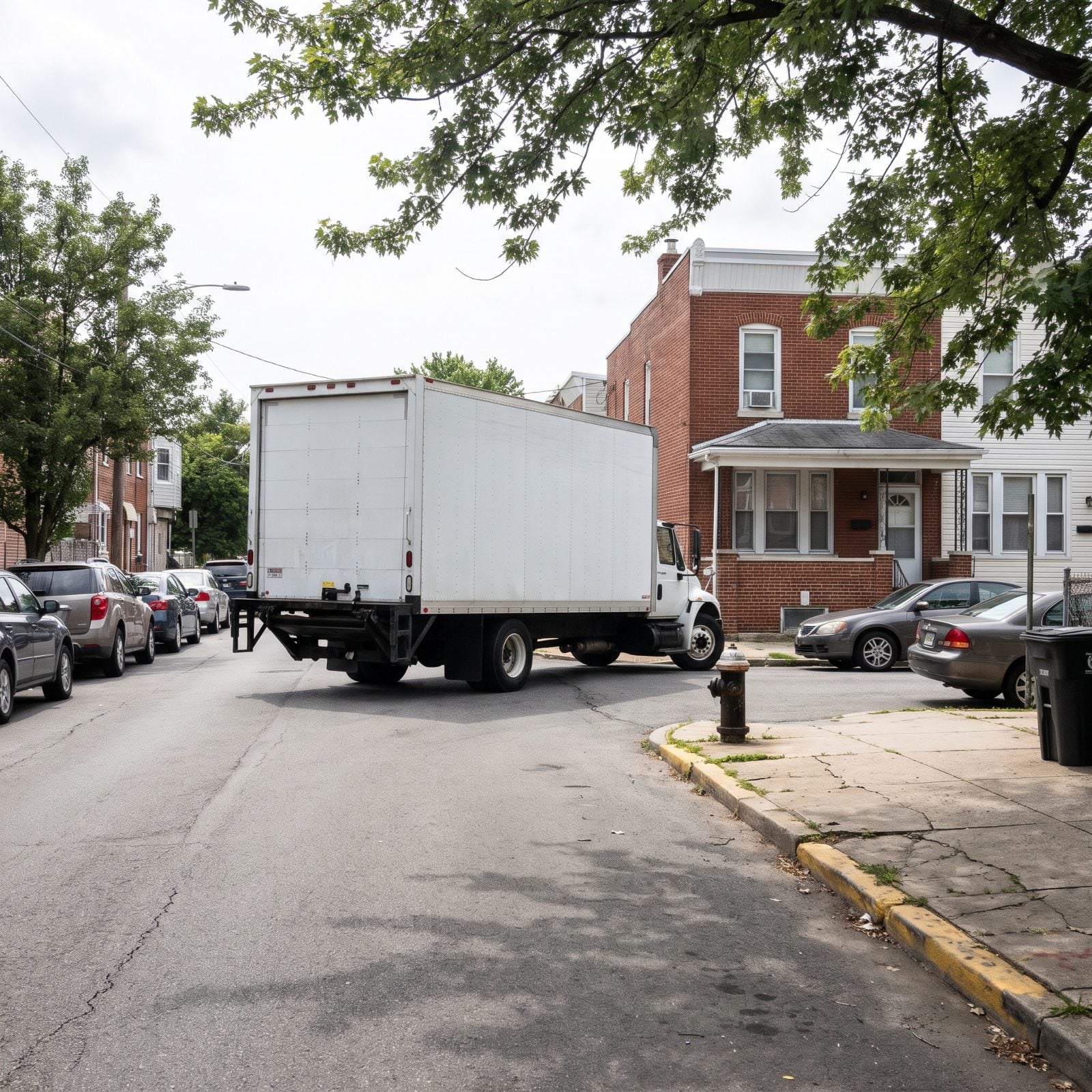
A mover’s whole day lives or dies on where the truck sits. Park fifteen feet from your door and the crew flies; park a block away because the street’s packed and every box just picked up a three-minute walk.
In order to come up with the very specific design ideas, we create most designs with the assistance of state-of-the-art AI interior design software. Also, assume links that take you off the site are affiliate links such as links to Amazon. this means we may earn a commission if you buy something.
They clock this before anyone opens a door — hydrants, permit zones, a neighbor’s car straddling your driveway apron. Call your city about a temporary parking permit a week out, and ask one friendly neighbor to hold the curb spot. Cheapest hour you’ll ever save.
36. The Front Door Is Farther From the Truck Than Quoted
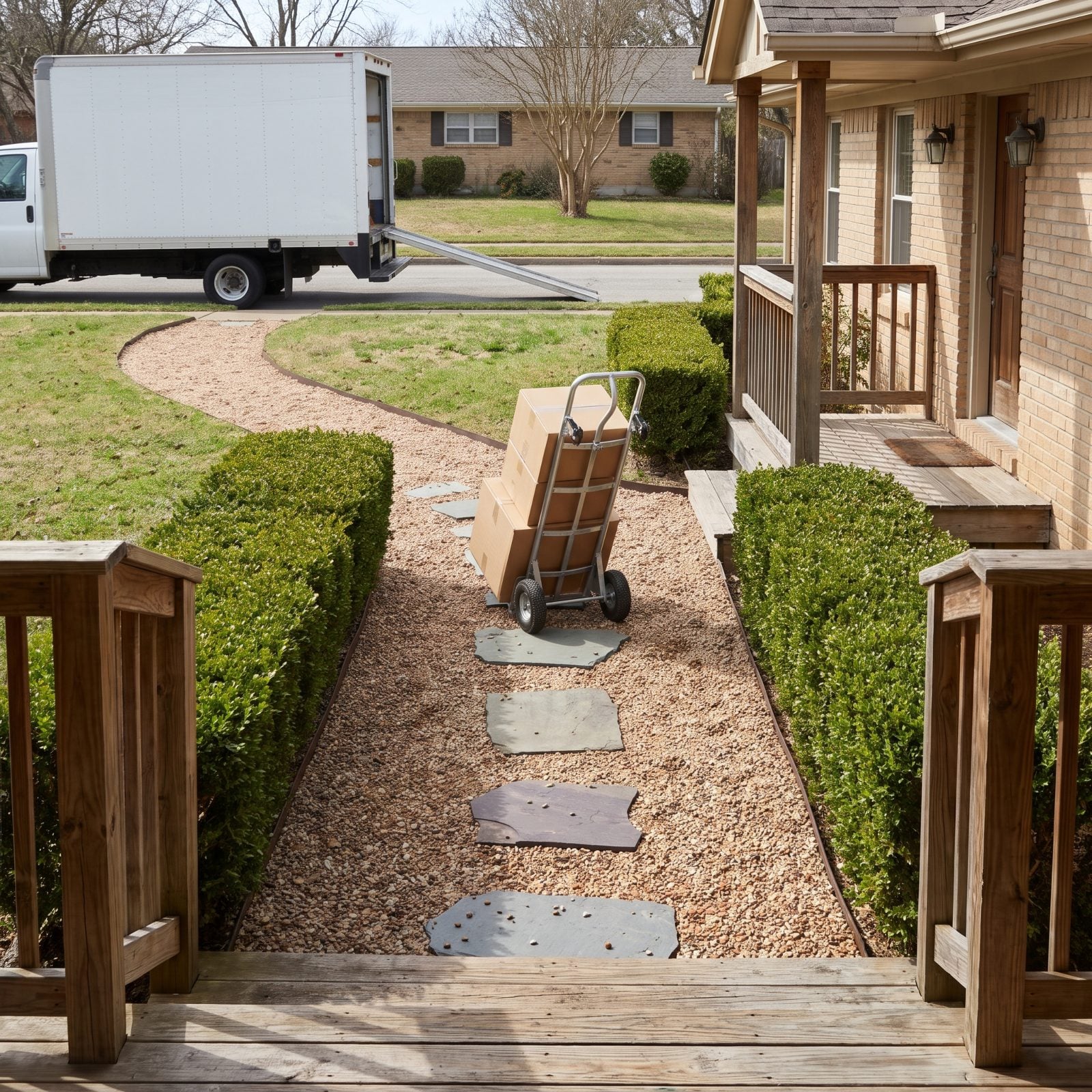
Online quote tools ask for your square footage. They never ask how far your front door sits from where the truck can actually stop.
Long garden paths, side gates, apartment courtyards you cross just to reach the lobby — every one of those feet gets multiplied by the number of trips. A team hauling a hundred items across a sixty-foot gravel path is doing a different job than the quote imagined, and they know it the second they see the walk.
35. The Service Elevator Was Never Reserved
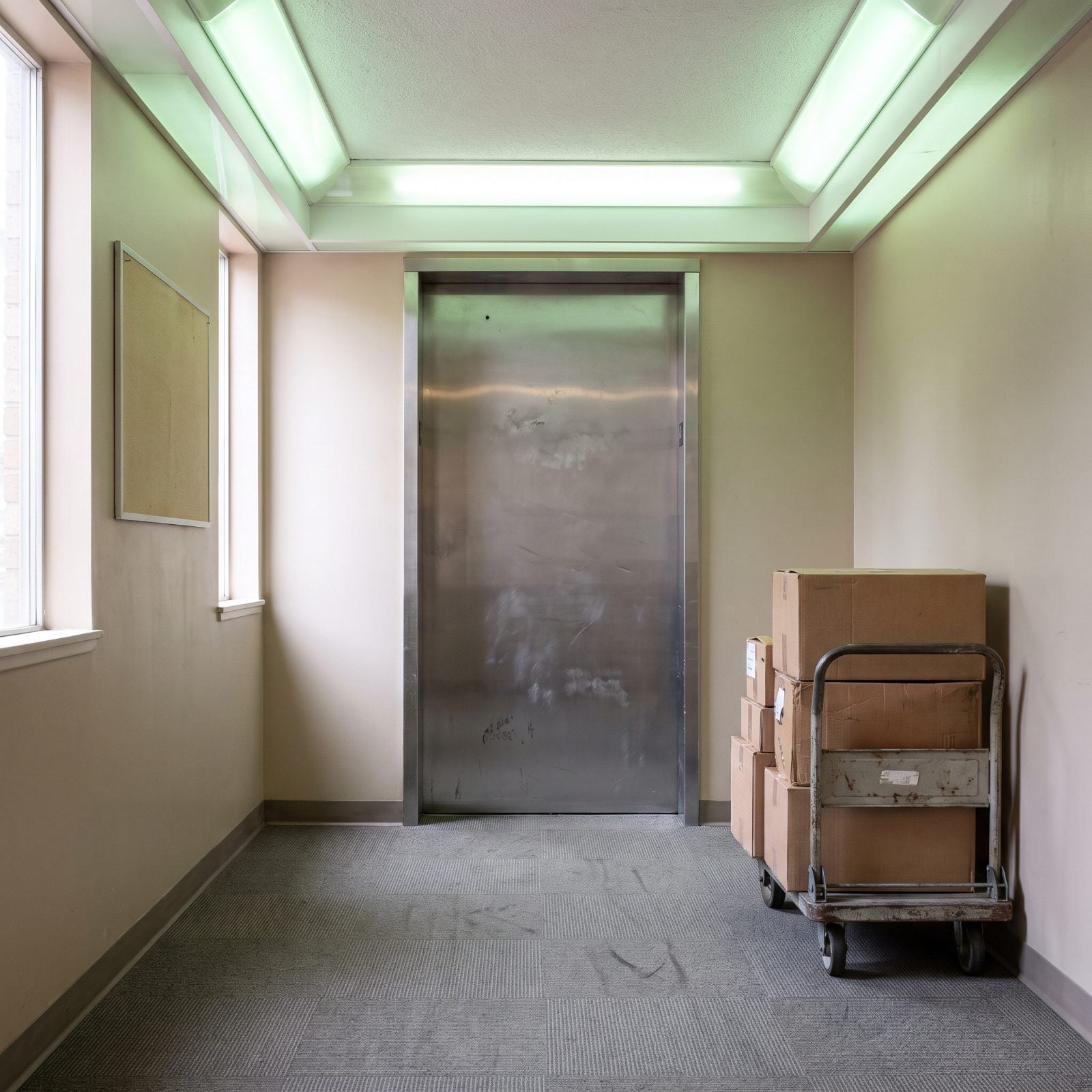
The elevator is the whole move in a condo building, and half the time nobody booked it.
Without a reservation you’re sharing it with every resident hauling groceries. Worse, if the building requires the padded service car, an unpadded passenger elevator might be against the rules entirely. The crew finds this out standing in the lobby with a loaded dolly and nowhere to go.
Reserve it in writing. Get the time slot, the padding arrangement, and the elevator’s actual interior dimensions. A sofa that won’t fit the car is going up the stairs, and that changes everything.
34. Building Rules Restrict the Available Moving Hours
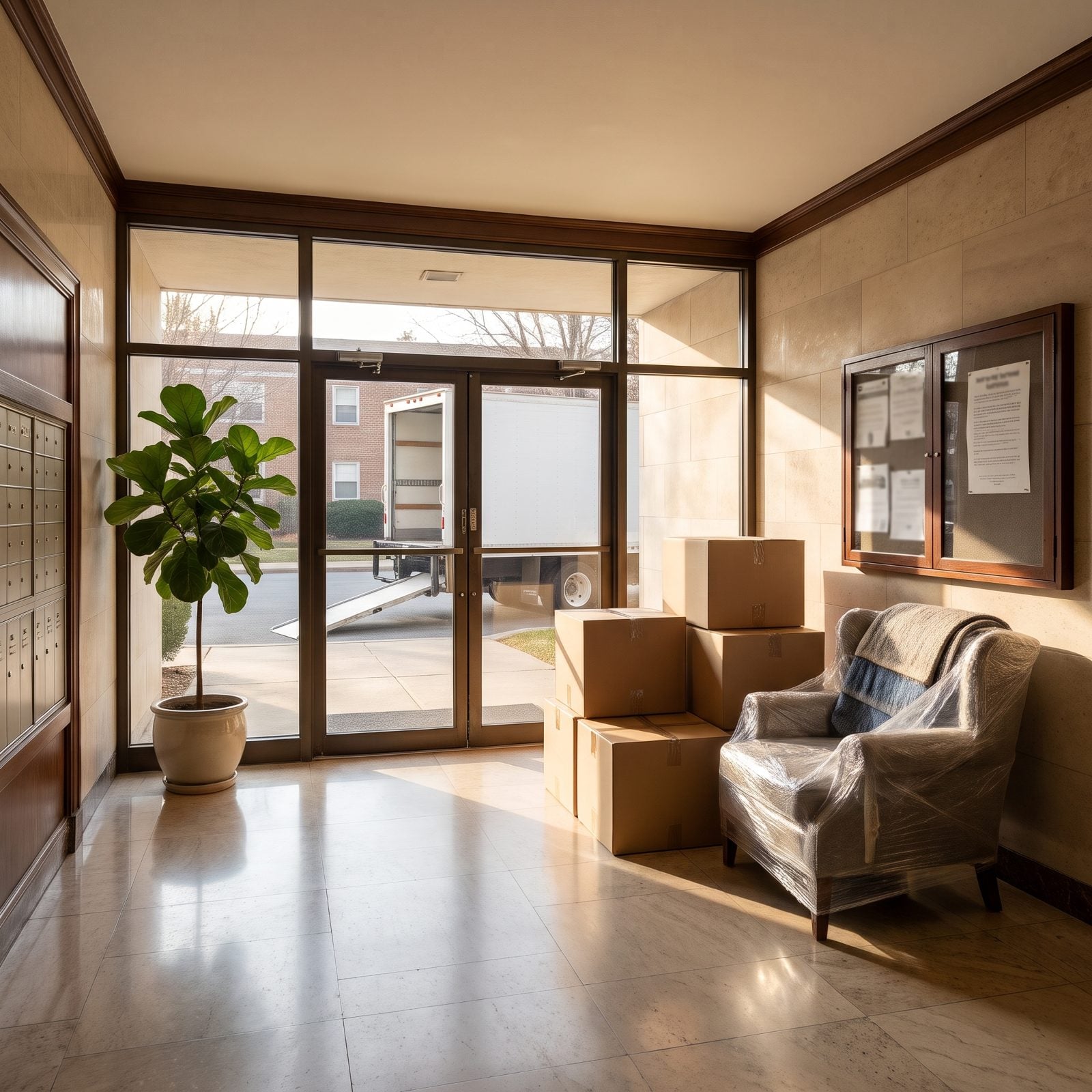
Some buildings only allow moves between nine and five. Some ban weekends. Some charge a deposit and cut you off at a hard stop no matter how much is left on the truck.
A crew that shows up at eight for a building that opens the dock at ten just lost two paid hours standing around. Check the move-in rules of both buildings, not just the one you’re leaving, and share them with your movers before the date gets locked.
33. The Crew Was Not Warned About a Difficult Basement Exit
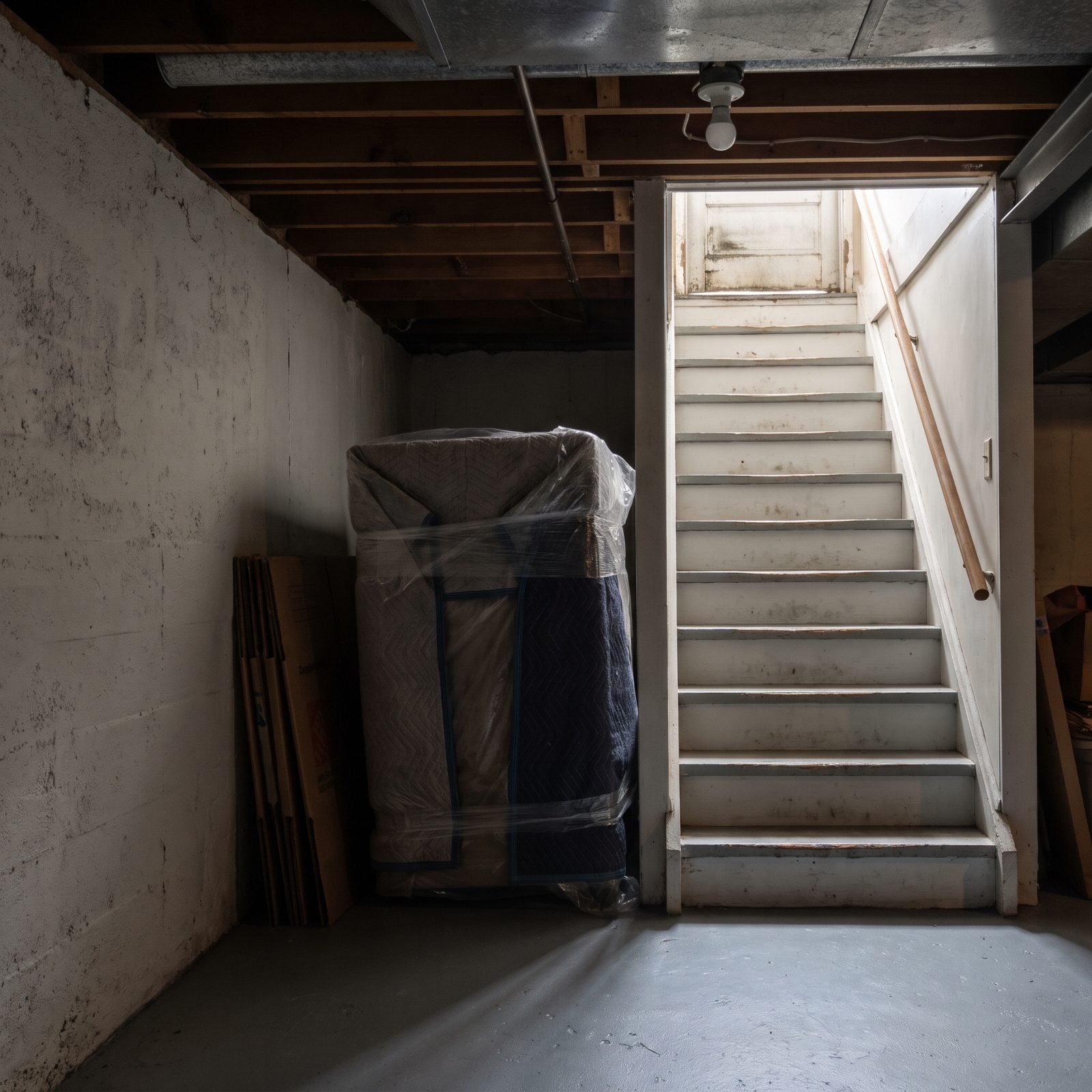
Basements hide the hardest exits in the house — a steep stair, a low beam at the top, a bulkhead door that opens at a stubborn angle into the yard.
A treadmill or chest freezer down there isn’t just heavy. It’s heavy on a route with no room to pivot. Movers plan their grip and their footing around what they expect. Spring a blind corner and a six-foot headroom clearance on them and the item either stalls or something gets scraped. Walk them down before they commit to lifting.
32. Planters and Decorations Obstruct the Carrying Route

You stopped seeing those porch planters years ago. Movers see them instantly, because they’re carrying a dresser and the only clear path is a zigzag around three terracotta pots and a bench.
Garden decor, wind chimes, the big ceramic planter flanking the door — all of it narrows the lane right at the choke point where the heaviest items pass. Clear the porch and the entry the night before. Move the pots to the grass. Give the crew a straight shot.
In our reader polls, ceramic was the clear pick when readers chose which planter they would buy, at 64%, so plenty of porches have heavy, breakable pots worth moving aside before the crew arrives.
31. Clutter Has Narrowed Every Carrying Path
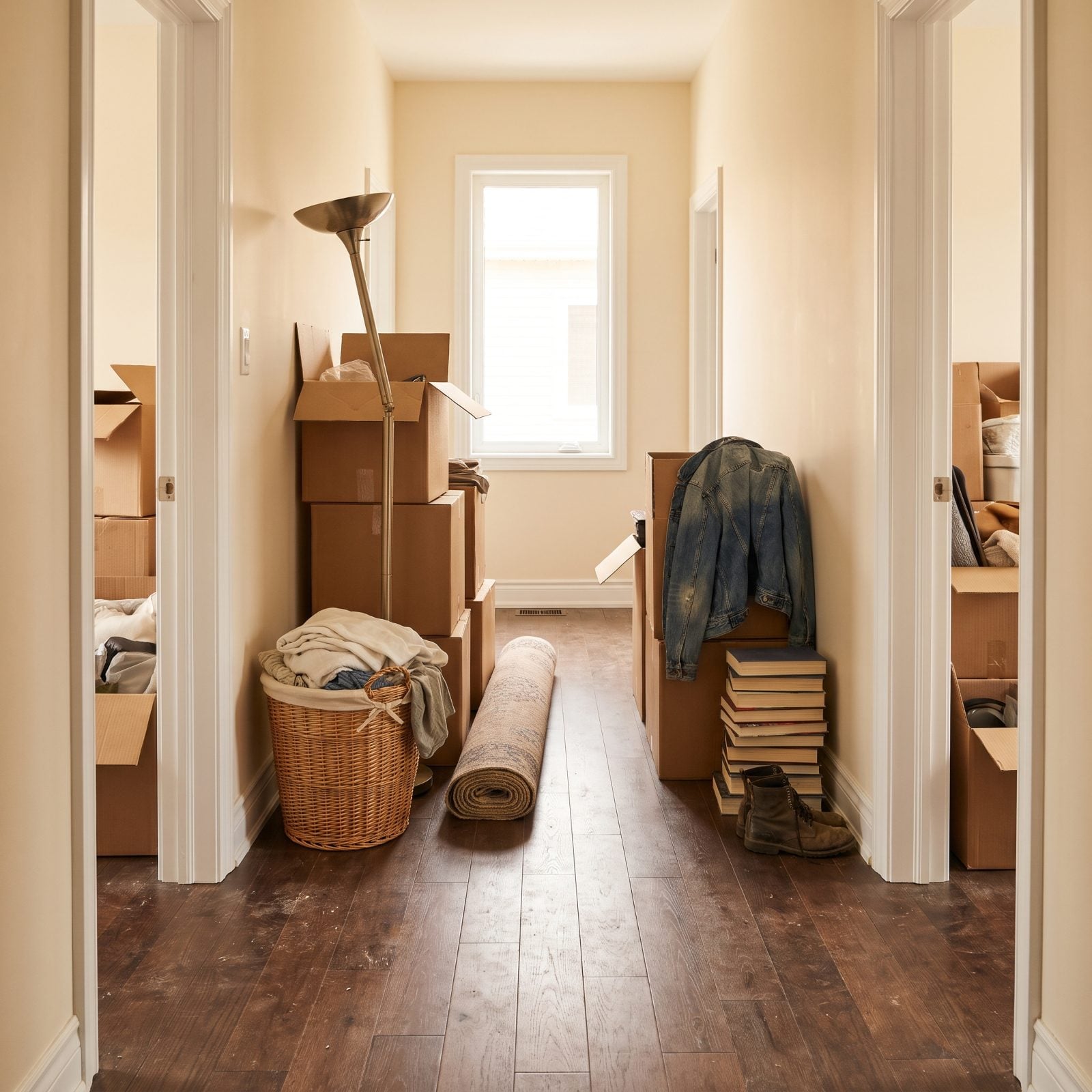
The move hadn’t started and the halls were already half blocked.
Loose clutter is the silent time thief. Half-packed boxes down the hallway, a lamp in the doorway, a laundry basket parked on the stairs — each one forces a crew to set down, step around, and pick back up. Multiply that by every trip and you’ve added an hour to a day that didn’t need it.
30. Large Furniture Cannot Clear the Doorway

Big sofas come into a house one way. Sometimes they only leave another.
A sectional that arrived before the interior doors were hung, a bed frame that went up when the room was bare, a bookcase taller than the stairwell is wide. Pros measure the widest piece against the narrowest opening, and sometimes the answer is grim: the legs come off, the door comes off its hinges, or it goes out the window on straps. Knowing which before they lift saves a wall and a reputation.
Measure your biggest pieces and your tightest doorways ahead of time. If a gray media room sofa barely fit coming in, assume it’ll fight you going out.
29. A Tight Staircase Turn Will Require Extra Work
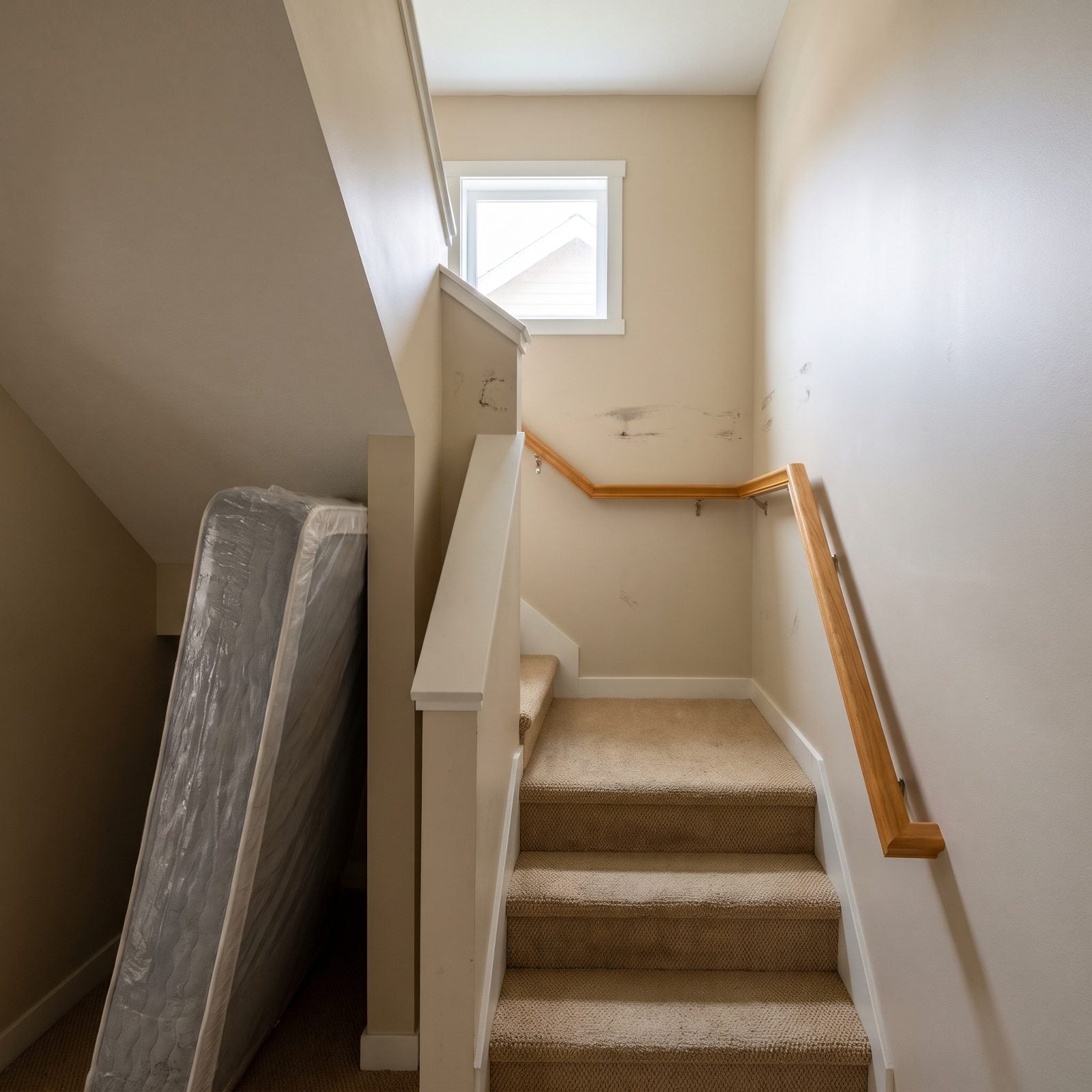
The scuff marks at shoulder height on your landing wall tell the whole story. Something big fought that turn once already.
A ninety-degree landing is where furniture goes to get stuck — not enough swing room to pivot a long piece, a low ceiling pressing down, a handrail that eats six precious inches. The crew sizes up the turn before they touch the mattress, because getting it half-committed and wedged is the worst place to be.
28. A Loose Railing Creates a Serious Safety Hazard
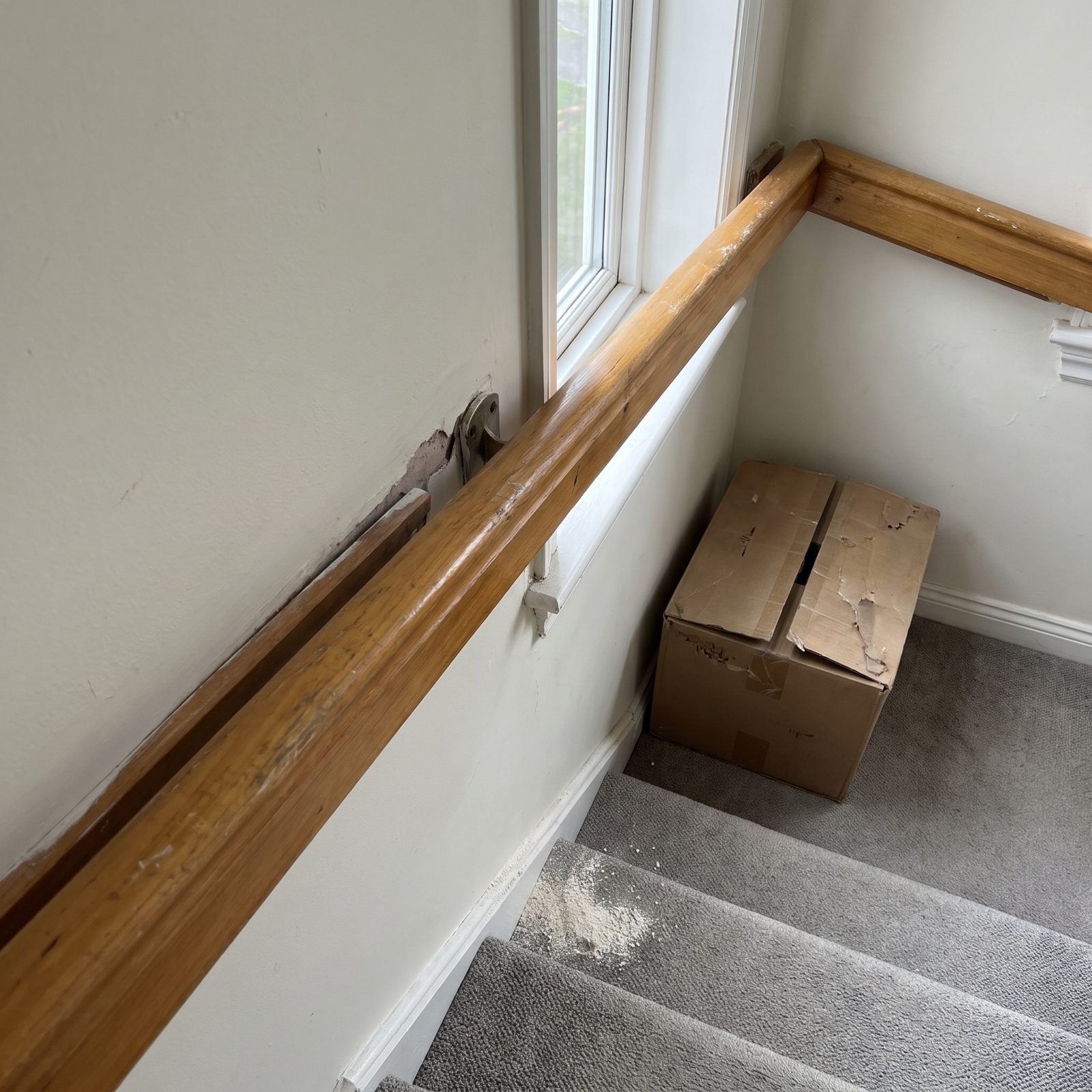
This one stops a careful mover cold. A handrail that wobbles when you lean on it isn’t cosmetic — it’s the thing someone grabs while backing down a stair under three hundred pounds of armoire.
A loose bracket, a railing pulling out of the plaster, a wobbly newel post at the bottom. Pros test the rail with a firm pull before they trust it, and if it gives, they re-route or brace it. Tighten yours the week before, and point out anything you couldn’t fix. Nobody wants the move to be the thing that finds the weak spot.
27. Low Pendant Lights Hang in the Carrying Path
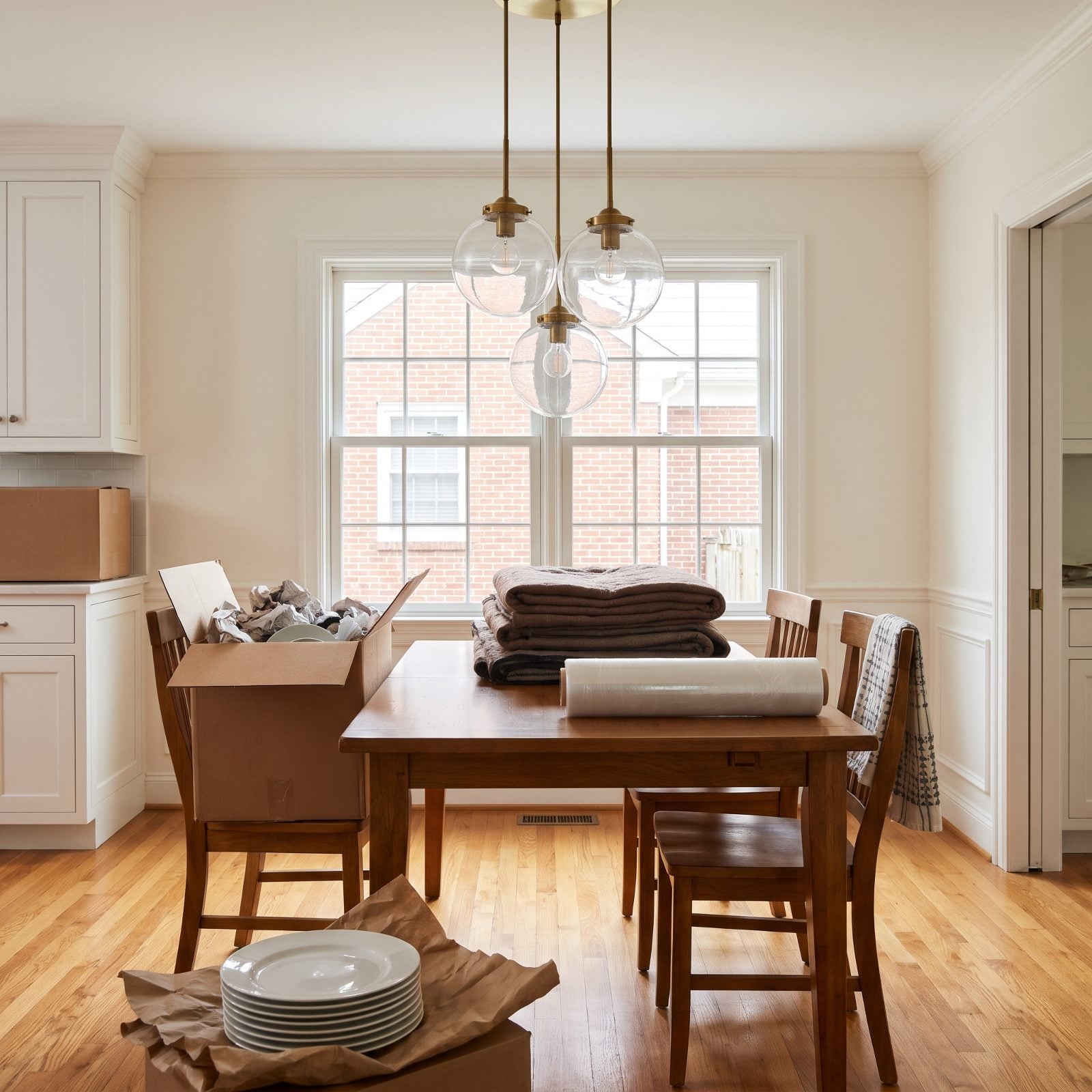
That glass pendant hanging two feet above the table is the first thing a crew clocks on the walk-through — not because it’s ugly, but because it sits exactly where a wrapped headboard needs to swing.
Low fixtures over tables and kitchen islands are the quiet casualties of moving day. A mover carrying a mattress can’t see the globe at forehead height, and one wrong pivot leaves you with glass on the floor and a dent in the ceiling.
26. Rain, Snow or Mud Was Not Planned For
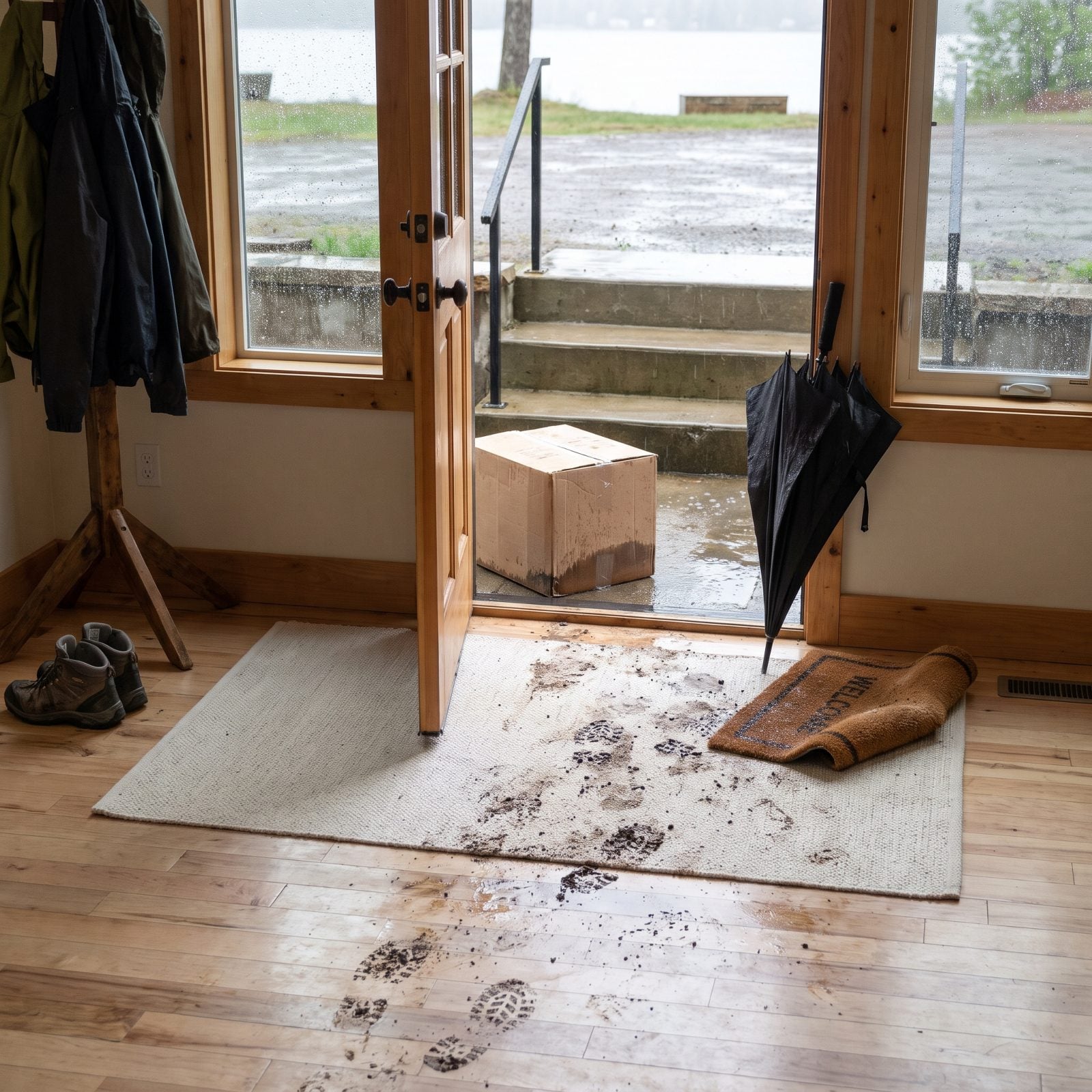
Weather is the variable nobody controls and almost nobody preps for. A crew shows up, it’s drizzling, and suddenly every box bottom is a sponge and every step is a slip waiting to happen.
Movers notice immediately whether you’ve laid down anything at the door. Wet boots on bare hardwood is how you get a long brown skid mark and a near-miss with a dresser.
25. Packing Is Still Underway When the Crew Arrives
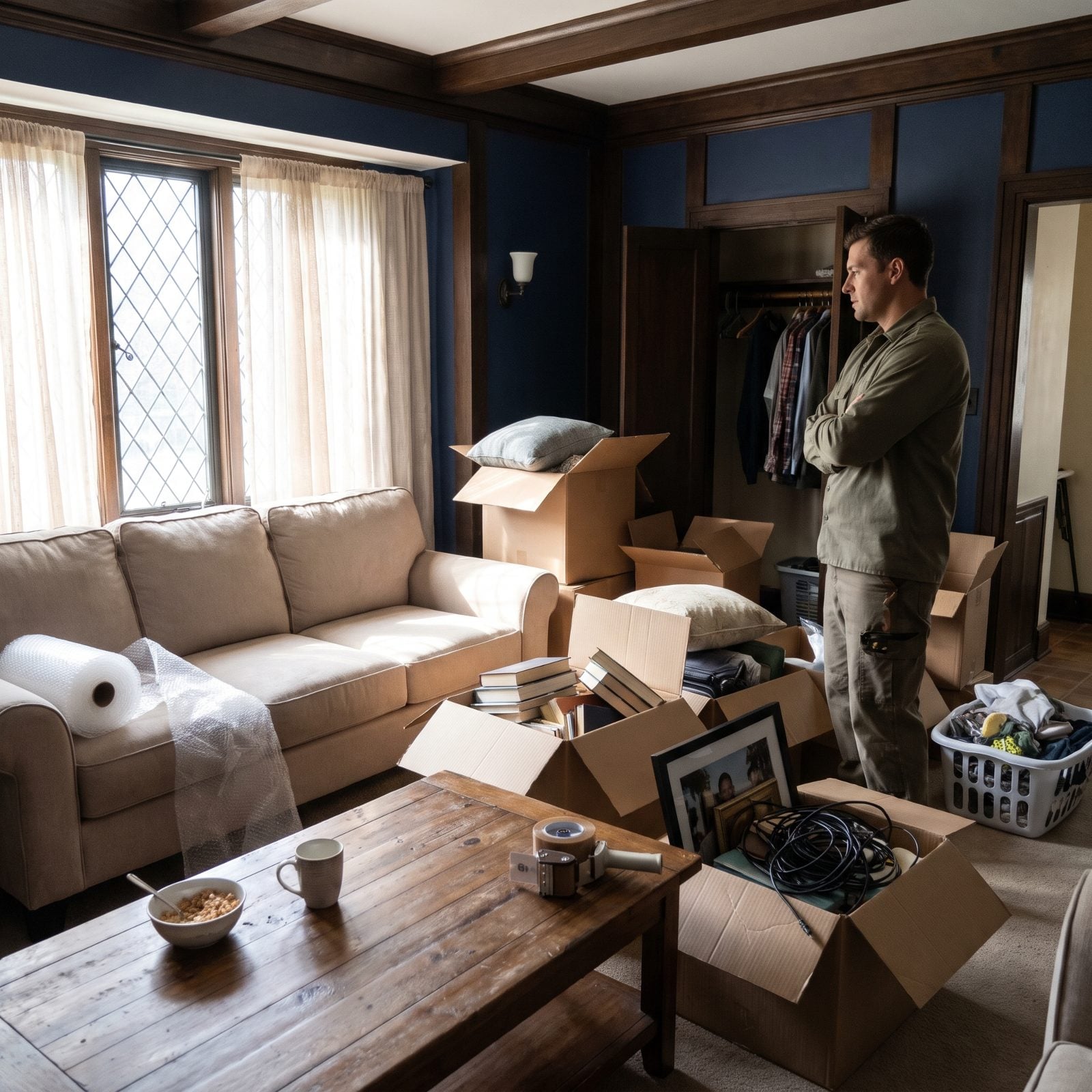
You said you’d be ready. The crew arrives at eight and the kitchen cabinets are still full.
This is the single most common thing movers walk into, and it costs you directly. Hourly crews start the clock the moment they’re on-site, so watching three people stand around while you wrap glasses is money evaporating in real time.
Recalling how often crews arrive to homes that aren’t ready, a moving company co-founder says “You would be surprised if you knew how many clients we have found still asleep when we rang the doorbell.”
24. Reused Boxes Are Too Weak to Stack Safely
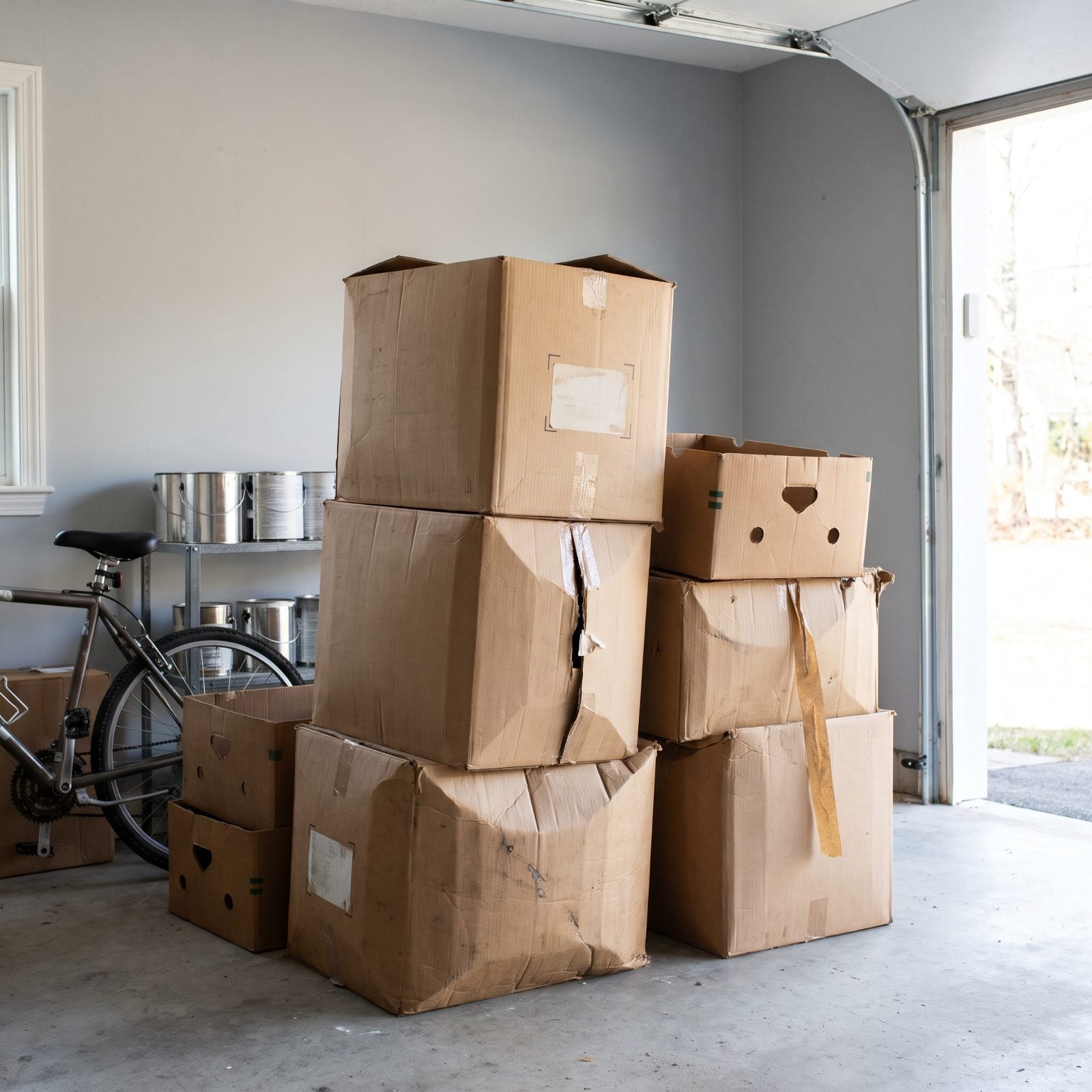
Free boxes feel like a win until one blows out halfway up the truck ramp.
A box that moved once already has lost some of its spine — corrugated cardboard compresses every trip. Movers can read a weak box by sight: soft corners, a sag in the middle, tape doing the work the fibers can’t manage anymore. Those won’t stack, and a truck packed with un-stackable boxes wastes space and shifts in transit.
23. Book Boxes Are Dangerously Overloaded

A big box full of books is a trap, and movers spot it from across the room.
Books are deceptively dense. Fill a standard large box with hardcovers and you’ve built something that weighs as much as a small appliance and has no handles. Backs get wrenched lifting these. Bottoms blow out and dump your first editions on the stairs.
Asked about packing books for a move, a self-storage professional in Houston warns “A large box full of books can be impossible to lift and may break.”
22. Boxes Are Missing Destination-Room Labels
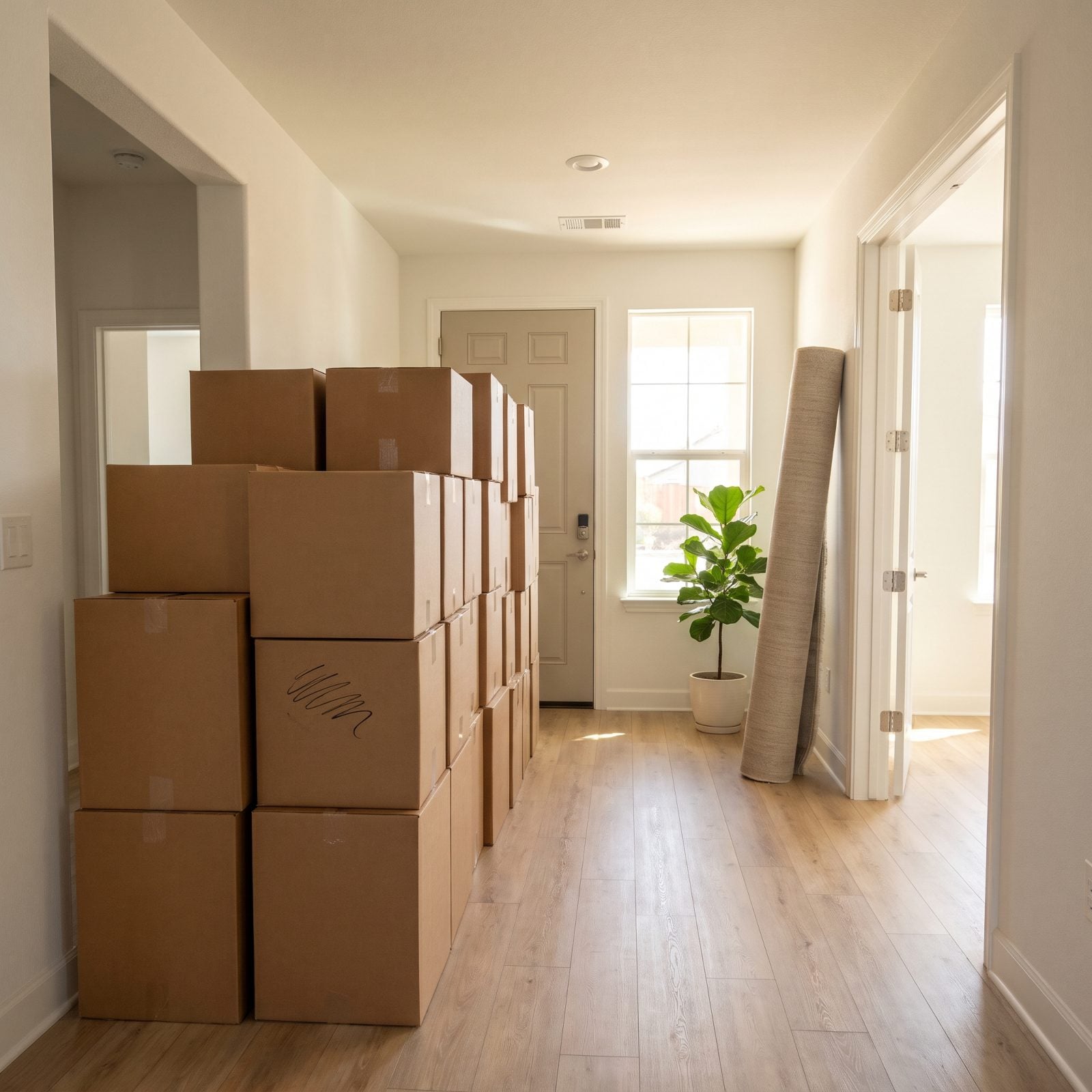
Unmarked boxes don’t slow down the move. They wreck the unpack.
A crew can carry a blank box anywhere, but they’ll ask you every single time — or worse, guess wrong and leave the kitchen stuff in the garage. Then you’re hunting for the coffee maker at midnight in a stranger’s handwriting.
Mark the top and at least one side with the destination room. Color-coded tape works even faster across a crowded truck, and the twenty minutes you spend labeling buys back hours on the other end.
Writing about the box labels that confuse crews, a team of professional movers advises “Make sure to either label boxes more specifically (upstairs far right bedroom) or be able to direct your movers to the right place.”
21. Fragile Objects Are Packed Beneath Heavy Items
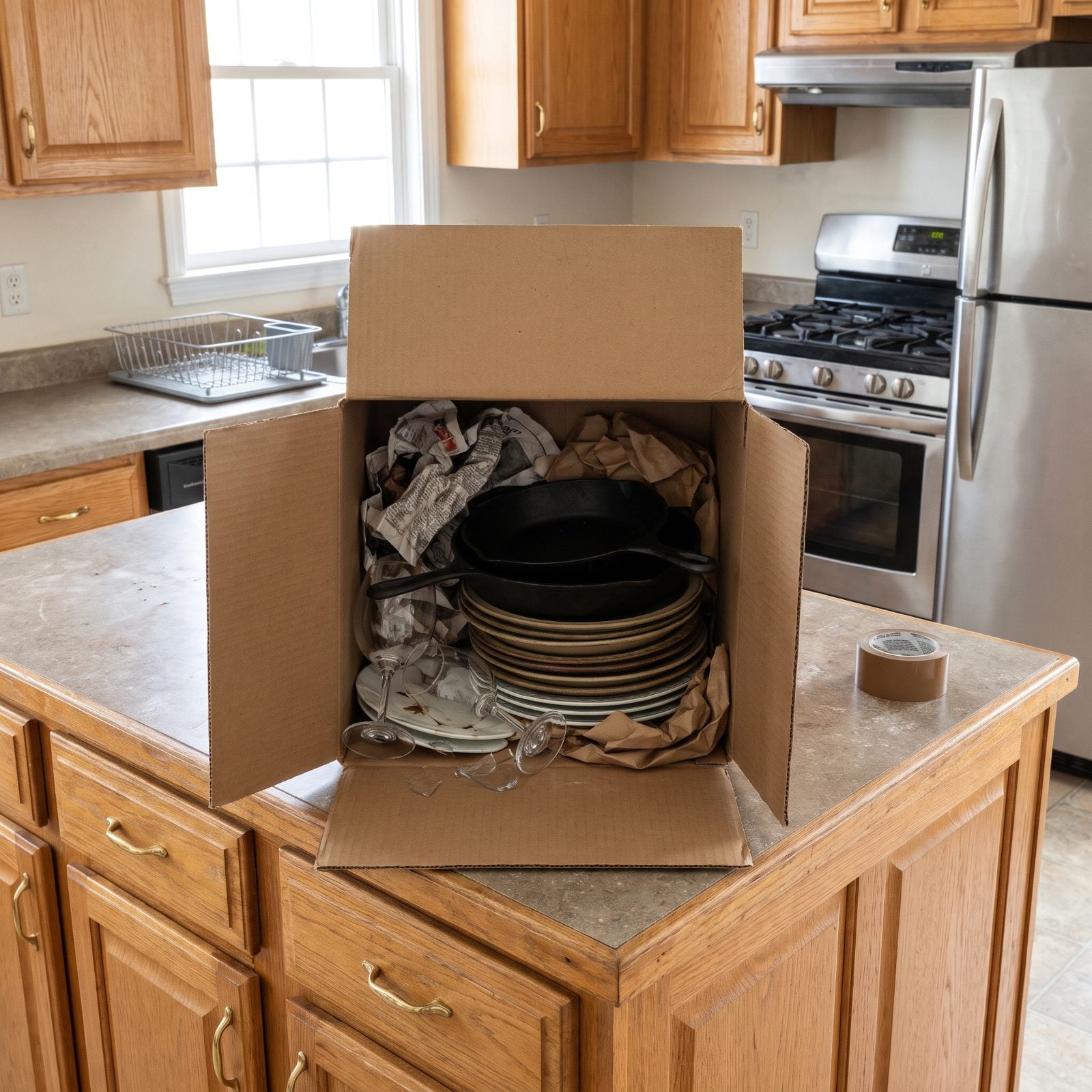
Heavy on the bottom, light on top. The rule is that simple, and people break it constantly.
Movers open a box, see the cast-iron skillet sitting on the wine glasses, and know exactly how that’s going to end. Weight needs to travel at the base, while fragile things ride on top, wrapped, with soft fill around them so nothing knocks.
The same logic rules the kitchen itself, where a fridge, stove and dishwasher get disconnected and padded with equal care. Pack a box the way you’d stack a shelf, not the way you’d dump a laundry basket.
20. Large Furniture Has Not Been Disassembled
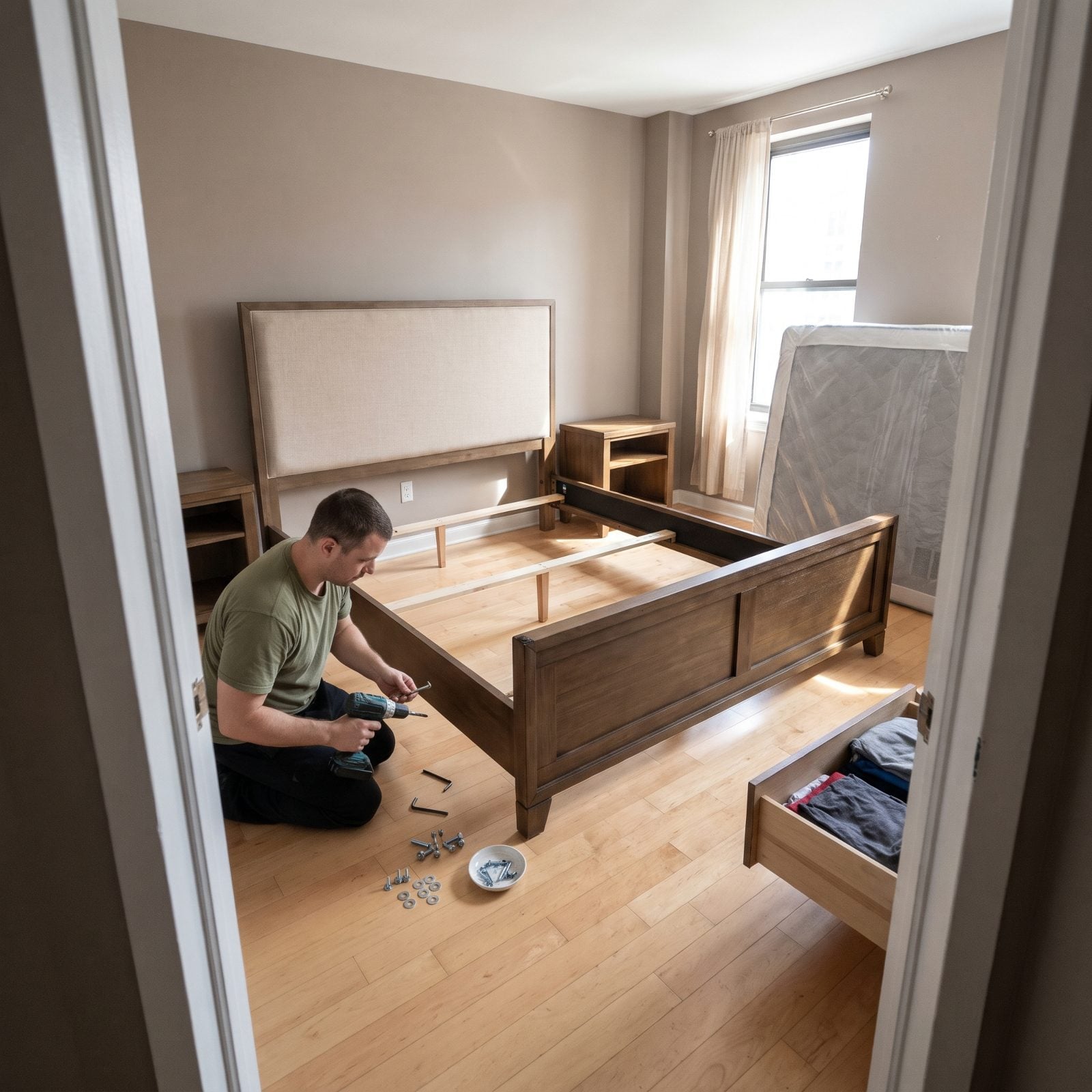
The bed frame that walked into the house in pieces has to walk out the same way.
Crews expect to break down big furniture, but doing it on the clock eats time you’re paying for, and finding the hardware afterward is its own small nightmare.
19. Particleboard Furniture May Not Survive the Move
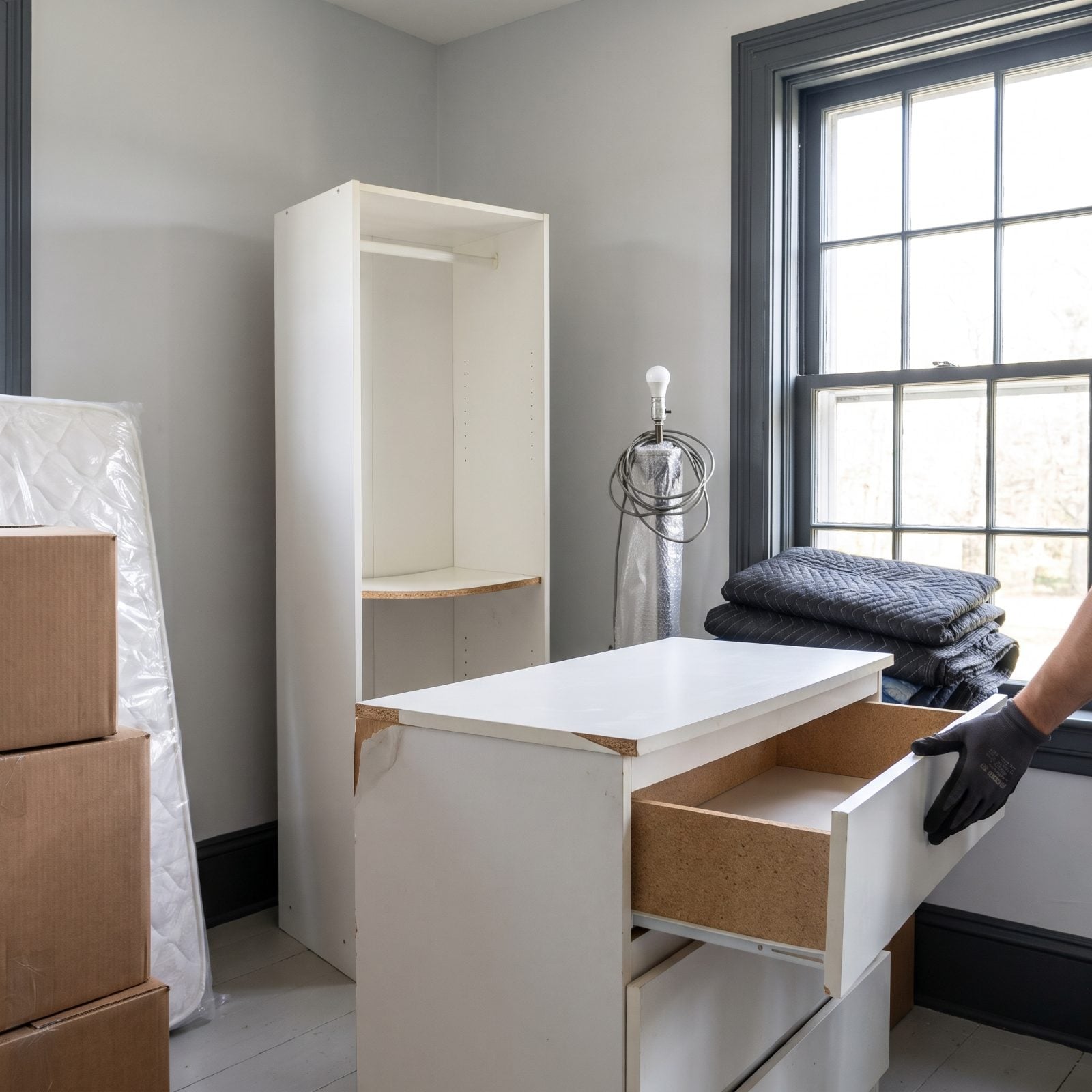
That flat-pack dresser assembled once, in place, and it never wanted to move again.
Particleboard and laminate furniture is built to be assembled where it stands — not jostled down a flight of stairs. The joints loosen the first time it’s tipped, screws strip out of compressed sawdust, and movers can feel the wobble the second they lift a corner. They’ll tell you flat: this one might not make it.
18. Furniture Hardware Is Loose or Already Missing
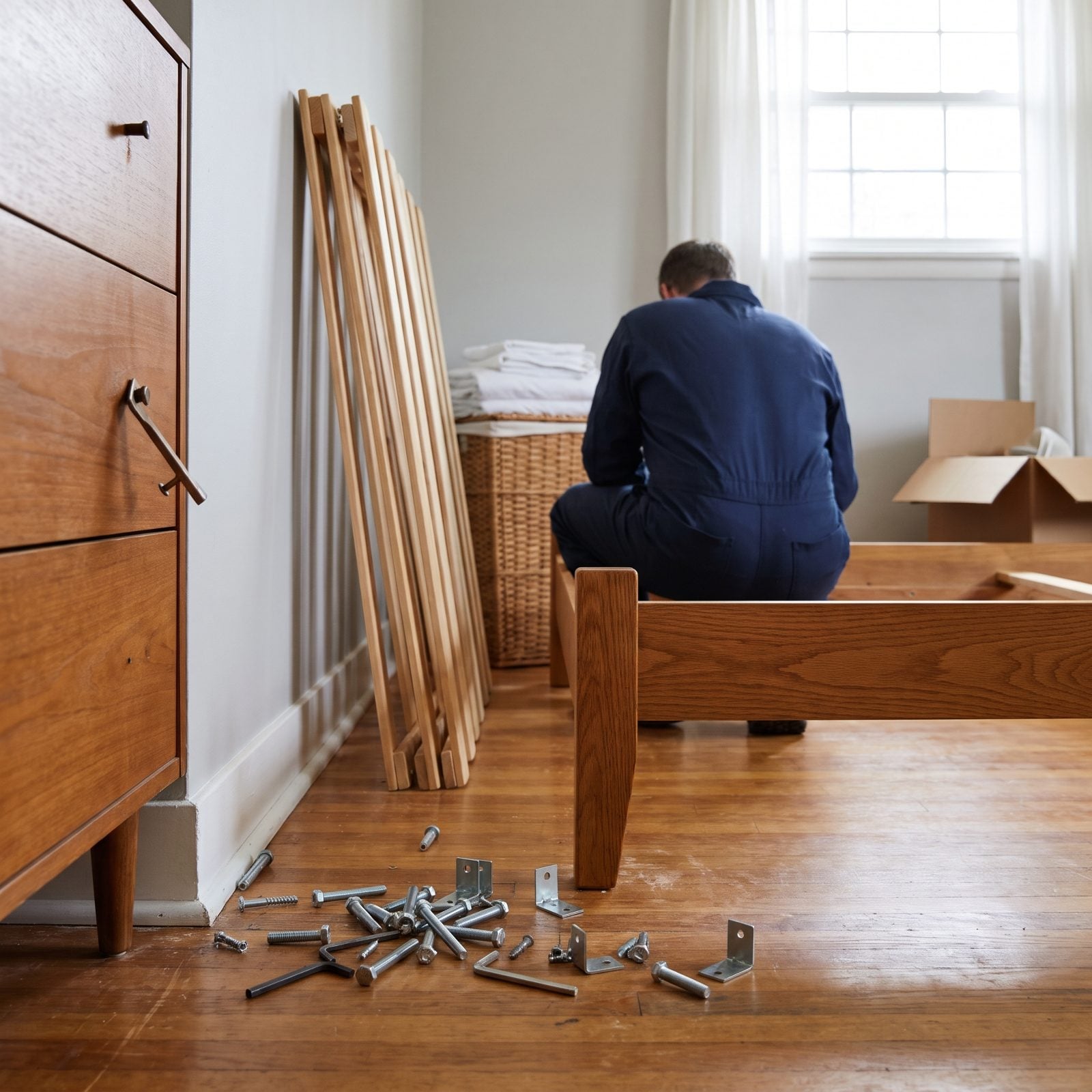
Movers give every big piece a little shake before they lift it. A wobbly table leg, a dresser drawer that drops out of its track, a bed frame held together with two of its four bolts: they feel it in the first second.
Loose hardware turns into missing hardware somewhere between the truck and the new bedroom. Tighten what you can the week before, and if something’s already short a screw, say so up front. When pieces do come apart, drop every bolt into a zip-top bag and tape it to the furniture it belongs to, not a random junk drawer box.
17. Mattresses Have No Protective Bags
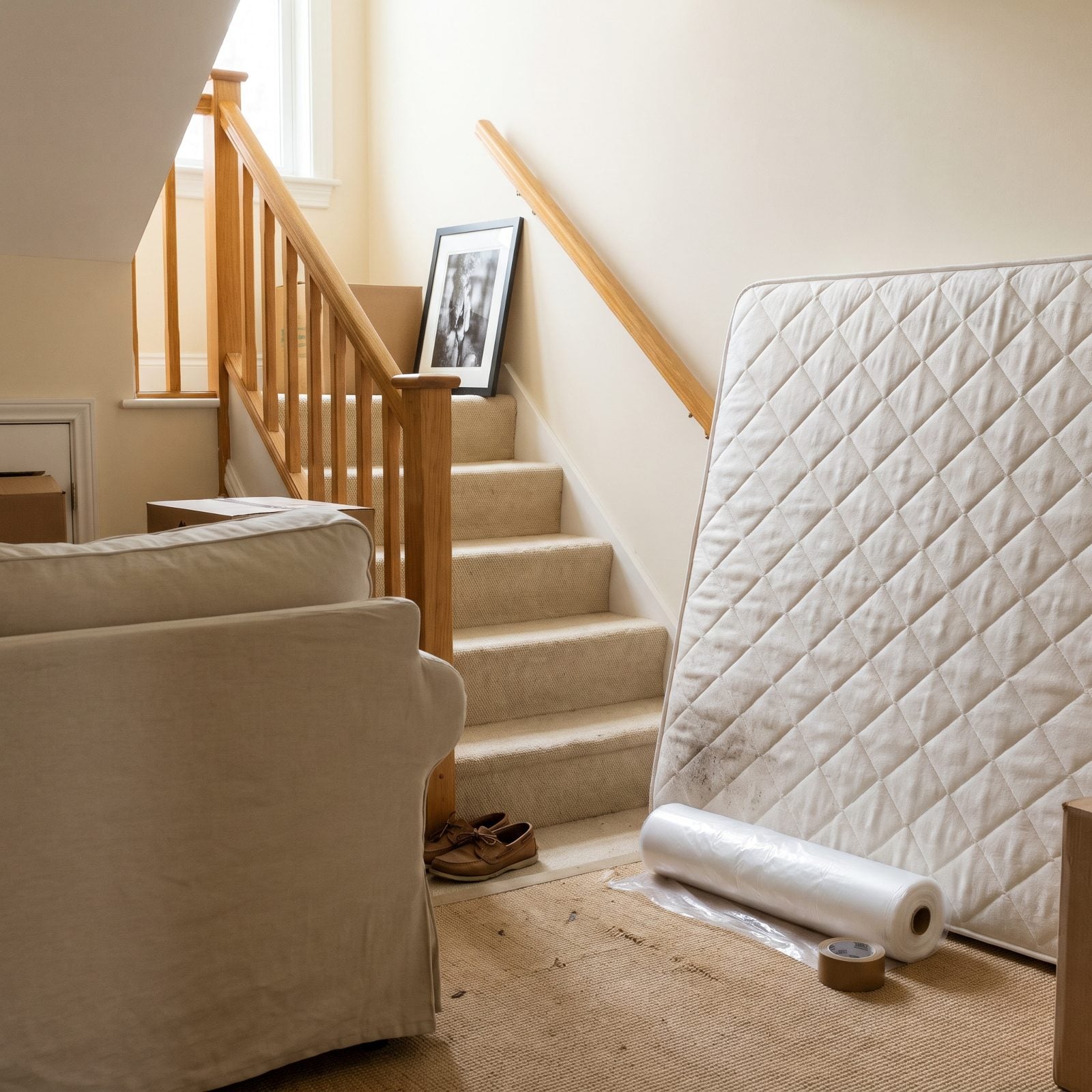
A bare mattress on moving day is a big, floppy, absorbent target. It drags against door frames, brushes the truck floor, and picks up whatever’s on the ramp. If it’s drizzling, it soaks it up.
Crews notice right away when there’s no bag, because now they’re the ones carrying something that stains on contact. Plastic mattress bags are cheap and sold at most moving supply and hardware stores. Bag every mattress and box spring the night before, after the sheets come off, and seal the open end with packing tape.
16. Mirrors and Artwork Are Barely Protected

A mirror wrapped in one bath towel is the kind of thing that makes a mover slow down and frown. Glass and framed art are flat, awkward, and unforgiving. One knock against a stair rail and the corner’s gone.
Give them real protection: cardboard corner guards, a layer of padding or bubble wrap, then a mirror or picture box sized close to the piece so it can’t shift. Mark them fragile and tell the crew which ones matter most. Large mirrors ride on edge, never flat, so they shouldn’t end up under anything.
When we asked Home Stratosphere readers about wall art, about half chose one large piece over a gallery wall or mirror, so many homes have at least one big frame that needs proper padding.
15. The Television Is Still Mounted on the Wall
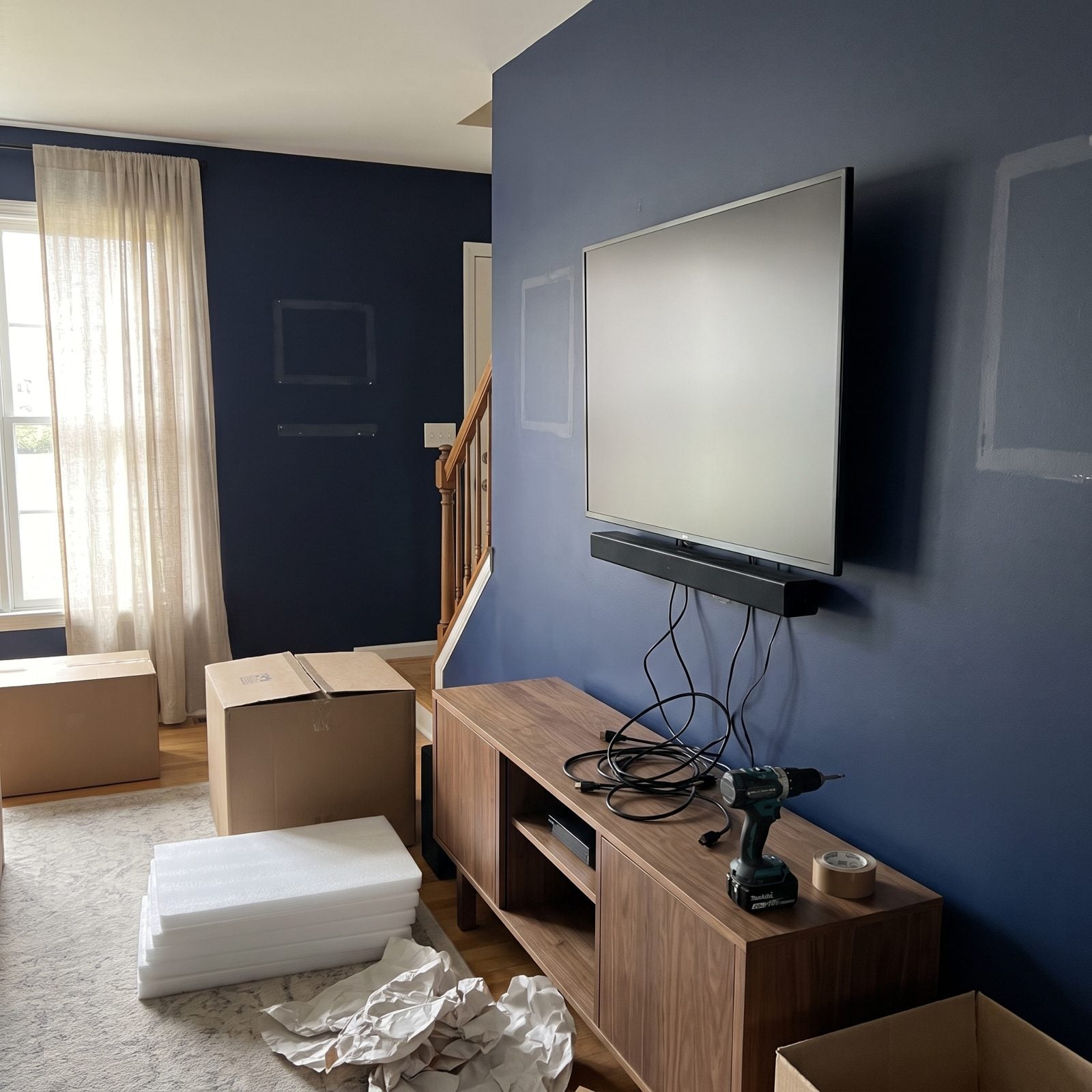
A flat-screen still bolted to the living room wall tells the crew two things: somebody has to take it down, and nobody has figured out how to pack it. Plenty of moving companies treat unmounting as an extra service, and some won’t do it at all.
Take it down yourself a day or two ahead, or confirm in writing that the movers will handle it. Keep the mount bolts, brackets and remote together in a labeled bag. If the original box is long gone, a TV box from a moving supply store keeps the screen upright and padded instead of riding loose against a dresser.
14. The Refrigerator Was Not Emptied and Defrosted
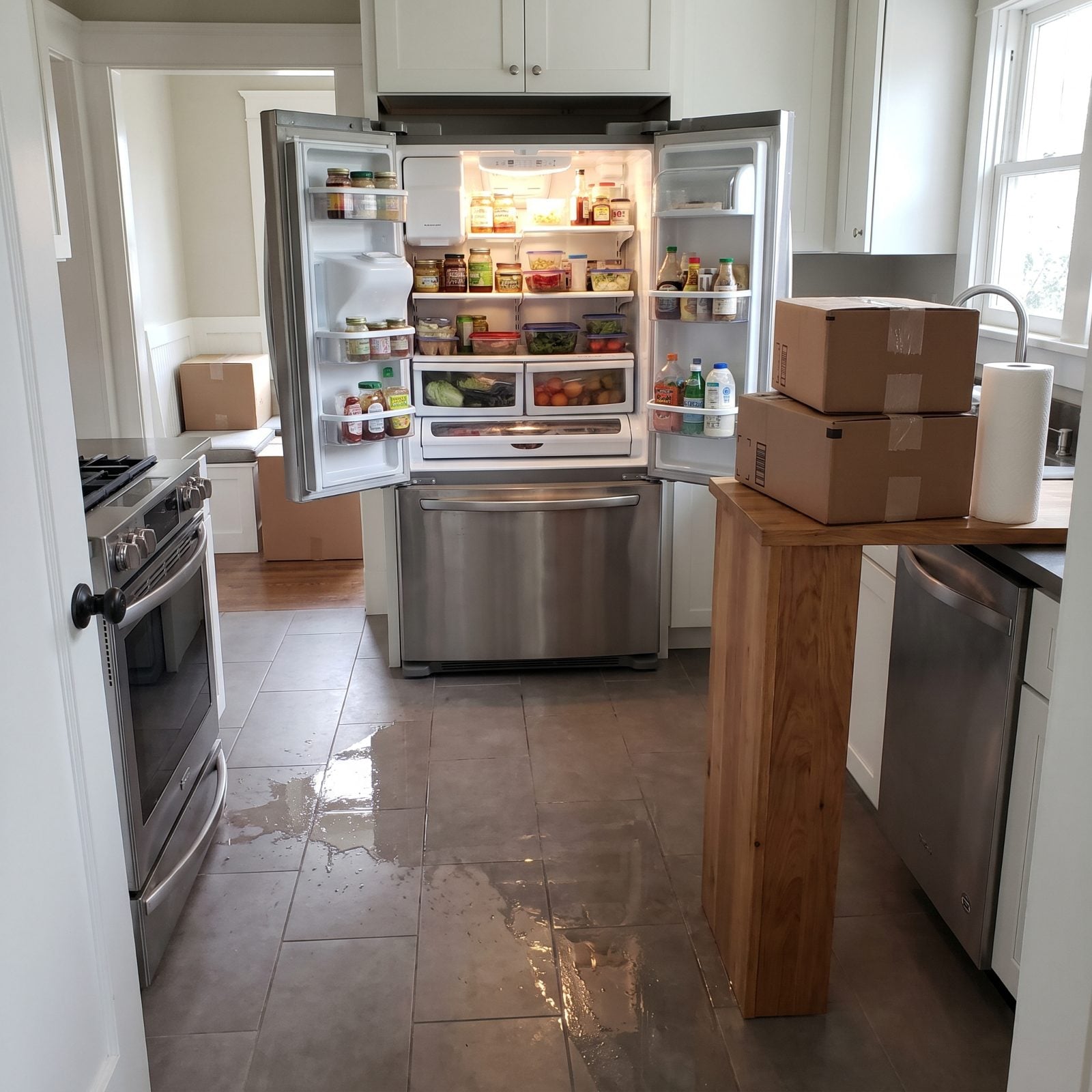
Movers can tell from across the kitchen when a fridge is still running. A full, cold refrigerator is heavier, it leaks as it warms up, and anything left inside can spill or spoil in the back of a closed truck.
Eat down the contents in the days before the move, then empty it, unplug it, and leave the doors open to defrost a day or so ahead. Wipe it dry and tape the shelves and drawers in place. At the new place, the common advice is to let it stand upright for a while before plugging it back in, so check your manual.
13. The Washing Machine Still Contains Water
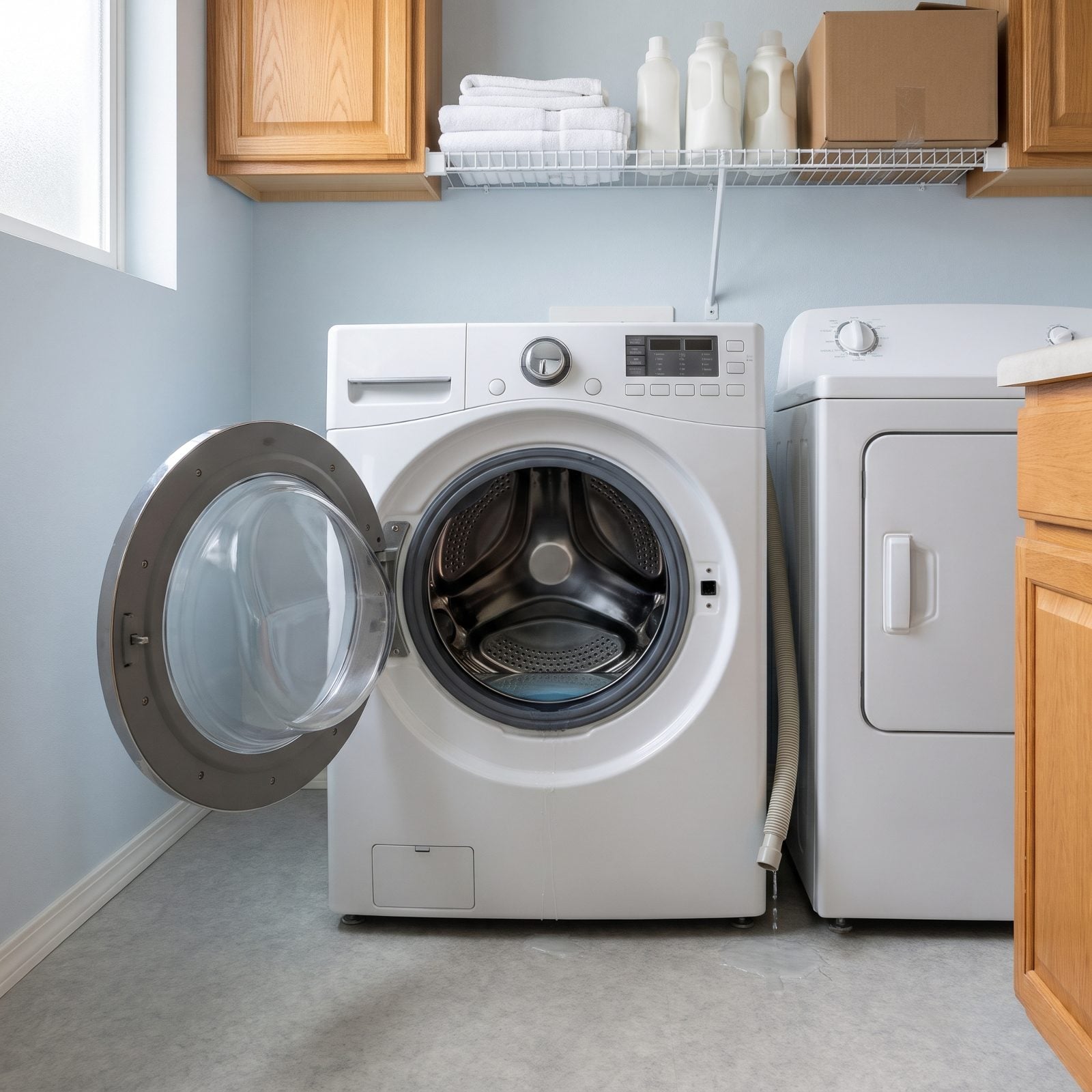
Tip a washing machine onto a dolly and any water sitting in the drum, pump or hoses goes somewhere. Usually that’s the floor, the dolly, or the next box down in the truck.
Run a drain or spin cycle the day before, shut off the supply valves, disconnect the hoses and let them empty into a bucket. If you have a front-loader, dig out the shipping or transit bolts that came with it; many manufacturers recommend reinstalling them before a move to keep the drum from banging around. No bolts? Mention it to the crew so they can secure it differently.
12. Propane Tanks and Hazardous Materials Are Waiting in the Garage
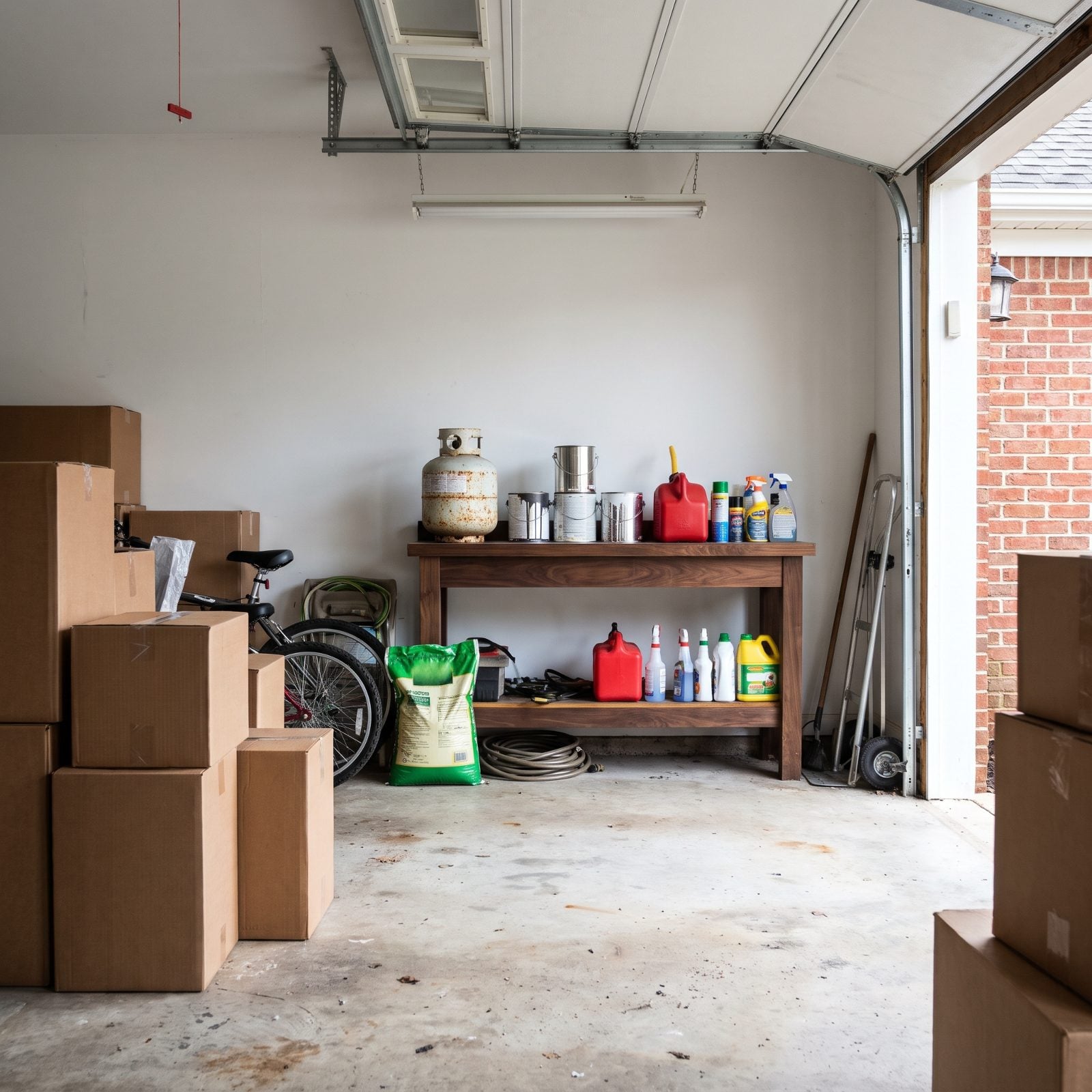
The garage walk-through is where crews find the stuff they won’t load. Propane tanks, gas cans, paint thinner, pool chemicals, aerosol cans, half-empty bottles of lighter fluid: most moving companies simply don’t carry flammable or hazardous materials, and a crew discovering them on moving day means a pile left behind and a scramble to figure out what to do with it.
Ask your mover for their do-not-ship list a couple of weeks out. Use up what you can, give the rest to a neighbor, or take it to your local hazardous waste drop-off. Empty fuel from the mower and trimmer before they go on the truck.
In an interview, one longtime professional mover recalls telling a customer he couldn’t move a shotgun shell loader, only to be shown giant bins in the basement filled with black powder.
11. Open Liquids Are Likely to Leak in Transit
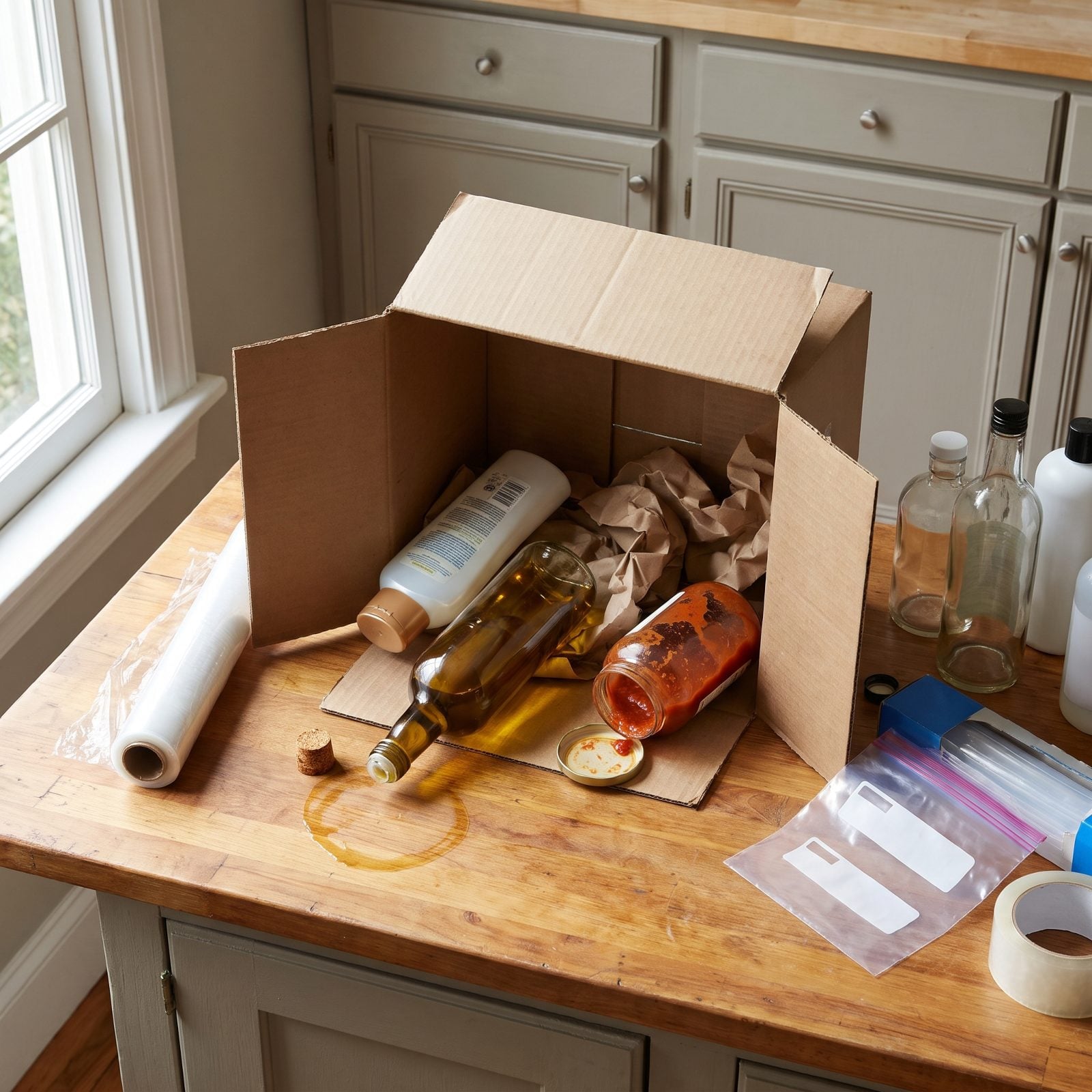
Olive oil, dish soap, shampoo, that bottle of bleach under the sink. Movers know a box of open liquids by the way it sloshes, and they know it’s the one that will soak through and ruin whatever’s stacked under it.
Toss or use up anything nearly empty. For what stays, unscrew each cap, lay a square of plastic wrap over the opening, screw the cap back on, and tape it. Then bag the bottles and pack them upright in a box marked liquids, this side up. Keep cleaning chemicals separate from food.
10. Jewelry and Other Valuables Were Not Set Aside

A jewelry box sitting open on a dresser makes a good crew uneasy. They don’t want to be anywhere near your grandmother’s ring when something goes missing in the shuffle, and moving contracts often limit or exclude coverage for high-value items unless they’re declared in advance.
Gather jewelry, cash, watches, small heirlooms and anything irreplaceable into one bag that travels with you, in your car, never on the truck. Do it before the crew arrives so nobody is digging through drawers while strangers walk in and out.
9. Medications and Essential Documents Are Packed Away
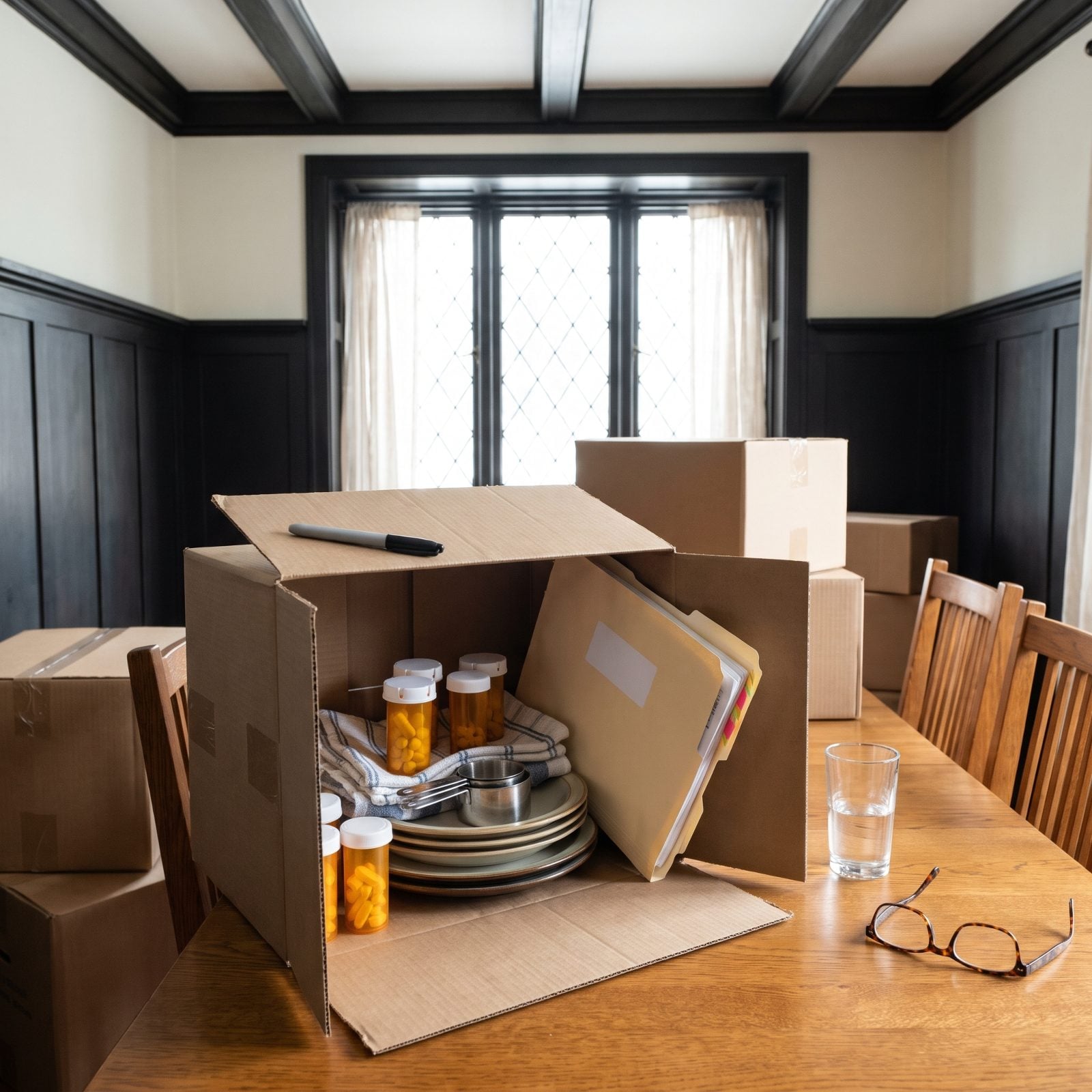
Around midday someone always asks, where are my pills? And the answer is usually inside a sealed box behind forty other sealed boxes.
Pack a personal essentials bag before packing day starts: prescriptions, passports, birth certificates, closing paperwork, the moving contract, chargers, glasses, a change of clothes. Put it in your car or a locked room the crew knows to skip. Movers spot the household that skipped this step fast, because it’s the one asking them to unload the truck to find a folder.
8. Pets Are Loose Near Open Doors
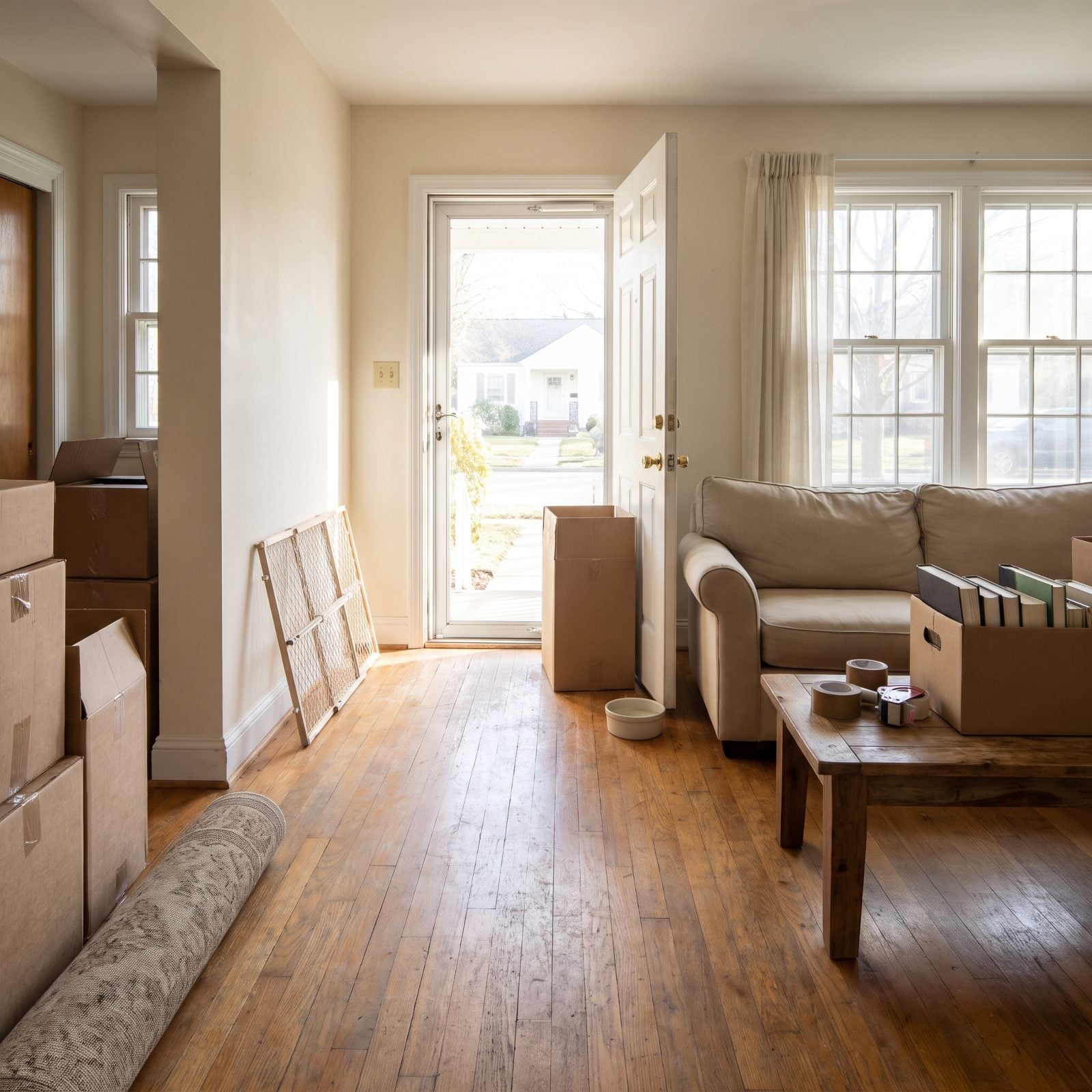
The first thing a crew clocks when they walk in is a wide open front door with nothing between it and your cat. Doors stay propped all day, dollies roll in and out, and that nervous dog who normally stays put? He panics by hour two.
Set up one room, close it, tape a note on the door. Food, water, a favorite blanket inside. The movers will thank you, and so will your blood pressure.
In a moving guide for home buyers, a real estate agent in Maryland advises “To keep your pets and your movers safe, it’s best if you put your four-legged family members in one closed-off room.”
7. Nobody Knows What Is Moving and What Is Trash
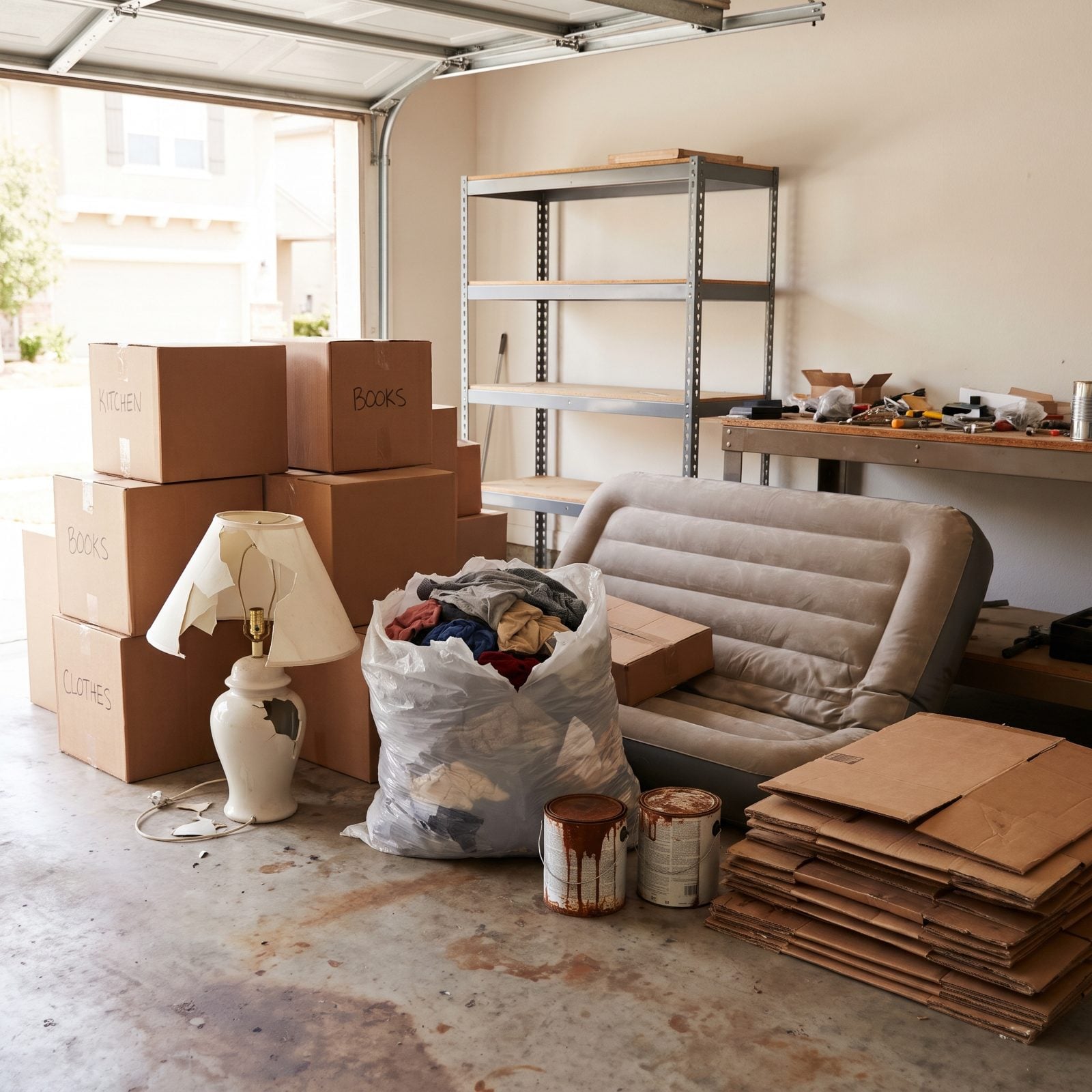
You’ve seen the garage where the boxes meant for the truck sit right next to the junk headed for the curb, and nothing tells them apart. Movers aren’t mind readers. They’ll load the broken patio chair and leave your grandmother’s china if you let the piles blur together.
Painter’s tape and a marker solve this in twenty minutes. Green dot goes, red dot stays. Do it the night before, not while four people stand around waiting.
6. A Piano or Safe Was Left Off the Inventory
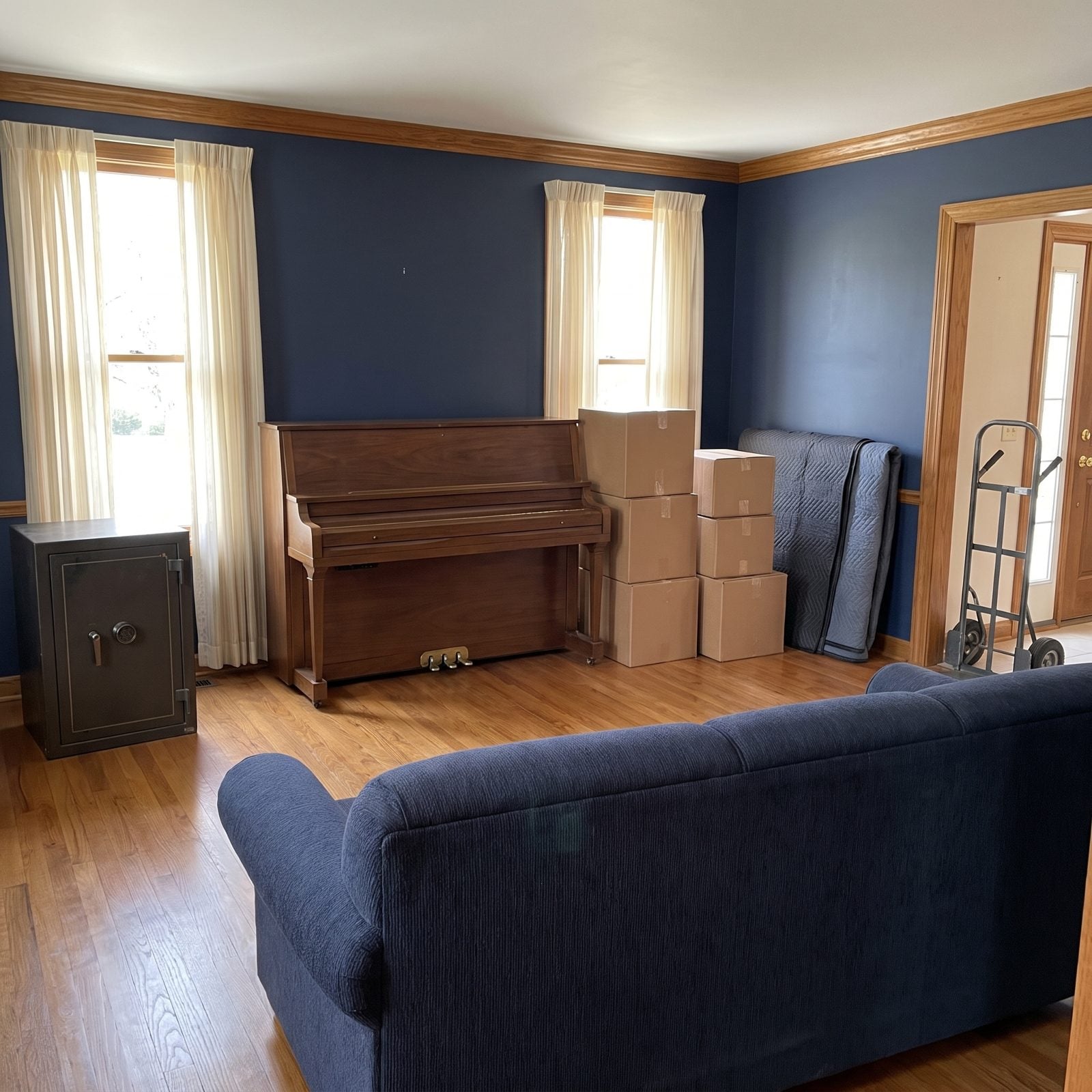
A piano is not furniture. A safe is not a box. Both need dedicated gear, extra hands, and sometimes a separate specialist. Leave them off the inventory and the crew arrives with the wrong equipment, which stalls the whole timeline.
Flag anything over 300 pounds when you book — an upright piano, a gun safe, a slate pool table, that cast-iron tub someone decided to keep. Surprise weight is how backs get hurt and floors get gouged.
5. There Is Far More Furniture Than the Estimate Listed
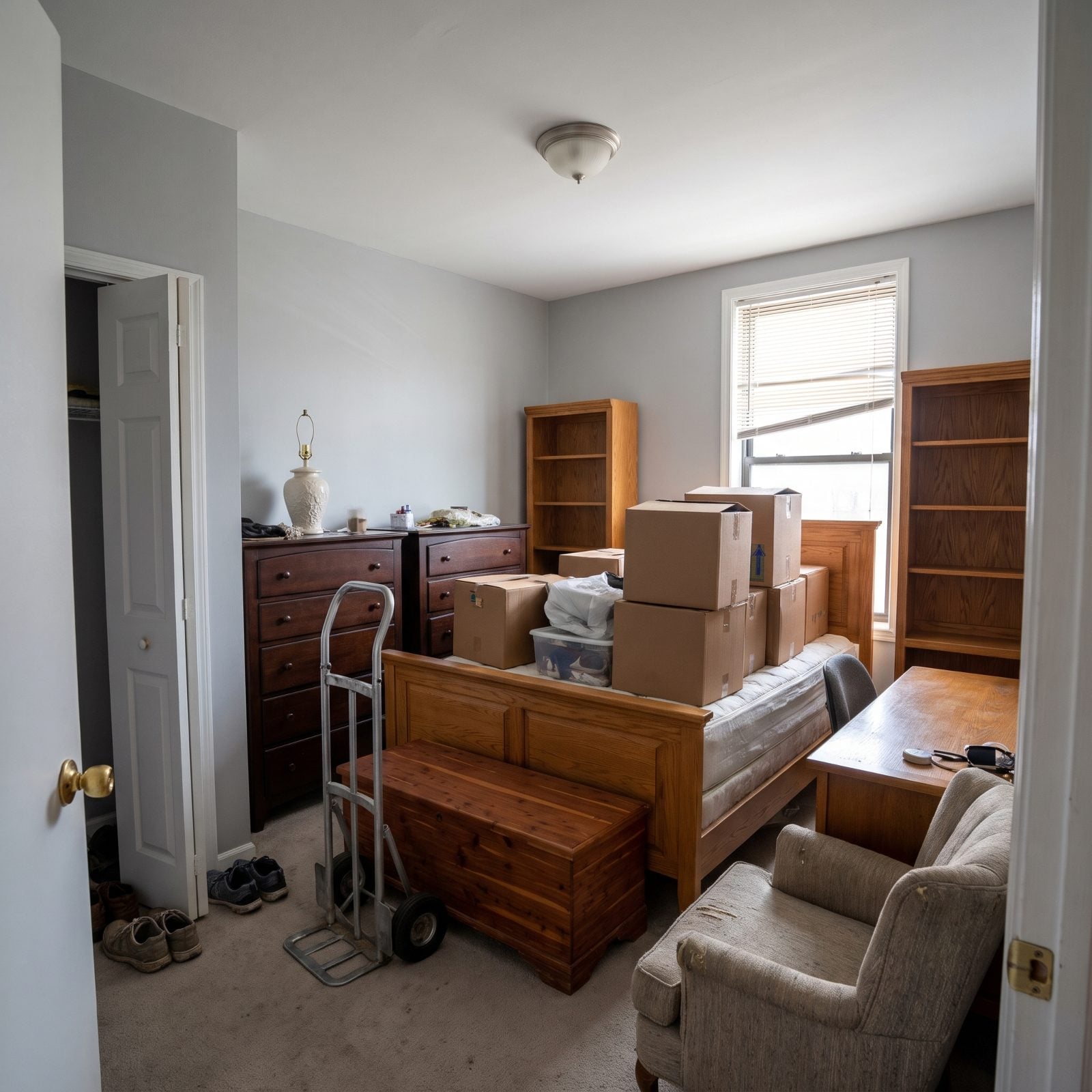
The estimate said three bedrooms of furniture. The crew walks in and finds a fourth bedroom’s worth hiding in the basement, plus a home gym and a dining set for twelve.
Under-reporting furniture — usually by accident — means the truck’s too small and the day drags. So count honestly. Open every closet during the video walkthrough, even the ones you’d rather not show.
4. Existing Furniture Damage Was Never Documented
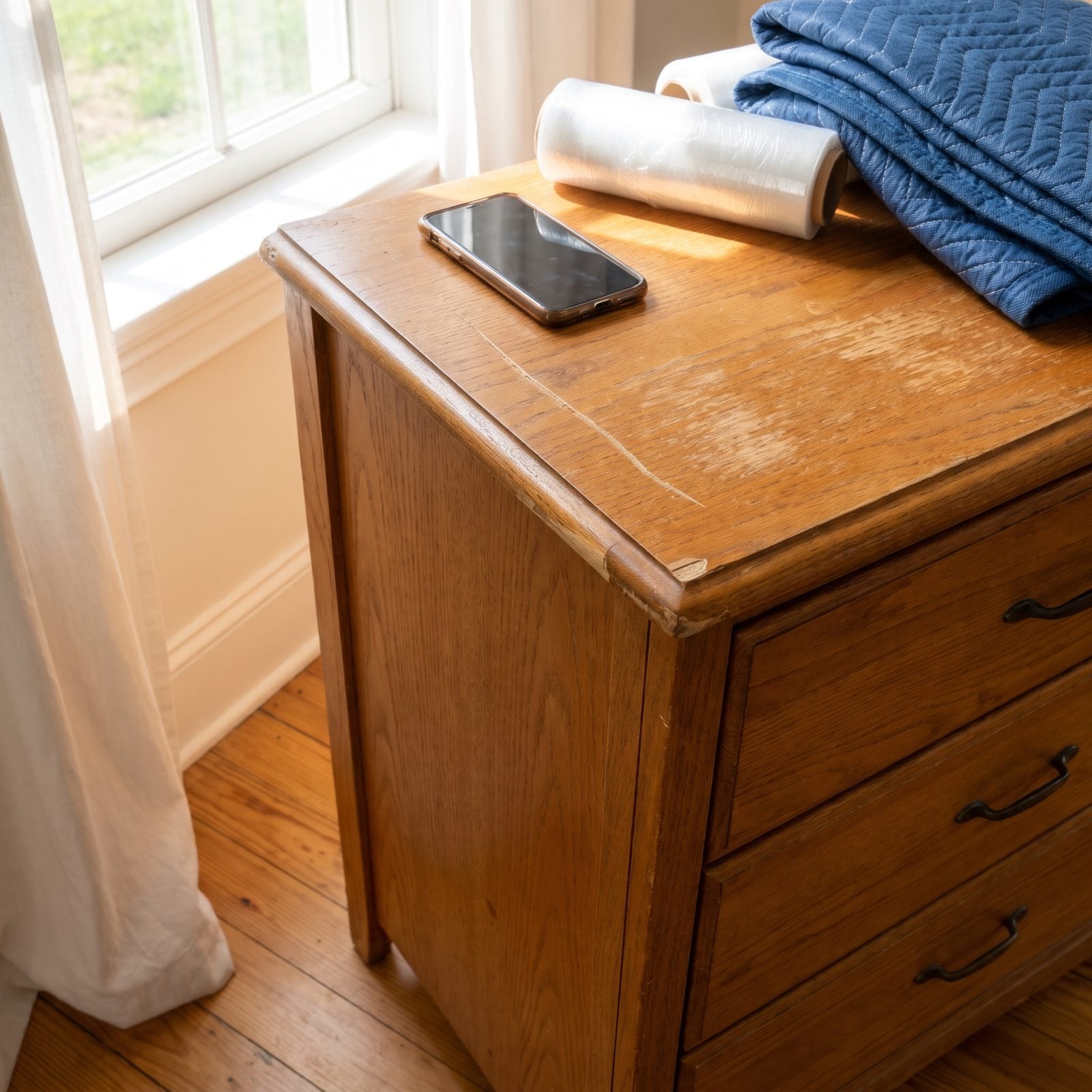
Say your dining table already had a gouge on the leg from the last move. The truck arrives, the table gets loaded, and at the new place that gouge becomes a fight about who did it.
Photograph every big piece before anyone touches it. Timestamped, well lit, every side. It protects the movers as much as it protects you, and it ends the argument before it starts.
3. Nobody Has Planned Where Furniture Goes at the New Home
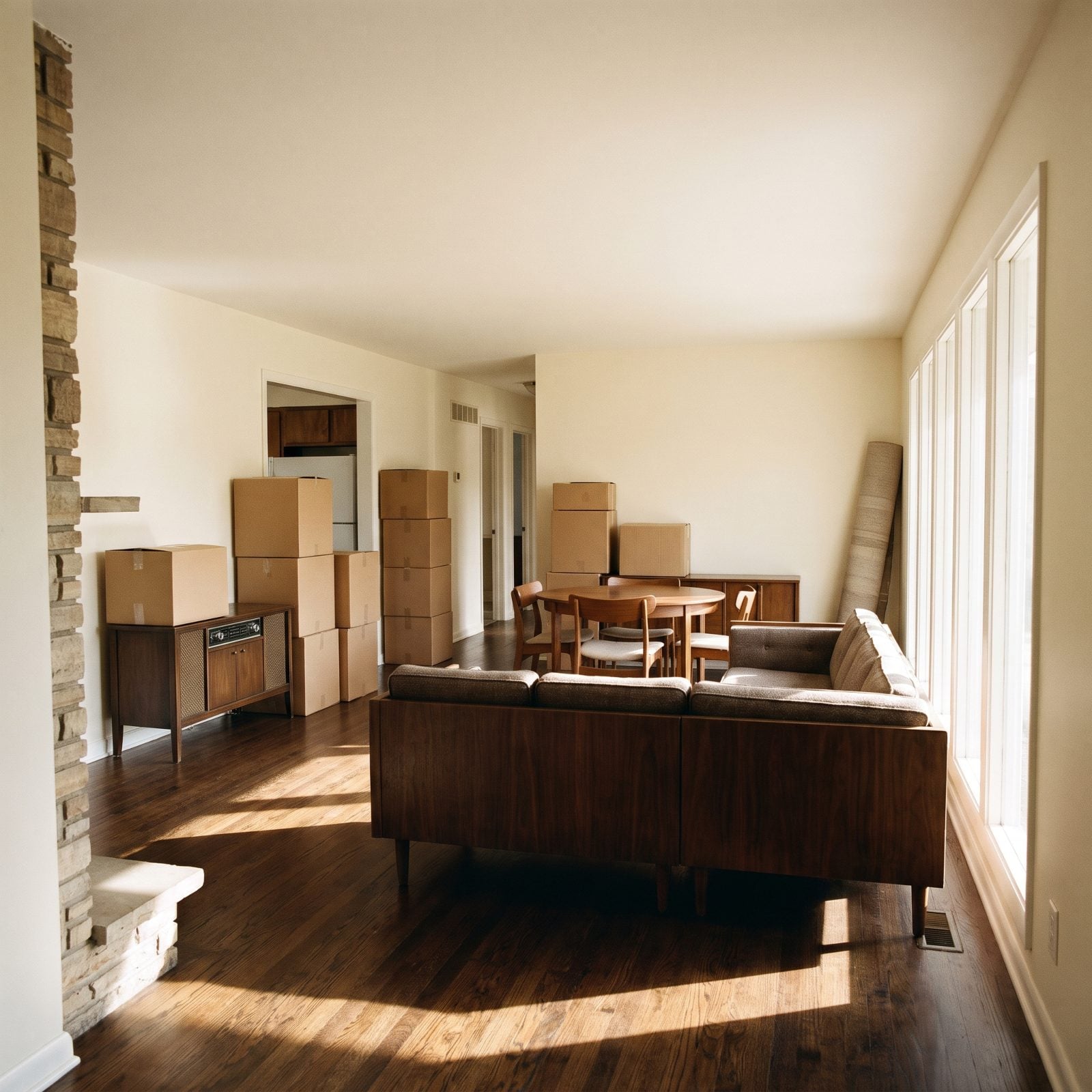
Without a plan, the movers set the couch down in the first open spot and keep going. Then you spend your first night shoving a 300-pound sofa across the floor by yourself, because it ended up facing the wall.
Sketch a rough floor plan. Label each room, tape a letter on the door, mark boxes and big pieces to match. Then the crew places everything right the first time.
Recalling unloads where customers had no plan and had 50 boxes stacked along a bare wall, a moving company sales rep in New York says “Then you walk in with the couch and you ask where they want it and of course they point to the same wall!”
2. Fresh Paint or Ongoing Renovation Blocks the Unloading Route

Fresh paint and a move-in day make a bad pairing. The hallway wall is still tacky, the painter’s ladder stands in the middle of the hallway, and the crew has to thread a mattress past all of it without smudging anything.
Finish the messy renovation work before furniture arrives, or at the very least clear the main path. A blocked route means slower moves, scuffed walls, and that fresh coat wrecked by a dolly wheel.
1. No One Has the Correct Keys to the New Home
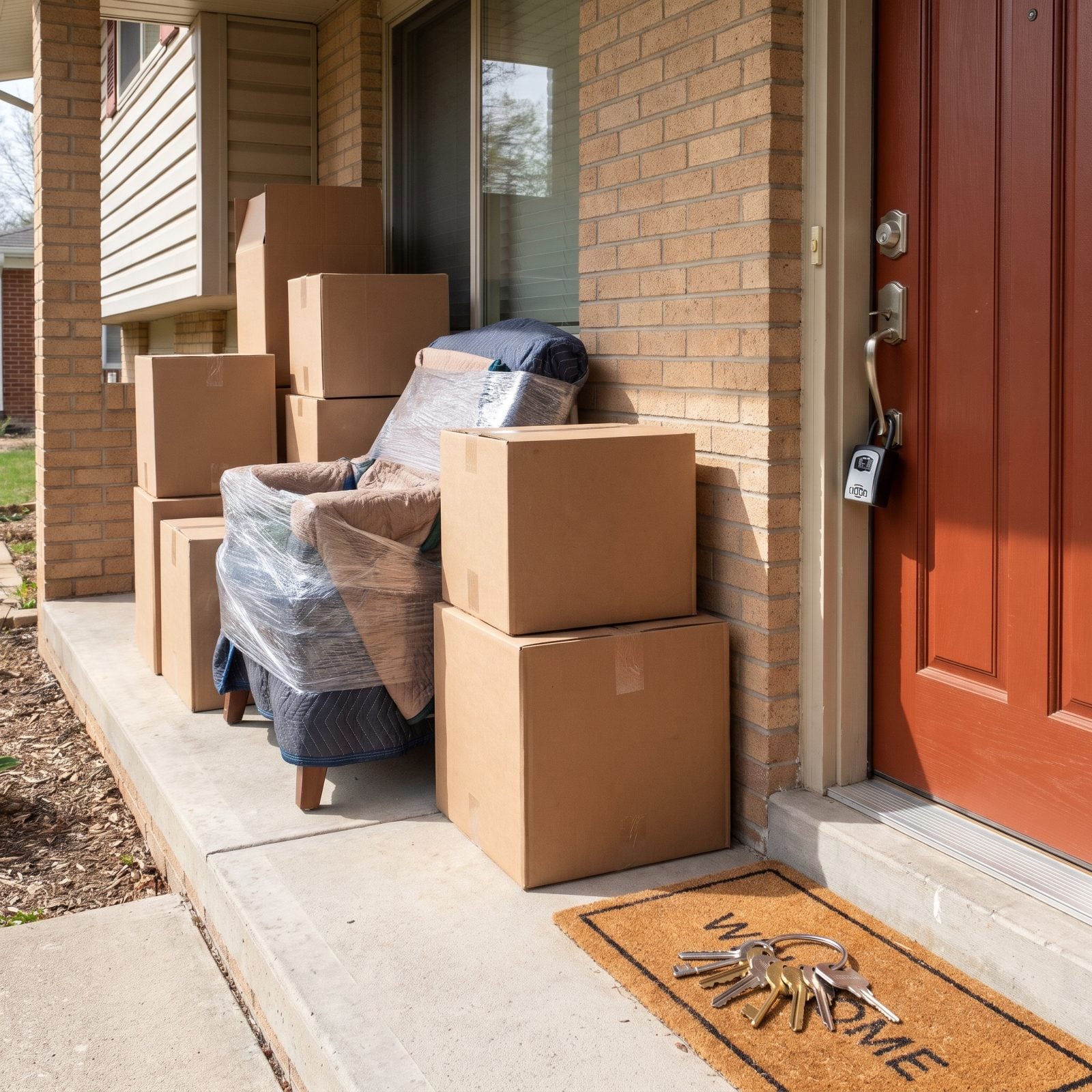
Picture a full truck parked out front, the crew on the clock, and the one key you have opens the old deadbolt instead of the new one. Or the realtor’s lockbox code is buried in an email you can’t find.
Test every key the day before. Confirm lockbox codes, garage remotes, and gate fobs actually work. Standing on the porch with your whole life in a truck behind you is not the moment to learn the locks were changed.