
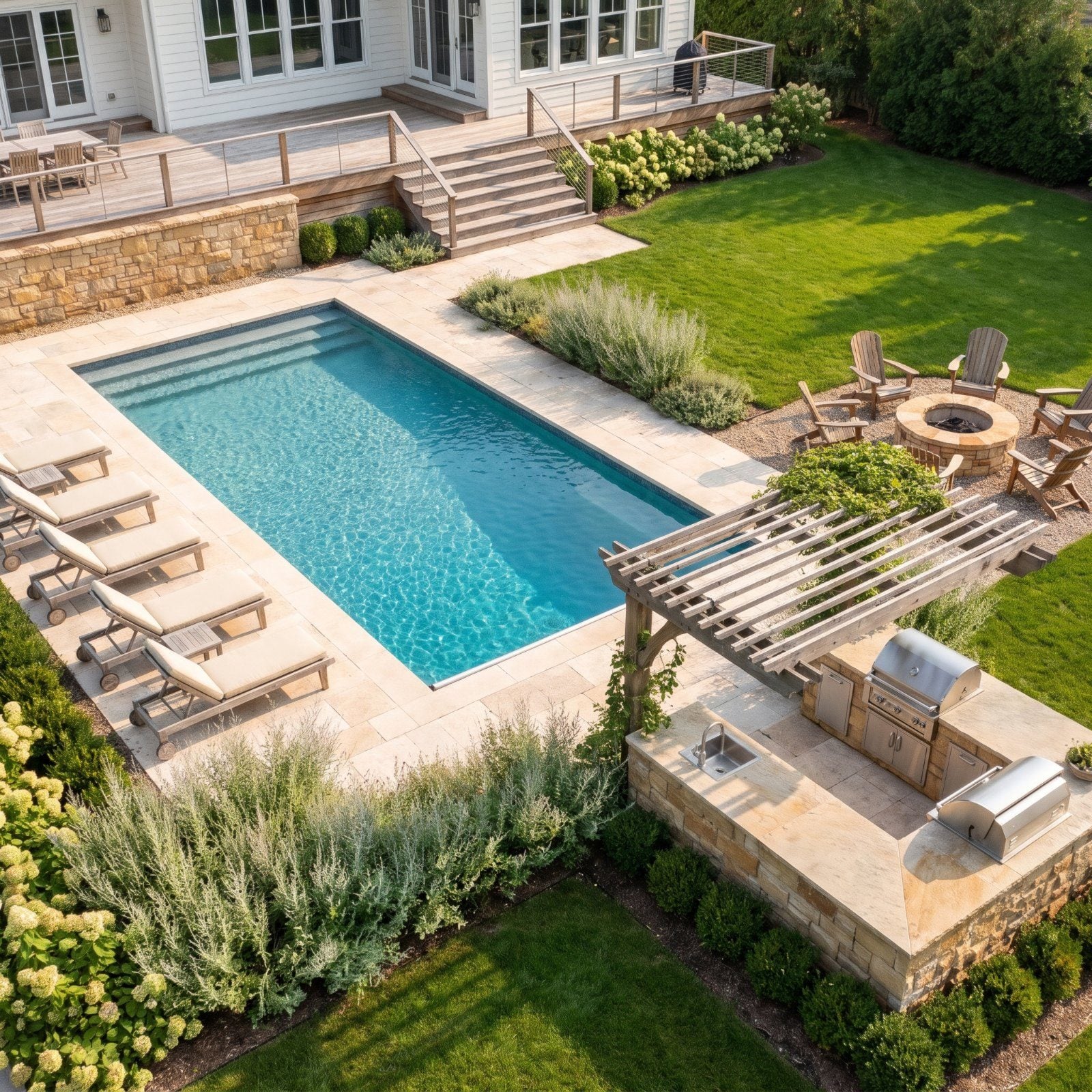
The pool was supposed to be the fun part. Then the renewal letter showed up and the premium had jumped. Nobody warns you about this while you’re sketching your dream backyard on a napkin, but the features that make a house feel like a resort are the exact ones underwriters circle in red. Height, water, open flame, bounce. Each one adds a fresh way for someone to get hurt or something to get destroyed. Below are the upgrades that look like pure joy and read, on an insurance form, like a line item you’ll be paying for. Worth knowing before you dig.
25. In-Ground Swimming Pools
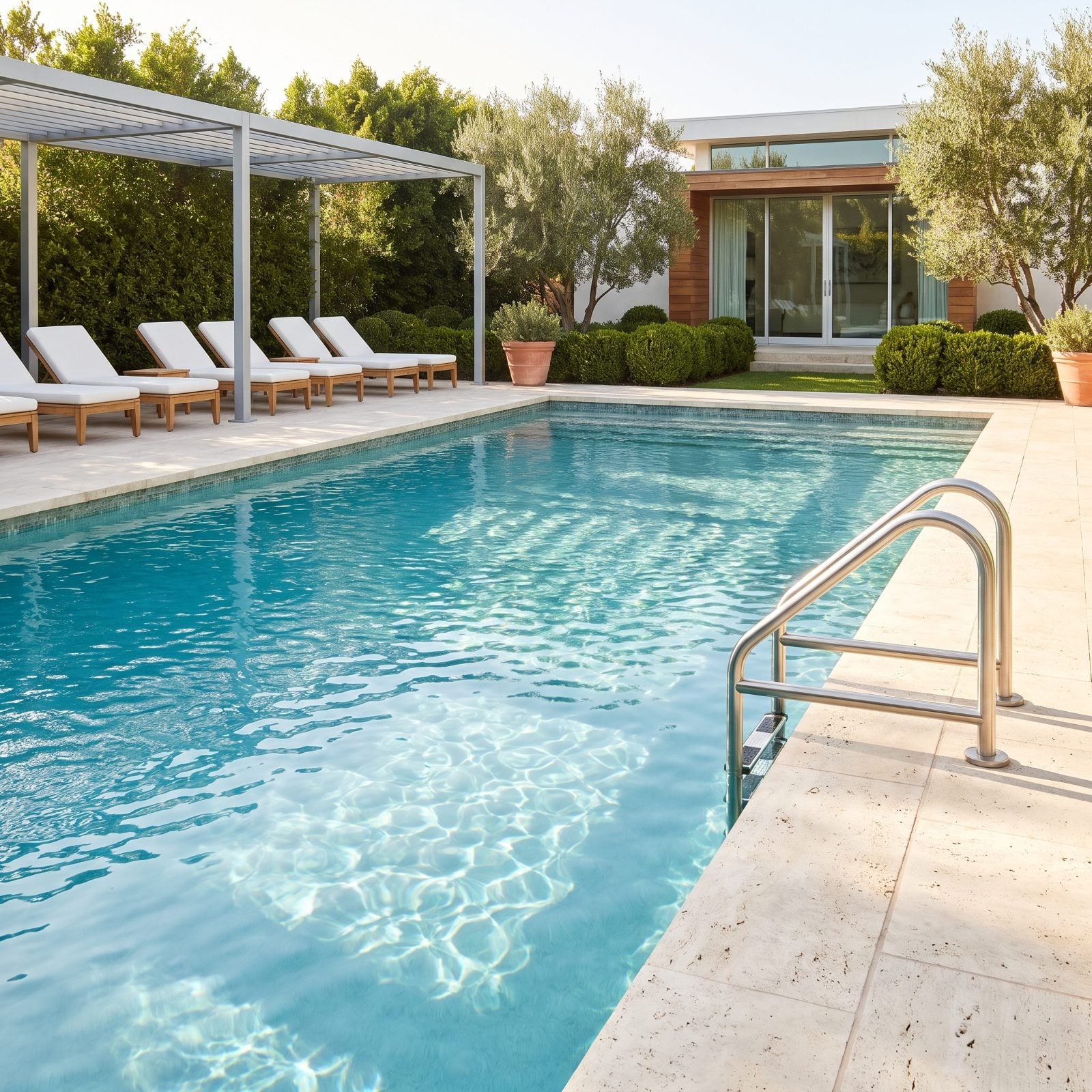
Nothing dates a backyard upgrade faster than water, and nothing interests an underwriter more. A pool is the classic attractive nuisance. It draws kids who were never invited, which is exactly the liability insurers price for.
In order to come up with the very specific design ideas, we create most designs with the assistance of state-of-the-art AI interior design software. Also, assume links that take you off the site are affiliate links such as links to Amazon. this means we may earn a commission if you buy something.
The smooth plaster finish and travertine coping here aren’t cheap to rebuild either, and replacement cost on an in-ground pool runs into serious money, so your dwelling coverage has to stretch to cover it. The water is the fun. The water is also the exposure.
If you do add one, our readers lean toward curves: in a Home Stratosphere poll, 52% picked a freeform pool and 22% went rectangular.
24. Diving Boards
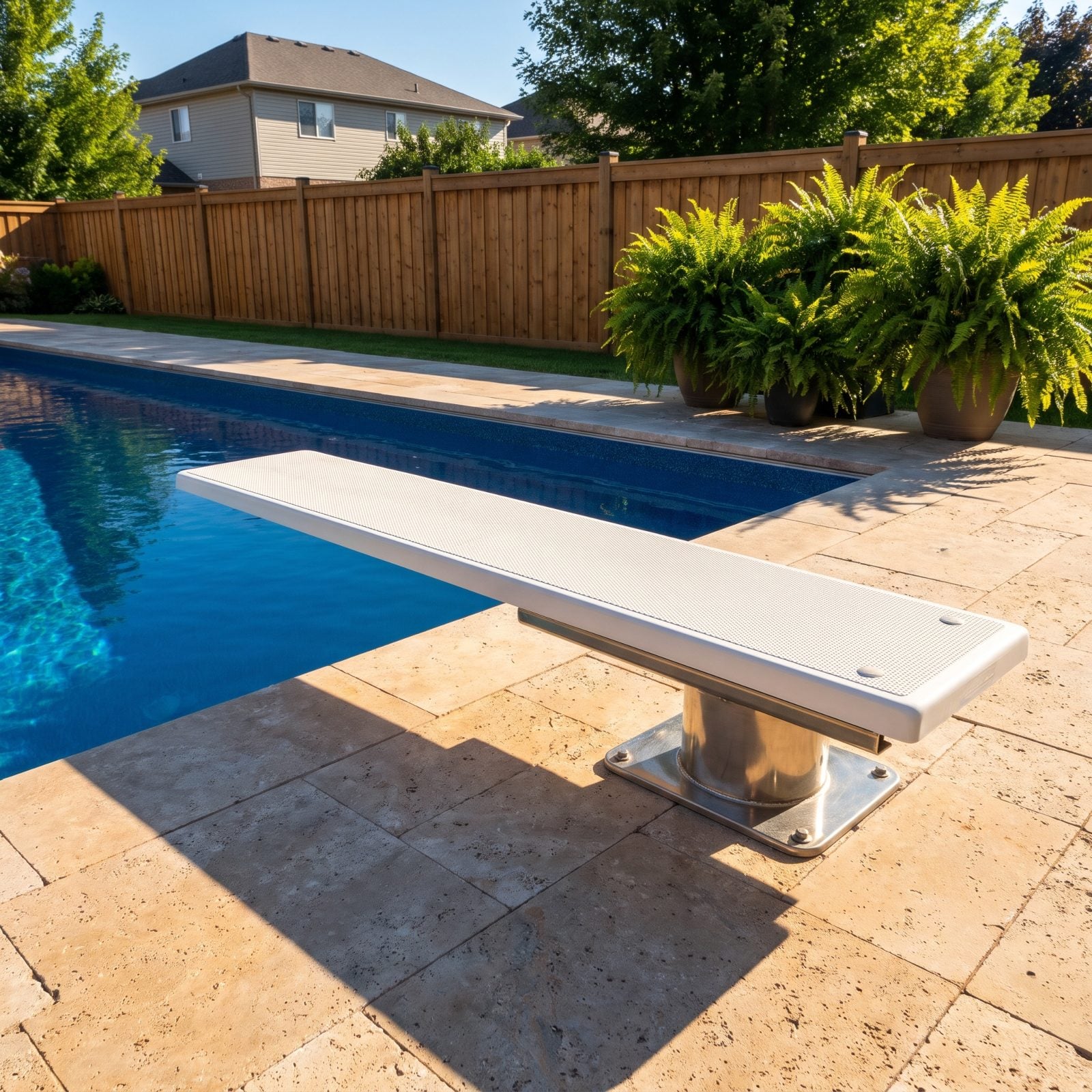
A diving board is three feet of fiberglass that can double your pool’s liability premium. Carriers know the injury math on these, and head and neck injuries from diving are the kind of claim that follows a policy around for years.
It looks like harmless summer fun. On the underwriting worksheet it reads as a standalone red flag, sometimes enough to make a carrier decline the whole policy. Charming on a hot day. Expensive on paper.
In its guide for pool owners, one insurance agency notes that “A pool alone may already cause your home insurance to cost more than average, but the addition of a diving board may raise your rate slightly further”
23. Outdoor Hot Tubs
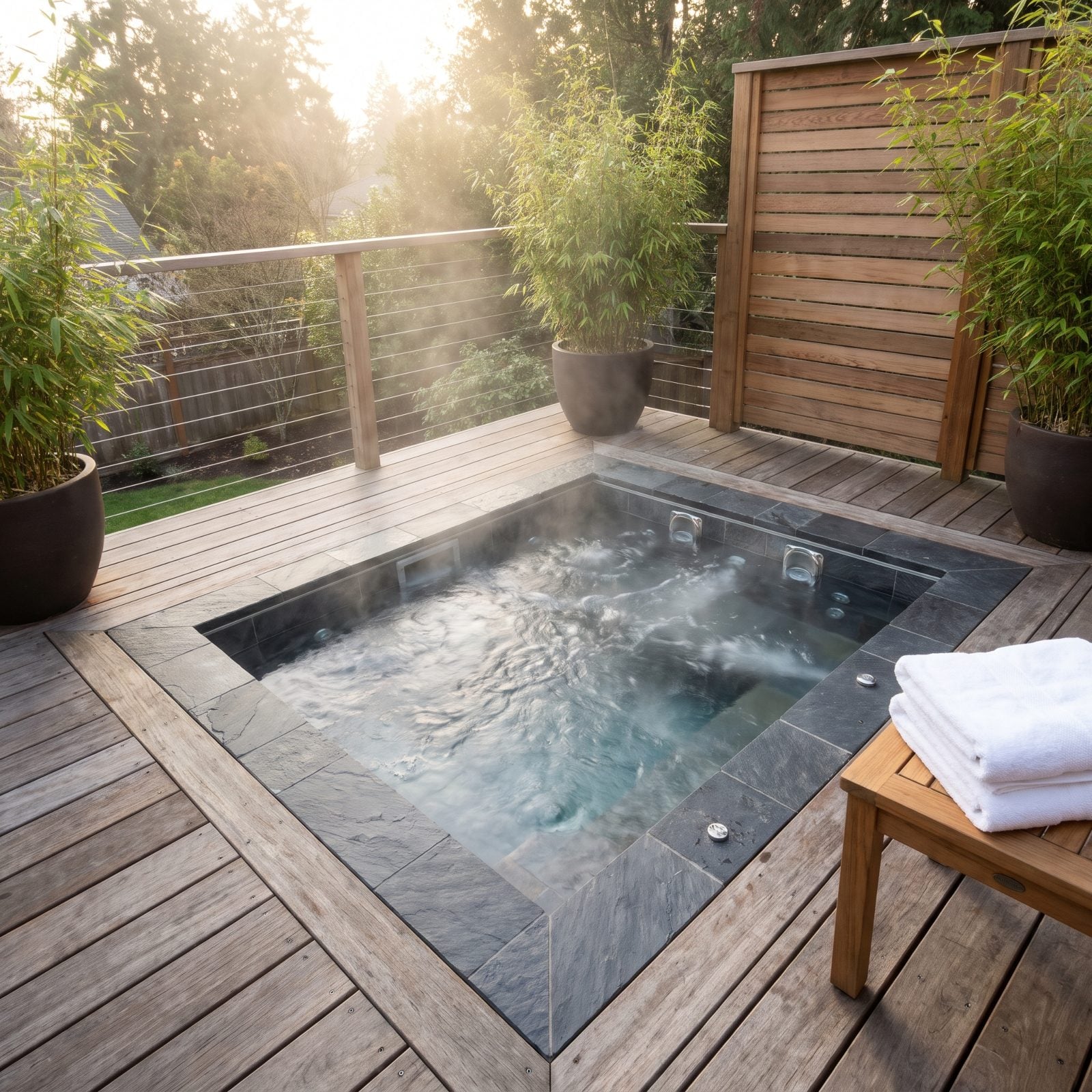
That steam rising off the water is the whole draw, and also the whole problem. Hot water scalds, and spa equipment is a tangle of pumps, heaters, and electrical that lives outdoors in the weather.
The weathered wood decking wrapped around this tub does gorgeous work softening the dark shell. But insurers aren’t looking at the wood. They’re looking at the liability of hot water a guest can slip into and the pricey mechanicals underneath, which is why equipment breakdown coverage usually has to come along for the ride.
22. Backyard Trampolines
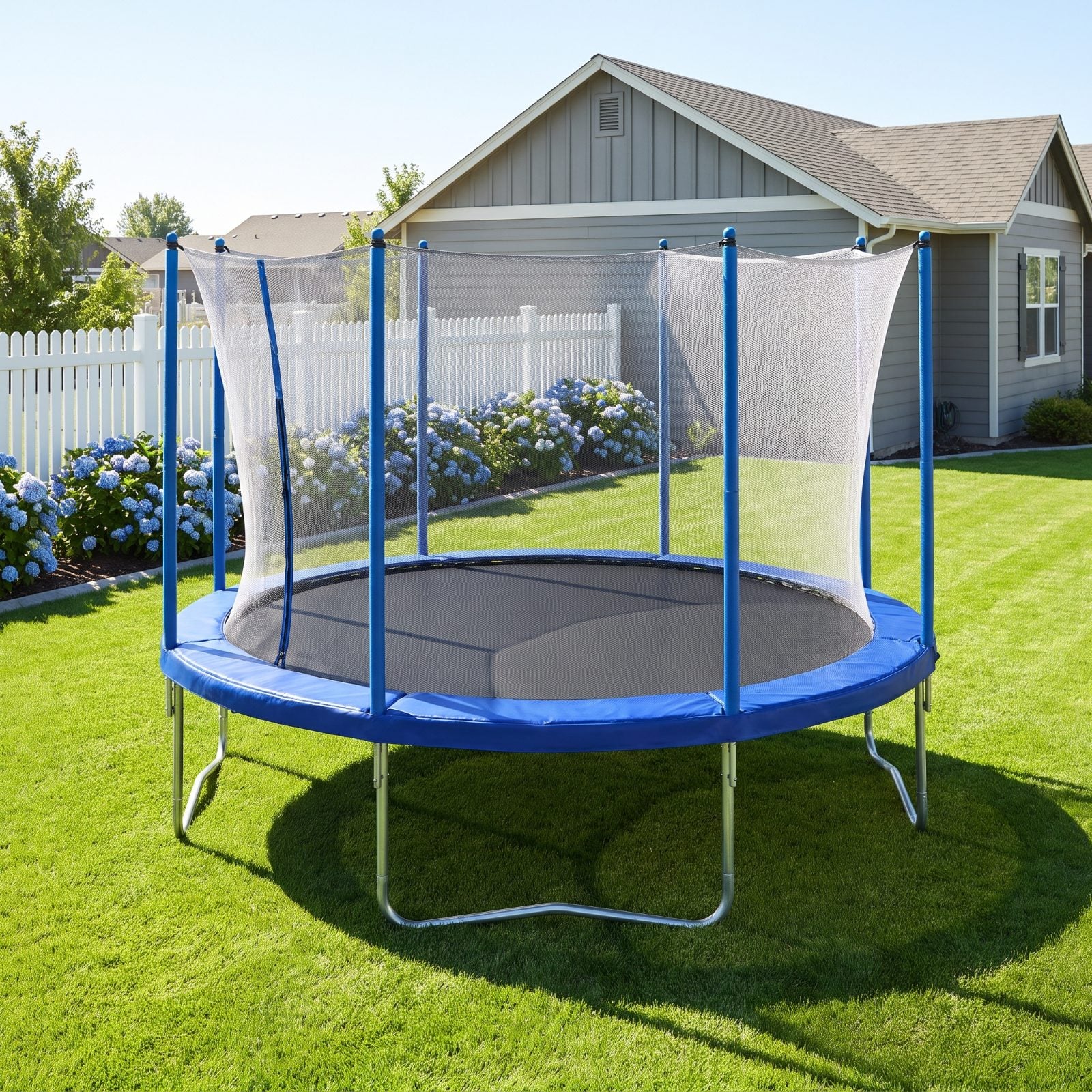
Add a trampoline and some carriers will drop you on the spot. No premium bump, just a polite decline. The safety net helps, and this one has a good one, though it doesn’t change the actuarial picture.
Broken arms. Neck injuries. Kids from three houses over who nobody can prove were trespassing. It’s a liability magnet with a blue spring cover.
According to one independent insurance agent who works with several large insurers, some companies will not cover a homeowner at all if there is a trampoline on the property.
21. Treehouses With Elevated Platforms
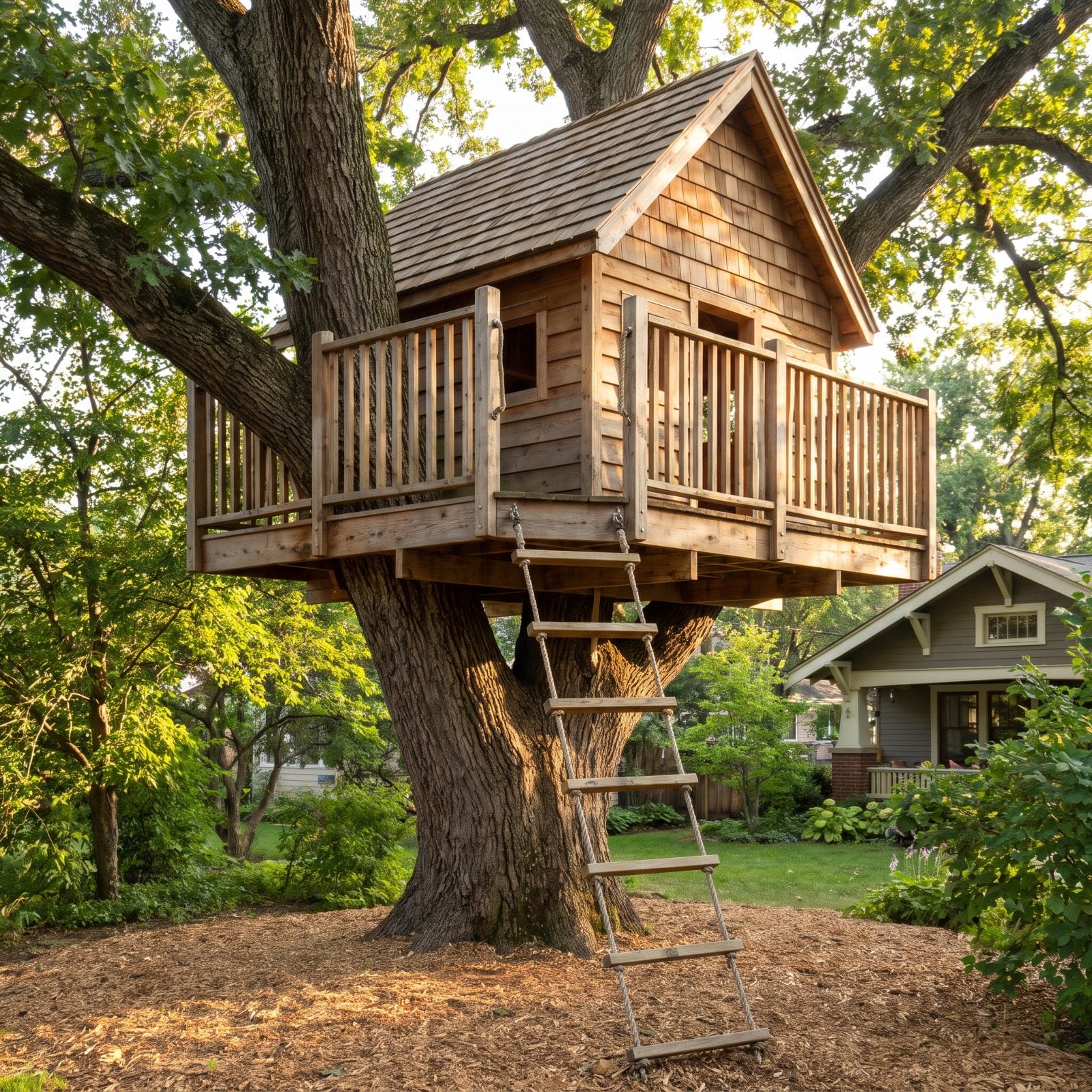
Height is the issue. A treehouse perched ten feet up in an oak is a fall waiting for a claim, and underwriters treat elevated play structures the way they treat balconies without proper rails.
This one is lovely. Cedar shingle roof, a rope ladder, a little railed deck where the light comes through the leaves gold and broken. It’s the kind of build that would feel right beside a craftsman den. Charm doesn’t lower the liability, though, and the ladder and the platform are what the policy actually sees.
What Our Readers Say
- When Home Stratosphere readers disliked an outdoor photo and tapped a reason, “not my style” came first at 37%, with materials at 15% and high care at 14% close behind.
From Home Stratosphere reader polls and votes.
20. Rooftop Decks
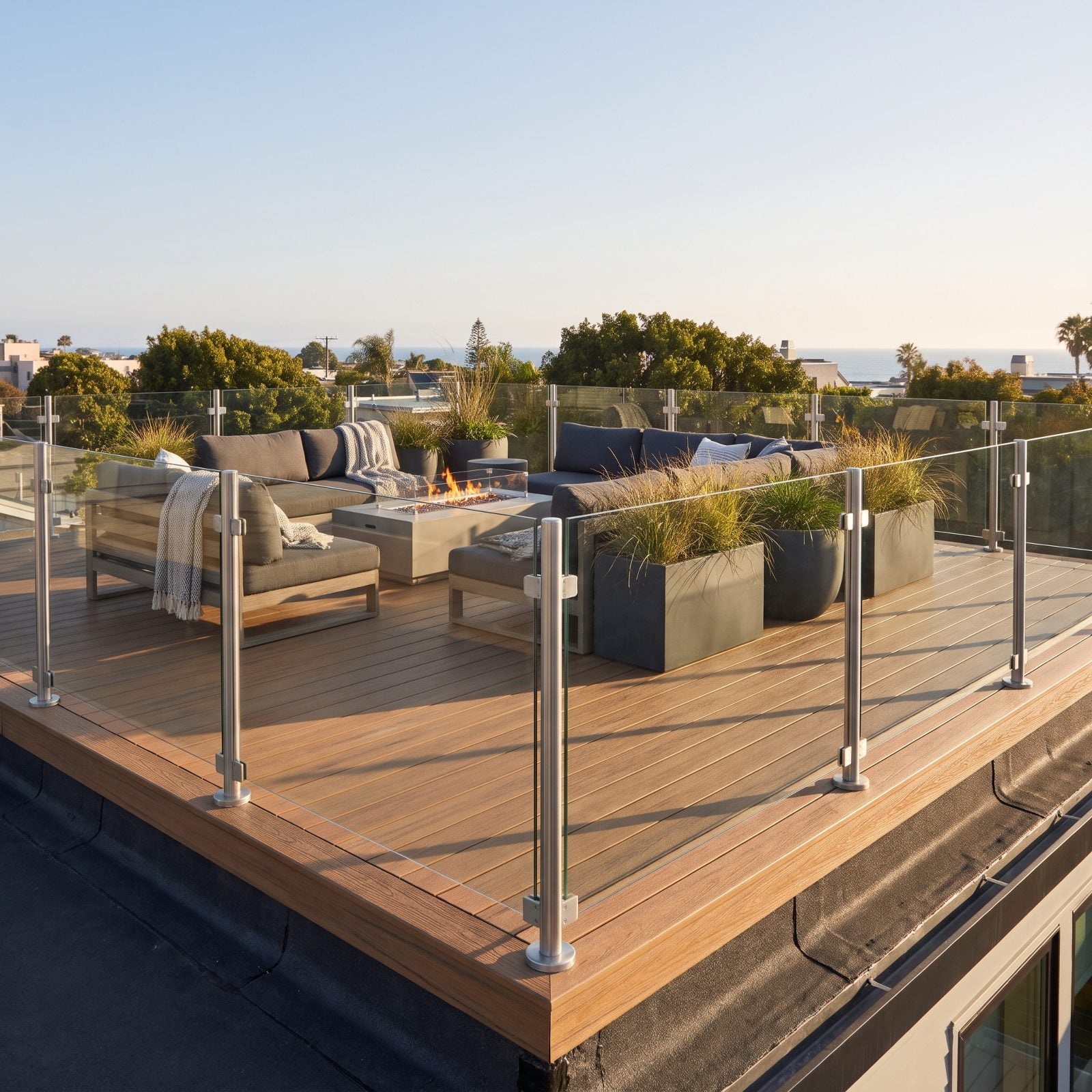
Put a party up on the roof and you’ve created the single highest-liability surface on the property. A rooftop deck is elevation plus occupancy plus a railing that has to hold.
Beautiful views, real exposure. The glass guardrail and composite decking here look right, but underneath sits a waterproofing membrane that fails quietly and floods the rooms below. Carriers weigh the fall risk, the structural load, and the water damage potential all at once.
The best view in the house is usually the one your underwriter likes least.
19. Outdoor Kitchens With Built-In Gas Lines
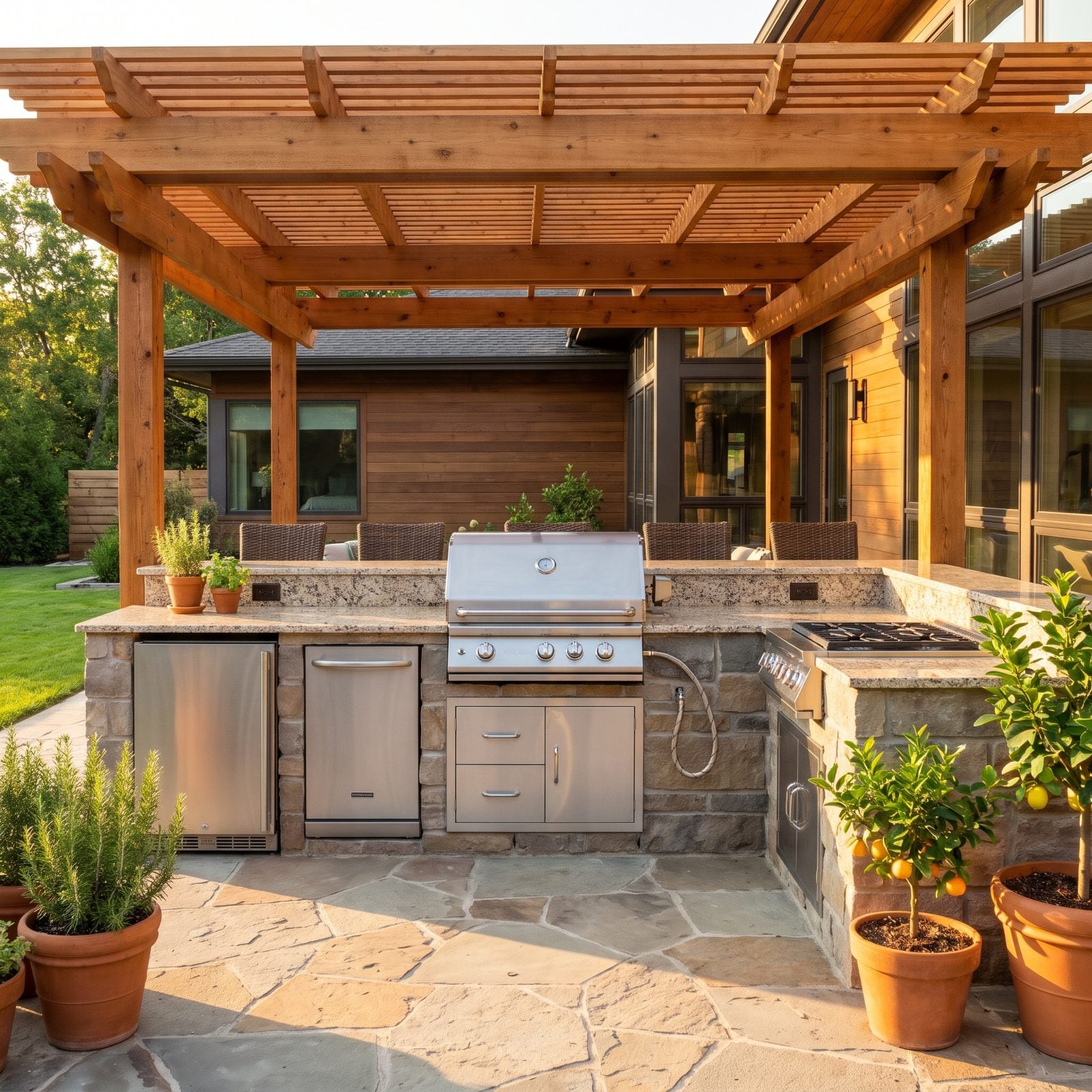
Everything in this outdoor kitchen is fighting for attention and somehow nothing is losing. The stainless built-in grill, the outdoor refrigerator, the side-burner stove, even a weatherproof dishwasher tucked into the stone island. All of it plumbed to a permanent gas line.
That gas line is the part insurers underline. A fixed fuel source running to an outdoor appliance means fire risk and a leak risk no portable propane grill carries. Add the replacement cost of commercial-grade stainless under a cedar pergola and your dwelling coverage has to grow to match. The granite and flagstone are the easy part.
18. Permanent Fire Pits Near Structures
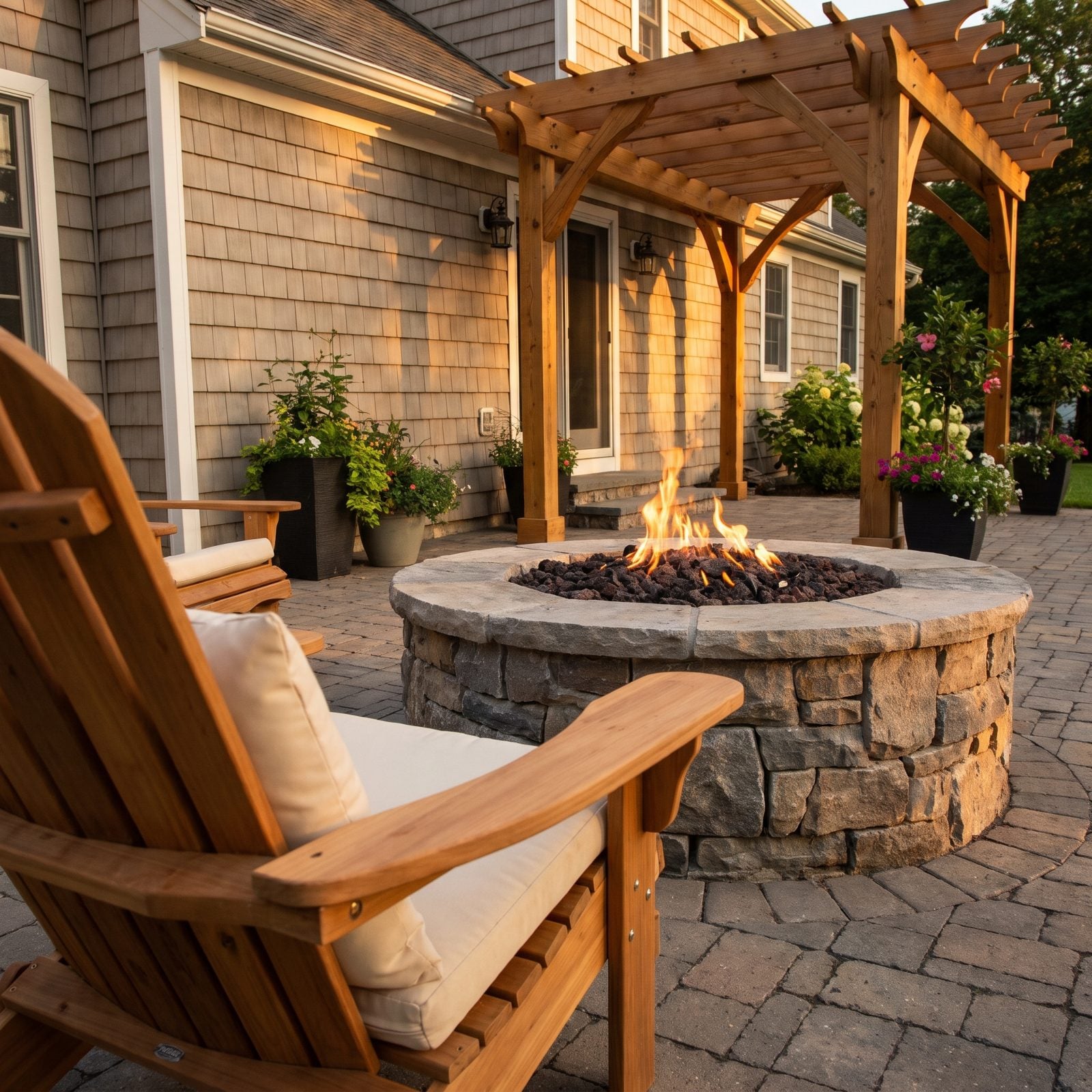
A fire pit this close to a shingled wall and a cedar pergola is exactly the clearance problem carriers worry about. Open flame near combustible structure is a fire claim in slow motion.
Gorgeous stacked fieldstone, amber light on the cream cushions, the whole gathering feeling. It would sit happily off a farmhouse den. But distance from the house is the single variable that moves a fire-pit premium, and this one is tight.
17. Freestanding Wood Stoves
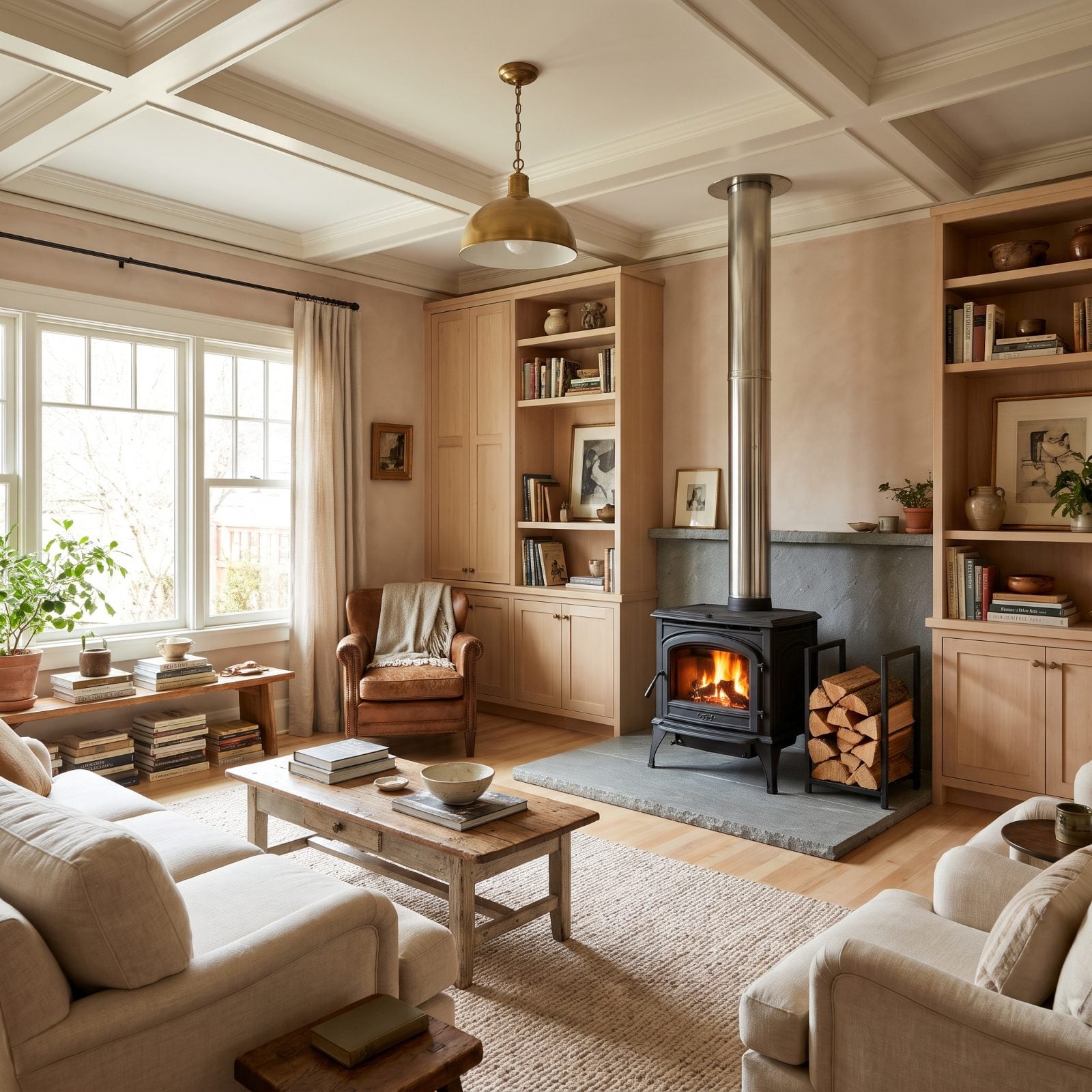
We love a wood stove and we’ll say it plainly: insurers mostly don’t. A freestanding cast-iron stove is the single most common reason a home gets a surcharge or a solid-fuel questionnaire in the mail.
The hearth pad and stainless flue in this clay-walled room are doing their job, and professional installation with UL clearances is what keeps the premium sane. Creosote buildup and chimney fires are the real exposure. A wood stove paired against soft plaster and oak makes the kind of rustic mudroom design people fall for. The heat is honest. The underwriting is skeptical.
Writing about wood and pellet stoves, an independent insurance agency in New Jersey explains that “Some carriers decline solid-fuel heat entirely. Others accept it with a surcharge. A few underwrite it comfortably.”
16. Thatched or Wood-Shake Roofing
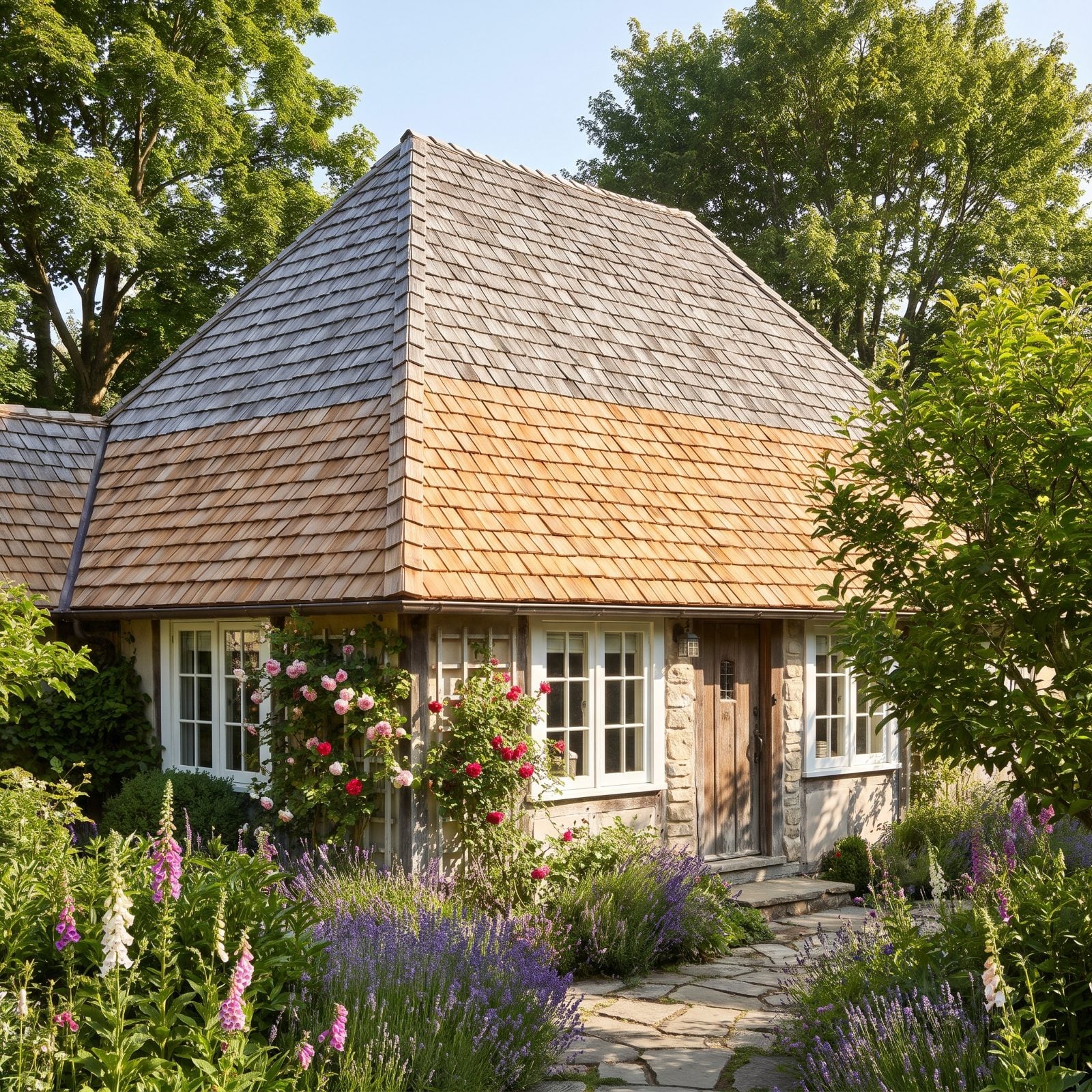
That silvered cedar shake roof is the most romantic thing on the house and the most flammable. Wood-shake and thatch are the roofing materials carriers like least, especially anywhere wildfire is on the map, and some simply won’t write the policy.
The texture is unbeatable. Hand-split shakes aging from honey to gray over a cottage wrapped in climbing roses, the kind of roofline that belongs on a cottage den renovation. But it’s expensive to replace and it burns, which is the exact pair of words that raises a dwelling premium fastest.
Even a cedar-shake roofing contractor who still installs the material warns that “Current wood roof homeowners face two risks: non-renewal and significant premium increases at renewal.”
15. Flat Roofs With Limited Drainage
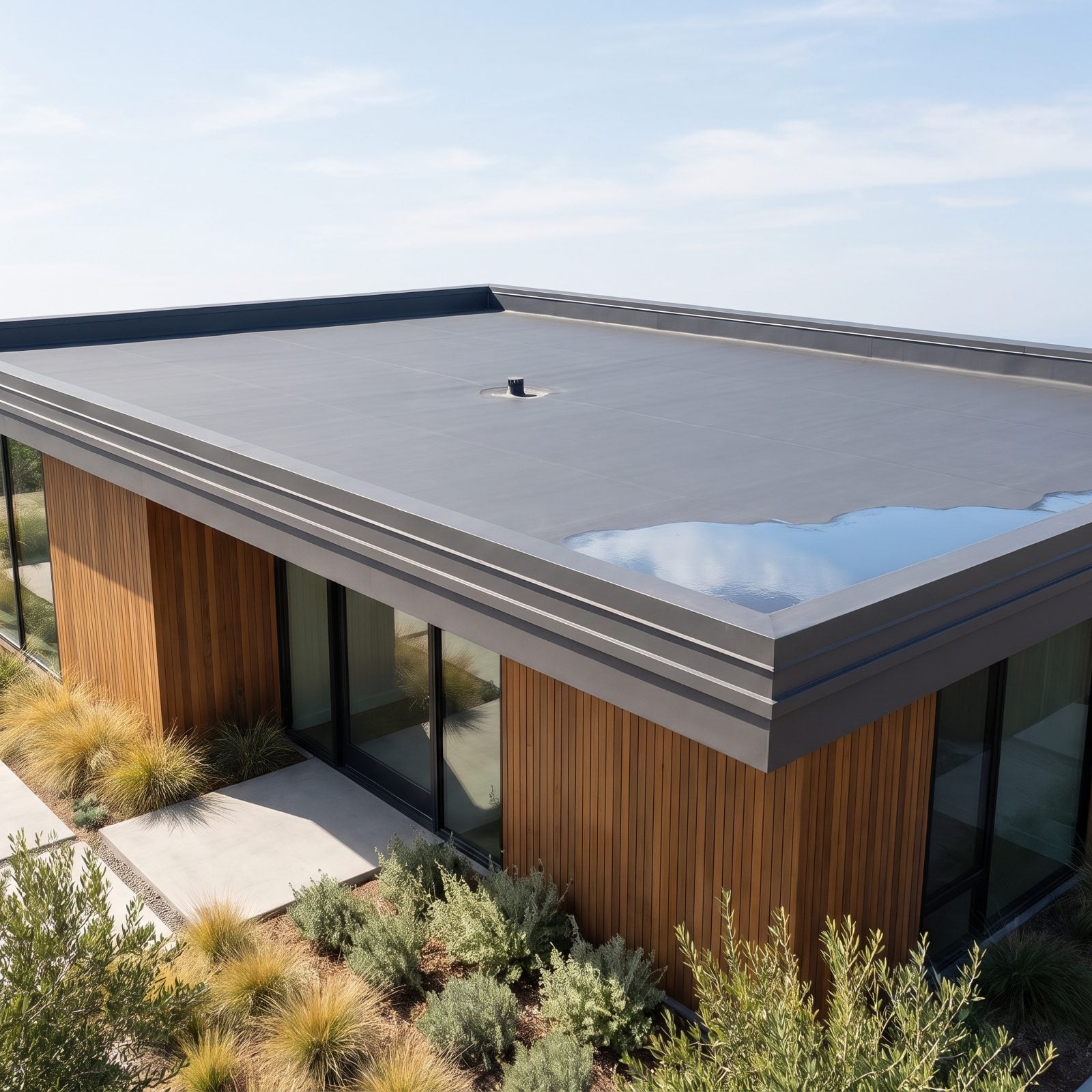
Flat roofs look architectural and expensive, which they are, and that’s part of the problem. Water has nowhere to go. When drainage is marginal, rain sits and ponds, and standing water is how a membrane roof dies slowly.
Insurers know this. A flat roof with one tired drain and a decade of sun on the membrane is a leak waiting for its moment, and that moment usually arrives as interior water damage, which is expensive to fix and expensive to cover.
14. Solar Panels Requiring Higher Replacement Limits
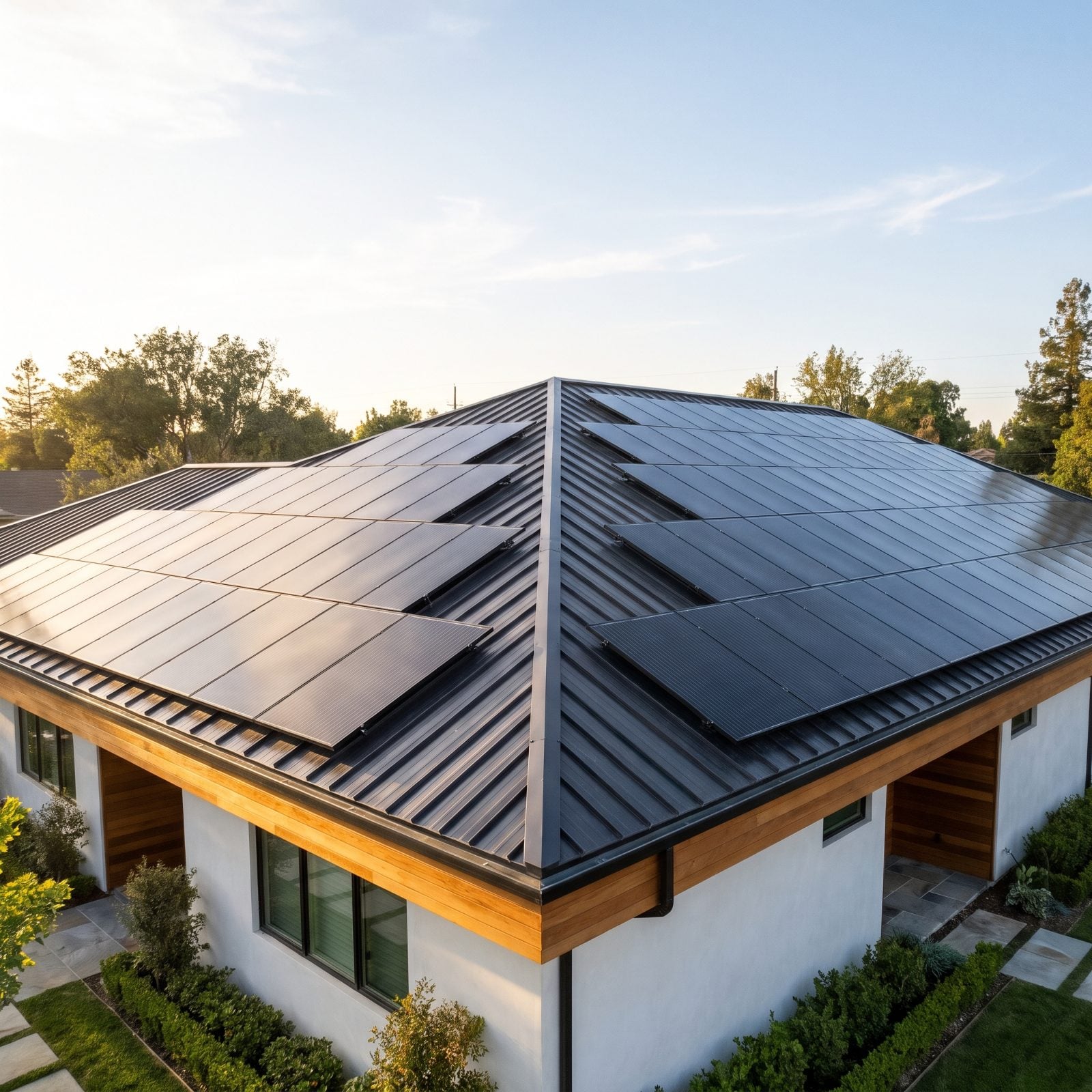
Rooftop solar pays you back every month. It also quietly raises the number your home needs to be rebuilt for.
Panels, inverters, mounting hardware, the whole array has to be replaced if a storm or fire takes it out, and that’s a serious line item sitting on top of your dwelling coverage. Leased panels add another wrinkle, because now there’s a third party with an interest in your roof, which means a liability question nobody thinks about until a claim lands.
Before you sign the install contract, call your carrier. That five-minute conversation is cheaper than the surprise.
13. Floor-to-Ceiling Glass Walls
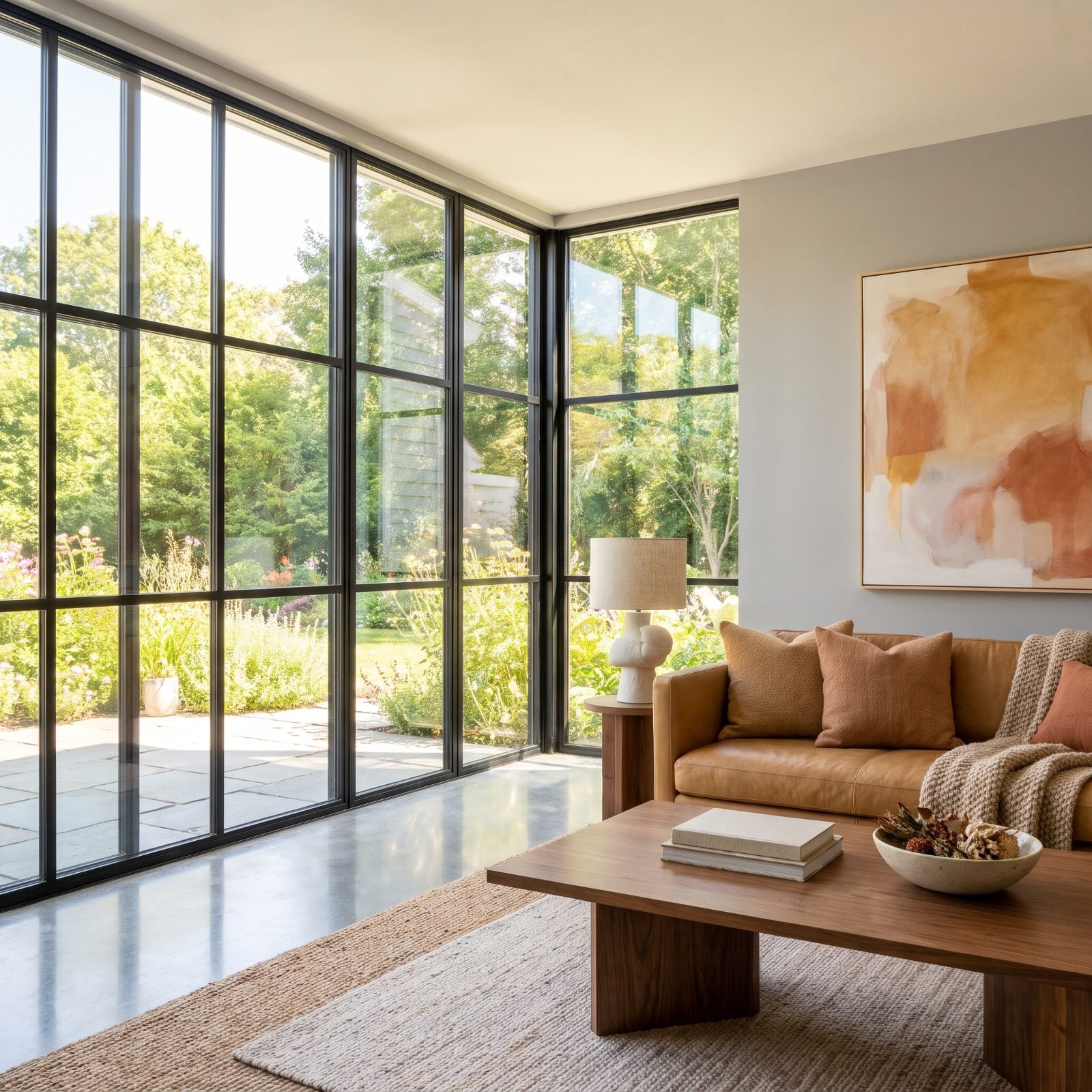
A glass wall dissolves the line between inside and out. It’s the kind of move that makes a house feel like it belongs on a magazine cover.
It’s also enormously expensive to replace and far more fragile than a stud wall. Tempered glass panels run into real money, a single cracked pane can mean the whole unit, and large expanses raise questions about forced-entry security and storm impact. In coastal or high-wind zones, that wall of glass is the first thing an underwriter flags and the first thing a hurricane finds.
12. Finished Basements in Flood-Prone Areas
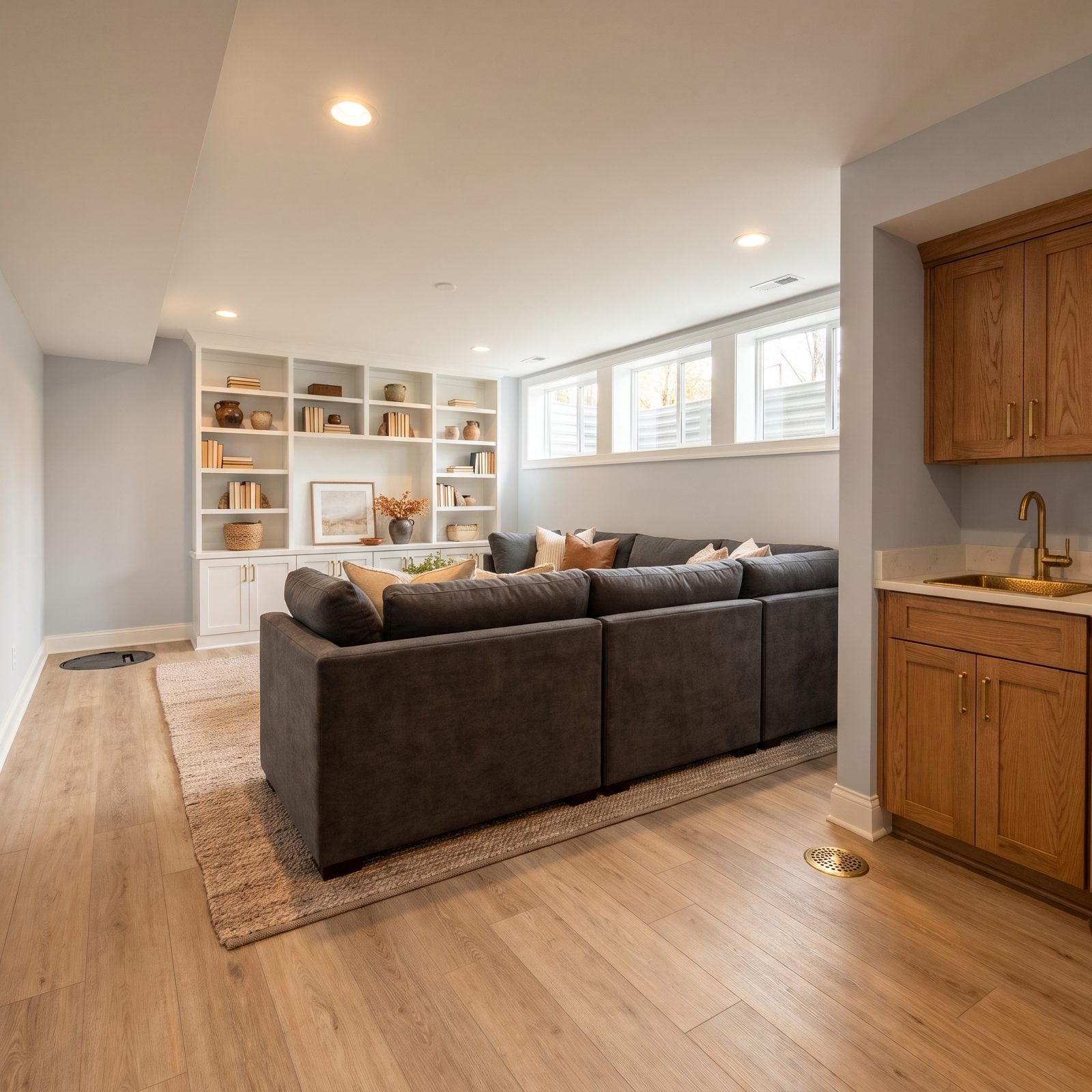
A finished basement is the cheapest square footage you’ll ever add and the first room to flood.
Everything down there sits below grade, so groundwater, backed-up drains, and the occasional storm all have an easy path in. Standard homeowners policies famously exclude flood, so that cozy lounge with the oak wet bar and the charcoal sectional sofa often needs separate flood coverage to be protected at all. Add drywall, flooring, electronics, and finished ceilings, and your replacement exposure jumps well past what the raw concrete ever cost.
11. Polybutylene Plumbing Hiding in the Walls
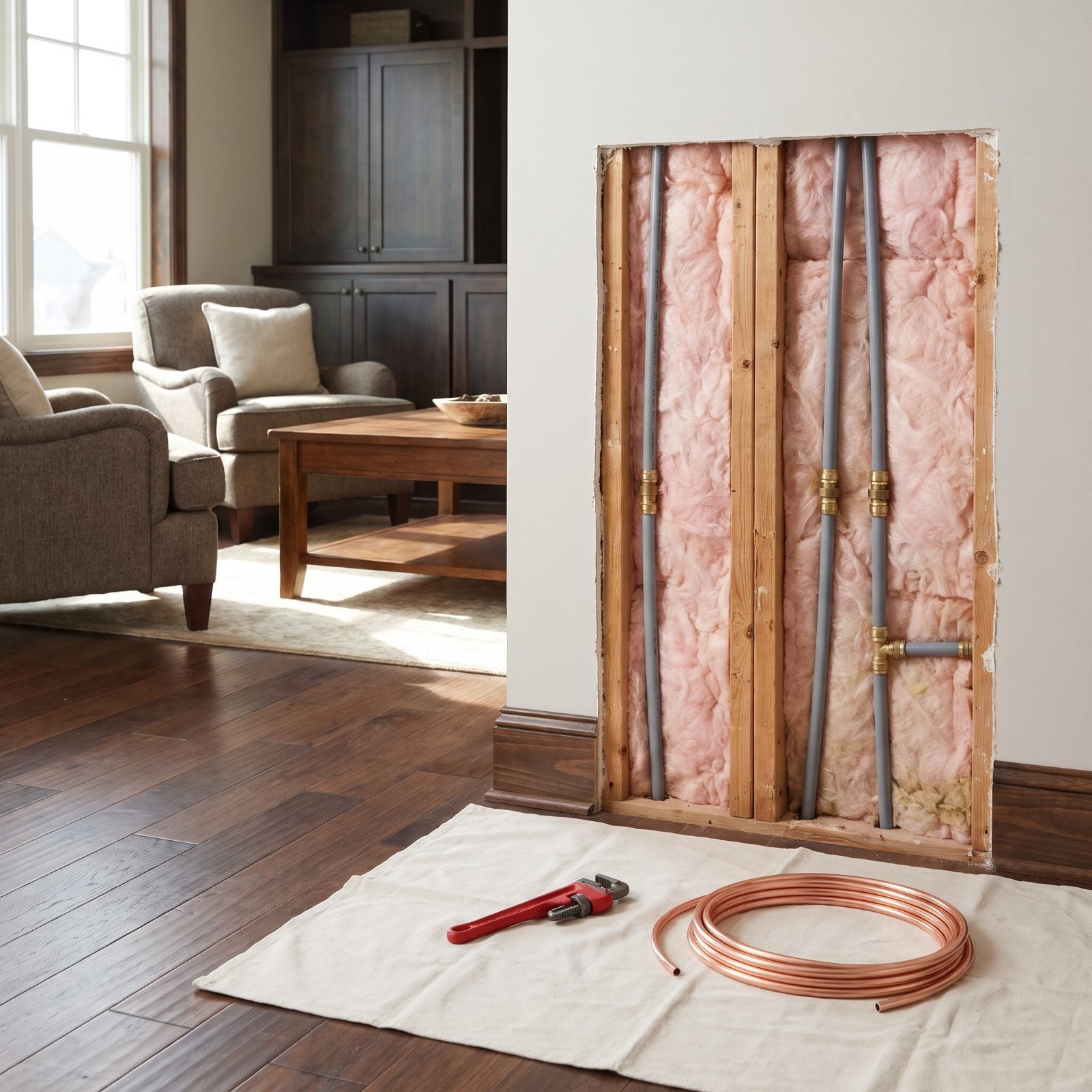
This one hides. You can’t see it from the kitchen, and that’s exactly why it’s dangerous.
Polybutylene is the grey plastic plumbing installed in millions of homes from the late 1970s into the mid-1990s. It degrades from the inside, where chlorine in the water supply attacks it, and it tends to fail without warning, splitting a joint and dumping water into walls and ceilings. Insurers know the material by name. Some will decline a home outright until it’s replaced; others will write it but charge for the water-damage risk that tags along.
If your house dates to that window, have a plumber confirm what’s behind the drywall. A full repipe is a weekend of noise and a real bill, and it’s still cheaper than the claim.
Speaking to a local news team about homeowners being refused coverage, a south florida plumber said “They were discontinued because the fittings and the pipes used to break. They’re very common for breaking.”
10. High-End Chef’s Kitchens Built to Impress
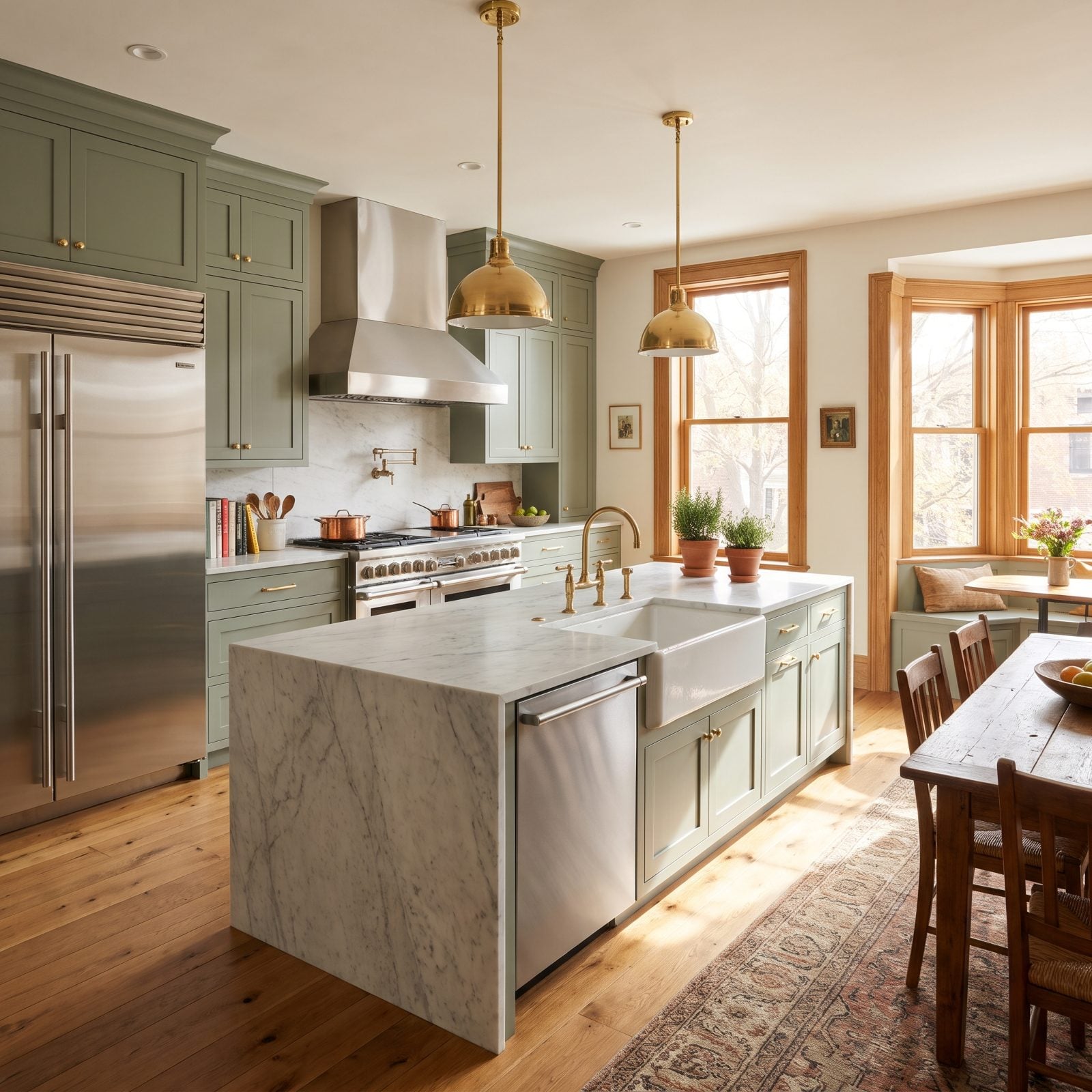
Everything in this kitchen is expensive, which is both the appeal and the problem. A professional range, built-in stainless steel refrigerators, custom sage cabinets, waterfall marble, brass pendants over the island. It’s the room buyers fall in love with.
It’s also the room that costs the most to rebuild after a fire or a water loss. A commercial-style gas range brings a bigger flame and a bigger liability question, and replacement value on bespoke cabinetry and stone runs far past a standard kitchen, which pushes your dwelling coverage up to match.
The kitchen that sells the house is the kitchen that sets your replacement cost.
None of this means skip the dream kitchen. It means insure it for what it actually costs to rebuild, not what a builder-grade kitchen costs, because a short payout after a loss is its own kind of heartbreak.
9. Whole-House Smart Automation Systems

Smart home wiring is invisible until it isn’t. Then you learn what it costs to replace all of it.
A fully integrated system, automated shades, in-wall controllers, networked lighting, integrated audio, climate, and security, is a web of hardware running through your walls. After a fire or a surge event, you’re not replacing one gadget. You’re replacing a whole interconnected system that was professionally programmed and installed, and that’s a real number on your equipment and contents coverage.
8. Residential Elevators
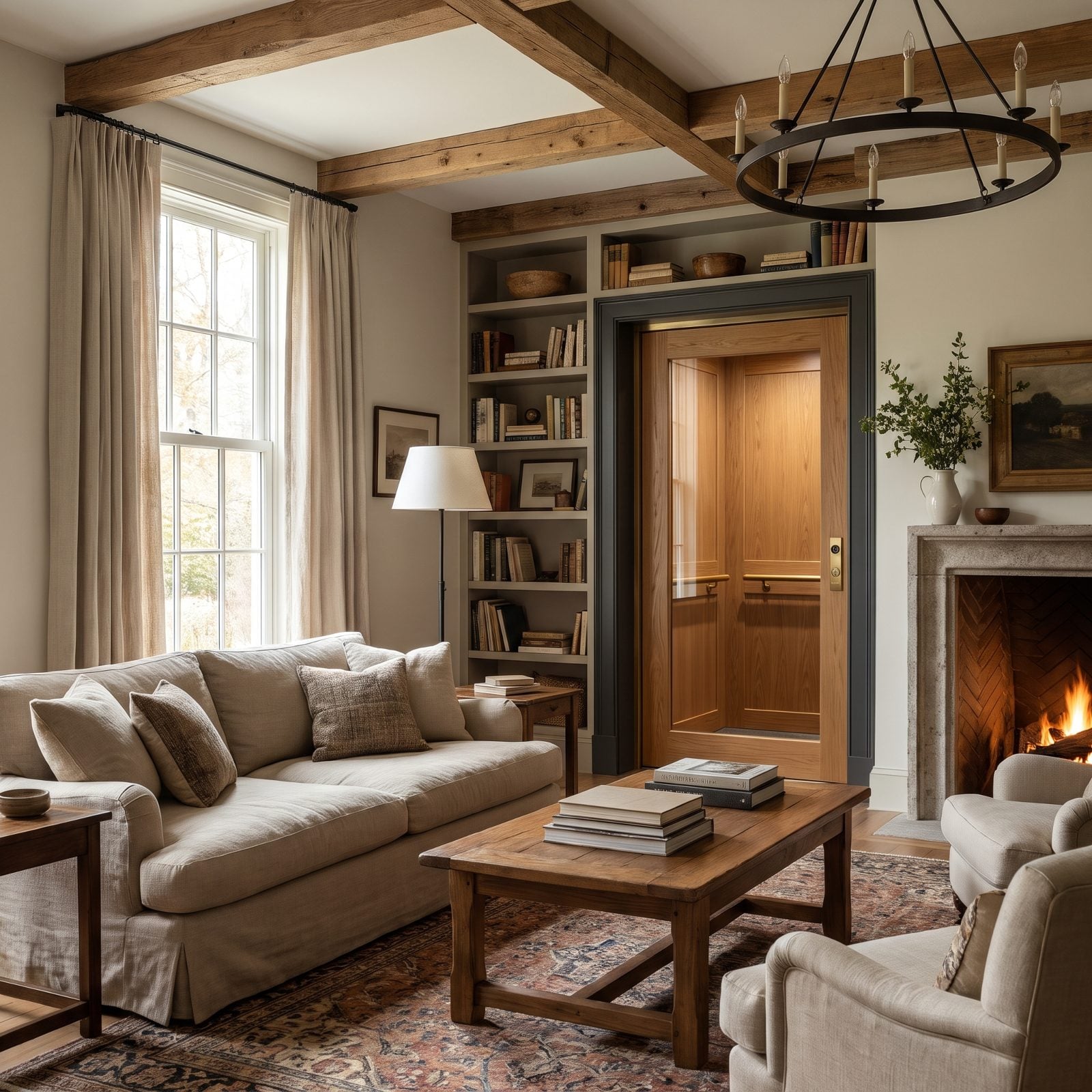
A home elevator is the quiet luxury that lets a house age with the people in it. It’s also a piece of mechanical equipment with cables, motors, and a car that carries people between floors, and that combination is pure liability language to an underwriter.
Two things drive the cost here. One is replacement, because a custom cab with oak paneling and brass fixtures isn’t cheap to rebuild. The other is injury risk, since any moving machinery that lifts a person creates an exposure standard policies weren’t priced for.
Install one, love it, and keep the maintenance log current. The lift that ages gracefully is the one that gets serviced on schedule.
7. Car Lifts in Residential Garages
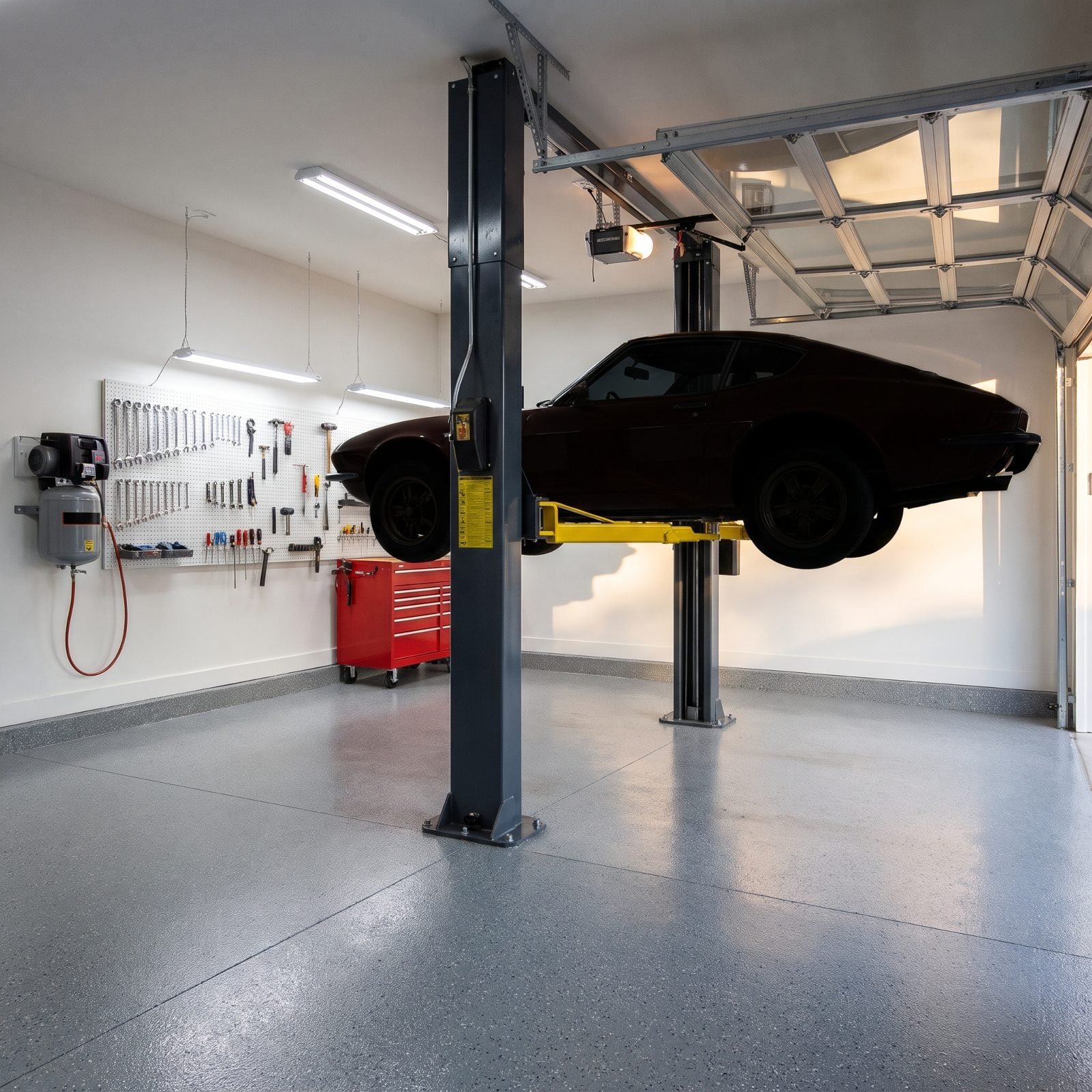
A raised car on steel arms is a beautiful thing to a gearhead and a red flag to an underwriter. The exposure here is literal: thousands of pounds held in the air by hydraulics over a concrete slab.
Lifts raise your liability on two fronts. A dropped vehicle is a serious claim, and a friend helping you turn wrenches who gets hurt under there points a liability claim straight at you. Underwriters also notice the collector cars that tend to live wherever lifts live.
6. Detached Workshops With Power Tools
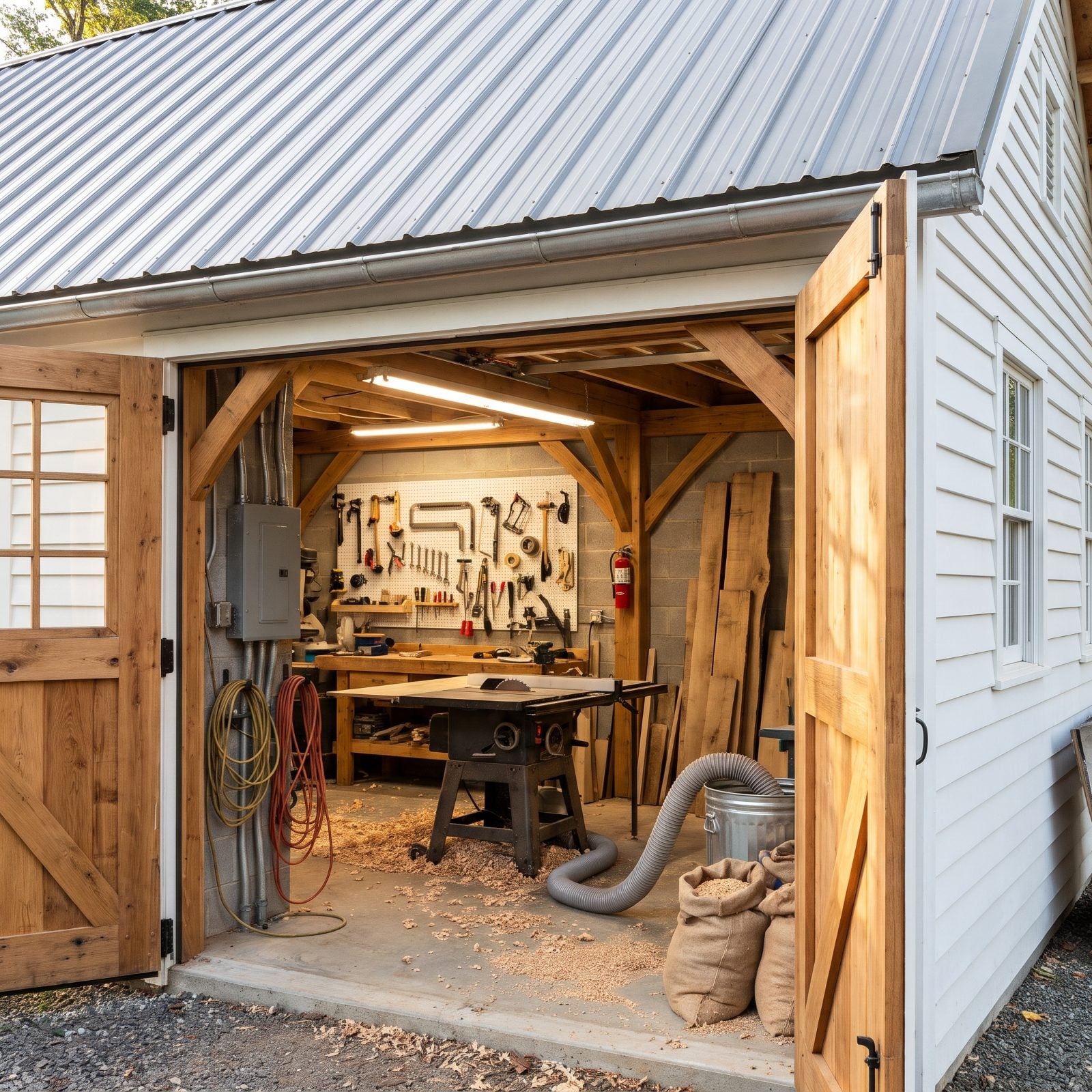
Sawdust is the problem. A detached shop full of power tools is a dream to build in and a headache to insure, because fine wood dust and spinning blades and space heaters inside a wood building add up fast.
And here’s where it gets tricky. A detached structure may not be fully covered under your main dwelling limit, and the tools inside are easy to underinsure. It’s the same honest-materials instinct that drives a great rustic mudroom design — real function, real craft — except function with a cord and a motor reads very differently to an insurer than a reading nook does.
A detached workshop is a second building on your policy, whether you think of it that way or not.
5. Horse Barns and Riding Arenas
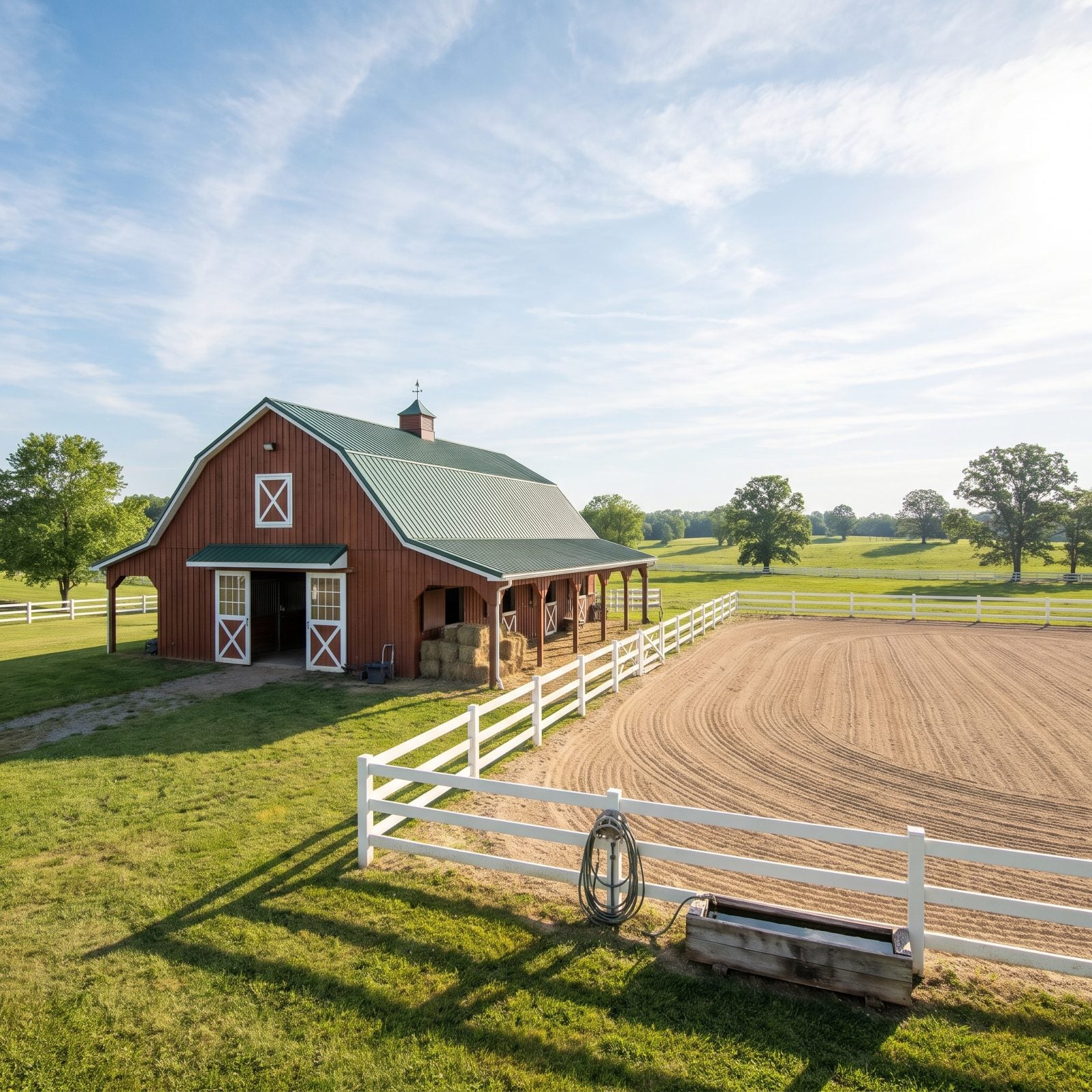
Few amenities add liability faster than keeping horses at home. A barn and arena turn a residence into something closer to a small operation, and the animal at the center of it is large, unpredictable, and fully capable of hurting a visitor.
The barn carries a high replacement cost and is stuffed with hay that burns in minutes. The arena invites guests to ride. Both nudge you toward a specialty farm or equine policy rather than a standard homeowner’s line.
4. Backyard Ponds With Steep Banks

A deep pond with sheer stone edges is the kind of water feature that stops a landscape cold — and stops an underwriter cold too. Depth plus steep banks equals a drowning hazard, and insurers treat open water on a property a lot like they treat a pool.
Liability climbs because the feature is attractive and the edges give no warning. No shallow lip, no gradual wade-in. The same deep water that keeps koi healthy is what raises your coverage requirement.
3. Homes Beside Dense Wildland Vegetation
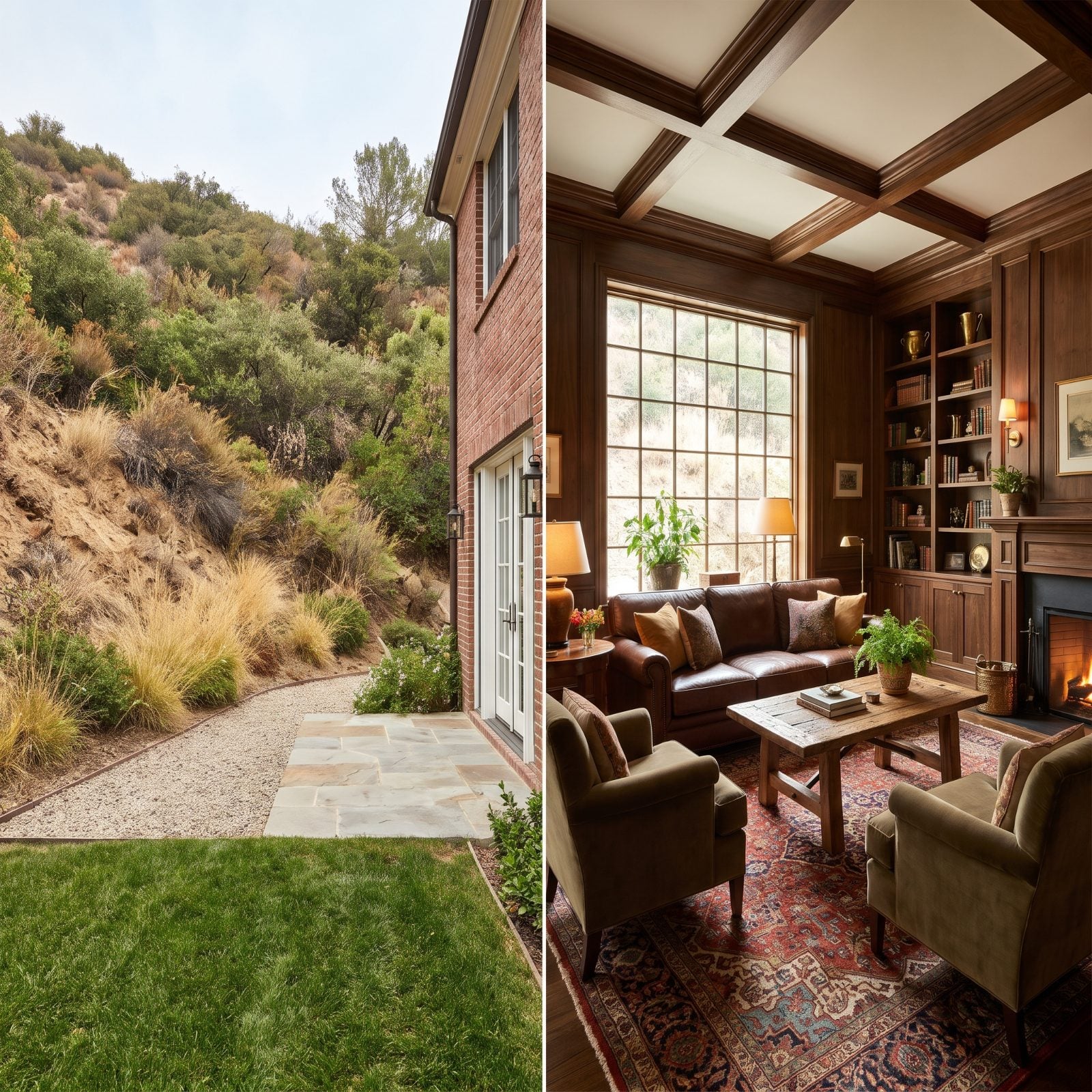
Living against wild brush is probably why you bought the place — the quiet, the privacy, the view with nothing built behind it. That same undisturbed vegetation shows up in an insurer’s fire-risk model as fuel at your back fence.
Wildland-urban interface zones carry higher premiums, and some carriers won’t write them at all. The closer the brush, the harder the math.
2. Large Mature Trees Overhanging the Roof
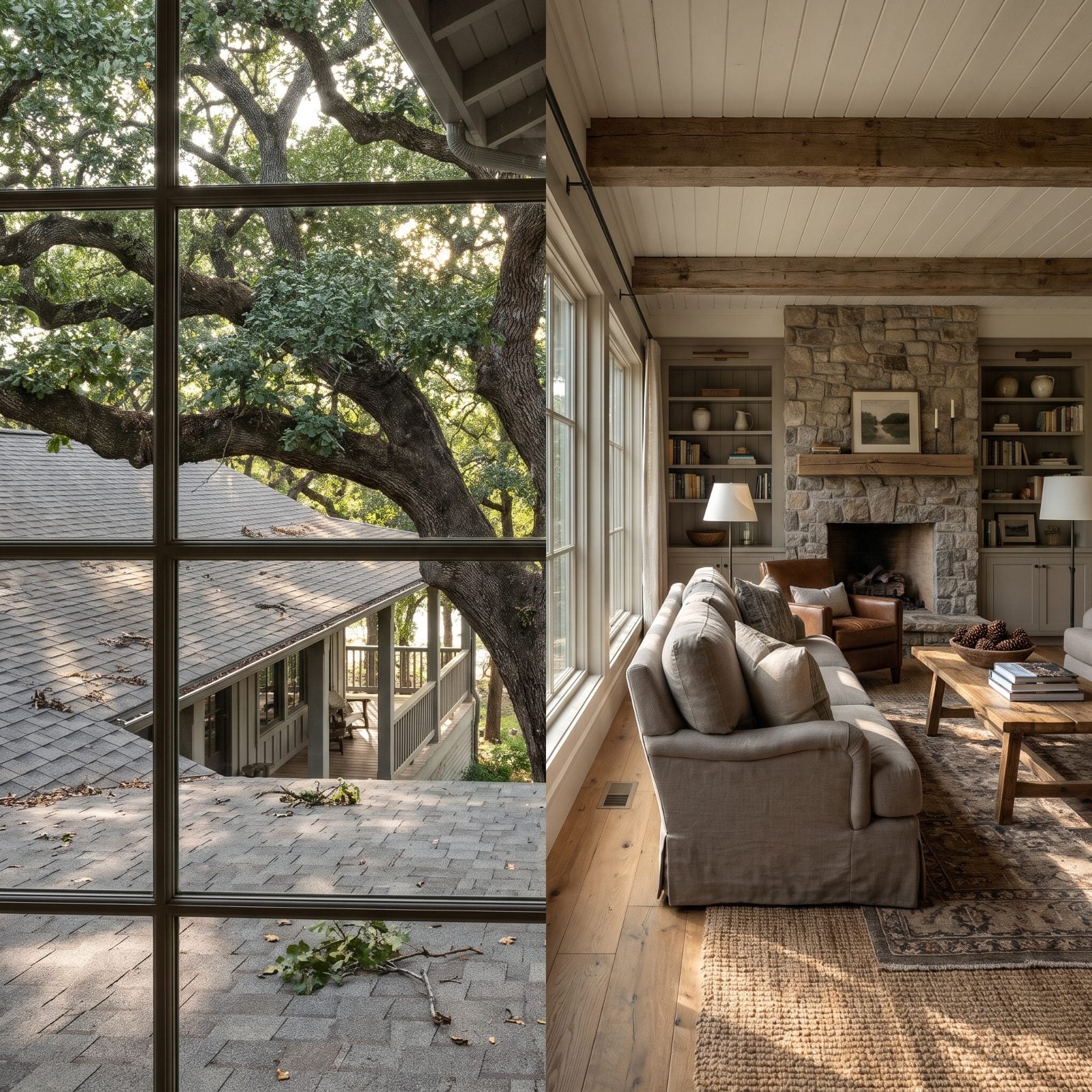
A hundred-year-old oak canopying the roof is the whole reason a street feels established. It also parks tons of living timber directly over your shingles.
Overhanging limbs are a named concern, and for good reason. One heavy branch in a windstorm goes straight through the roof, and roots quietly lift foundations and crack sewer lines underground. Insurers factor in the proximity — the shade you love is the risk they price.
Asked how much leeway carriers give homeowners with limbs over the roof, one tree-care insurance agent put it bluntly: “If an inspector says prune, you prune. If they say remove, you remove”
Not everyone would reach for the saw: outdoor photos with trees got hearts from our readers 71% of the time, vs 66% for the other images in the same articles.
1. Hillside Homes With Retaining Walls
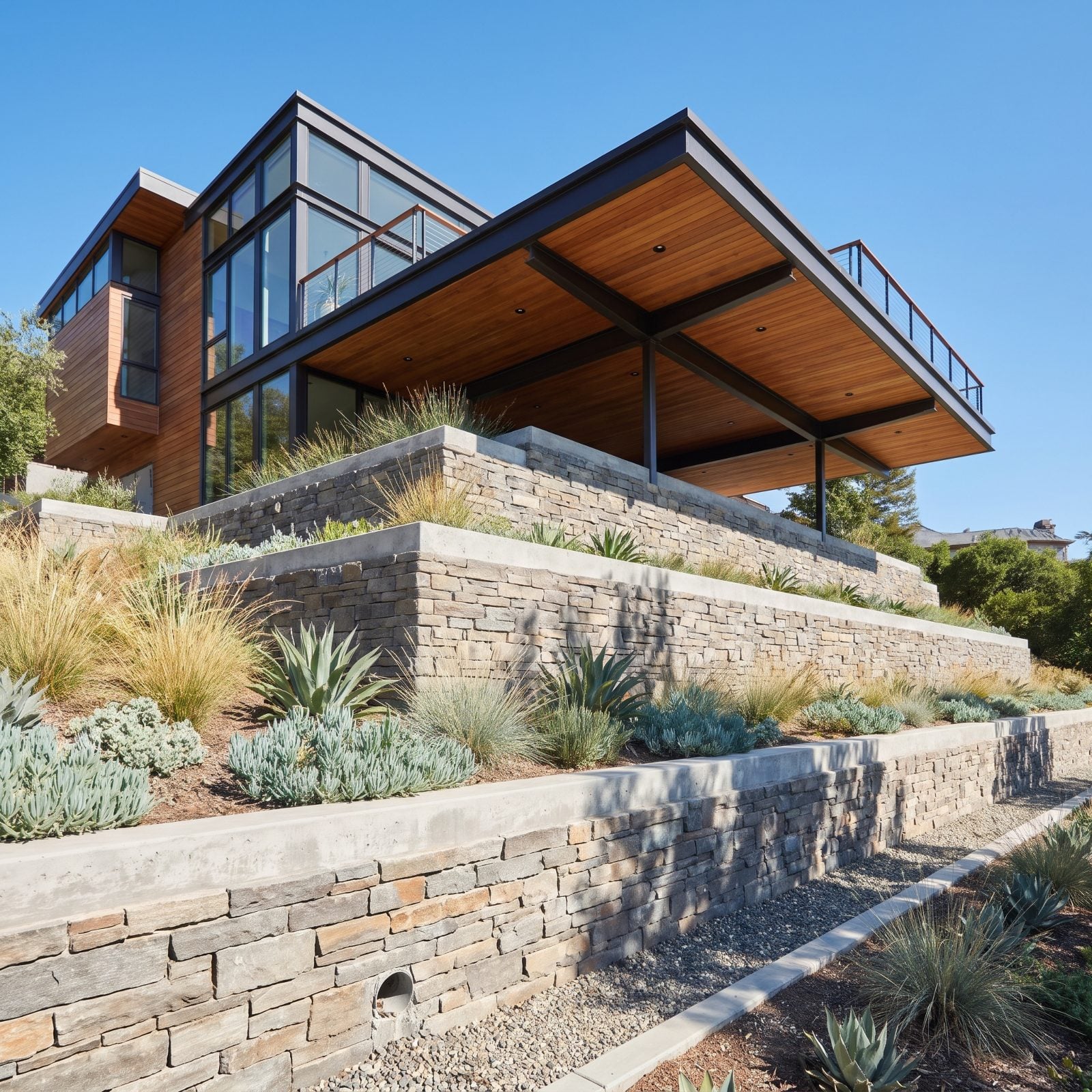
Perch a house on a slope and you get the view, the breeze, the deck that floats over everything. You also get engineering holding the ground in place, and engineered structures can fail.
Retaining walls are expensive to replace and even more expensive when they let go, because a single wall failure can take a terrace, a driveway, or part of the house down with it. Slope movement and drainage trouble make underwriters nervous — much the way the ambition behind a cottage den renovation excites a homeowner and quietly terrifies the budget.