
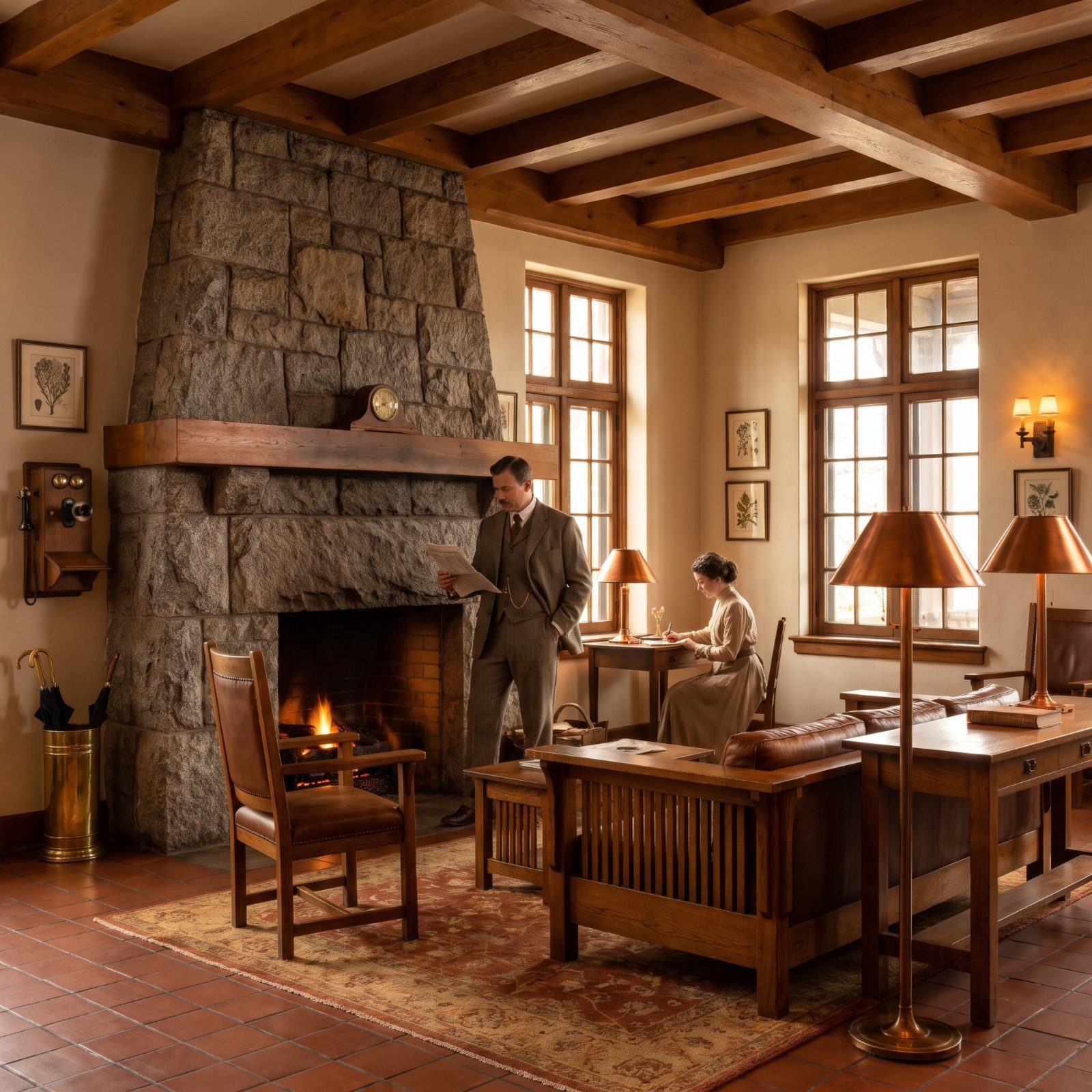
A mule hauling granite up Sunset Mountain in 1912. That’s how one of these hotels got its walls, and it’s the kind of detail that tells you North Carolina never did its lodging halfway. These are the places where William Jennings Bryan gave a keynote, where Black travelers found a safe bed when most of the country offered none, where steamer trunks slid down ten-foot hallways off the night train.
Some were railroad resorts. One started as a department store, another as a bank. Walk into any of the ones below and the past is still holding the door.
In order to come up with the very specific design ideas, we create most designs with the assistance of state-of-the-art AI interior design software. Also, assume links that take you off the site are affiliate links such as links to Amazon. this means we may earn a commission if you buy something.
The Omni Grove Park Inn, Built for the Ages Out of Granite and Mules
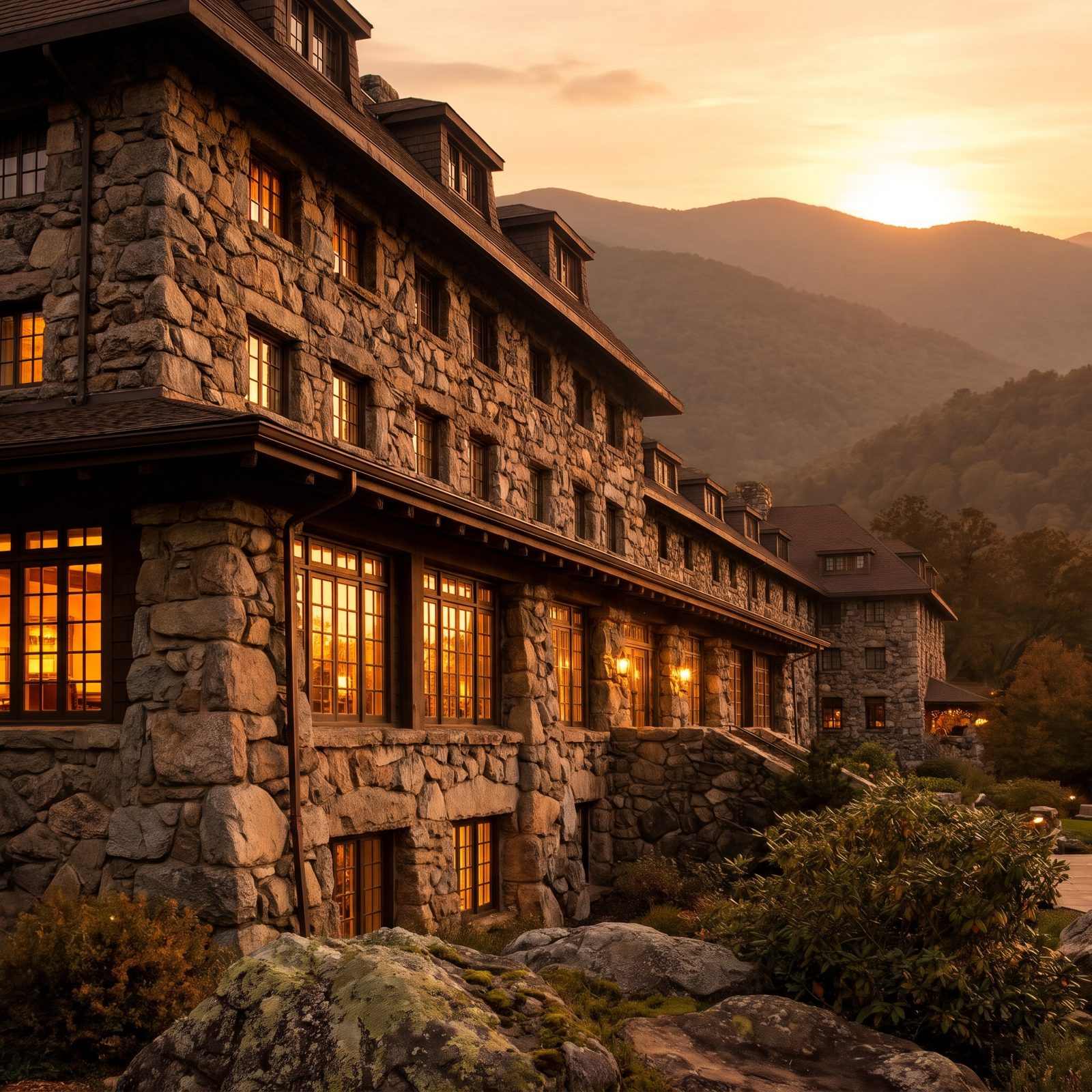
Edwin Wiley Grove made his money on a malaria tonic called Grove’s Tasteless Chill Tonic. His doctors promised the mountain air would ease his bronchitis, so he came to Asheville and built something on Sunset Mountain that looks like the mountain grew it. Hundreds of men hauled granite boulders up the slope with mules and wagons, and they finished in just under a year.
It opened July 12, 1913. William Jennings Bryan gave the keynote and called it “built for the ages,” and he wasn’t exaggerating. The dark weathered timber roof and gable, the boulder walls, the original Roycroft furnishings in the Great Hall all still read as one continuous idea: permanence.
Fred Seely, Grove’s son-in-law, drew the Arts and Crafts design himself. Not an architect by trade. You’d never guess it standing in front of that fireplace.
Pinehurst Resort, Where a Soda-Fountain Fortune Grew Into a Golf Landmark
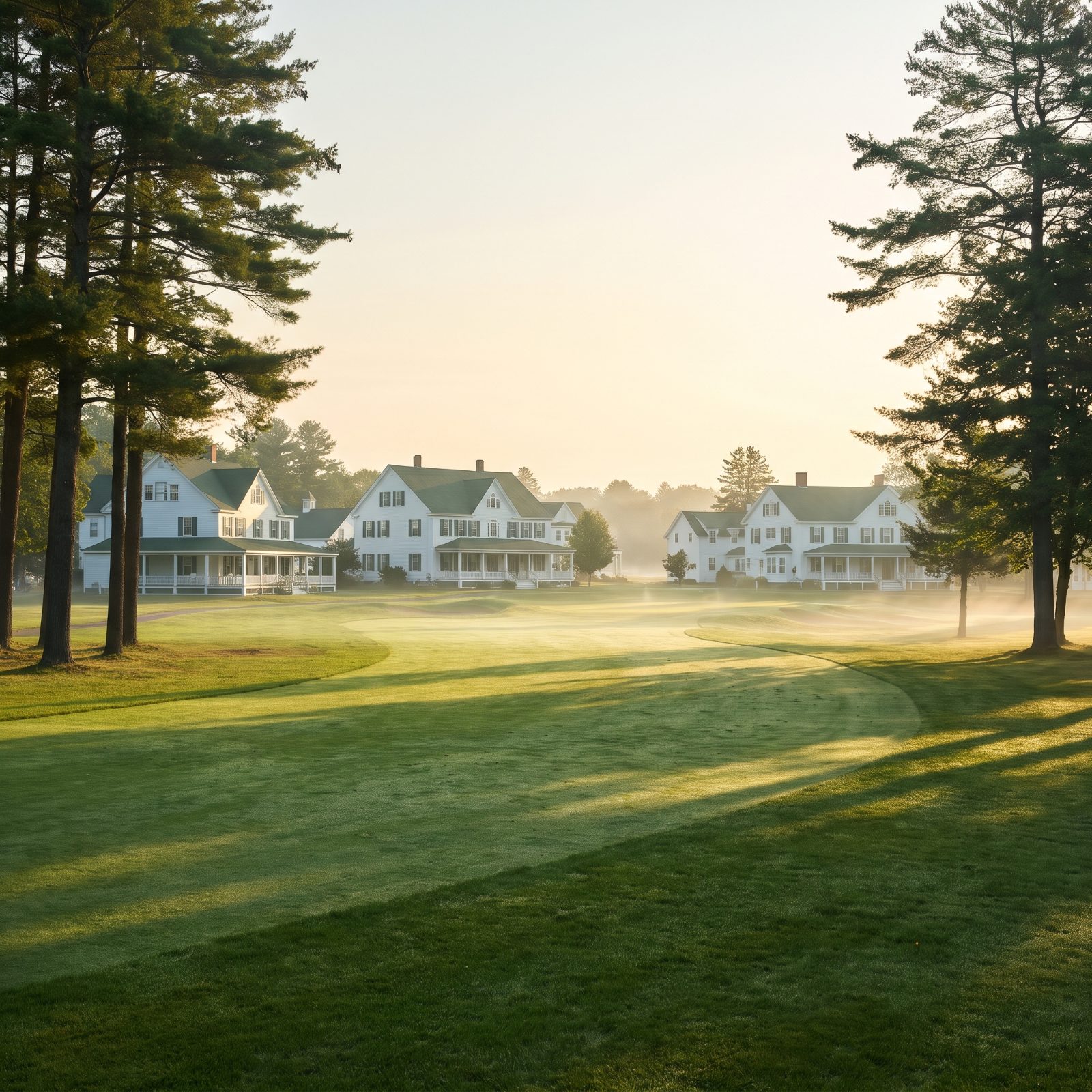
James Walker Tufts got rich selling soda fountains in Boston, then in 1895 bought a huge stretch of North Carolina sandhills for pocket change an acre. The Holly Inn opened on New Year’s Eve that same year. He wasn’t chasing golf at first. The golf found him.
Donald Ross’s Pinehurst No. 2 opened in 1907 and turned the whole place into a pilgrimage site. U.S. Opens, a U.S. Women’s Open, a PGA Championship, a Ryder Cup — the tournament roll call is long. The resort has been a National Historic Landmark District for good reason, and a Historic Hotels of America member since 1991.
Three hotels sit inside that landmark district now. And the village around them still has the hushed, pine-needle quiet of a place that decided a long time ago exactly what it wanted to be.
The Carolina Inn, Chapel Hill’s Front Porch Since 1924
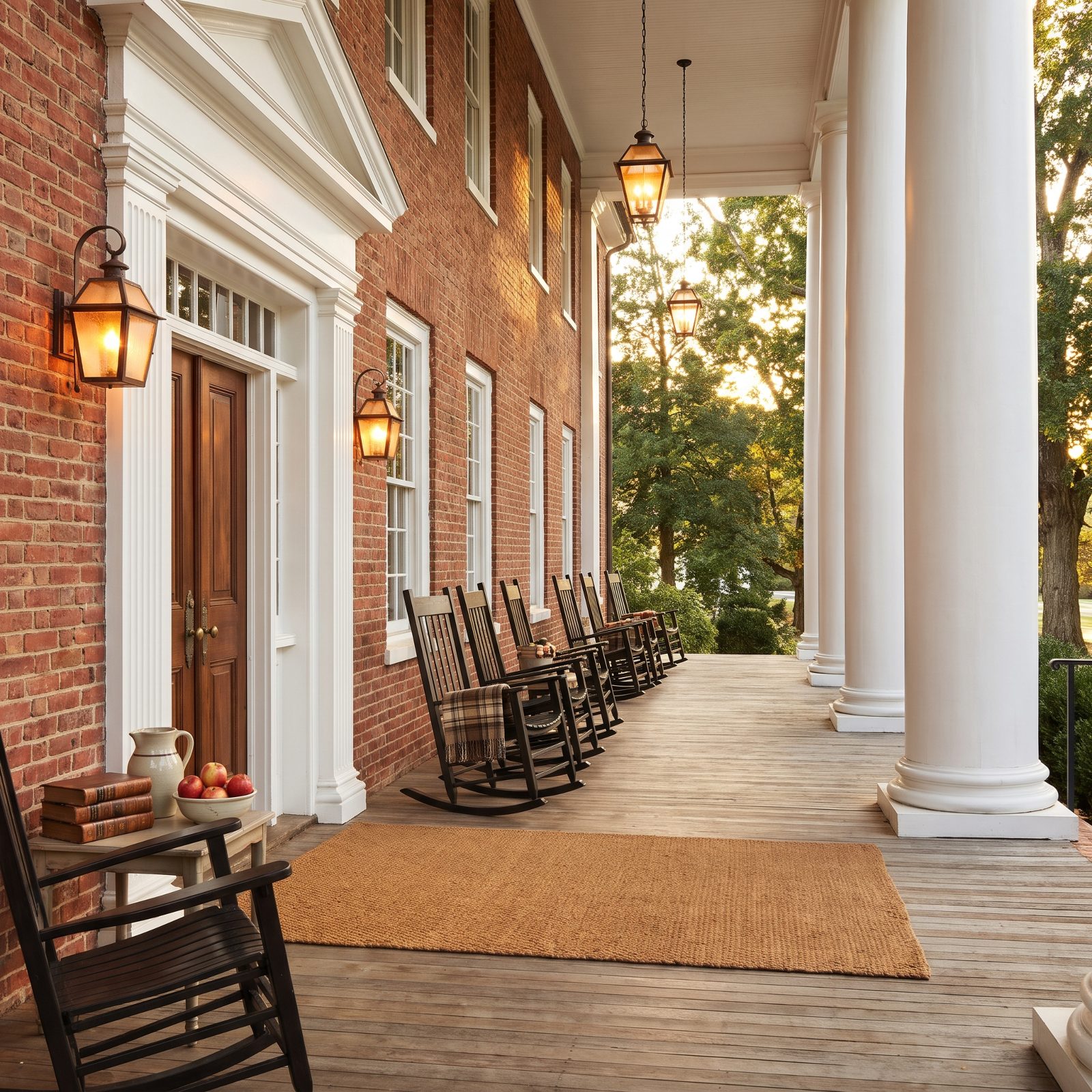
It stands on the exact site of the chapel that gave Chapel Hill its name. Alumnus John Sprunt Hill built the inn in 1924 at 211 Pittsboro Street, then handed it to the University of North Carolina in 1935. UNC still owns it, which makes it one of the rare hotels in America owned by a public university.
The look is textbook Colonial Revival — red brick, a gambrel roof, a two-story piazza, that cupola keeping watch. Wings got added in 1939, 1940, again around 1970, and once more in 1995, each one careful not to argue with the original.
Haywood Park Hotel, Asheville’s Longest-Running Department Store Reborn
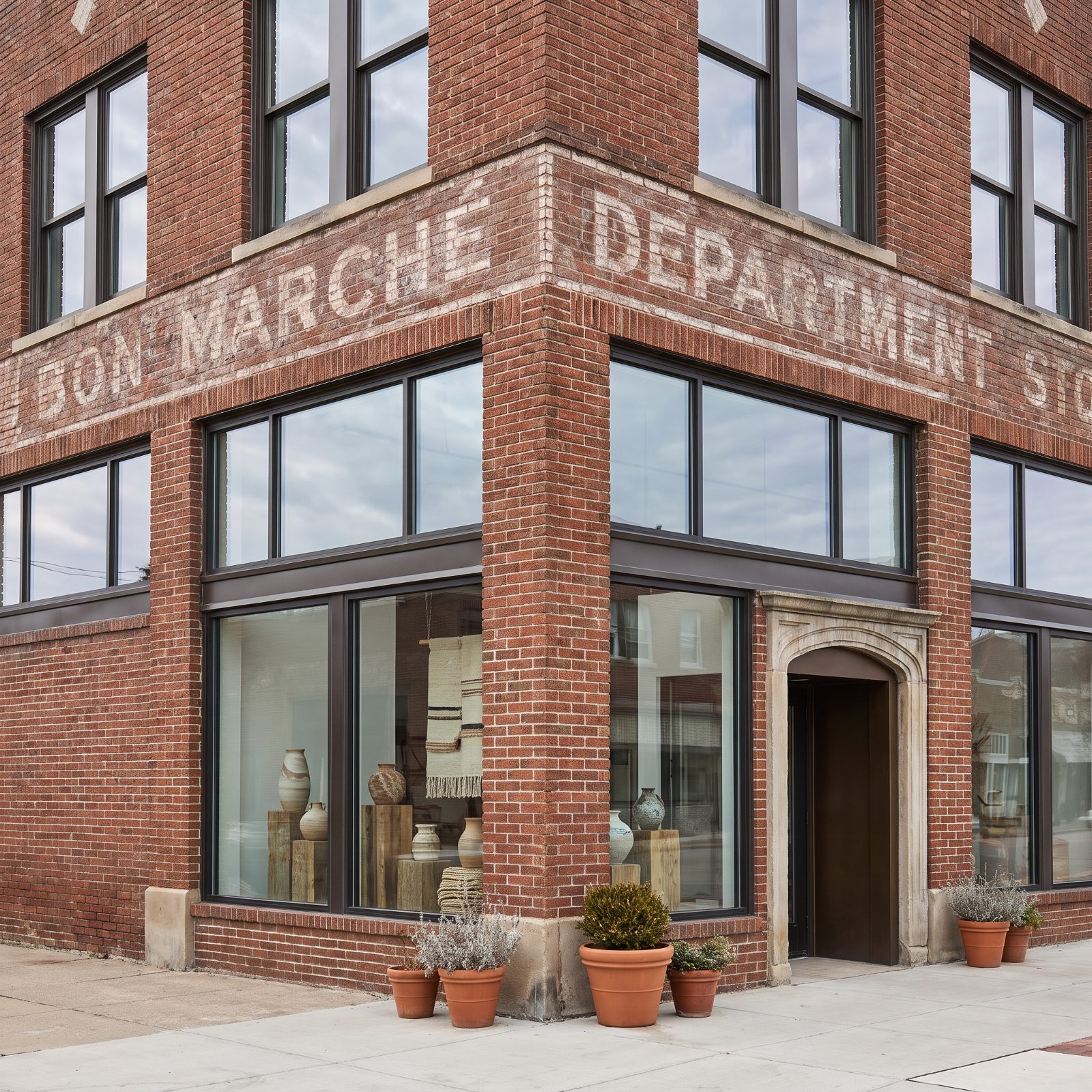
Before it was a boutique hotel, this was where Asheville shopped. E.W. Grove put up this brick corner building in 1923 for Solomon Lipinsky’s Bon Marché, designed by W.L. Stoddart — the same architect behind the Battery Park and Vanderbilt hotels. Bon Marché, founded in 1889, was a fixture of downtown Asheville until its downtown store closed in 1979.
Ivey’s took over after Bon Marché moved across the street in 1937. Today the building is a boutique hotel, with the same dark metal-framed windows wrapping both sides. A commercial building given a second life as a hotel — the kind of reuse that keeps a downtown breathing instead of bulldozed.
Pottery sits on wooden plinths beside a woven wall hanging behind the glass now. Look up at the faded painted sign on the brick and you can still feel the old store underneath it.
The Dunhill Hotel, Charlotte’s 1929 Survivor (Ghost Included)
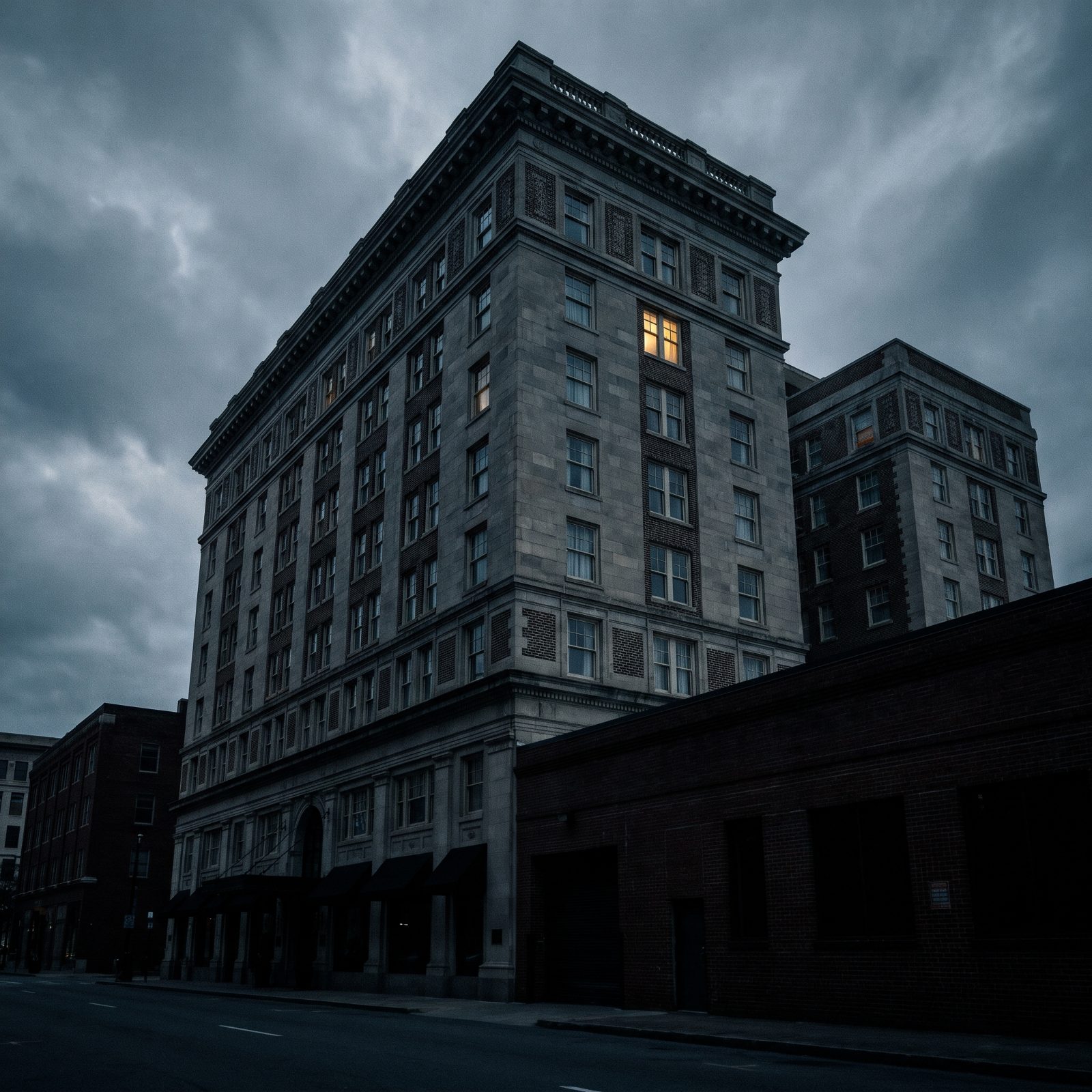
Louis Asbury Sr. designed it in 1929 as the Mayfair Manor Hotel Apartments, ten stories of Classical Revival that opened that November with 100 rooms for both overnight guests and permanent residents. Then it closed in 1981 and sat empty.
Empty buildings in American downtowns usually end one way. This one got a major renovation instead and reopened in 1988 as the Dunhill with 60 larger rooms. It joined Historic Hotels of America in 1991 and later took home their Best Historic Small Inn or Hotel award.
Guests and staff say a ghost named “Dusty” still wanders the halls. We’re not going to argue with a building that survived being abandoned for most of a decade.
The Historic Magnolia House, Greensboro’s Green Book Haven Still Standing
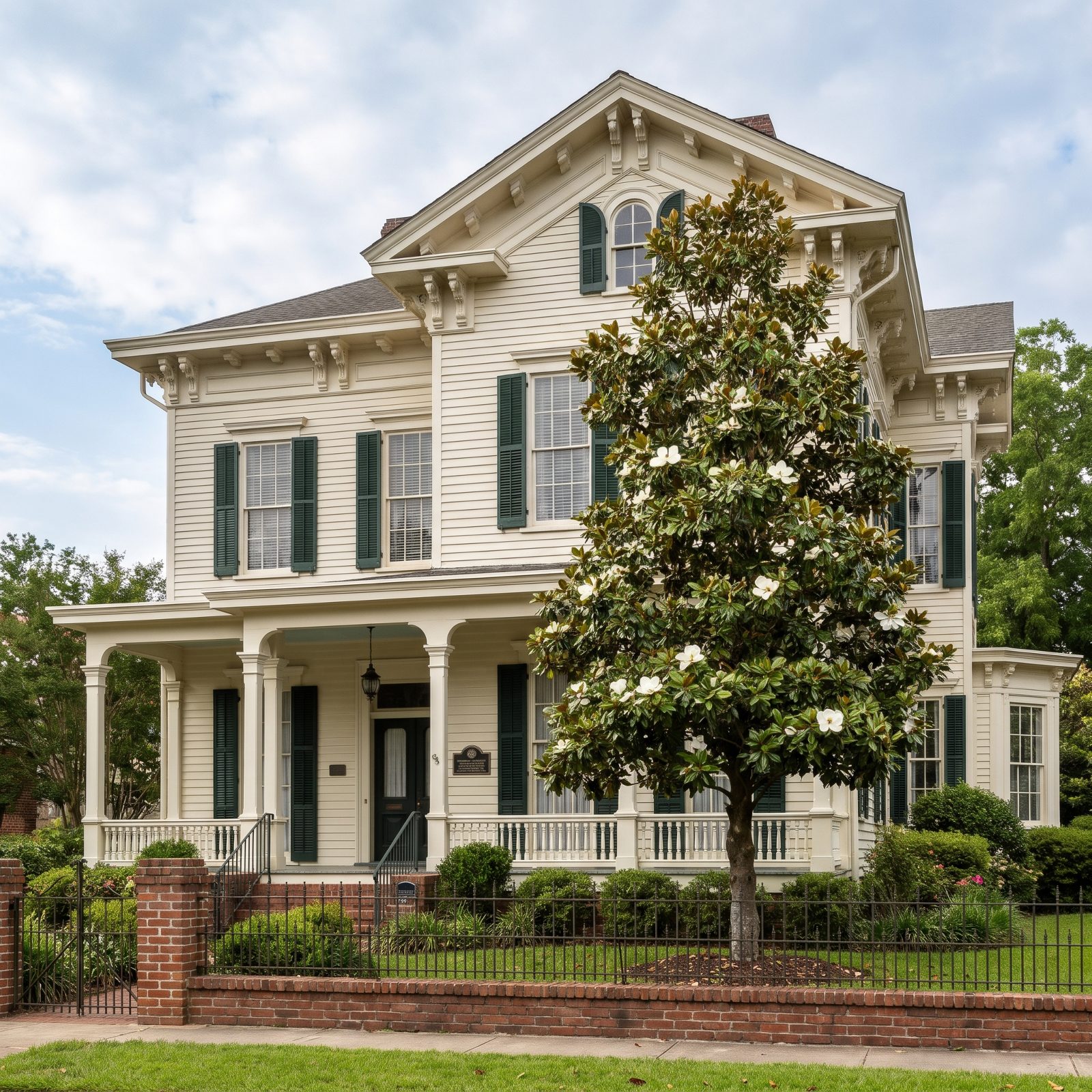
This one matters in a way the others can’t touch. The house went up in 1889 at 442 Gorrell Street, a Victorian-Italianate in the South Greensboro Historic District. In 1949, Arthur and Louise Gist turned it into a guest house for Black travelers at a time when most of the country wouldn’t rent them a room.
It was listed in the Green Book as the Magnolia Hotel. Of the Green Book sites that once dotted North Carolina, only a handful are still standing, and this is one of them.
The Pass family restored it, and it reopened as a boutique hotel in January 2022. Lunch runs three days a week. It joined Historic Hotels of America and earned its own National Register listing.
Balsam Mountain Inn, the Last Railroad Hotel Standing at 3,750 Feet
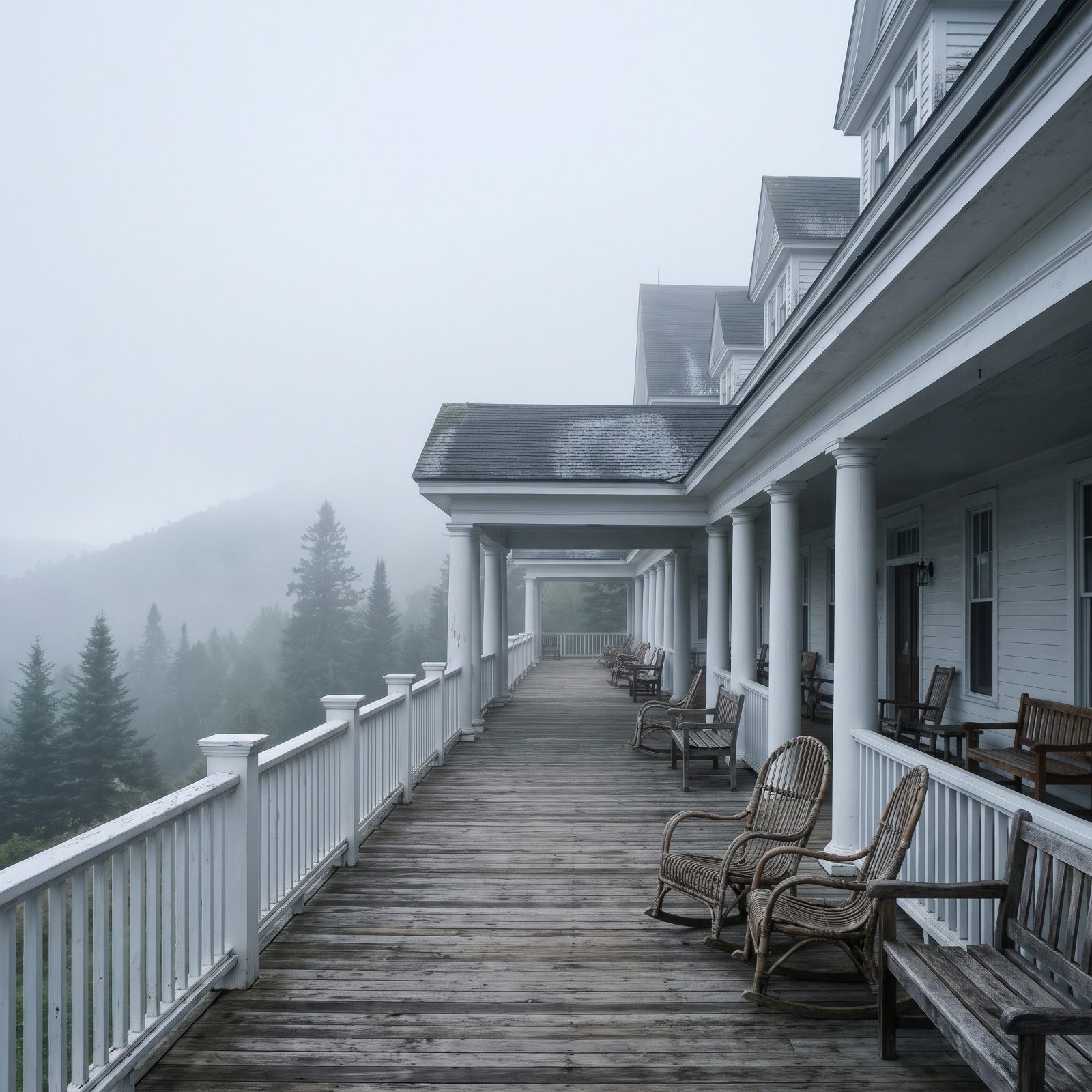
Built between 1905 and 1908 as the Balsam Mountain Springs Hotel, this one sits high above Balsam Gap (figures range from about 3,500 to 3,750 feet), near a depot the inn advertised as the highest railroad station east of the Rockies. Four passenger trains stopped in Balsam every single day. And the hallways? Ten feet wide, built that way on purpose to fit travelers’ steamer trunks.
Of all the railroad hotels that once dotted these mountains, it’s the only one left in Balsam.
The health department shut it down in 1988, which is usually the end of the story. Innkeeper Merrily Teasley bought it in 1990, cut the original 125 rooms down to 53 with private baths, and reopened in 1991. It’s been on the National Register since 1982.
Mast Farm Inn, Thirteen Bedrooms and One Bathroom in Valle Crucis
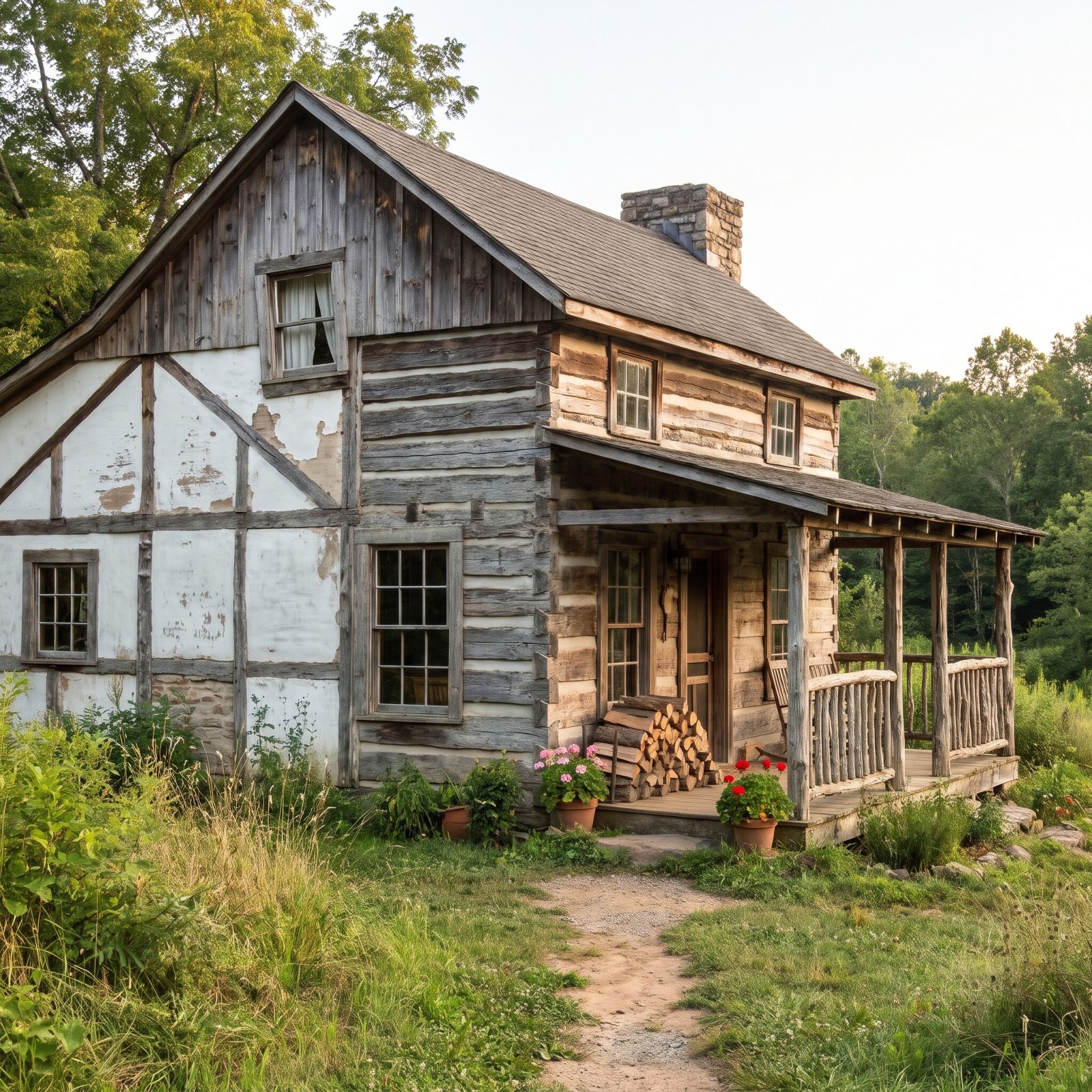
Joseph Mast walked here from Pennsylvania in the late 1700s. That’s not a figure of speech. He walked. A two-room log cabin from around 1810 still stands facing the main house, which D. Finley Mast finished in 1896.
Finley and his wife Josephine started taking in guests in the early 1900s, and the operation eventually grew to 13 bedrooms served by exactly one bathroom. Imagine the morning logistics. Nobody seemed to mind, judging by how long the place ran.
It landed on the National Register in 1972 and anchors the Valle Crucis Historic District. It’s a Historic Hotels of America member (since 2012), but check availability before you book. The farm is still the draw, same as it was more than a century ago.
Graylyn Estate, a 1932 Mansion That Decided to Become a Hotel
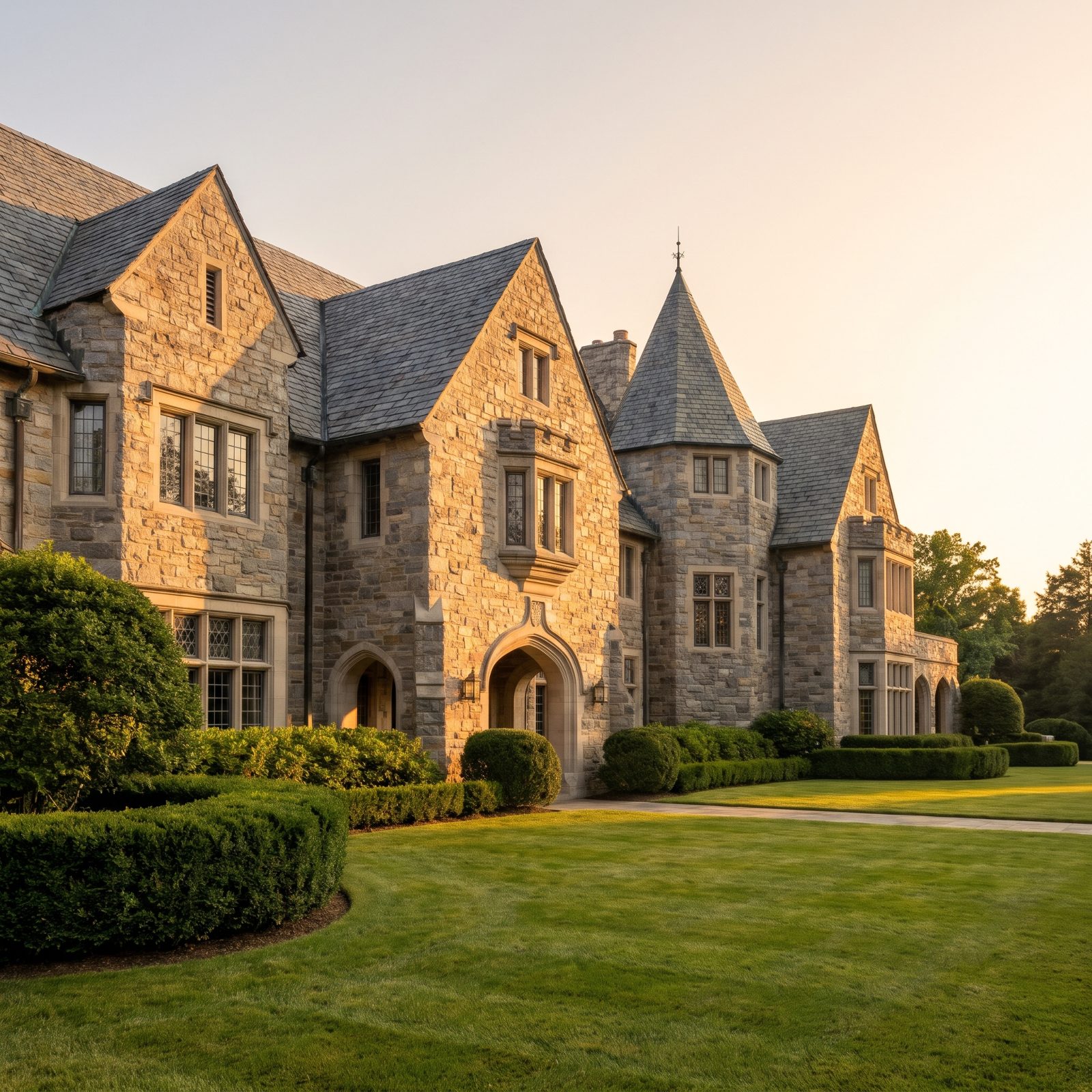
Some hotels were always hotels. This wasn’t one of them. Graylyn went up in 1932 as a private estate in Winston-Salem, built to be a home, with the kind of stonework and scale that only private money produced in that era.
Now it runs as a hotel and conference property, a current Historic Hotels of America member. A grand residence turned working hotel is the quiet magic of reuse — a building designed for a handful of people throwing open its doors to everyone who can afford a night.
Worth confirming current booking and event availability through the estate directly before you plan a visit. The grounds alone justify the trip to Winston-Salem.
21c Museum Hotel Durham, an Art Deco Bank Full of Contemporary Art
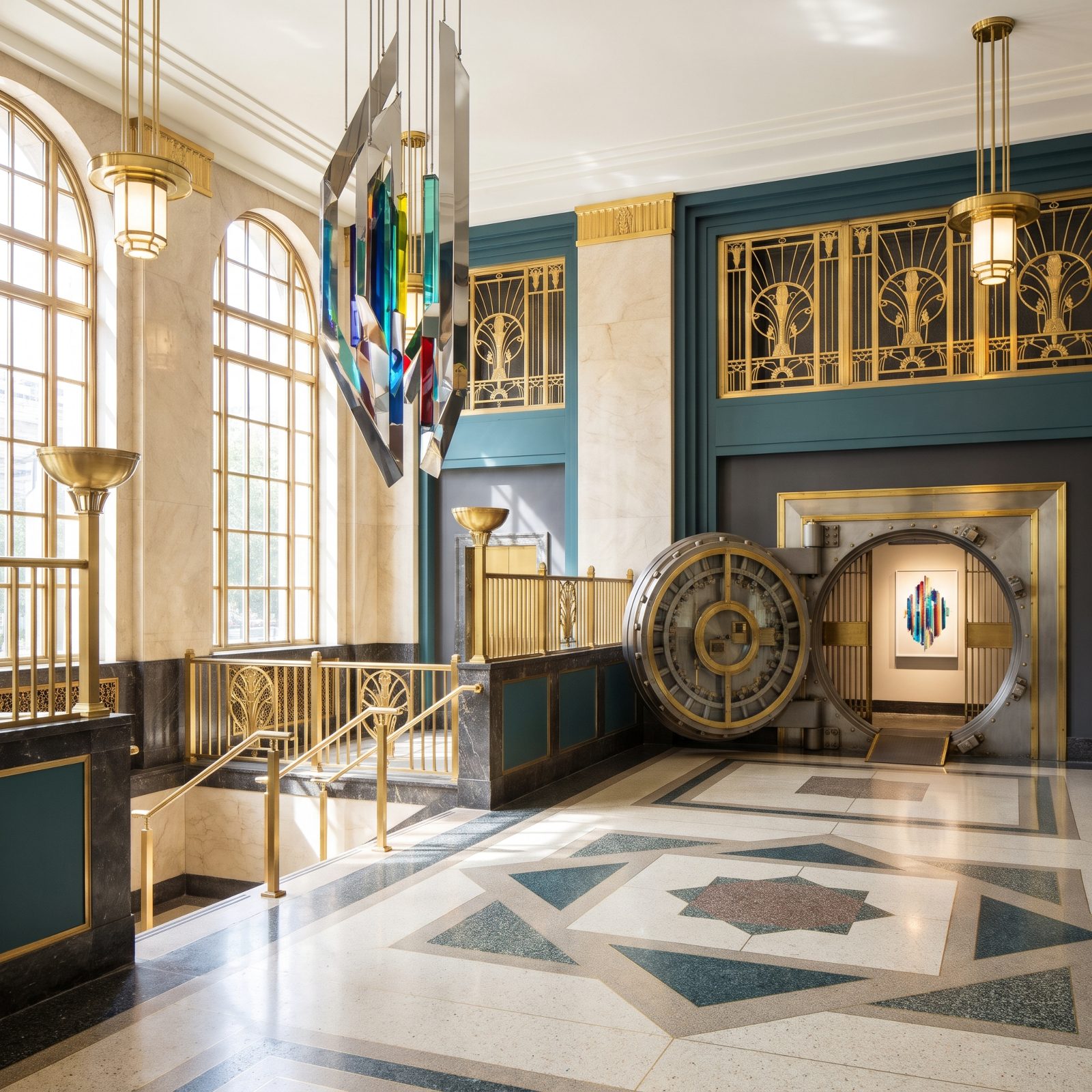
It opened its vault doors as Durham Bank & Trust Company in 1937, a clean Art Deco box of marble and geometry in the middle of downtown. Banks built like that because the look itself was the pitch: trust us, we’re permanent.
The building outlived the bank and became a hotel wrapped around a contemporary art museum. Historic Hotels of America lists it as “21c Museum Hotel Durham,” and it has also been marketed as “21c Museum Hotel Durham by MGallery.” The name has shifted over the years, so confirm the current one before you book.
The pairing is what makes it work. Deco bones, modern art, a lobby that used to count other people’s money and now shows you a sculpture instead. That’s the trick all of these buildings pulled off, each in its own way. They refused to become the past tense.