
There’s a specific kind of silence that falls over a kitchen table when the appraisal comes back lower than the renovation invoice. You spent the money, you loved the result, and then a stranger with a clipboard decided it was worth a fraction of what you paid. It happens more than anyone wants to admit, and it happens hardest with the big, splashy features people fall for. These are the upgrades that feel like treasure going in and read like a rounding error coming out. Know them before you sign anything.
35. A Resort-Style Swimming Pool in a Seasonal Market

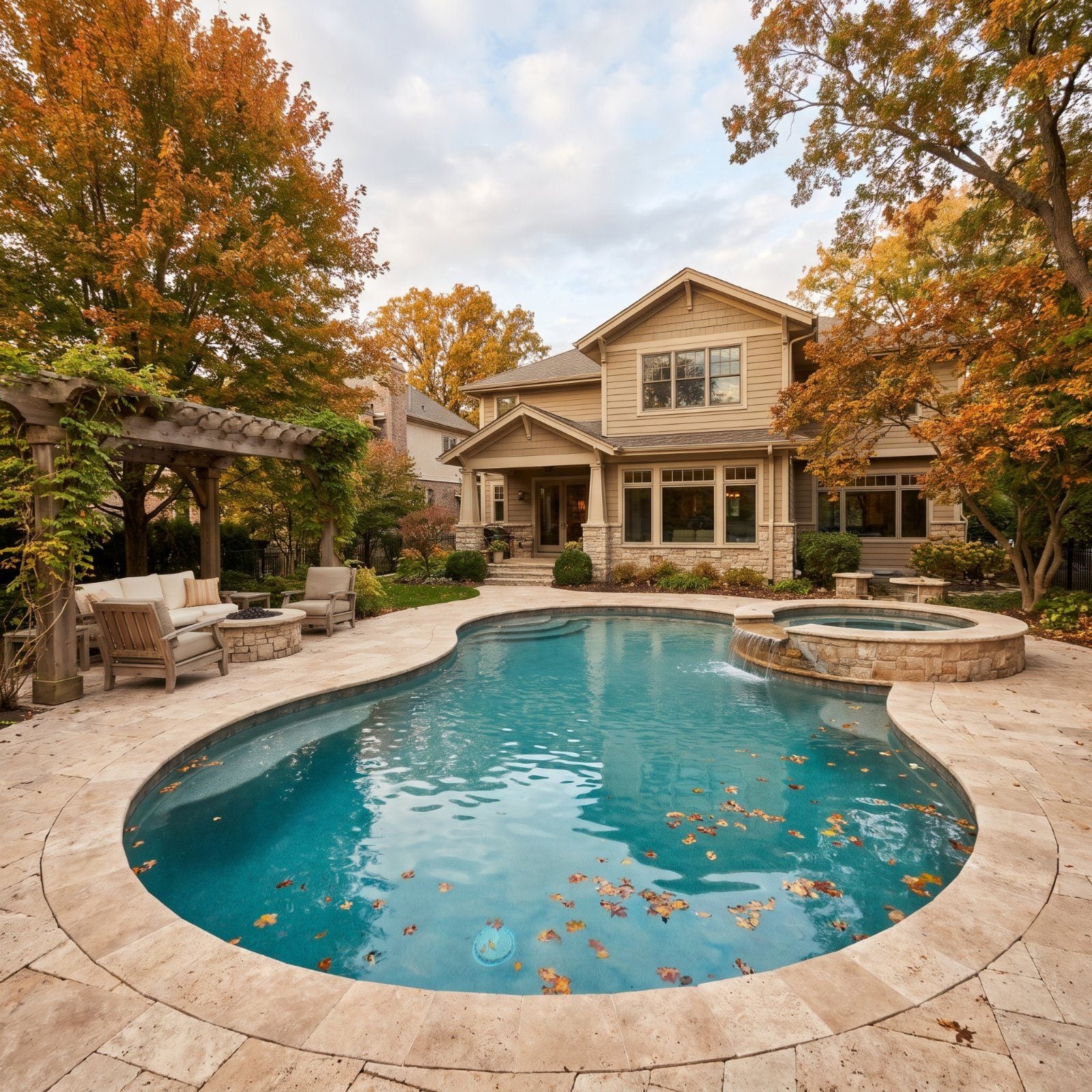
A $90,000 pool in Phoenix is an amenity. The same pool in Minneapolis is a four-month amenity and an eight-month liability, and appraisers know the difference even when owners don’t want to hear it.
In order to come up with the very specific design ideas, we create most designs with the assistance of state-of-the-art AI interior design software. Also, assume links that take you off the site are affiliate links such as links to Amazon. this means we may earn a commission if you buy something.
In seasonal markets a pool returns a small fraction of its cost, and in some buyer pools it reads as a negative once you factor in the maintenance, insurance, and fencing that come with it. The water looks like money. The upkeep looks like a second job.
Writing on how appraisers weigh pools, a residential appraiser notes that “In warmer climates, such as Florida or Arizona, pools are highly desirable and can significantly boost a home’s appeal and value. Conversely, in colder regions where the pool season is shorter, the added value might be minimal.”
34. A Built-In Hot Tub With Specialized Maintenance Needs
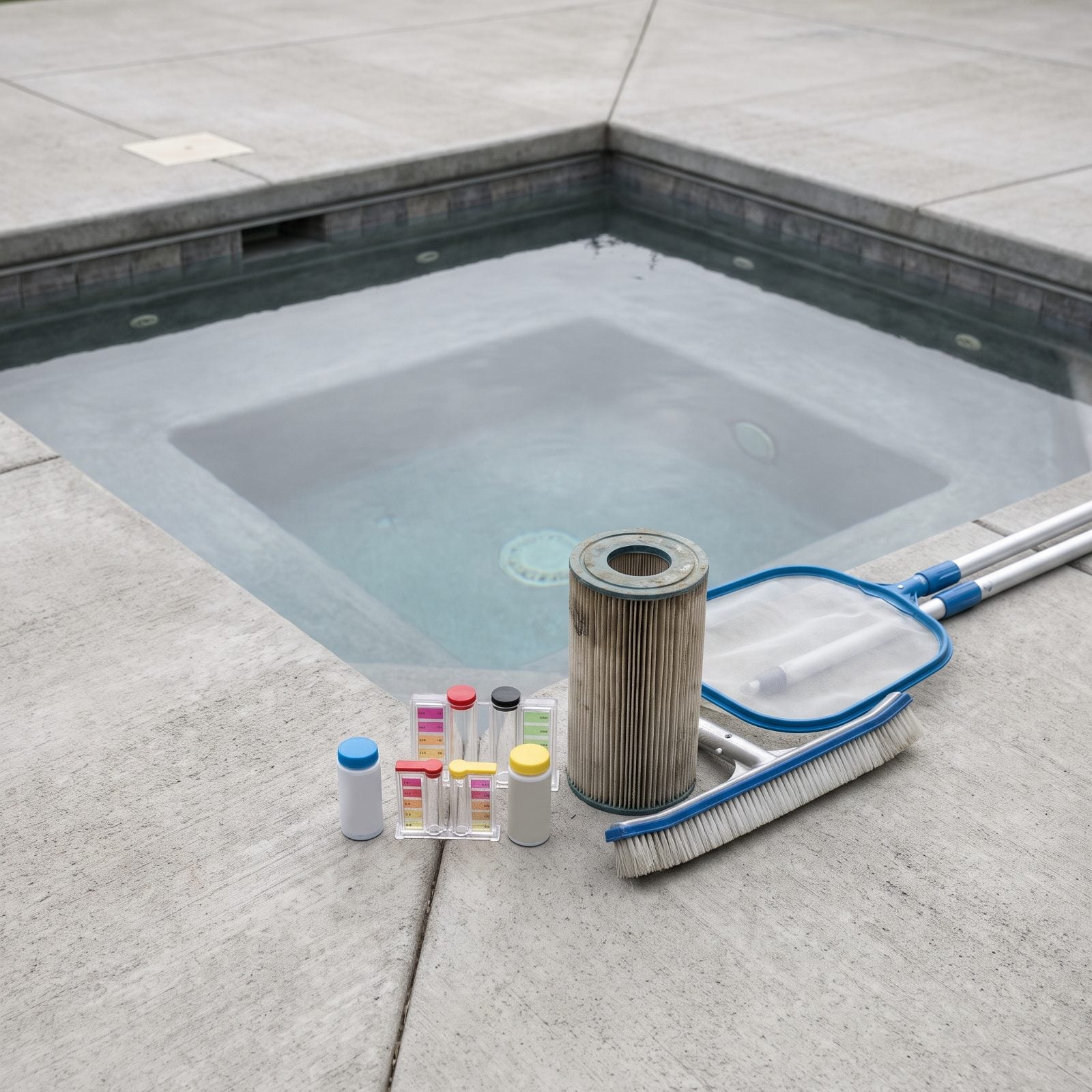
A plug-in spa you can haul away on a trailer carries its value with it. A built-in hot tub poured into the patio does not. Once it’s part of the hardscape it’s part of the inspection, and buyers see the pump, the heater, the chemistry, and the repair bill before they ever picture themselves relaxing in it.
Appraisers rarely credit built-in spas anywhere near install cost. They’re specialized, they age, and the next owner may not want one at all.
33. A Custom Indoor Sauna
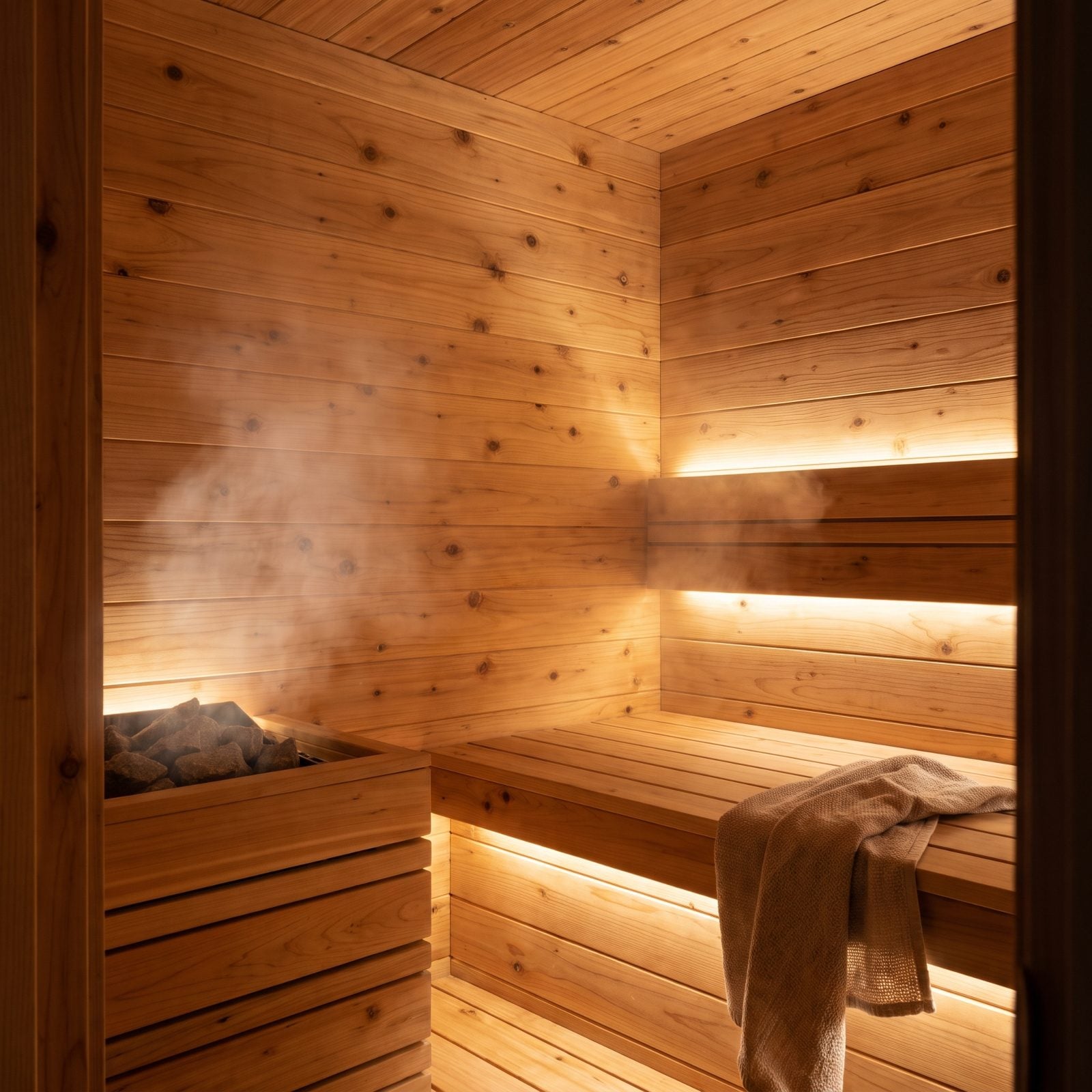
Cedar smells incredible. I’ll give it that.
But a custom indoor sauna is about as personal as an install gets, and personal is the enemy of resale. A $15,000 sauna speaks to a narrow slice of buyers, and everyone else just sees square footage that could’ve been a closet, an office, or anything they’d actually use.
32. A Luxury Steam Shower

A steam shower looks like a spa and costs like one — the generator, the sealed enclosure, the ceiling-height glass, the waterproofing behind all of it. Thousands before the first cloud of steam.
Appraisers tend to fold it into “nice bathroom” rather than crediting the full premium, because most buyers can’t tell a steam shower from a regular one until somebody points it out. And a feature nobody notices is a feature nobody pays extra for.
31. An Oversized Jetted Bathtub
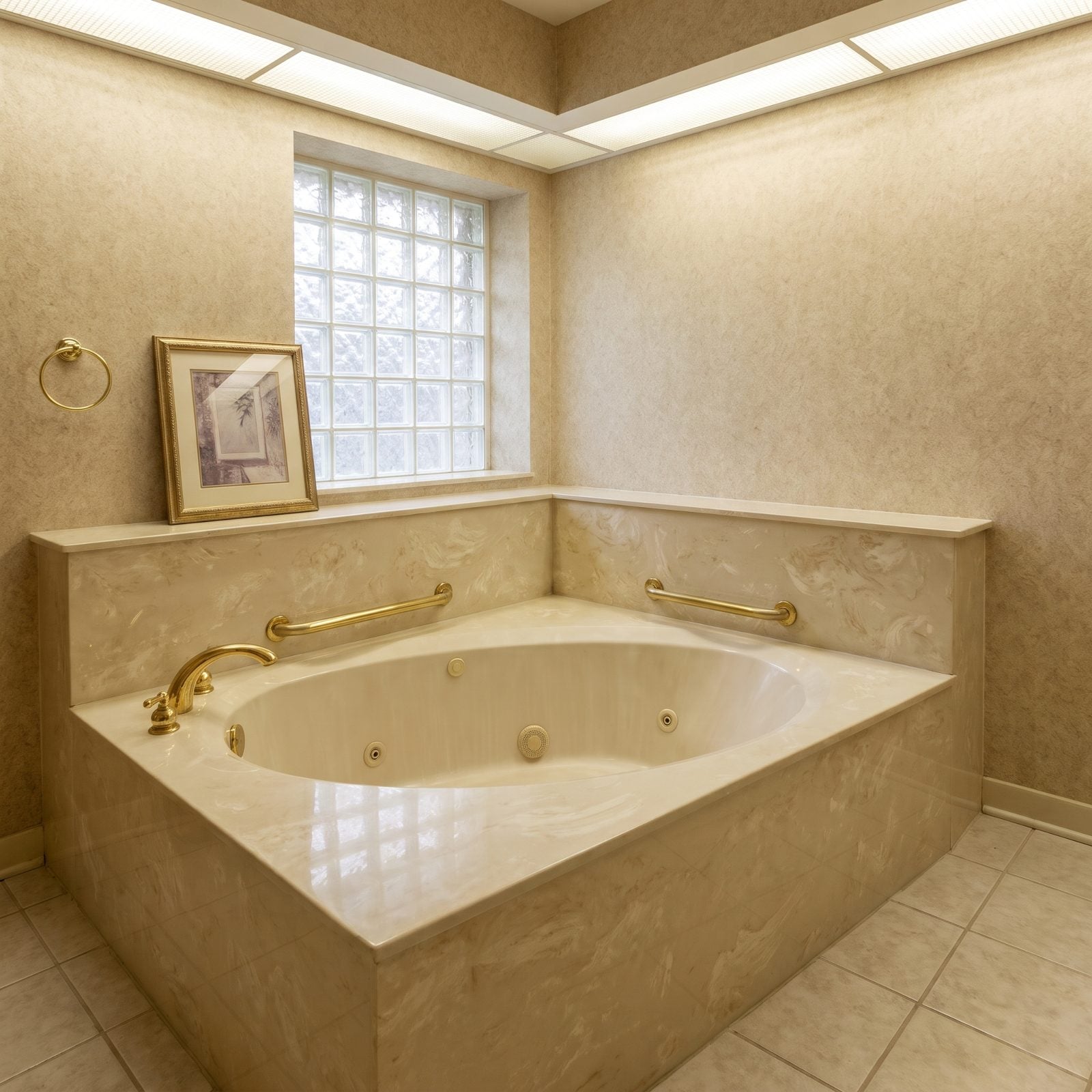
You’ve seen this tub. The giant beige corner whirlpool that came standard in every builder-grade primary bath from 1998 to 2008, now sitting cold because nobody has the patience to fill the thing.
Jetted tubs take forever to fill, the jets harbor grime, and buyers overwhelmingly want a big walk-in shower in that footprint instead. An oversized tub doesn’t add value so much as it occupies space that would be worth more without it.
30. A Fully Equipped Outdoor Kitchen
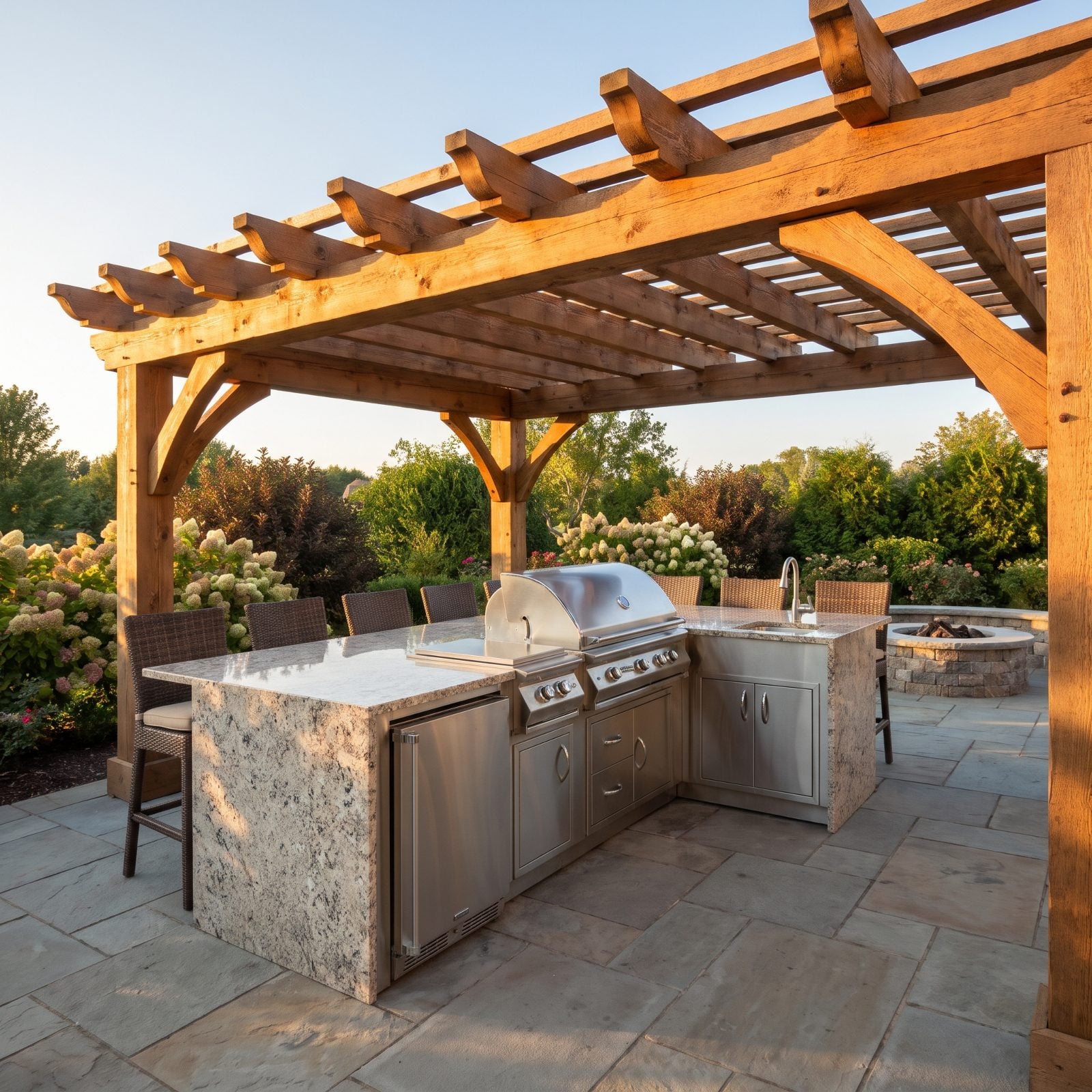
Stainless grill, refrigerator, dishwasher, granite island, the whole setup tucked under a pergola. It can run $20,000 easy, and in the right climate it’s a genuine selling point.
In the wrong climate, it’s expensive outdoor furniture with plumbing. Appraisers in regions with short outdoor seasons credit almost nothing, because the next owner uses it three months a year and frets about the stainless rusting the other nine. A built-in outdoor kitchen is only worth what the weather lets it be. For ideas on blending hardscape with planting, a smart tan backyard makeover leans on flexible zones rather than bolted-down appliances.
29. An Expansive Multilevel Deck
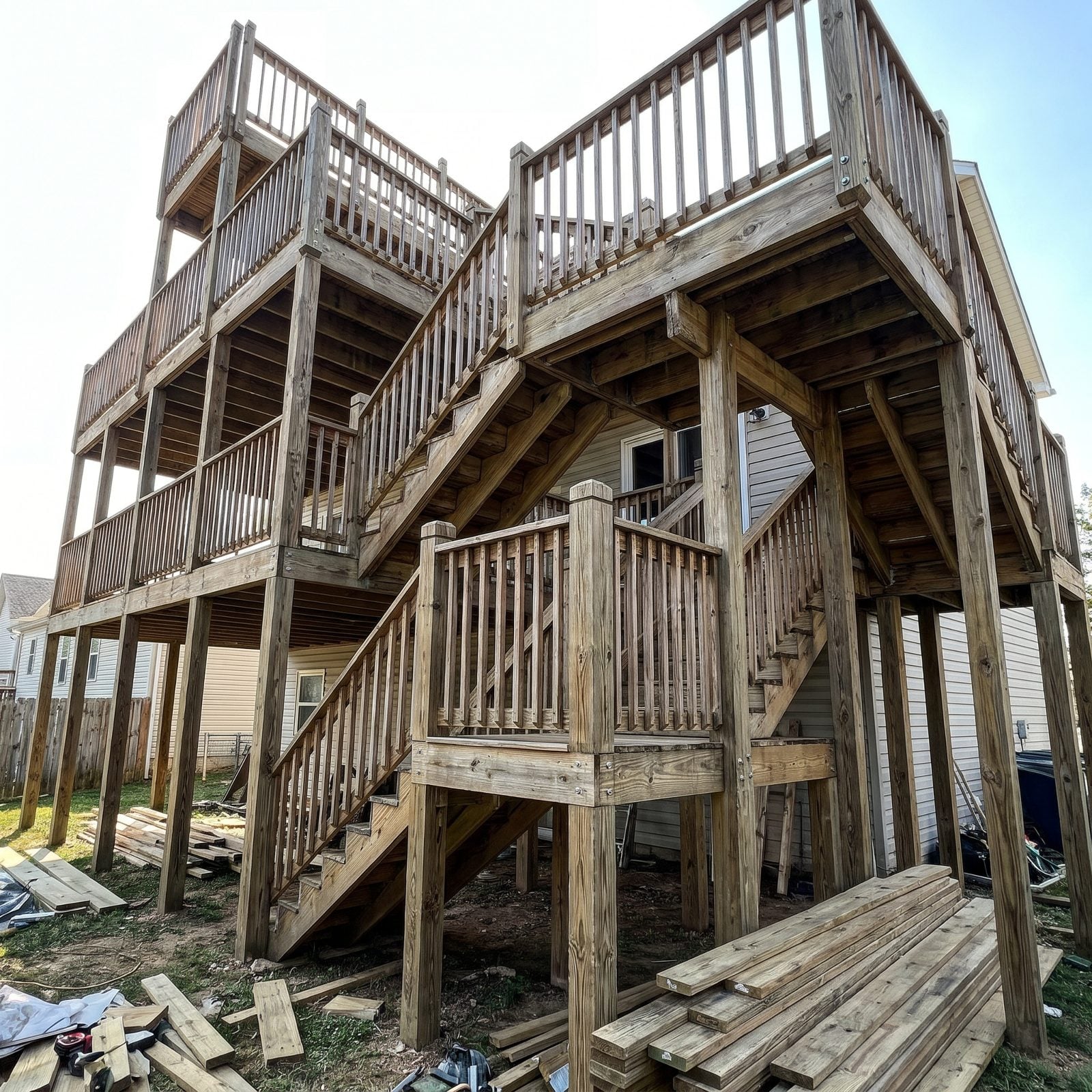
A deck returns decent value. An enormous three-level deck does not return triple the value of a normal one.
There’s a ceiling on what buyers will pay for outdoor floor space, and past a certain size the extra levels just read as more wood to stain, more railings to replace, more rot waiting to happen. You paid for grandeur. The appraiser sees a maintenance schedule.
28. A Four-Season Sunroom Addition
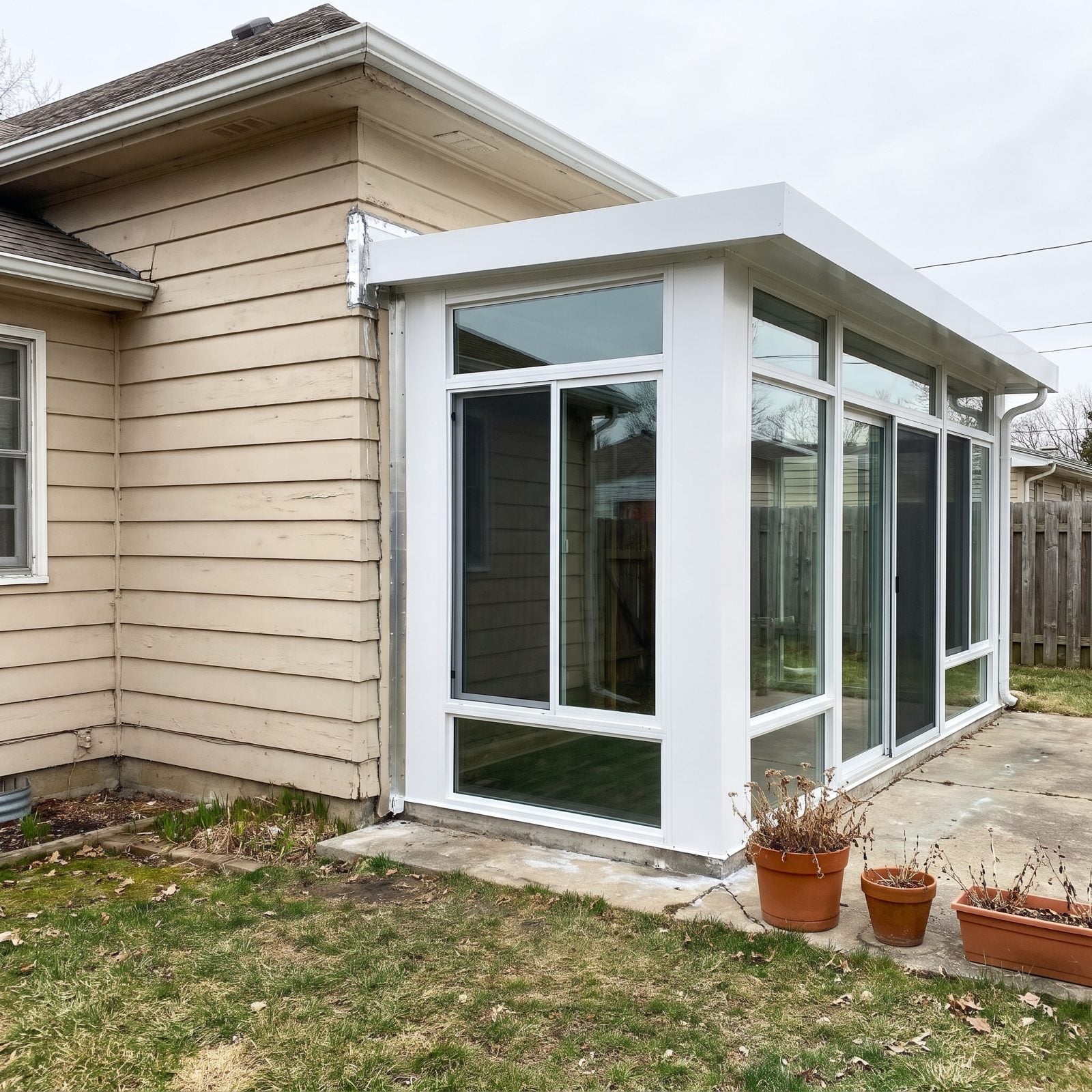
A sunroom done right is a lovely room. A sunroom done as a bolt-on addition often appraises below both its cost and its square footage, and here’s the wrinkle: plenty of sunrooms aren’t counted as true finished living area at all, because they’re not built to the same standard as the rest of the house.
So you get a room you can’t fully count, built at a price you can’t fully recover. The light is beautiful. The math is not.
27. A Rooftop Deck Requiring Specialized Upkeep
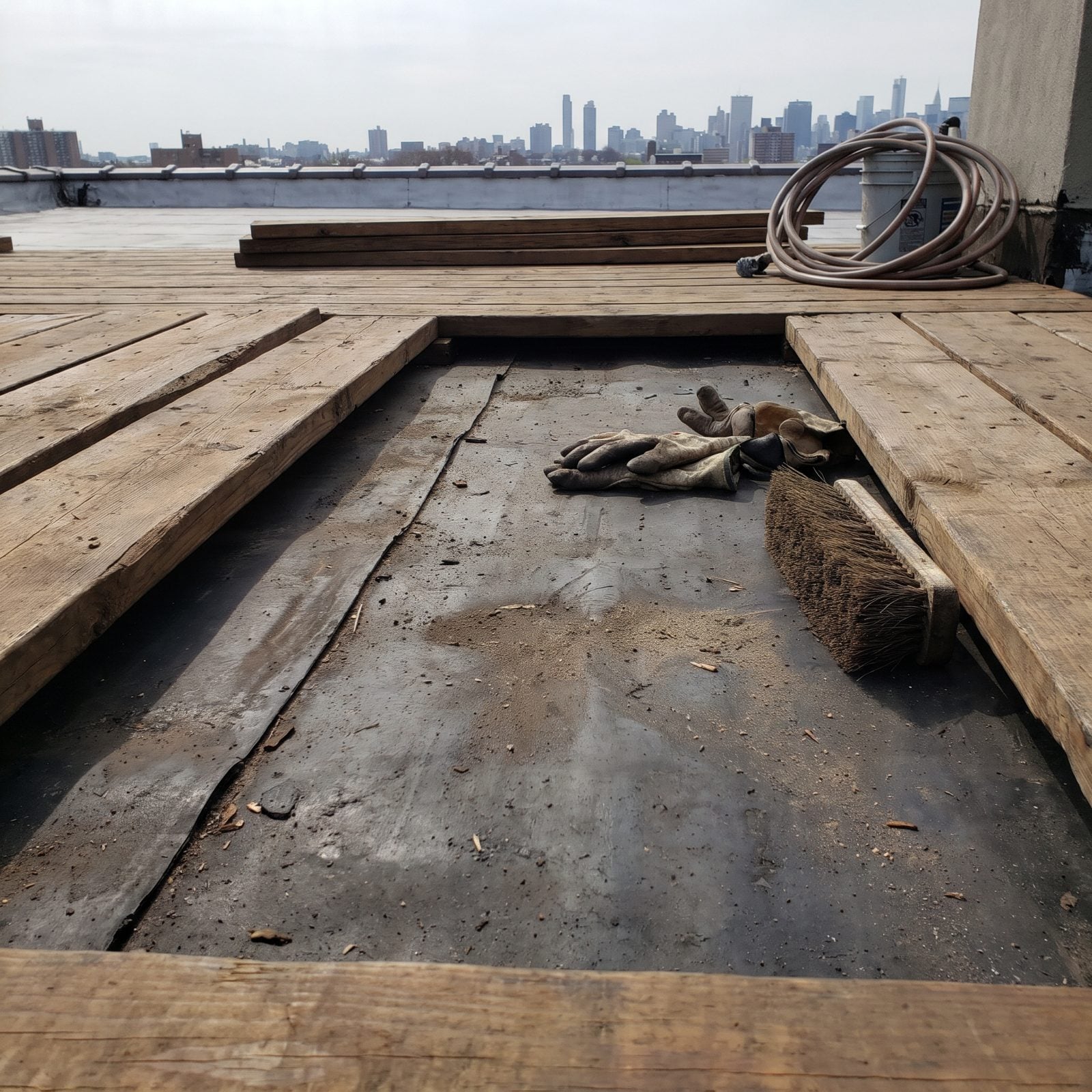
The view is the sell. The membrane underneath is the problem.
Rooftop decks sit on top of your actual roof, so every leak, every drainage issue, every waterproofing failure becomes a deck repair and a roof repair at the same time. Appraisers and inspectors treat them cautiously, and buyers who understand the upkeep discount accordingly. You’re paying a premium for the privilege of a more complicated roof.
26. A Standalone Pool House or Cabana
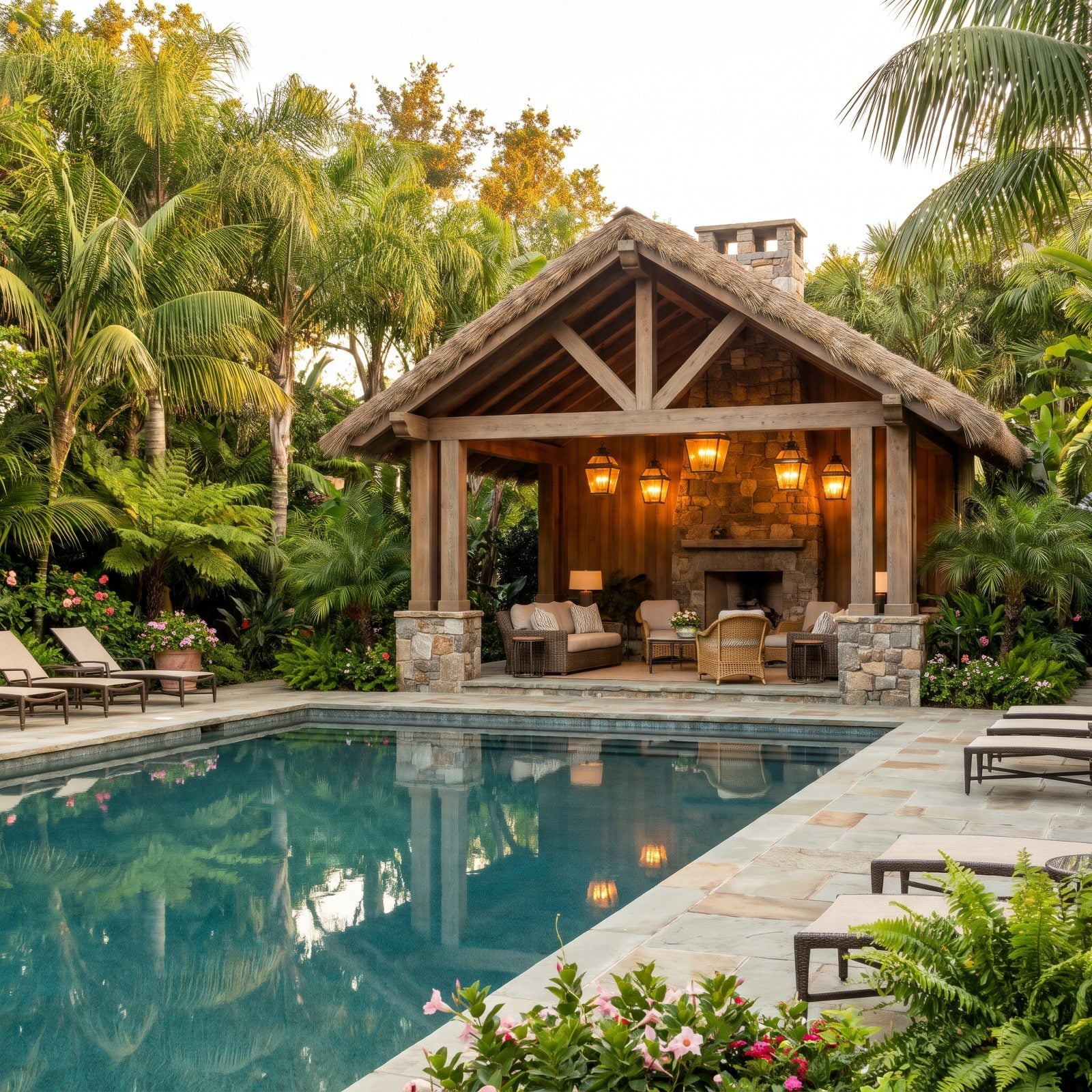
A detached pool house is the kind of flex that makes total sense right up until you try to get your money back out of it.
It’s a whole separate structure — foundation, roof, plumbing, sometimes HVAC. You pay like it’s an addition and appraise like it’s an accessory. Whatever value it does add is tied almost entirely to the pool it serves, so in any market where the pool itself is a soft asset, the cabana is softer still.
I love them. I’d just never expect one to pay for itself.
25. A Private Tennis or Pickleball Court
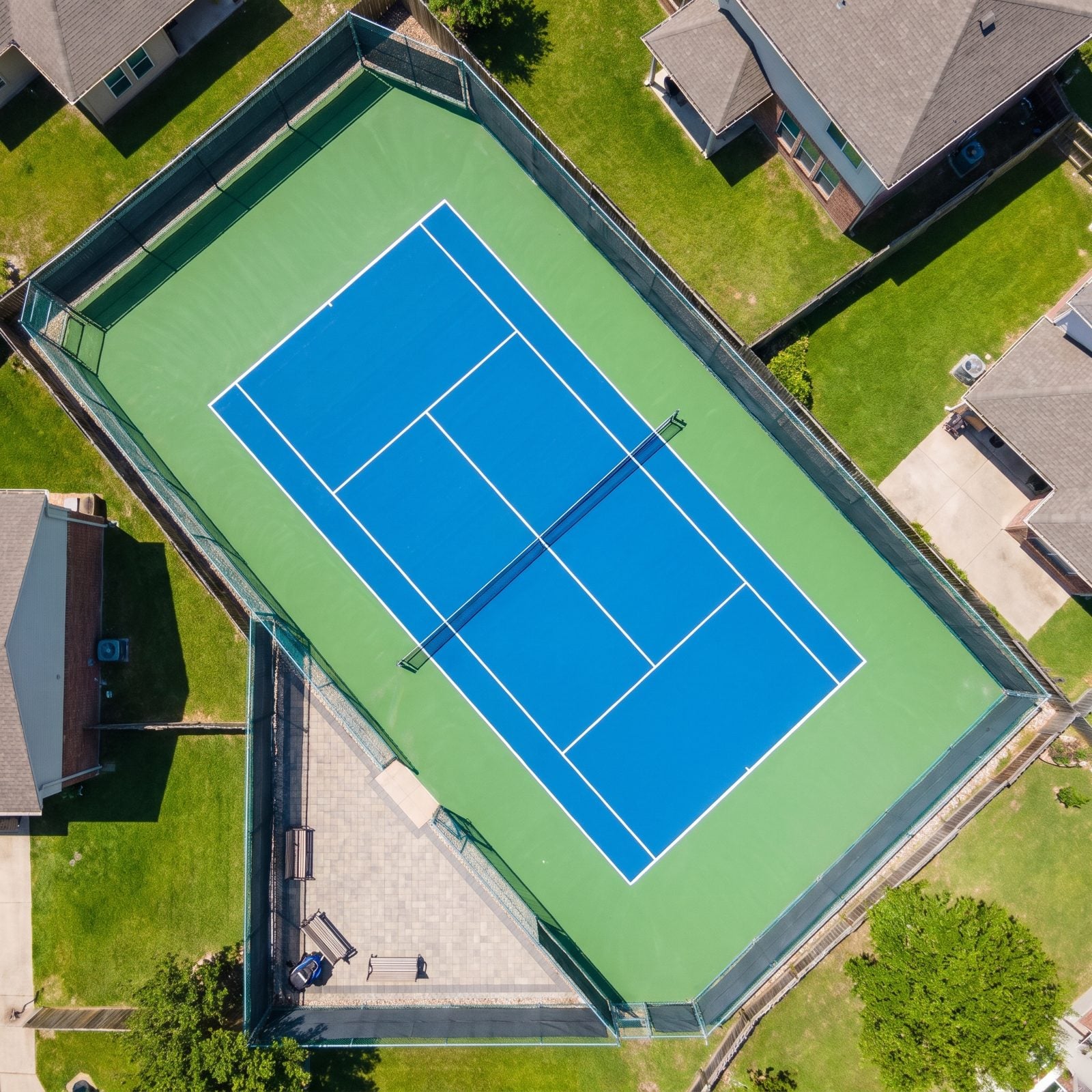
A full court eats the entire yard, and that’s the problem buyers see before they ever picture the sport. You pour tens of thousands into acrylic surfacing and fencing, then the appraiser credits a fraction of it, because the pool of buyers who want their own court is tiny.
Pickleball softened this. Smaller footprint, cheaper install, a crowd that actually plays. But the math still rarely lands in your favor at resale.
24. A Professionally Installed Backyard Putting Green
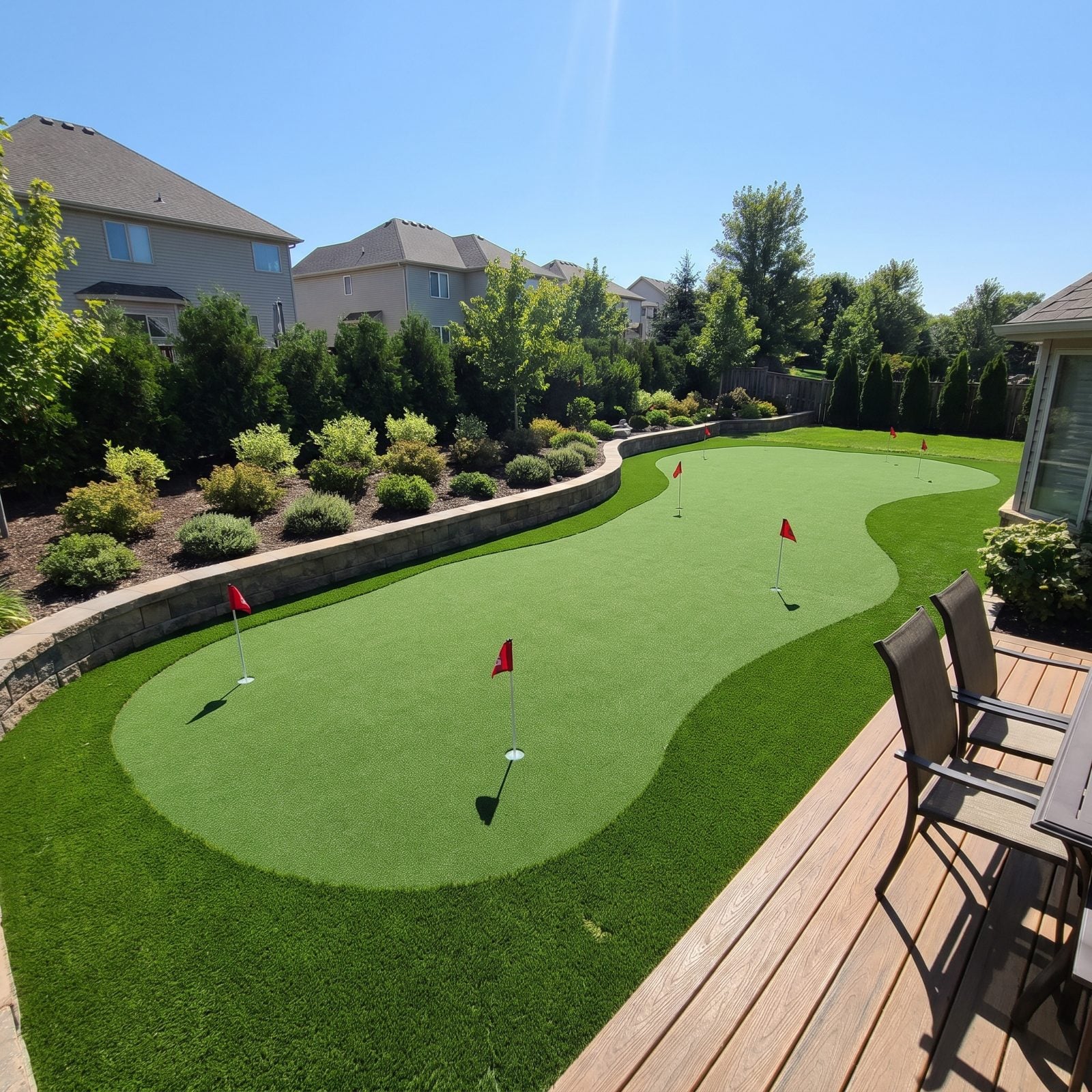
Here’s the uncomfortable part. The homeowner who commissioned a sculpted seven-cup green adores it, and almost nobody buying the house does. It’s a hobby built into the land.
Appraisers treat it like any other niche recreational feature — a little credit for the hardscape, not much for the specialty. You spent the money on the game you play, which is perfectly fine as long as you never expected it back.
23. An Elaborate Koi Pond or Waterfall

A koi pond is a pet, a pump, and a part-time job disguised as a water feature.
The install runs high and the upkeep never quits — filtration, electricity, winterizing, the endless war with algae. Plenty of buyers walk up to a pond and silently tally what it’ll cost to fill the thing in. That instinct lands in the appraisal as near-zero contributory value, sometimes a negative, because the next owner sees a liability where you saw a sanctuary.
Asked about water features and resale, a real estate team owner warns that “Koi ponds are not only expensive in terms of the initial setup cost, but the ongoing maintenance costs are also quite high too”
22. A Permanent Backyard Greenhouse
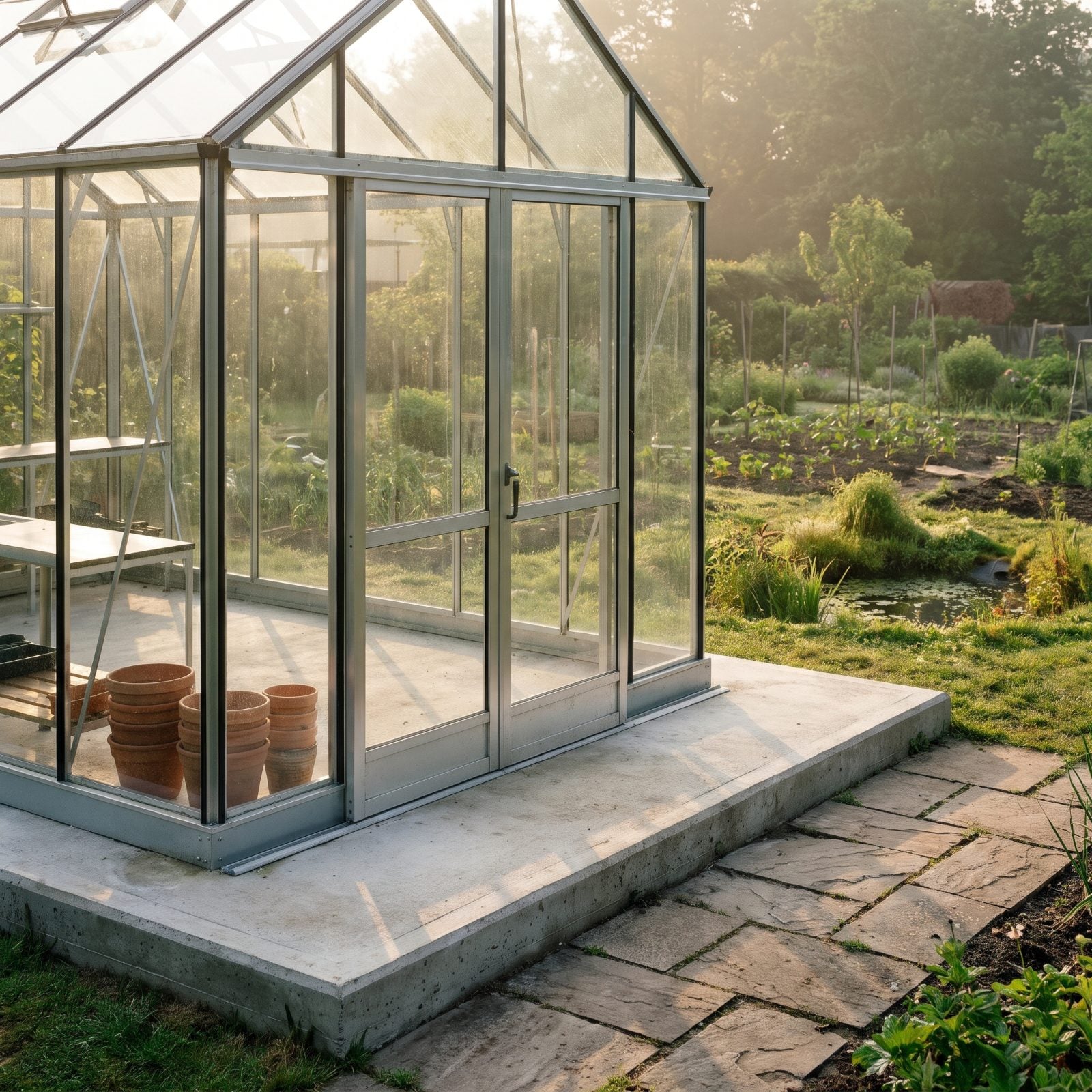
A permanent greenhouse on a slab is a beautiful thing to a gardener and a question mark to everyone else. Does it stay? Does it count as square footage? Who heats it?
Appraisers rarely assign a glass outbuilding much value unless the local market is full of serious growers. To most buyers it’s a structure they didn’t ask for and now have to maintain or tear out.
21. Wall-to-Wall Synthetic Backyard Turf
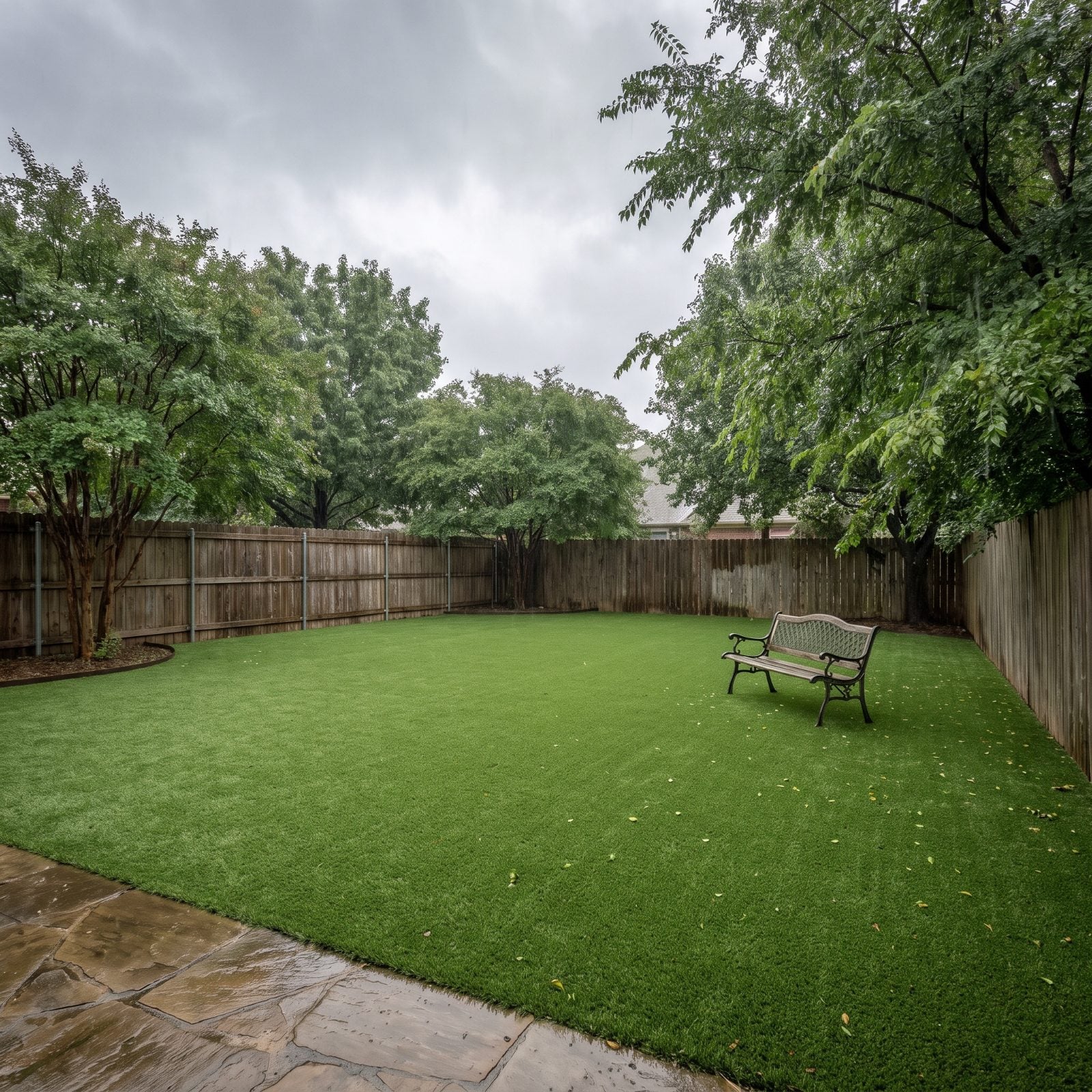
Covering the whole yard in turf makes sense in a desert. In a rainy green suburb, it reads as a choice buyers question.
You spend a lot per square foot for a surface that photographs flat and can’t be undone cheaply. If you’d rather work with a living yard, a tan backyard makeover tends to recover more at resale than acres of plastic grass.
20. High-Maintenance Specimen Landscaping

Topiary, grafted maples, parterres clipped to the millimeter. Striking in June. A standing invoice for the next owner.
Appraisers value mature landscaping, but they won’t credit the maintenance you’ve baked in. A buyer sees a yard that needs a monthly crew to keep looking the way it does in the listing photos, and that recurring cost quietly caps what the plantings add. The fancier the specimen, the smaller the payback.
19. A Masonry Perimeter Wall With Automated Gates
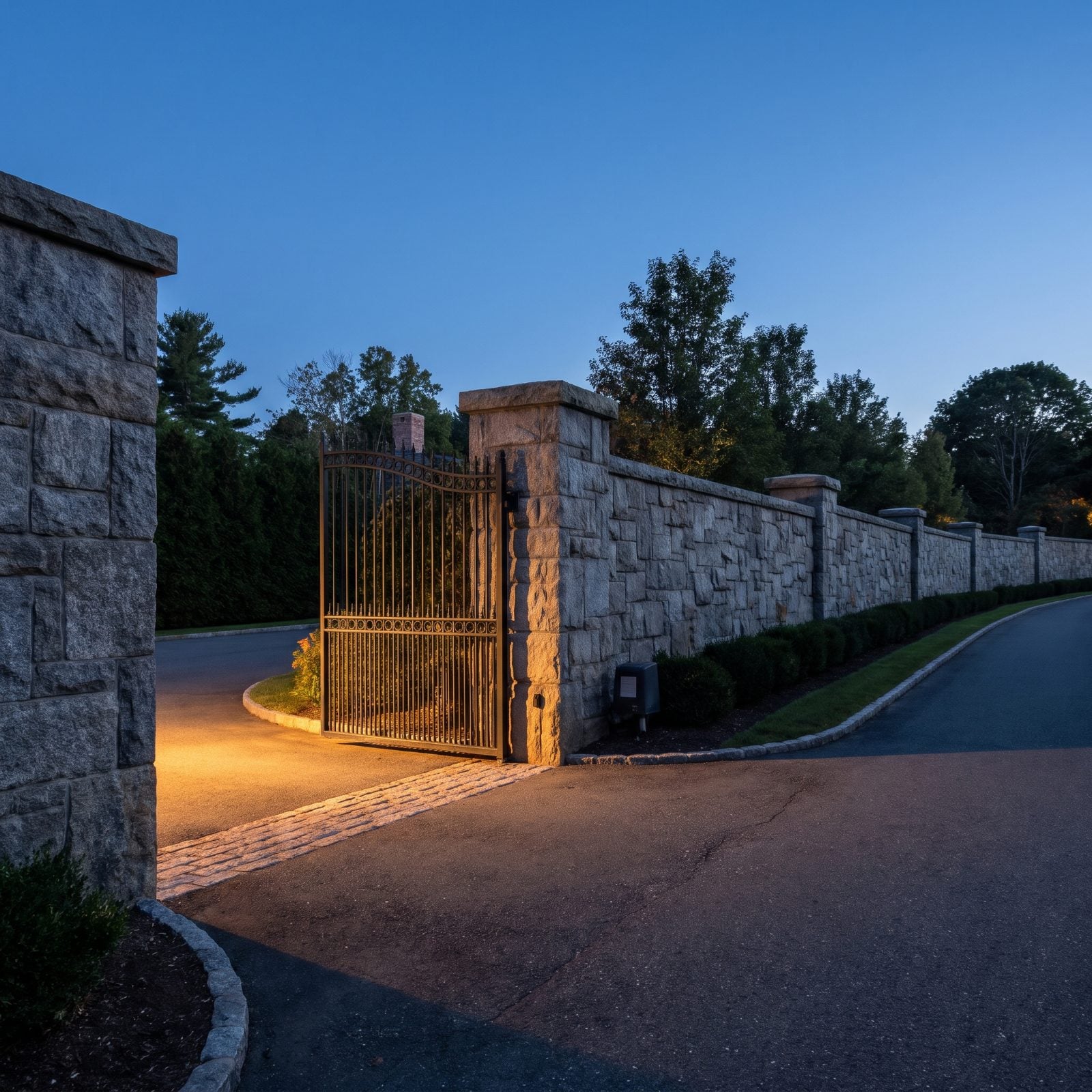
A proper masonry wall with motorized gates runs into real money — footings, block, finish, electrical, and gate operators that always seem to need servicing. It feels like value. It often appraises like decoration.
Unless the neighborhood expects enclosure, buyers may read it as fortress-like or out of character, and the appraiser matches a feature to the market. On a street of open front lawns, your wall is a personal preference with a big invoice attached.
18. An Intricate Paver Driveway

A patterned paver driveway costs several times what poured concrete does, and most of that premium is pattern. Buyers register “nice driveway” and keep walking.
The appraised bump over a functional driveway is modest, because a driveway’s job is to hold cars, and plain concrete does that too. You paid for the herringbone and the medallion. The appraisal pays for the parking.
17. Leased Solar Panels With a Transfer Contract
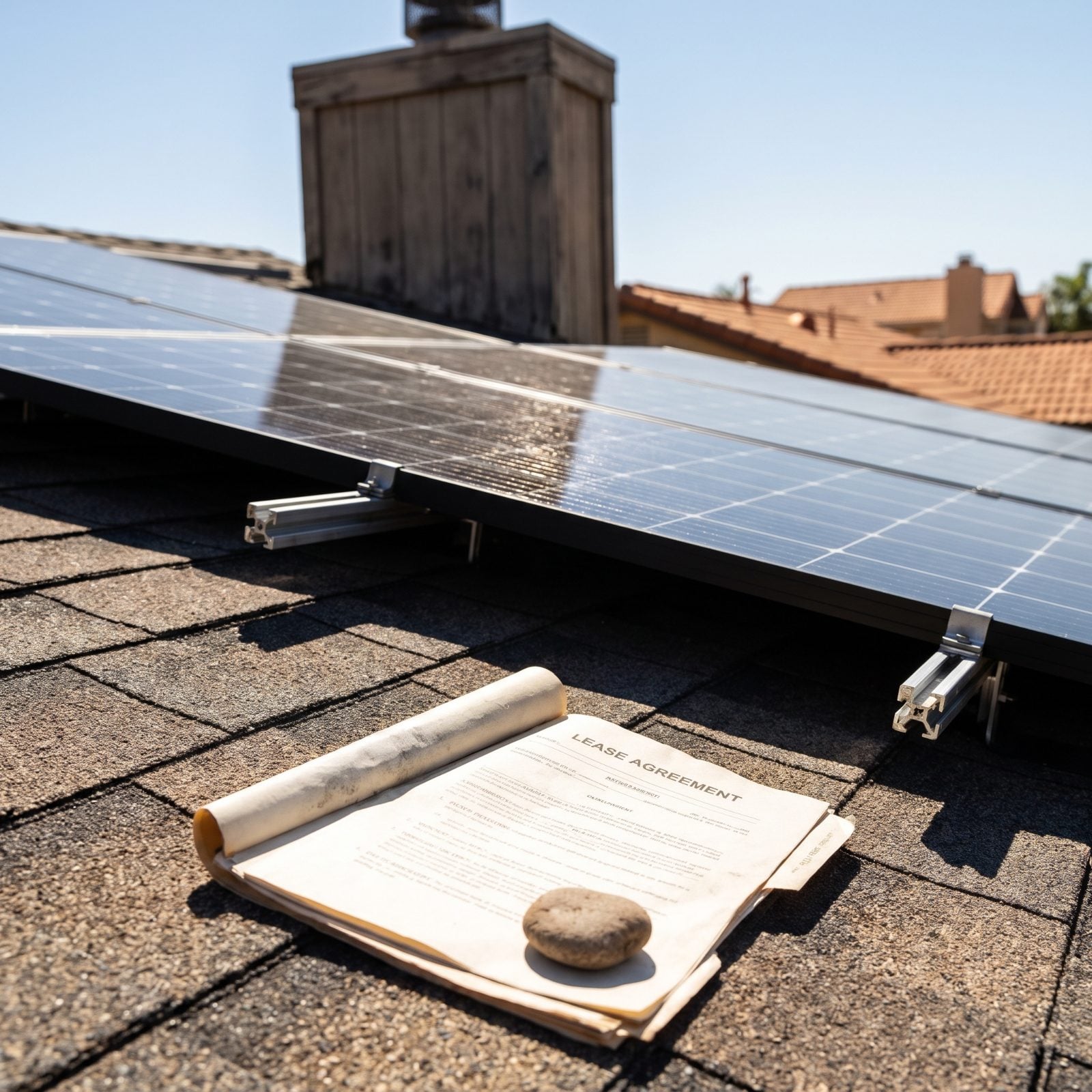
Owned solar can add value. Leased solar is a different animal entirely.
When the panels aren’t yours, the appraisal can’t credit them, because you’re renting an asset. The buyer has to qualify to assume your lease, and plenty of them don’t want a twenty-year obligation bolted to the house. What you saw as an upgrade becomes a line item in the negotiation — sometimes a sticking point that stalls the whole sale.
Walking sellers through lender rules on solar, a residential real estate agent explains: “In plain terms, an appraiser may be able to consider owned panels under the standard rules, and under the guide cannot count leased panels in the appraised value.”
16. A Whole-House Battery Storage System
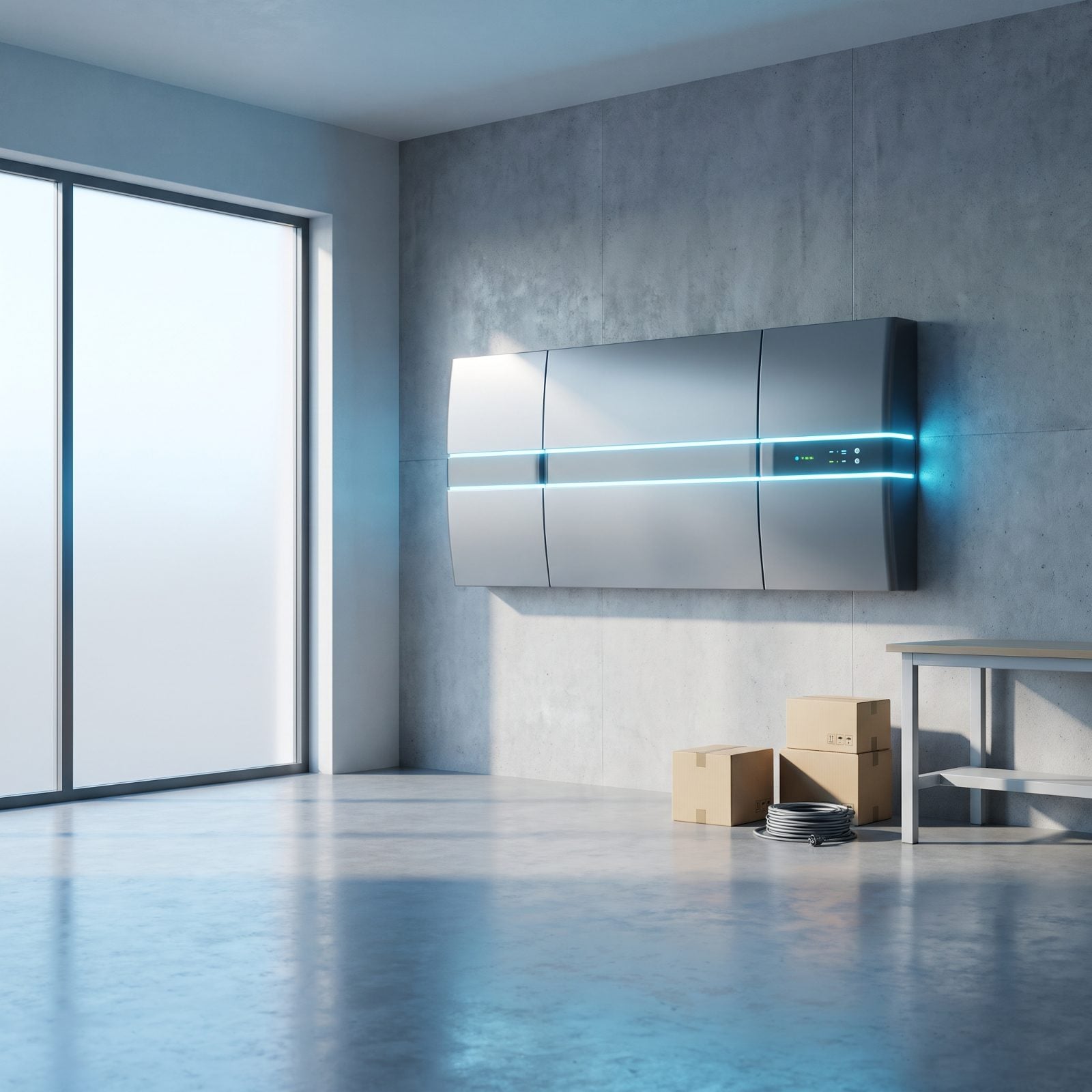
The battery wall costs a small fortune and dates fast. That’s the catch.
Home battery storage runs into five figures installed, and the tech moves quickly, so a system that was current the day you bought it reads as aging hardware a few years later. Appraisers struggle to pin solid value on equipment with a short shelf life and iffy warranty transfer. You bought resilience and lower bills, both real. Resale value just isn’t reliably one of them yet.
15. A High-Capacity Home EV Charging Station
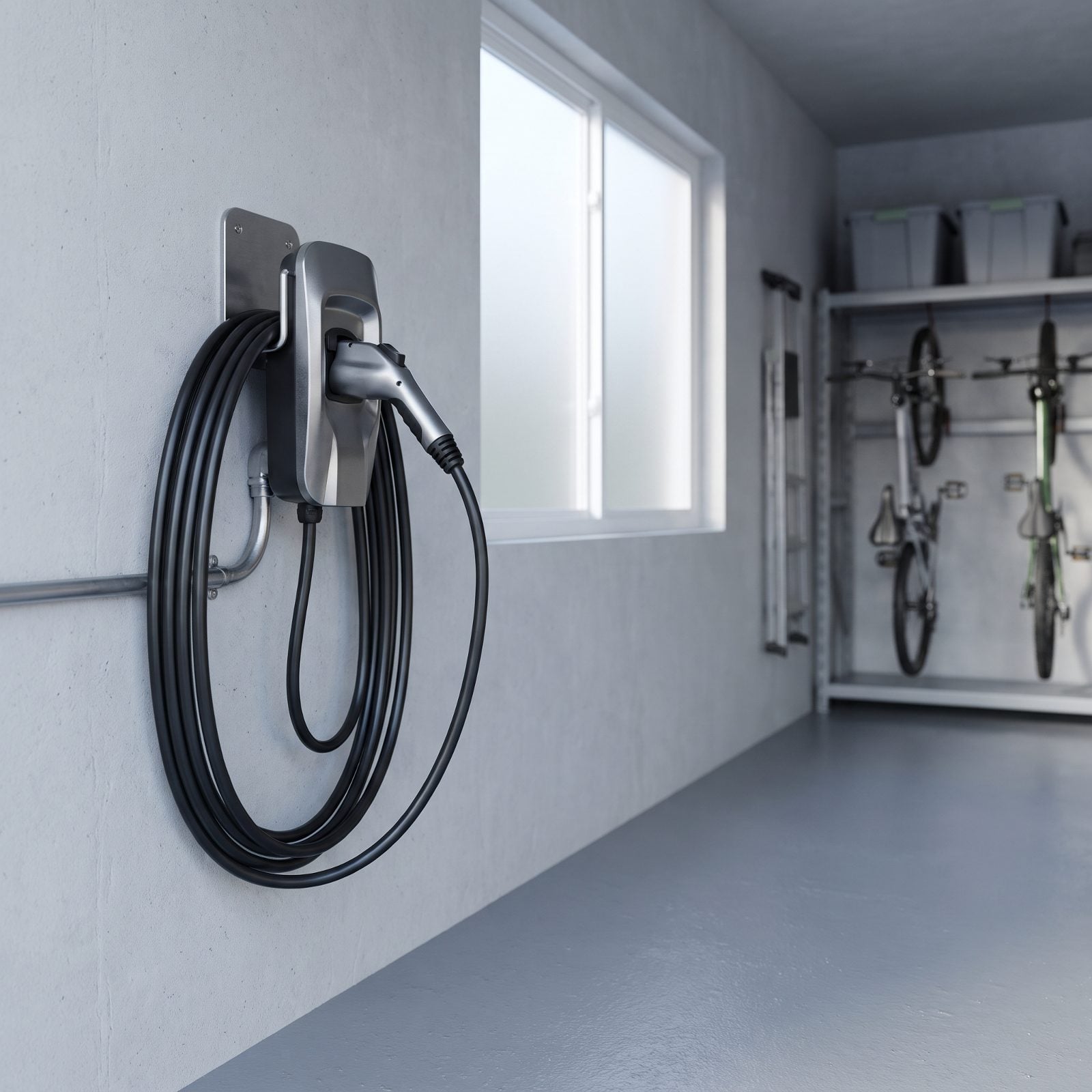
A proper Level 2 charger feels future-proof the day you install it. By 2027 that future is a crowded field.
The hardware ages fast, connector standards keep shifting, and plenty of buyers assume they’ll just pick their own unit anyway. What actually holds value is the circuit: the 240-volt line, the panel capacity, the dedicated run to the garage wall. That electrical work is expensive, invisible, and exactly the part an appraiser can defend. The charging head itself? A wall appliance. You paid a premium for it, and the market treats it like a toaster you happened to bolt down.
14. A Proprietary Whole-Home Automation System
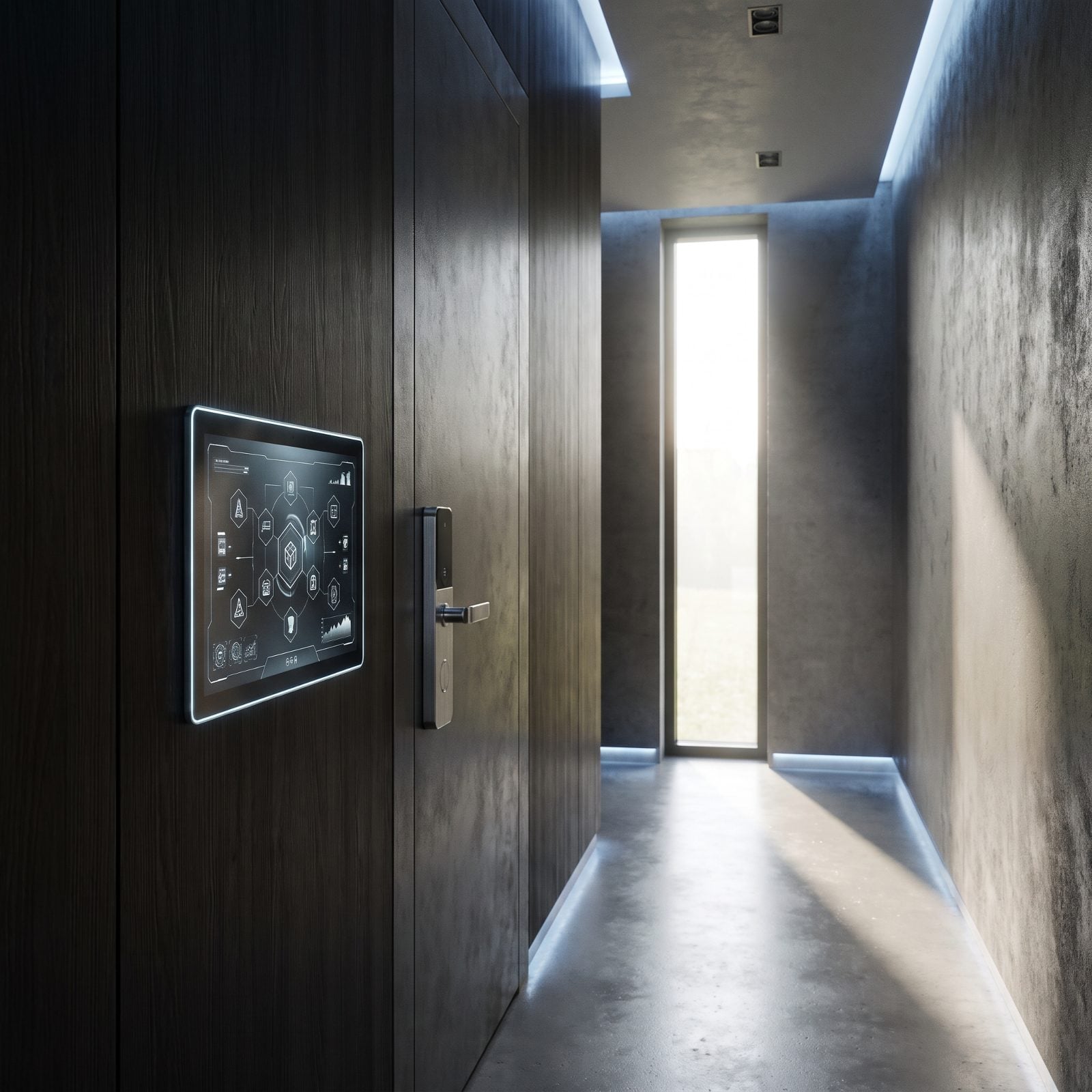
This is the one that stings most, because it costs the most.
Proprietary automation systems promise a home that runs itself. What they actually deliver, five or ten years on, is a locked ecosystem that needs a specific dealer to service, parts that get discontinued, and an app the manufacturer may have quietly stopped updating. Buyers see a wall of panels and think: what happens when this breaks, and who do I call? That hesitation is the opposite of value. Appraisers rarely credit custom automation at anything near install cost, and some buyers quietly bake in the cost of ripping it out.
The smartest home is the one that still works after the company that built it stops answering the phone.
13. A Dedicated Home Theater With Tiered Seating

A dedicated theater is the classic over-build. Tiered seating, acoustic panels, a projector, a single sash window framed by full-length drapes and exactly one job.
The spend is enormous and the audience is narrow. Plenty of buyers see a single-purpose room and immediately think, “that’s a bonus room or a bedroom I’m losing.” A flexible media space with a big TV bends with their life. A bolted-down theater with risers doesn’t. Appraisers tend to credit the square footage, not the fit-out, which means thousands in seating and panels can vanish on paper.
12. A Climate-Controlled Wine Cellar
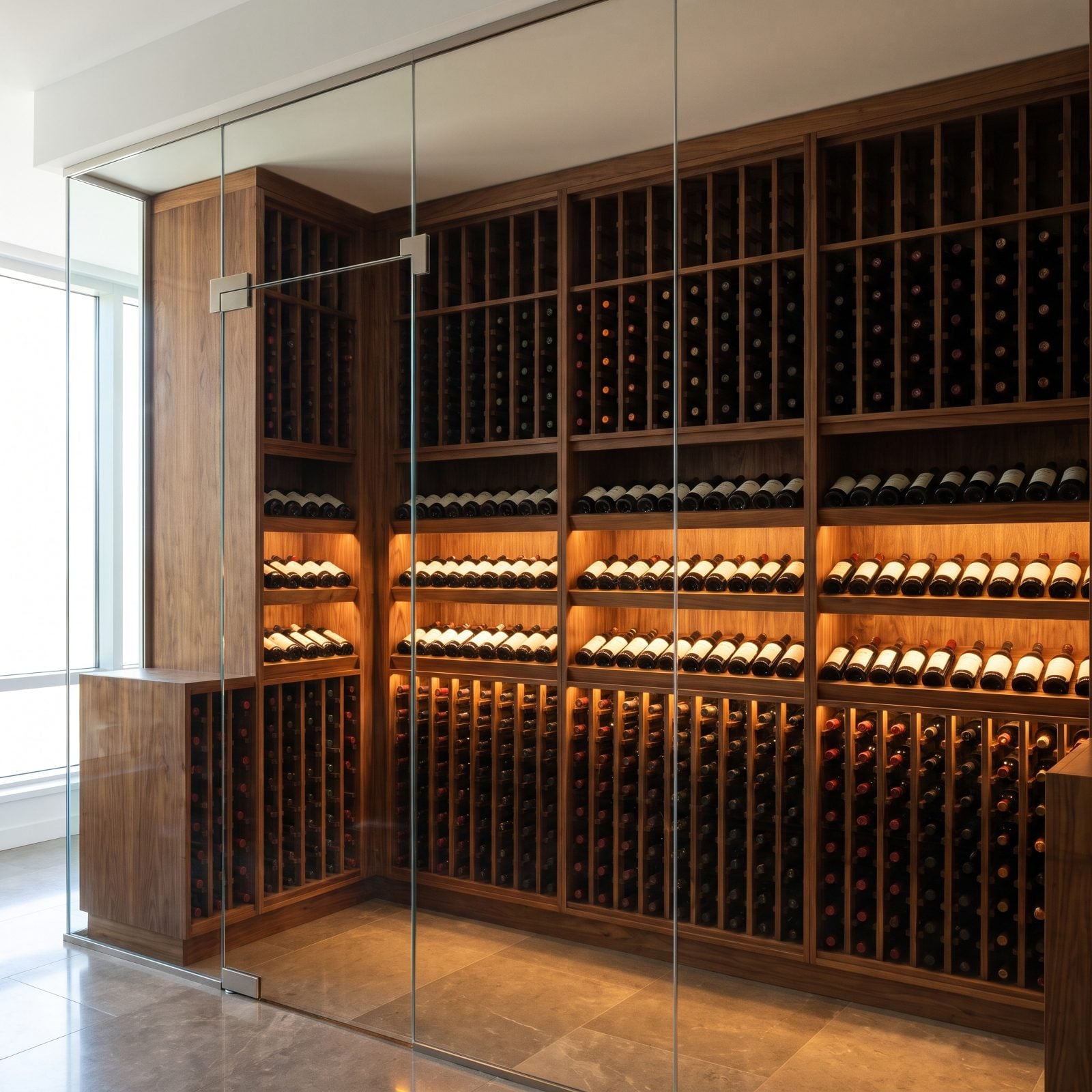
Few features look this impressive and recover this little.
A built-in cellar with walnut racking, a cooling unit, and a glass door can run deep into five figures. To a buyer who doesn’t collect wine, it’s a cold closet with a loud compressor and a utility bill attached. To one who does, it’s lovely — but they’re a thin slice of the market. The cooling equipment also dates and eventually fails, which an inspector will flag. You built a shrine. The appraiser logs a converted closet with HVAC.
11. A Custom Game Room With Permanent Fixtures
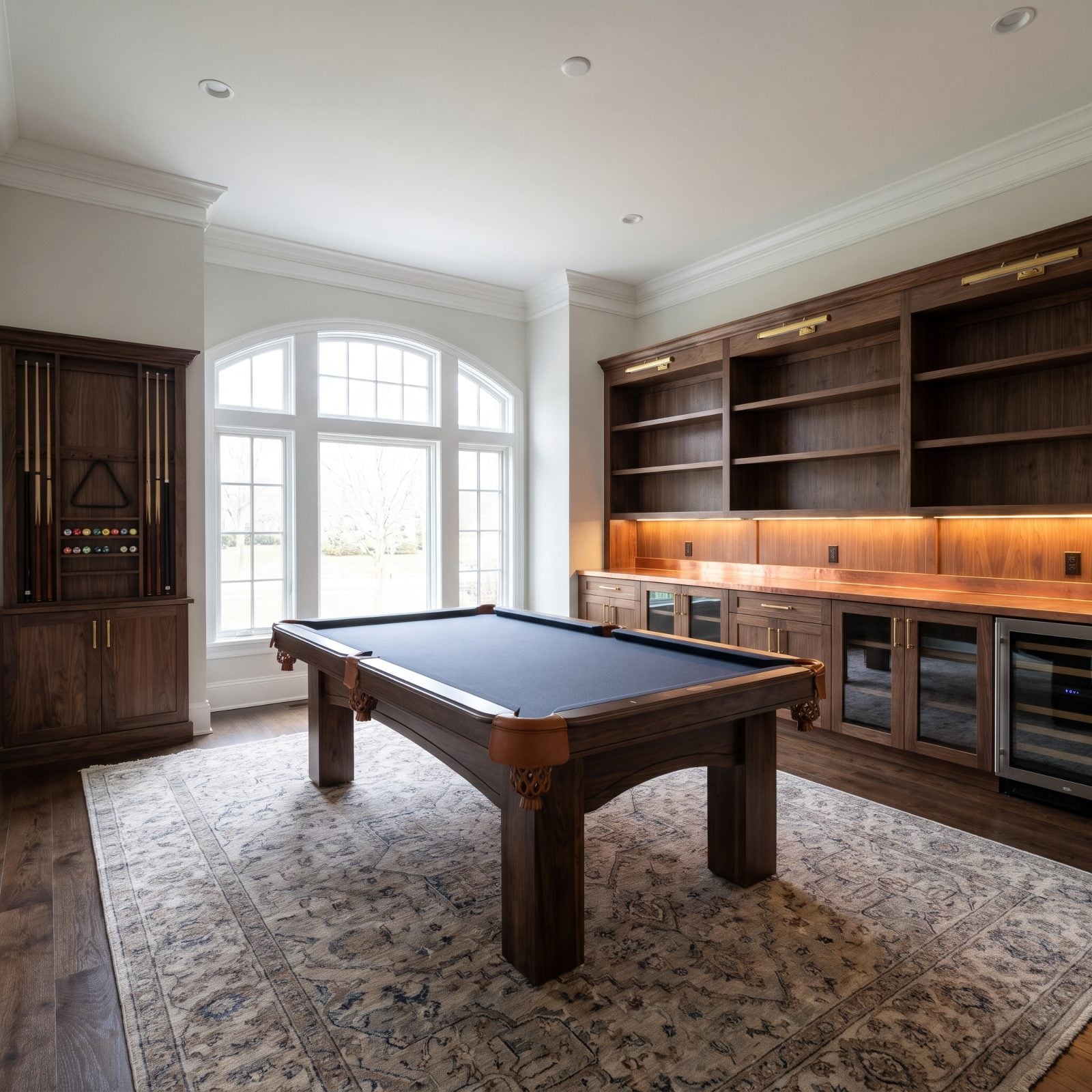
A built-in bar, a slate pool table, a wall of custom cabinetry for the games. Great room to throw a party in.
It’s also a hard room to sell. The next owner may not play pool, may hate your bar layout, may want a playroom for the kids or a second office. Permanent fixtures take that choice away from them. Movable fun travels; bolted-in fun becomes a renovation line item. Appraisers rarely see a custom game room and add a corresponding number, no matter what the millwork cost.
10. Floor-to-Ceiling Custom Library Shelving

Wall-to-wall built-in shelving is the quiet trap at the end of this list.
It’s genuinely gorgeous, and it costs a fortune in cabinetry and finish carpentry. But it’s built for your books and your taste, in your color. A buyer who doesn’t own hundreds of books sees square footage swallowed by shelves they’d have to demo. Painted custom millwork in a bold color can actively shrink your buyer pool. Shelving like this is personality on display, and personality is the thing appraisals are structurally bad at paying for.
9. A Large Built-In Saltwater Aquarium
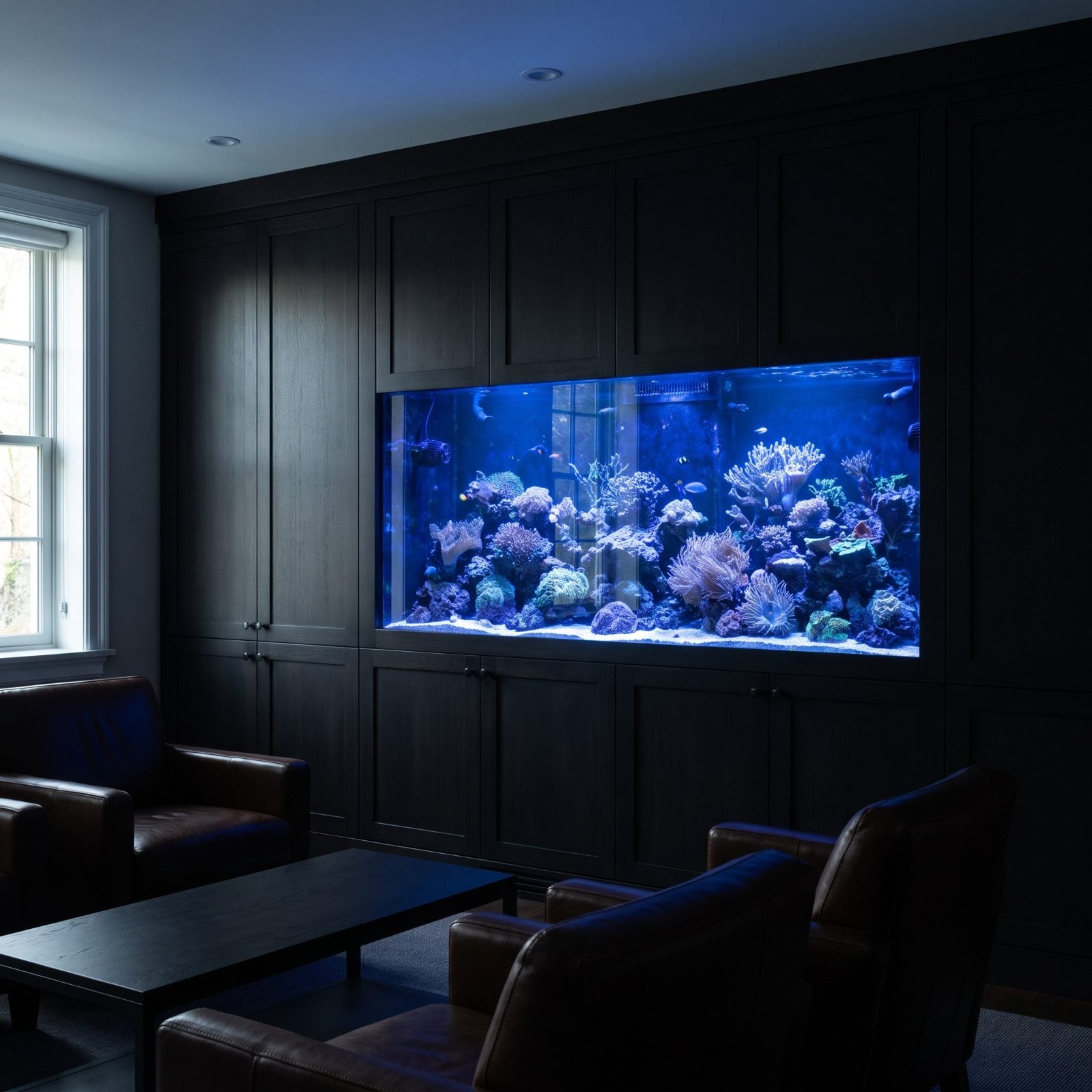
Beautiful to watch. Brutal to appraise. A built-in reef tank can run well into five figures once you add the custom cabinetry, the sump, the chiller, and the wall reinforcement needed to hold several hundred pounds of water.
The appraiser sees something else entirely: a specialized feature that most buyers read as a recurring maintenance bill, and the tank itself contributes almost nothing on paper. Some buyers quietly plan to rip it out. The walnut millwork around it might recover a little value as cabinetry, but the water and the coral recover none.
8. A Residential Elevator
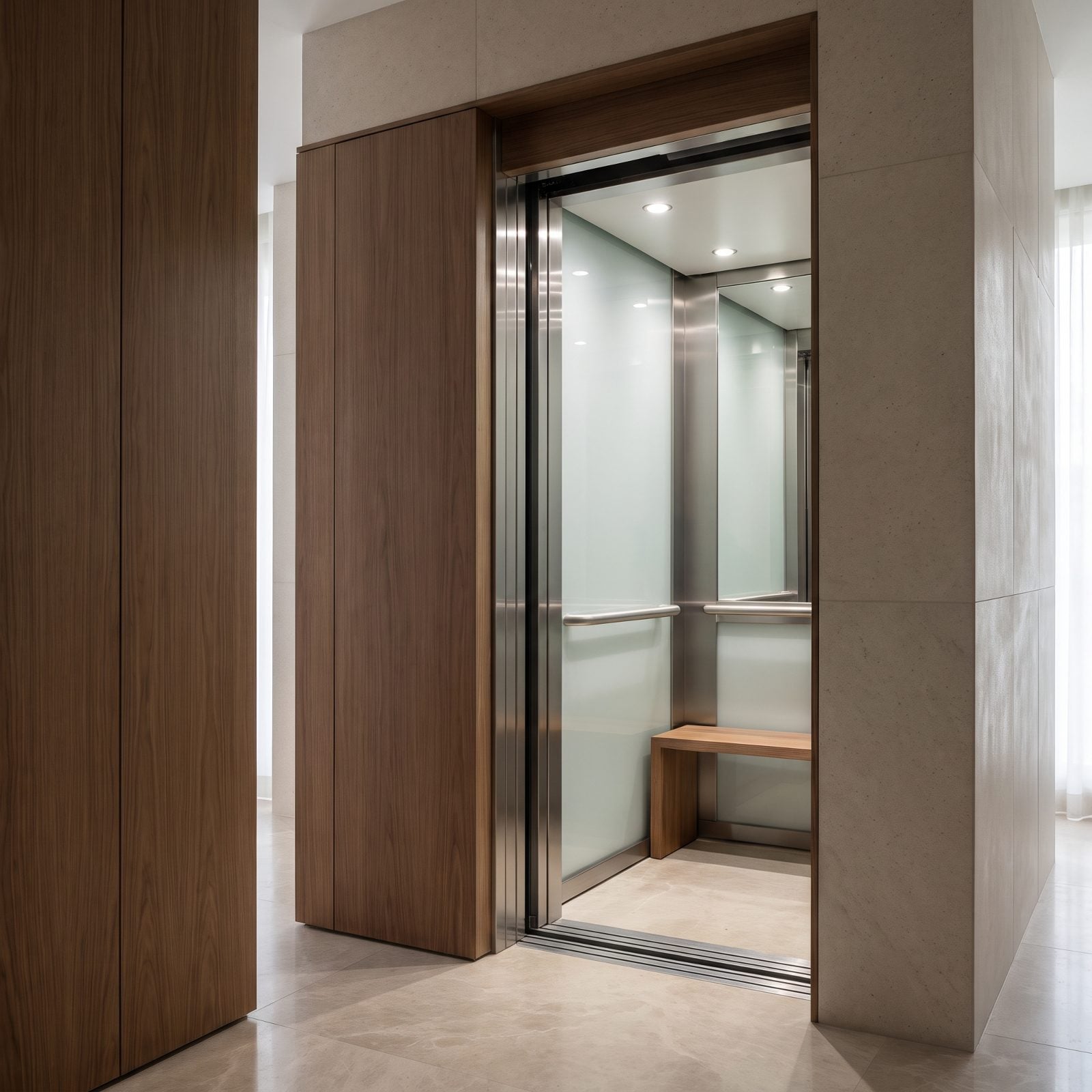
You install an elevator for one of two reasons. You want to age in your house, or someone already can’t do the stairs. Honest reasons, both.
The appraisal rarely agrees with the invoice. A residential elevator costs a great deal to install and maintain, and only a narrow slice of buyers values it — for everyone else it’s a shaft that ate a closet on every floor. In a market full of young families, it can even read as a negative. Strange outcome for something that cost as much as a new kitchen.
Asked whether a home elevator adds value, a certified residential appraiser who studied local sales answers: “Far less than it appears, and possibly nothing. The raw premium across all sales is 35.1%. Compared against neighbouring houses in the same subdivision it falls to 4.5%”
Stairs are a real factor for buyers, too: when we asked Home Stratosphere readers about storeys, 59% picked a single-storey home over a two-storey one.
7. A Reinforced Safe Room or Panic Room

A hardened room with its own ventilation, a steel-core door, and a monitor wall feels like peace of mind. On a spec sheet it feels like a windowless box that used to be useful square footage.
Most buyers don’t share the fear that built it. They see a room they can’t put a bed in, a window in, or a desk in. The reinforcement cost real money, but the appraiser counts the floor area, shrugs at the steel, and moves on.
6. Rare or Exotic Natural-Stone Countertops
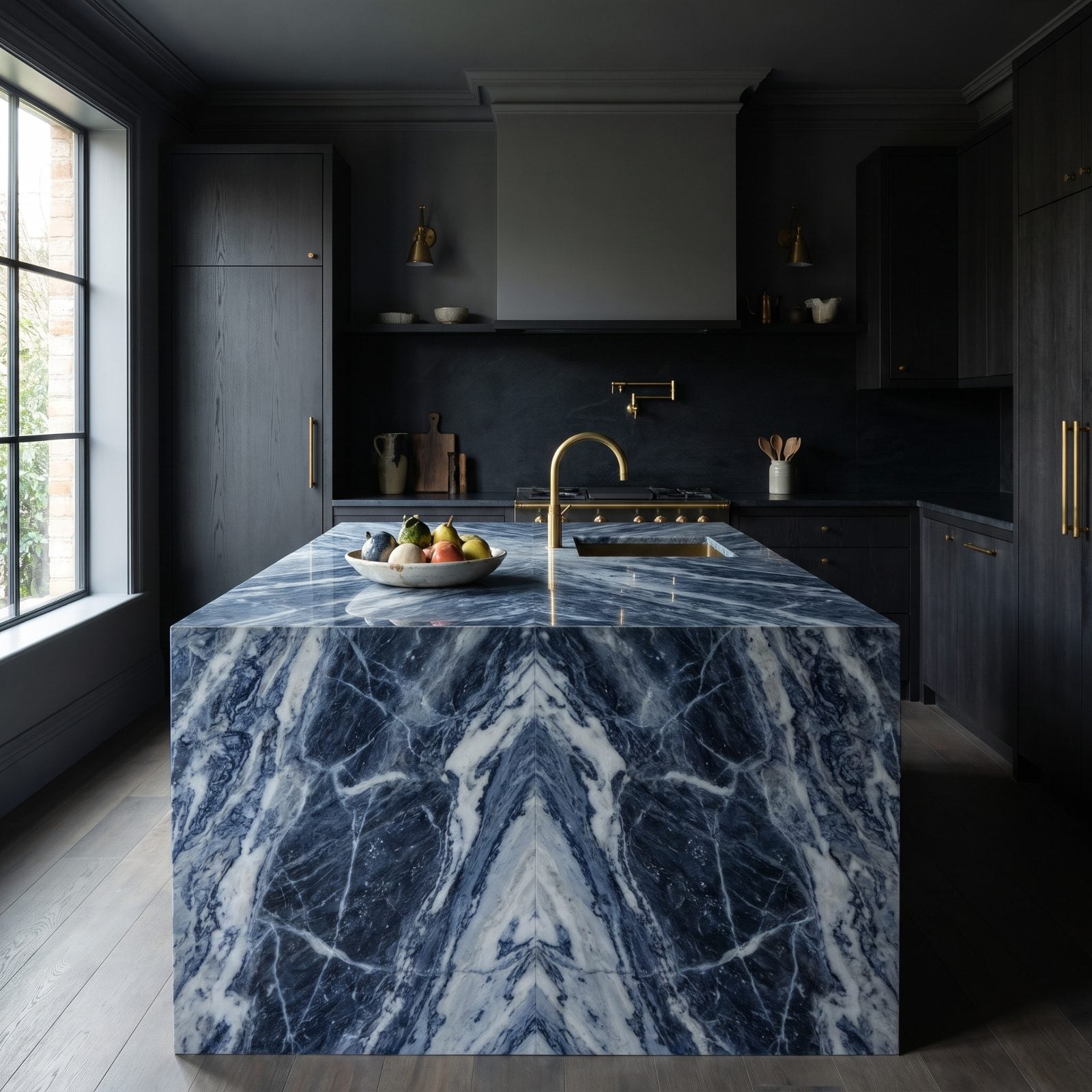
Book-matched exotic marble stops people in their tracks. That blue lightning vein across the island is unforgettable. Which is exactly the problem.
Taste is personal, and the bolder the stone, the fewer buyers it fits. A rare slab can run several times the price of granite or quartz, but the appraiser isn’t pricing the slab — they’re pricing “nice countertops.” Plenty of buyers see a feature they’d eventually want to replace, and a dramatic surface they didn’t choose rarely earns back what it cost.
5. A Separate Scullery or Back Kitchen
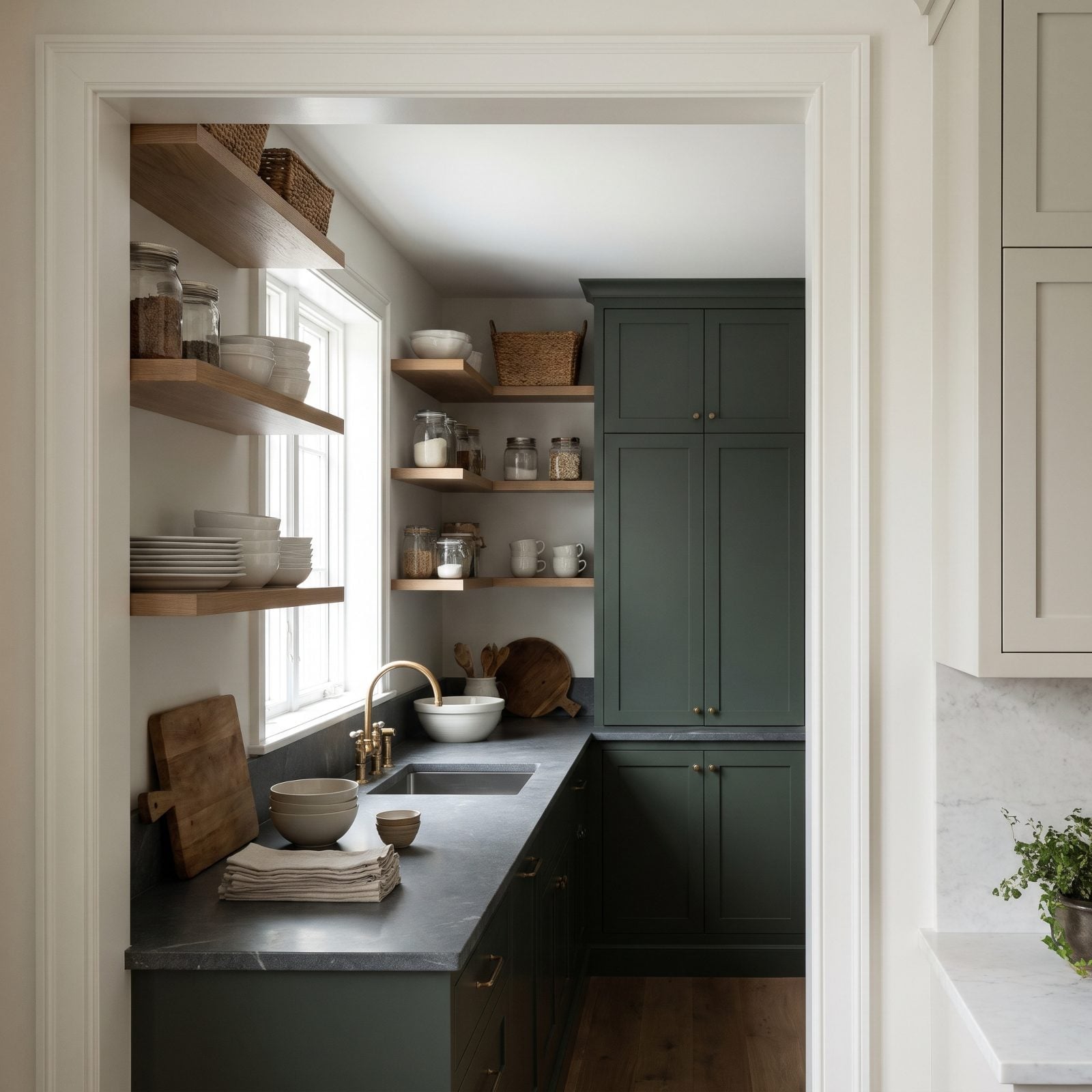
A scullery keeps the mess out of sight and the main kitchen pristine. For people who entertain often, it’s genuinely useful.
For the appraiser, it’s a second kitchen’s worth of plumbing, cabinetry, and appliances packed into square footage that could have been something more universally wanted. In most markets, buyers don’t price in a prep kitchen the way owners hope. It’s a feature a fraction of the market understands and an even smaller fraction will pay for, so the install cost and the contributory value drift far apart.
4. A New Roof Installed Before It Was Actually Needed
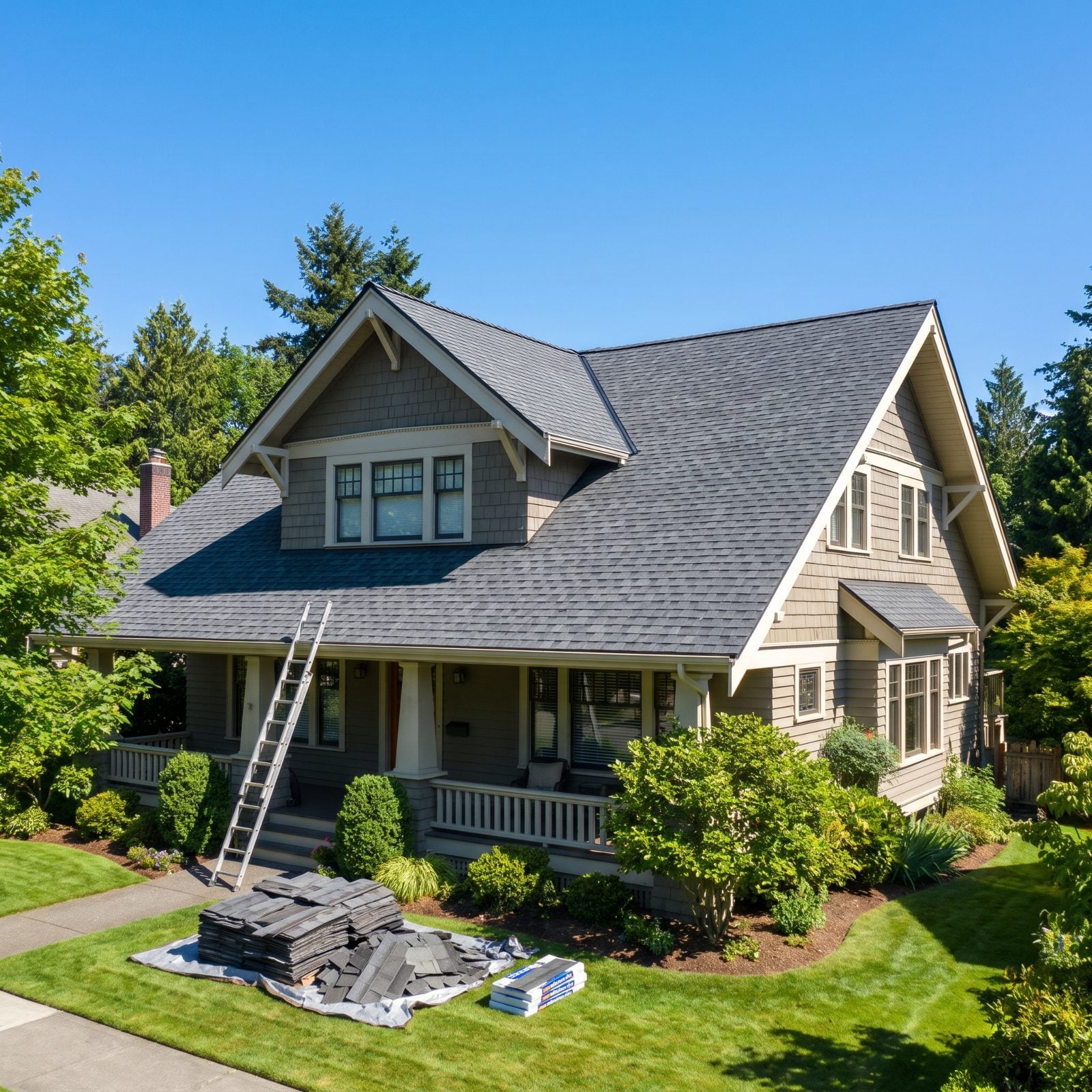
This one stings because it feels so responsible. You replaced the roof early — it looked fine, but you wanted to be ahead of a problem rather than behind one.
A roof is what appraisers call a maintenance item. A buyer expects a sound roof as a baseline condition, not a bonus, so replacing one with ten years of life left doesn’t add value. It just resets a clock that wasn’t done running. You bought peace of mind and a cleaner inspection report. What you did not buy was a line item that comes back at sale.
Explaining how appraisers treat roof replacements, a local real estate agent writes that “However, if the existing roof was already in good condition, the replacement may have little effect on the final appraised value.”
3. A Highly Customized Below-Grade Finished Basement

Below-grade space is the appraisal world’s quiet heartbreak. Finished square footage underground almost never counts the same as the floors above it, no matter how good it looks.
Pile a theater, a wet bar, and a golf simulator on top of that and the gap only widens. Hyper-specific build-outs appeal to a sliver of buyers, and the appraiser already values a finished basement at a discount to the main living area. The custom theater layered on top? That’s the owner’s dollars evaporating into carpet and acoustic foam. Want a rec room that actually holds its value? You’re better off with a flexible cream home gym or a neutral multi-use space than a single-purpose shrine.
2. A Garage Converted Into Living Space
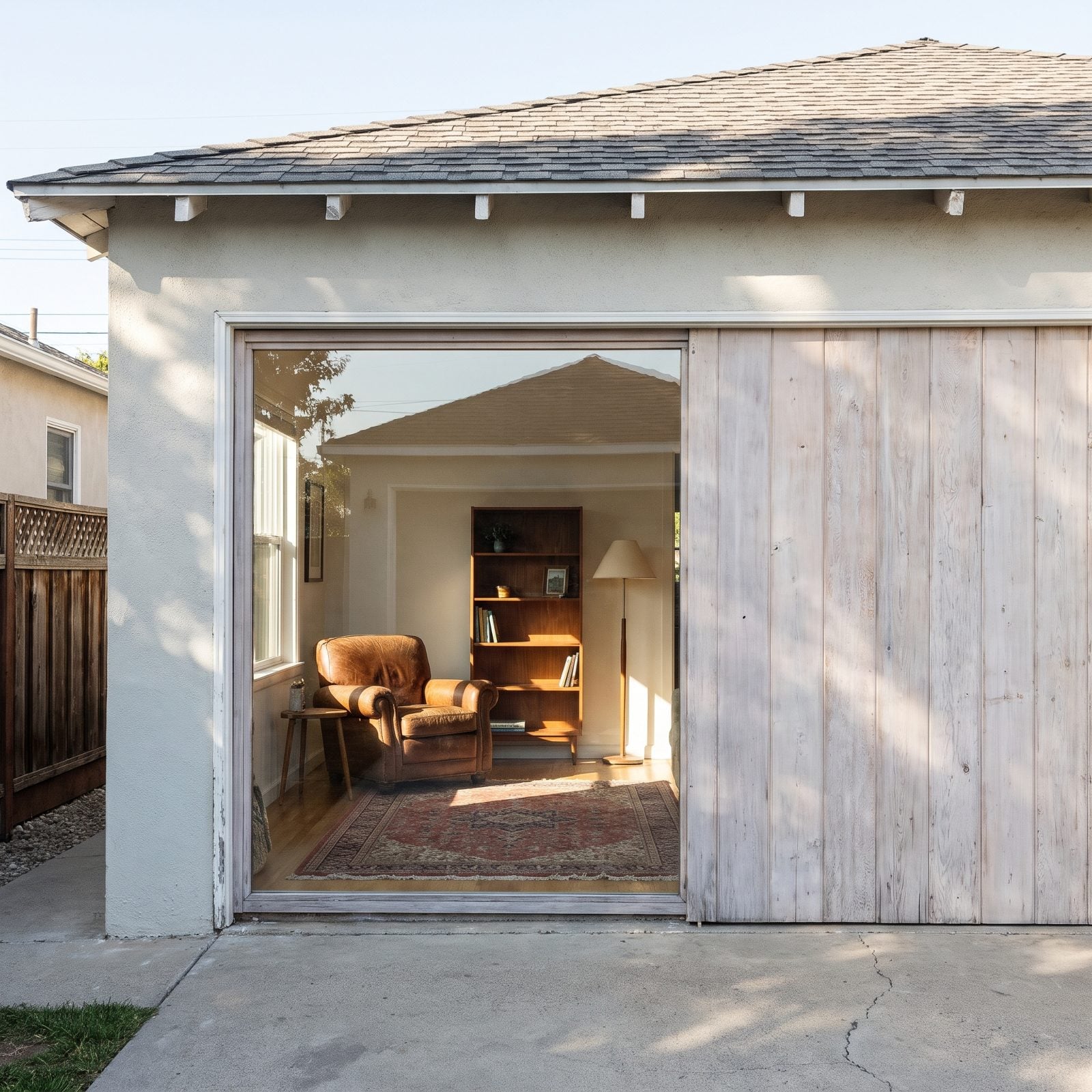
More living space, right? Sometimes. Just not always on the appraisal.
When the conversion erases covered parking in a market where buyers expect a garage, the math can tip negative — you added heated square footage but subtracted a feature a lot of people won’t live without. If the work is amateur, with a sloped floor and a thermal envelope that was never meant for year-round comfort, it reads as added living area of questionable quality. In suburbs where everyone parks indoors, losing the garage costs more than the finished room ever returns.
Describing what losing garage parking does to value, a home appraiser points out that “Some buyers will love the extra space, but many want a garage, and a home without one has fewer buyers to sell to.”
Our readers do like a well-organized garage: garage photos with built-ins got more hearts than the other images in the same articles, 76% versus 72%.
1. A Larger Primary Suite Created by Removing a Bedroom

A grand primary suite with a sitting area and a closet the size of a nursery feels like a luxury. It often is — right up until the appraisal.
Bedroom count drives value more than almost any single interior feature. Drop from four bedrooms to three to build your suite and you may slide into a lower bracket of comparable homes, where all that generous square footage can’t fully make up the loss. The owner sees a retreat. The grid sees one fewer bedroom, and that’s a number buyers and appraisers both read instantly.
You can always shrink a suite back into a bedroom. The trouble is, almost nobody wants to.
Warning against giving up a bedroom for a bigger suite, a real estate broker says “But if you turn a 4-bedroom home into a 3-bedroom home – when comparable homes have 4 bedrooms, the house might be worth less after the improvement”