
🔥 Would you like to save this?
By the second week of April the whole house smelled like paste wax and Bon Ami. Windows flung open, curtains down and soaking in the tub, the radio going in the kitchen while somebody wrestled furniture away from the wall. Spring cleaning wasn’t a chore back then — it was a season, a ritual, an unspoken contract with the neighbors. What follows will bring back the sounds, the smells, and the aching knees.
36. Rolling Back Large Area Rugs to Clean Underneath
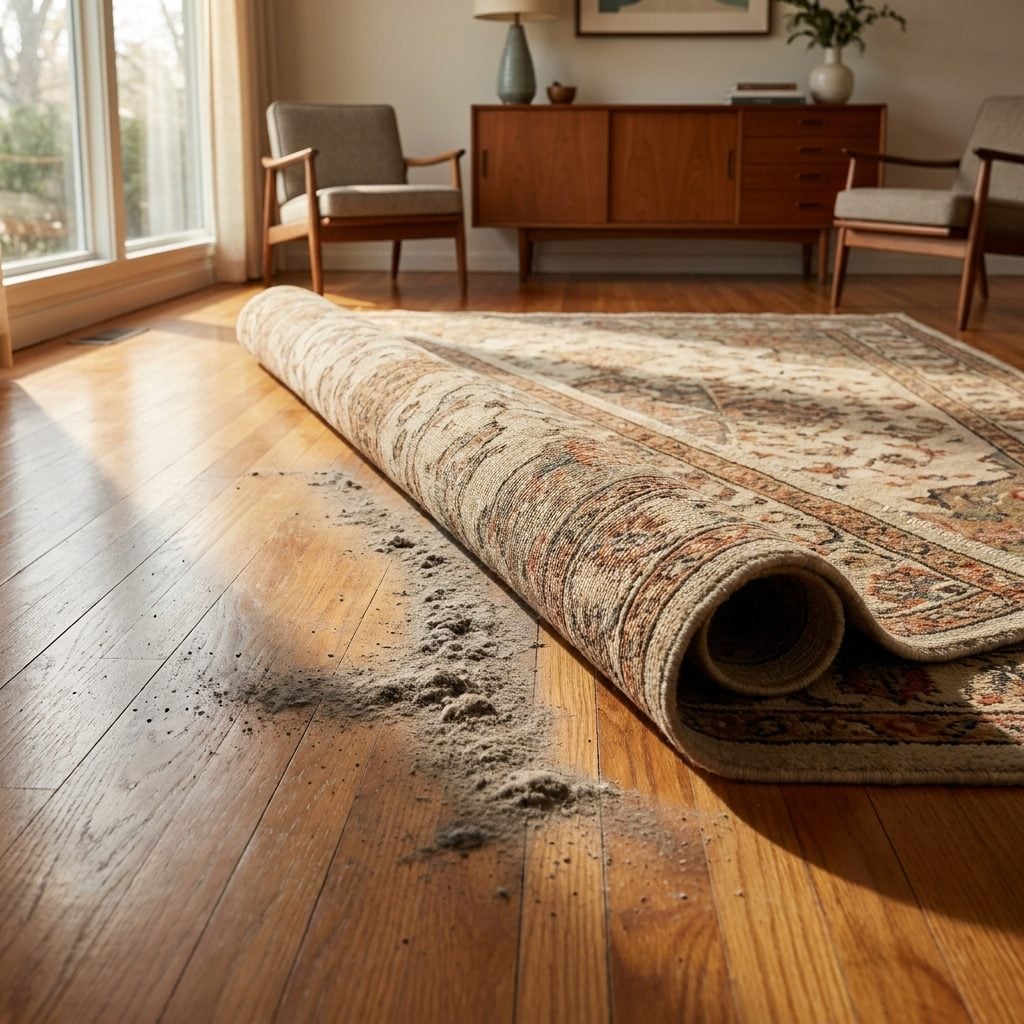
Under every big rug lived a secret nobody talked about — a gray beard of dust, lint, and forgotten crumbs that had settled in all winter. Rolling the rug back felt like lifting a lid on something you’d rather not have seen.
In order to come up with the very specific design ideas, we create most designs with the assistance of state-of-the-art AI interior design software. Also, assume links that take you off the site are affiliate links such as links to Amazon. this means we may earn a commission if you buy something.
Furniture went to the walls first. Then the rug came up in a long heavy coil, and out came the broom for the boards underneath. One of those small rituals that made a room feel honestly clean, not just tidied. Anyone who has arranged a living room with most of the floor covered knows exactly what can accumulate underneath.
35. Scrubbing Floors on Hands and Knees
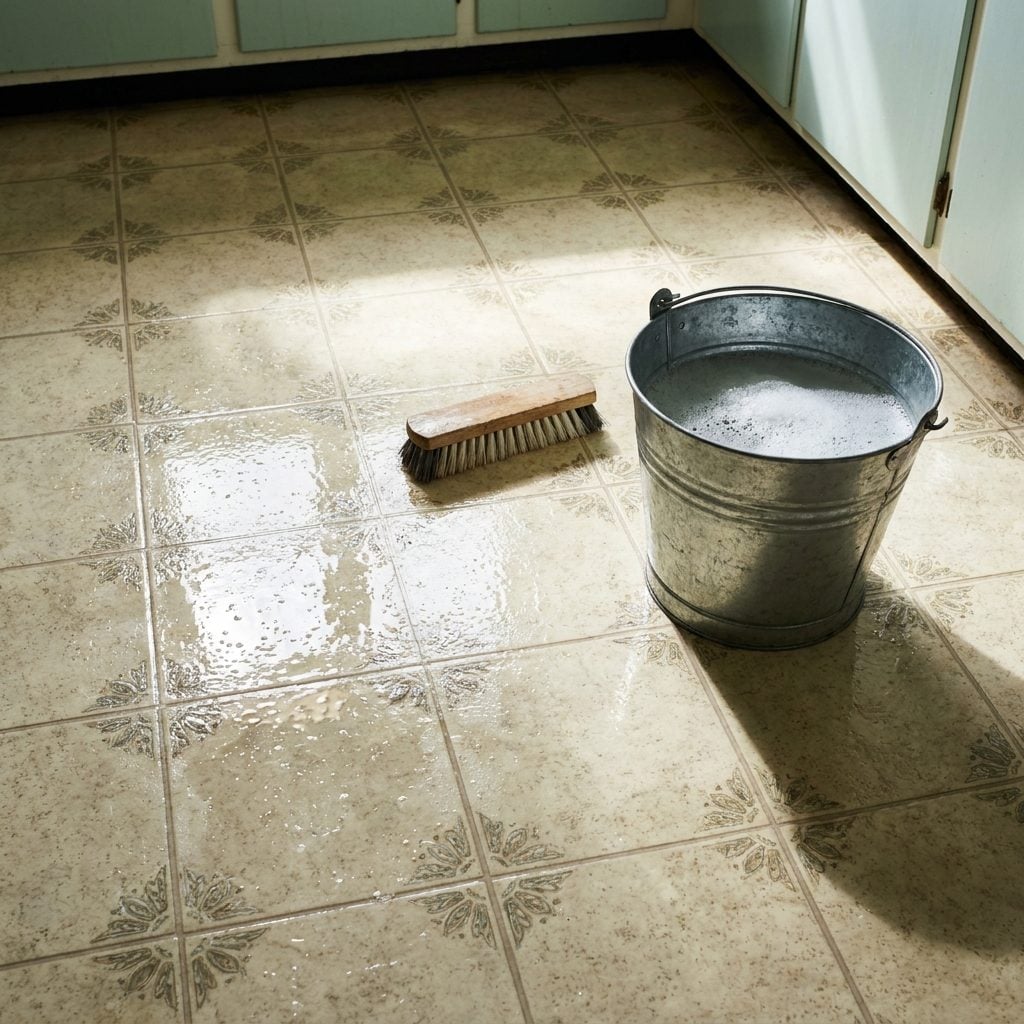
No mop counted. Not for spring cleaning. The real job meant a bucket, a brush, and your own two knees on the floor.
Down you went with a folded rag under each knee and a stiff-bristled brush working in tight circles, and you could feel the grime give way. The floor squeaked when it was truly clean — and that squeak was the whole reward.
34. Stripping Old Wax From Linoleum Floors
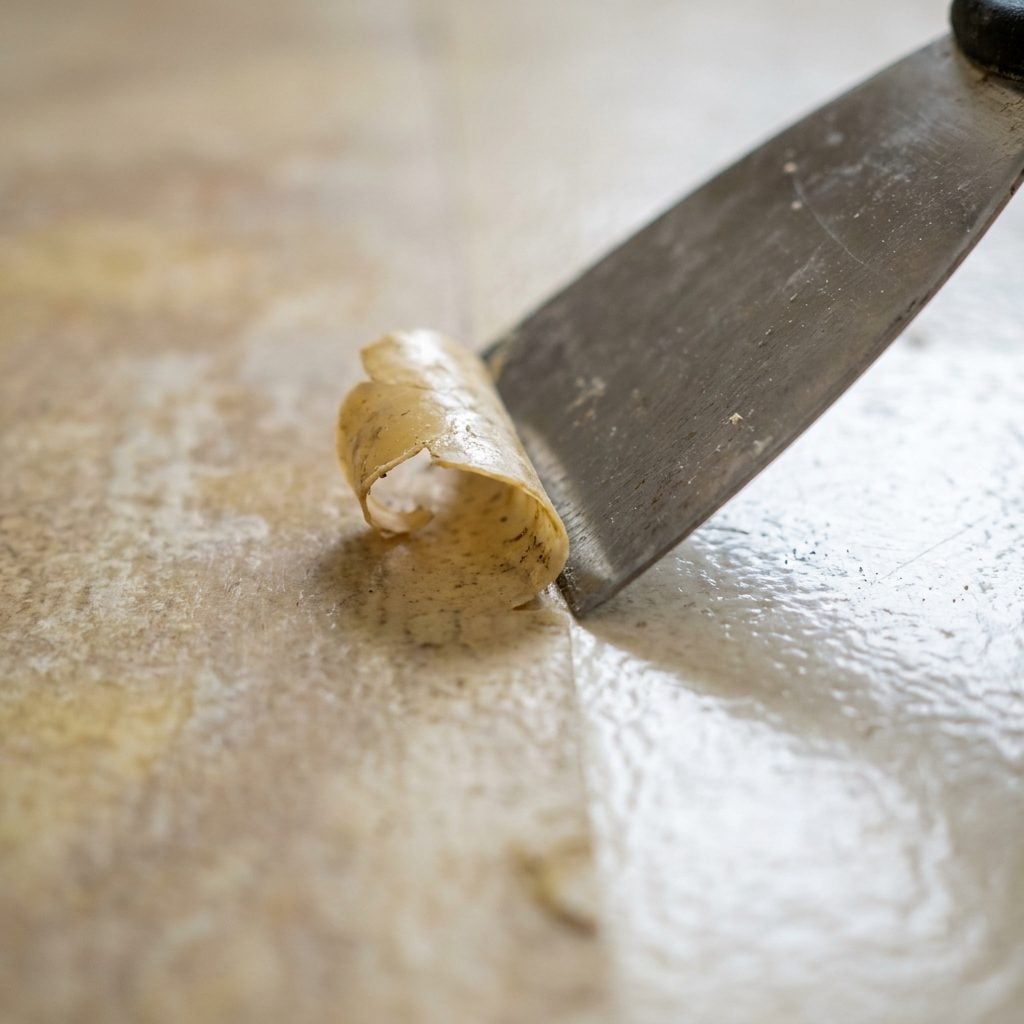
Old wax didn’t just wear off. It piled up, year after year, until the floor took on a dull yellow haze in the corners where no foot ever landed.
Spring meant stripping it all back to the linoleum beneath. The stripper had a sharp chemical bite, and you worked it in with rags until the built-up gunk came loose in cloudy streaks. Windows open, always. The least glamorous step, the one nobody looked forward to — but fresh wax looked a whole lot better once the old layers were gone.
33. Applying a Fresh Coat of Floor Wax
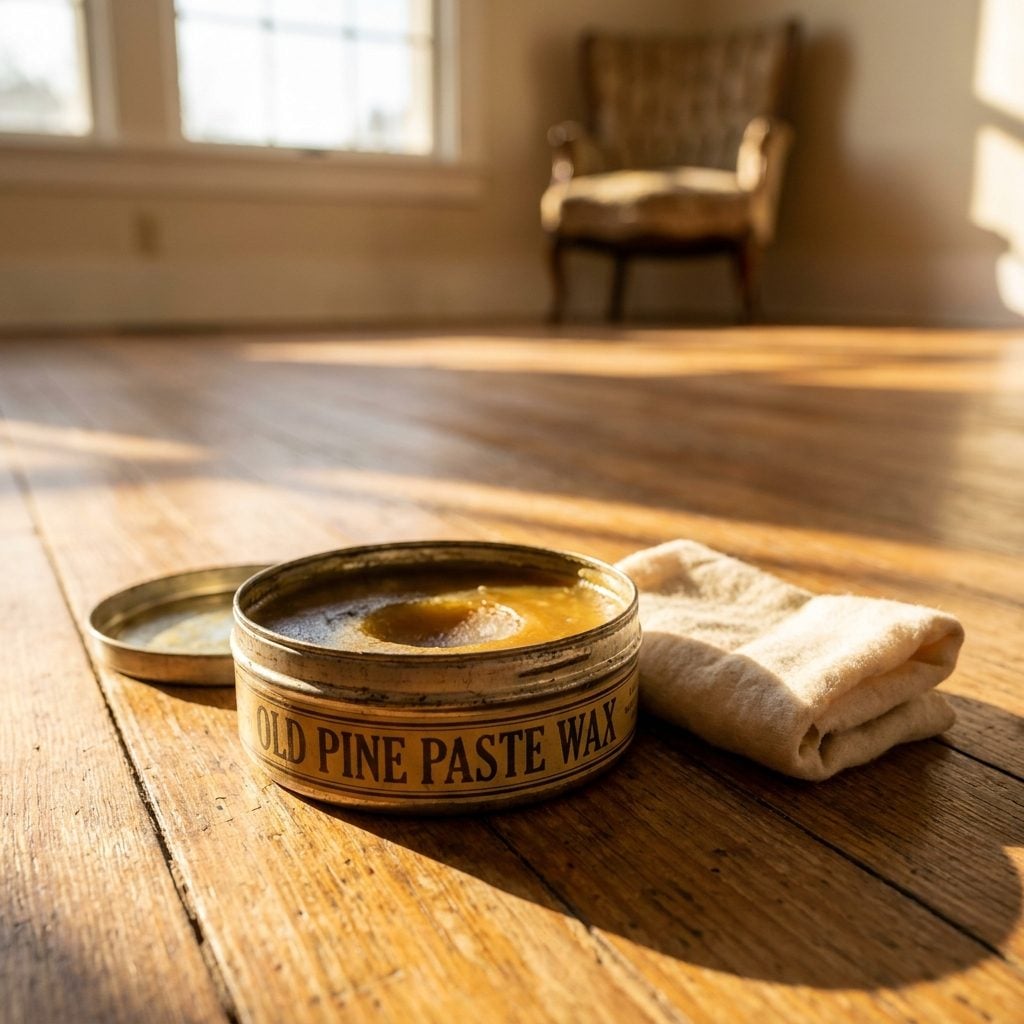
That smell. Paste wax opening its round tin, sweet and waxy and unmistakable, meant the hard part was behind you and the good part had begun.
You spread it thin with a soft cloth in long even strokes, careful not to leave a puddle that would go tacky. Then the whole room sat undisturbed while it dried, which meant everyone tiptoeing around or getting banished outside to the porch until the floor was ready.
32. Buffing Waxed Floors Until They Gleamed
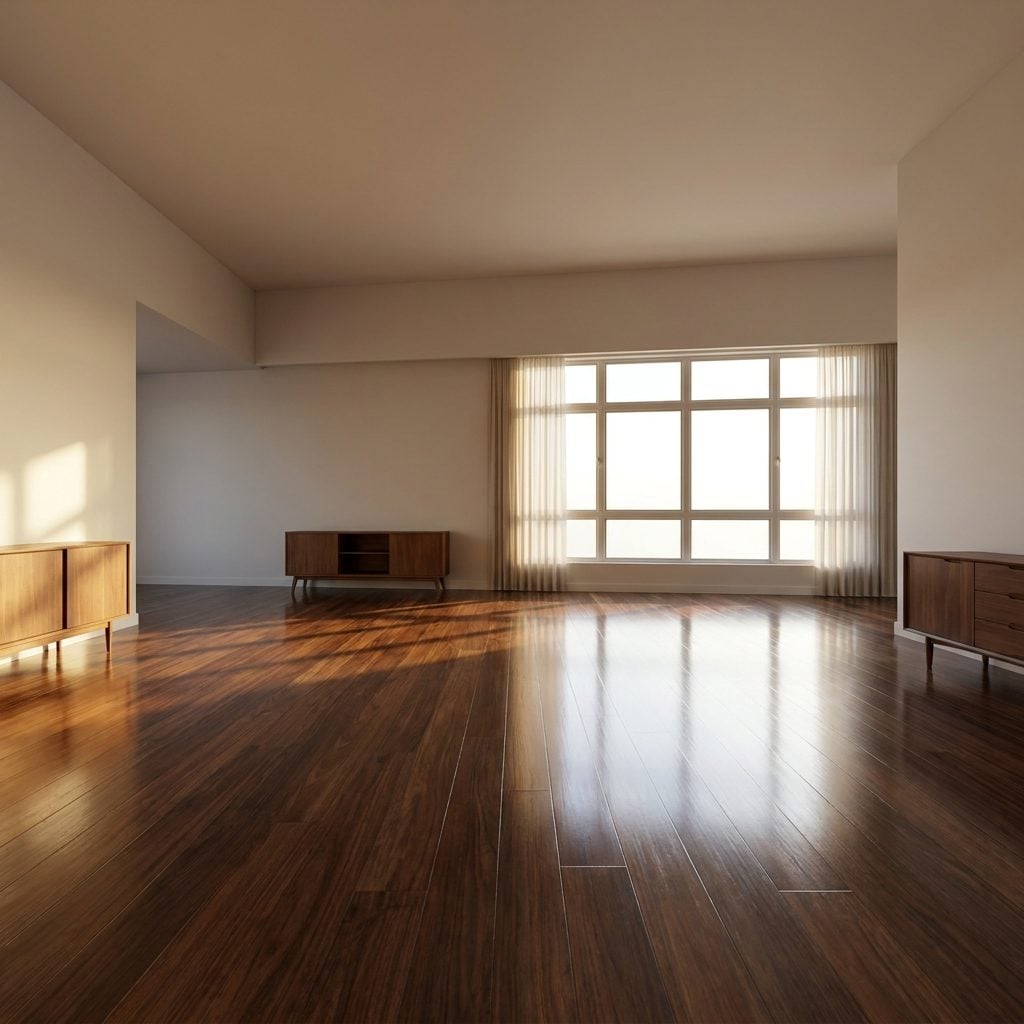
The floor wasn’t finished until you could see the window reflected in it. Buffing was the payoff, and half the time it fell to a kid.
- A folded flannel under one foot, sliding back and forth like a scooter.
- A weighted polisher dragged in slow overlapping passes.
- An old towel and pure elbow grease for the corners.
When the light hit it right and the whole floor threw back a soft mirror shine, everyone stopped to admire it. Then somebody walked across in socks and left a smudge.
31. Washing Windows Inside and Out

Winter left a grimy film on every pane, and there was only one fix. Both sides, top to bottom, no skipping the ones you couldn’t easily reach.
Someone worked the inside while someone else balanced on a stepladder out in the yard, and the two of you pointed at each other’s missed streaks through the glass. Vinegar and water in the bucket, the smell sharp and clean. When it was done and the sun came pouring through, the whole house suddenly looked brighter.
30. Cleaning Windows With Newspaper
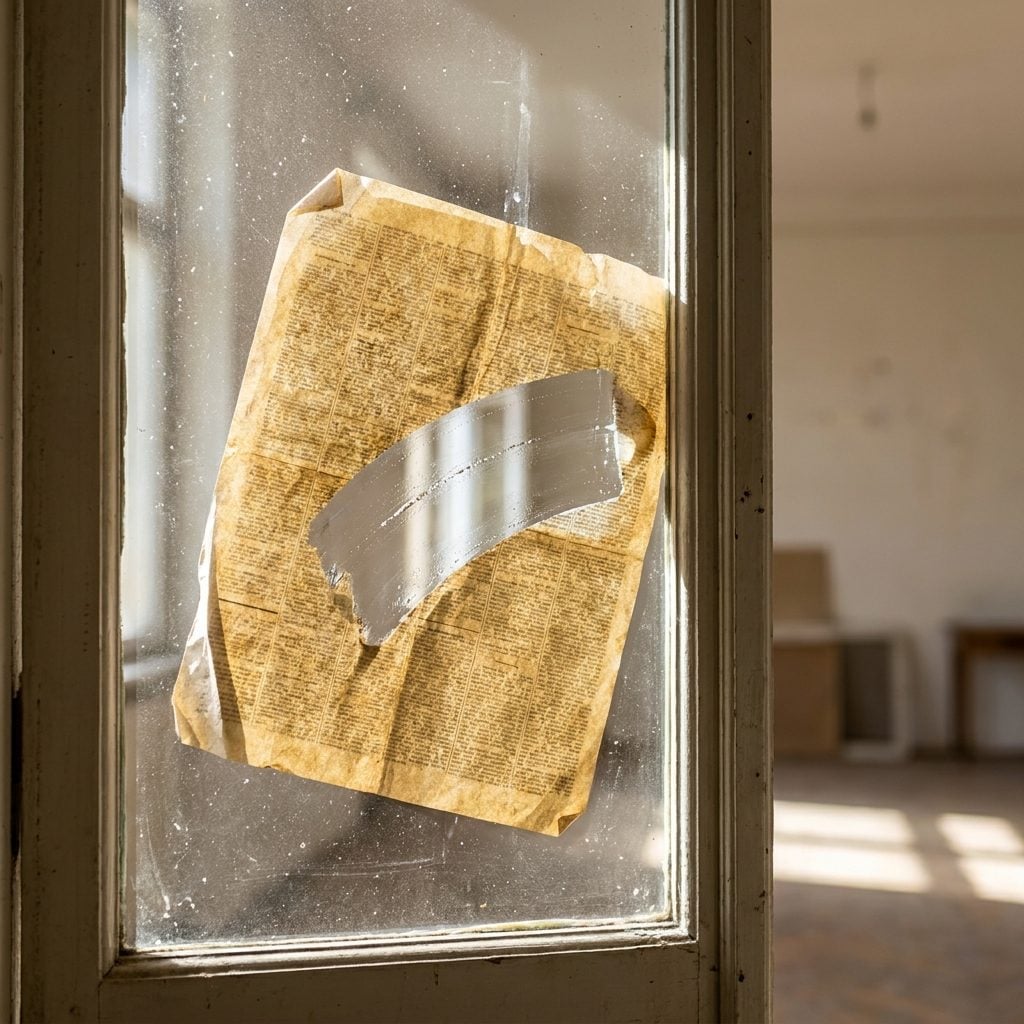
Cloth left lint. Newspaper didn’t. Plenty of households knew the trick, though nobody could quite say who taught them.
You crumpled up a sheet of yesterday’s paper, dampened it, and wiped in fast tight circles until the glass squeaked and shone. Your fingers came away gray with ink. It cost next to nothing and used something already sitting in the house — exactly the kind of thrift that ran the whole season.
29. Removing Storm Windows for the Season
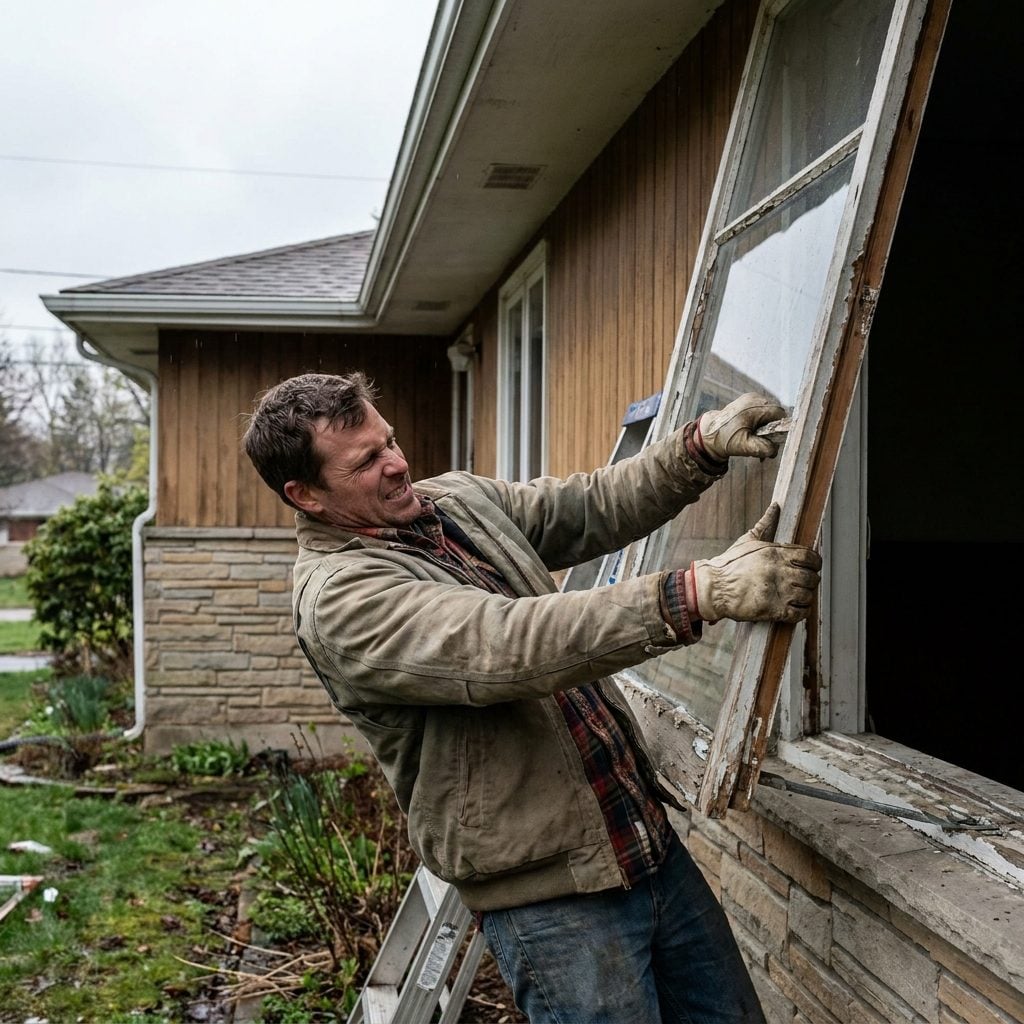
The storm windows were dead weight by spring — heavy frames that had helped seal the house against winter. Getting them down could be a two-person job and something of a rite of passage.
One person up the ladder, one below to catch, and a lot of hollering about lining up the hooks. Off they came, one by one, each wiped down and carried to the garage or cellar for storage. Taking them off meant winter had officially surrendered.
28. Washing Window Screens Before Putting Them Up
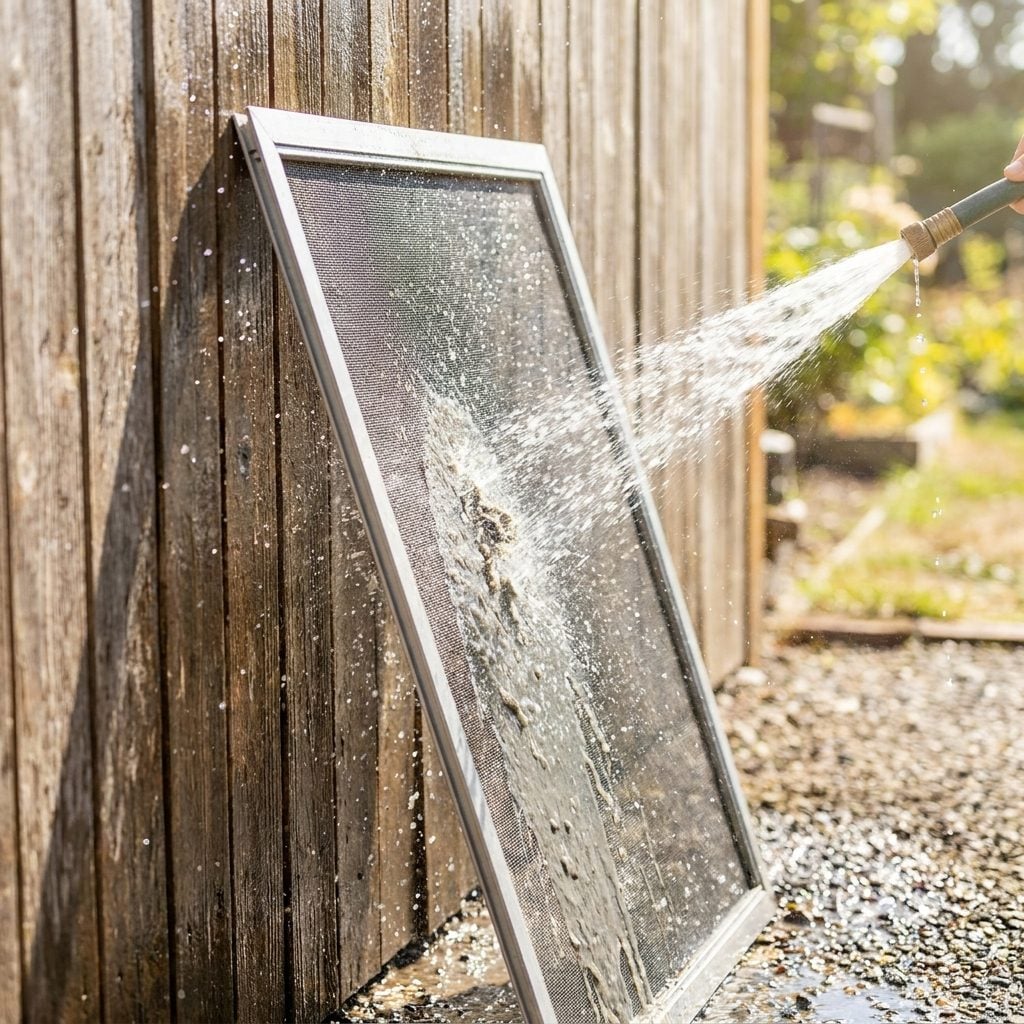
Every screen came out of storage in spring carrying whatever dust had settled on it while it waited for warm weather.
Out came the scrub brush and bucket. Screens leaned against the fence or a sawhorse, got hosed down, brushed on both sides, then stood in the sun to dry before going up. A clean screen let spring air through without bringing quite so much of the yard with it.
27. Installing Window Screens for Warm Weather

With the storm windows gone and the screens washed, up they went, and the whole personality of the house changed overnight. Suddenly you could throw every window open and let spring air move straight through the rooms.
Once they were in, the sounds of the neighborhood came flooding back — lawnmowers, kids on bikes, the creak of the screen door. That first warm evening breeze drifting through a freshly cleaned house could feel like the real end of winter.
26. Taking Curtains Down for Washing
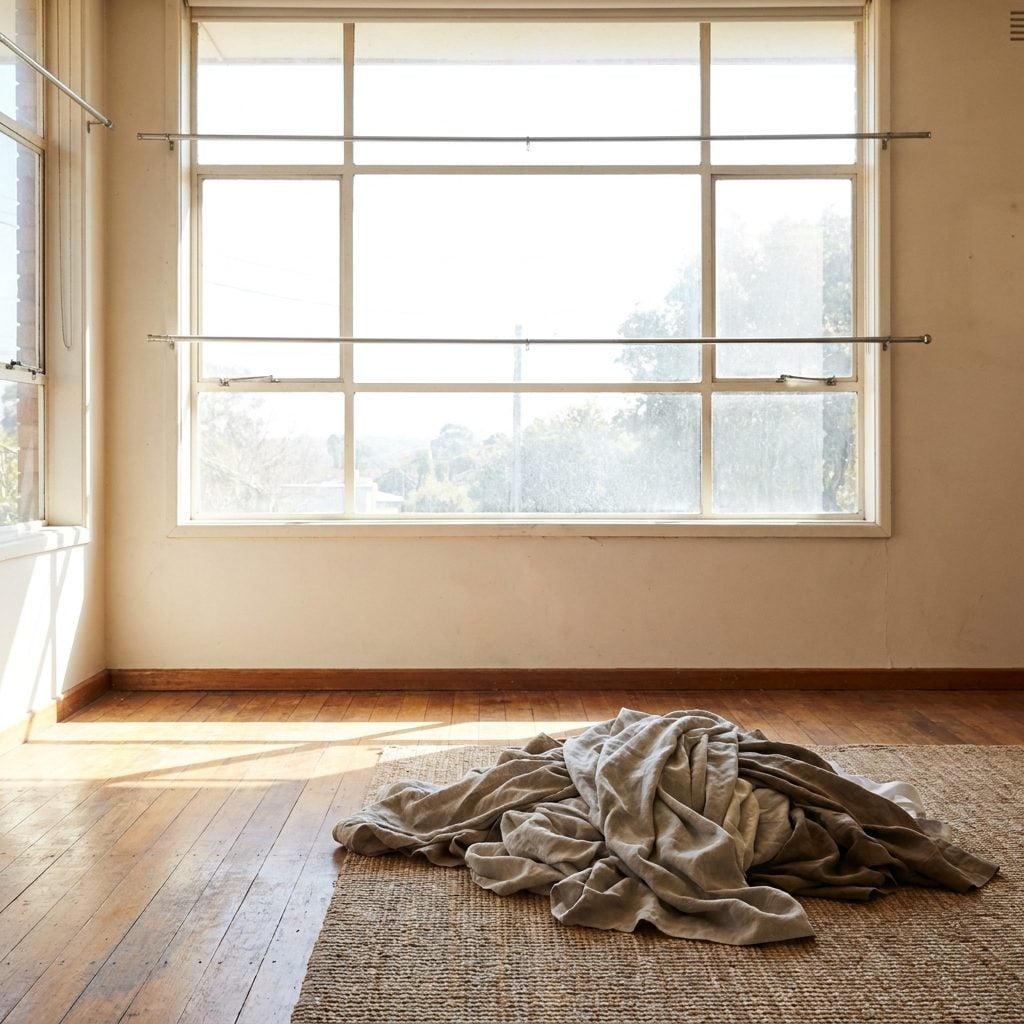
Every spring the rods went bare for a few days, and the whole room felt exposed. Light poured in without fabric to soften it, and suddenly you noticed just how much those curtains had been holding back all winter long.
Panels came down, soaked in the wash tub, then hung to dry. Sheers went back up crisp and sometimes a little stiff from starch. Some households stretched lace curtains on wooden frames lined with tiny pins, which left a row of dots on your fingertips if you weren’t careful.
25. Washing or Airing Heavy Winter Drapes
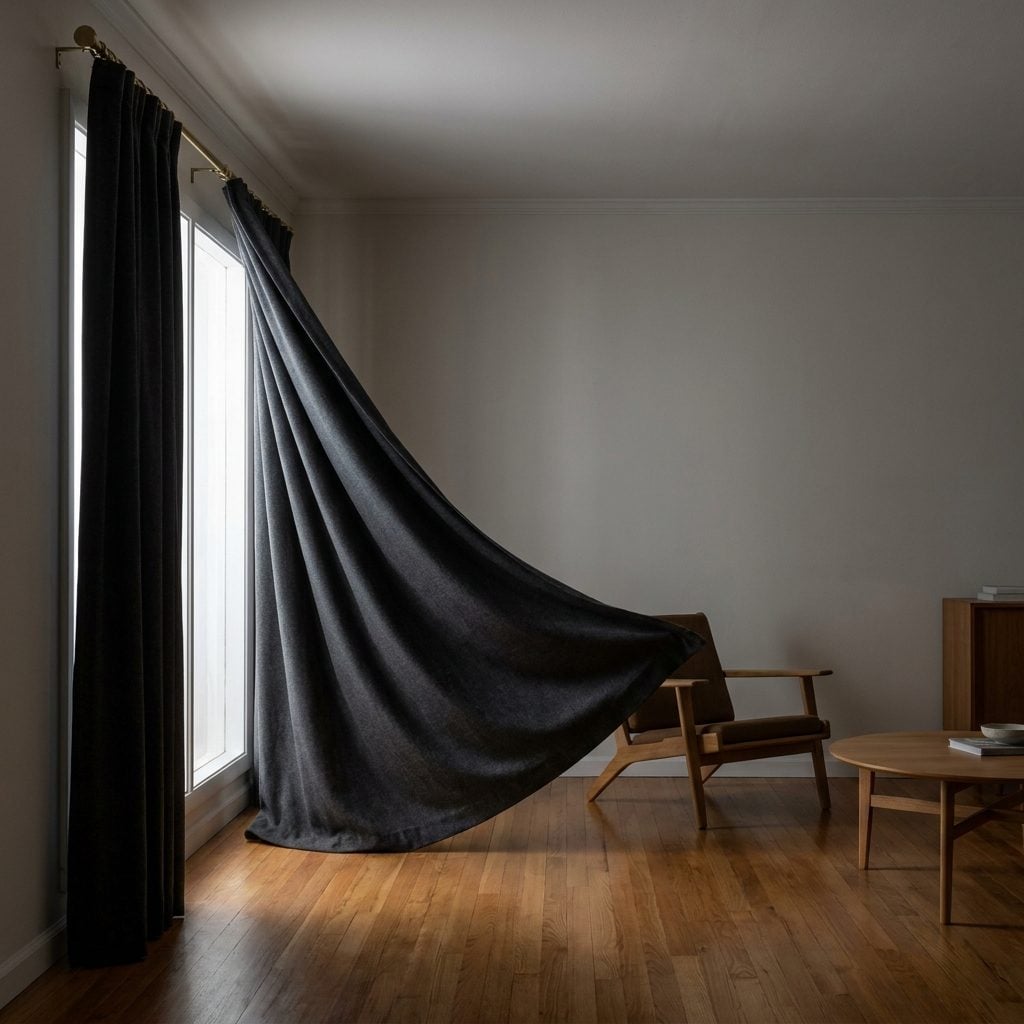
The heavy drapes came off the windows once the cold broke, and lifting them felt like undressing the whole house for summer. Lined, fringed, and dense enough to stop a draft cold, they could soak up a season of smoke, cooking, and closed-window air.
Many heavy drapes were aired rather than tossed casually into a wash tub. Too bulky, too fussy, too easy to shrink or distort. Out in the breeze they went before being folded away or swapped for something lighter. A railing, clothesline, or porch could become temporary drapery headquarters for the afternoon.
24. Cleaning Venetian Blinds Slat by Slat
🔥 Would you like to save this?
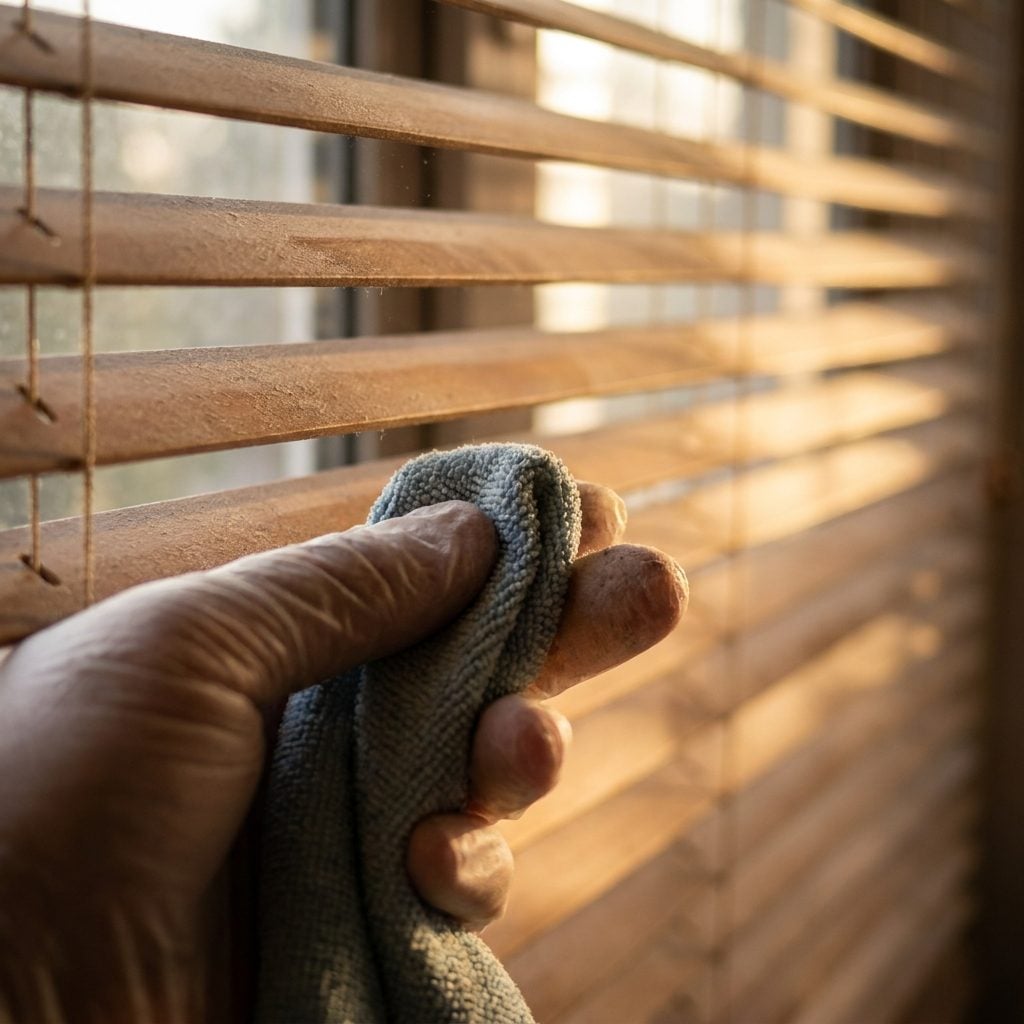
There was no fast way to do it. You took one slat, wiped the top, wiped the bottom, tilted the whole set the other direction, and did it all over again, cloth wrapped around your fingers and a basin of cleaning water at your elbow.
Some clever souls wore an old cotton glove on each hand and ran two slats through at once. Faster, sure. The dust still ended up under your fingernails, though, and anyone who lived with Venetian blinds knew that particular gritty film. It came off gray every single time.
23. Washing Walls From Bottom to Top
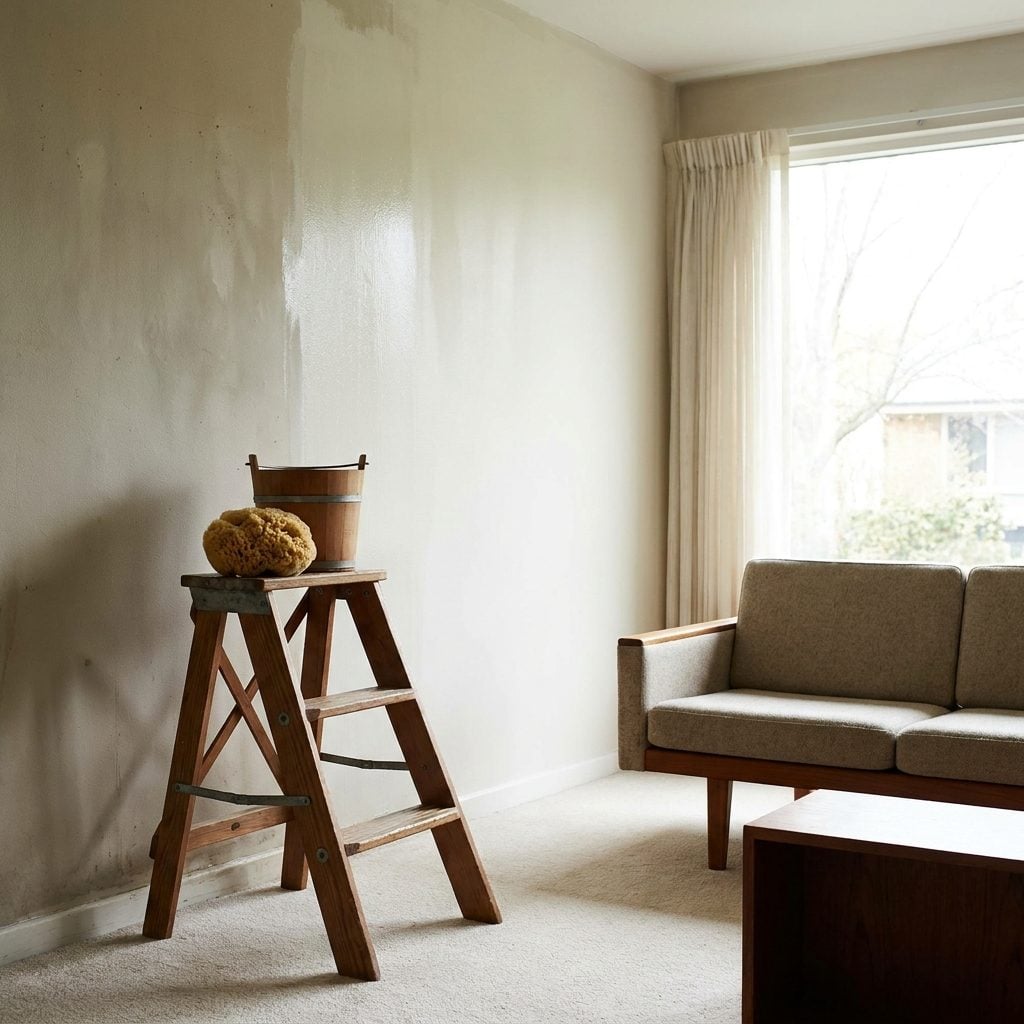
You started low and worked upward. It sounds backward until you’ve watched dirty cleaning solution run down an unwashed wall. Starting near the baseboard helped avoid long drip marks streaking through sections that had already been cleaned.
Walls could genuinely need washing after a long winter. Smoke from heating, cigarettes, candles, and cooking all left residue behind. So out came warm water, whatever cleaner the household trusted, and a sponge or cloth. That first clean patch beside the duller paint was reason enough to keep moving.
22. Scrubbing Baseboards by Hand
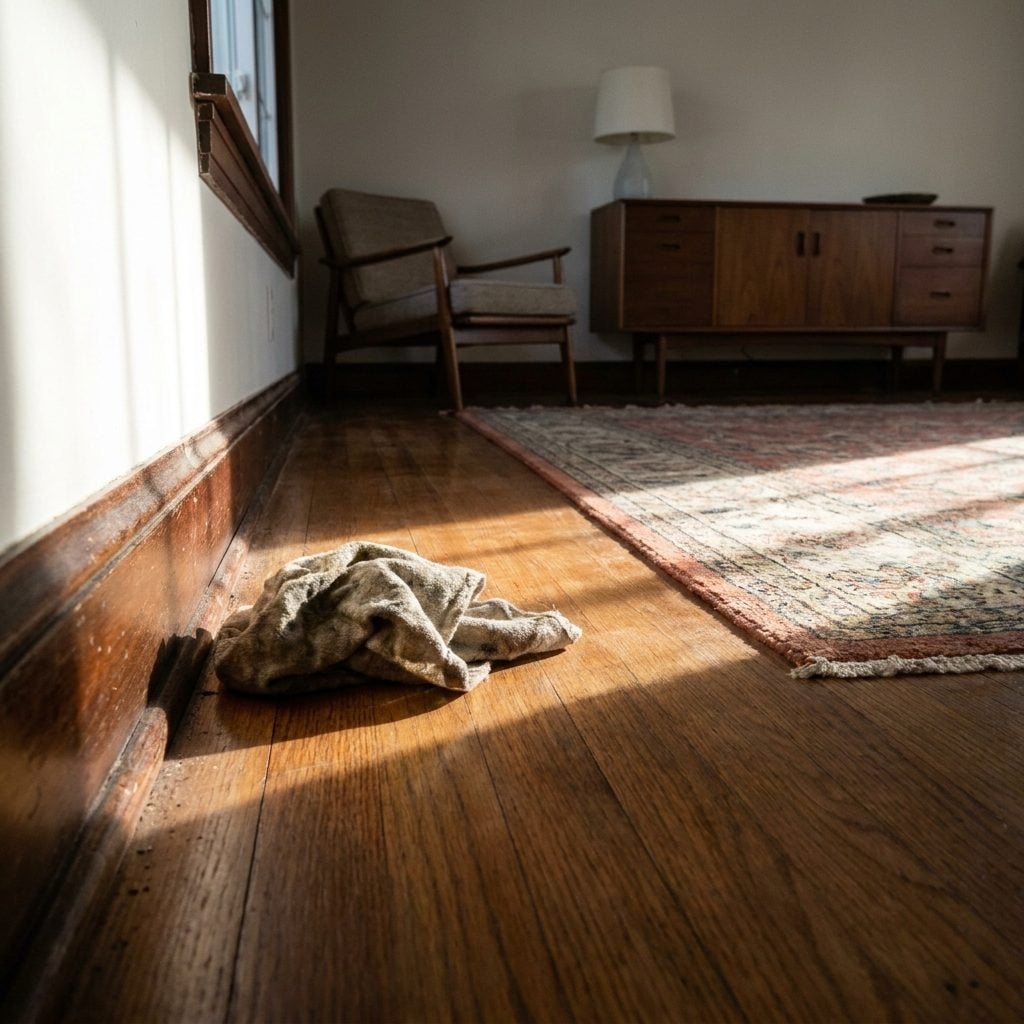
Down on your knees, rag in hand, working the length of a baseboard inch by inch. It’s the kind of job that aches your back and earns no applause, because clean baseboards are almost invisible. That was somehow the whole business of it.
The trim held onto scuff marks, floor-wax buildup, and a gray line of grime right where ordinary cleaning tended to stop short. Warm water, a little soap, elbow grease. Spring meant following the trim around the room while the radio kept you company.
21. Dusting Ceiling Corners and Moldings
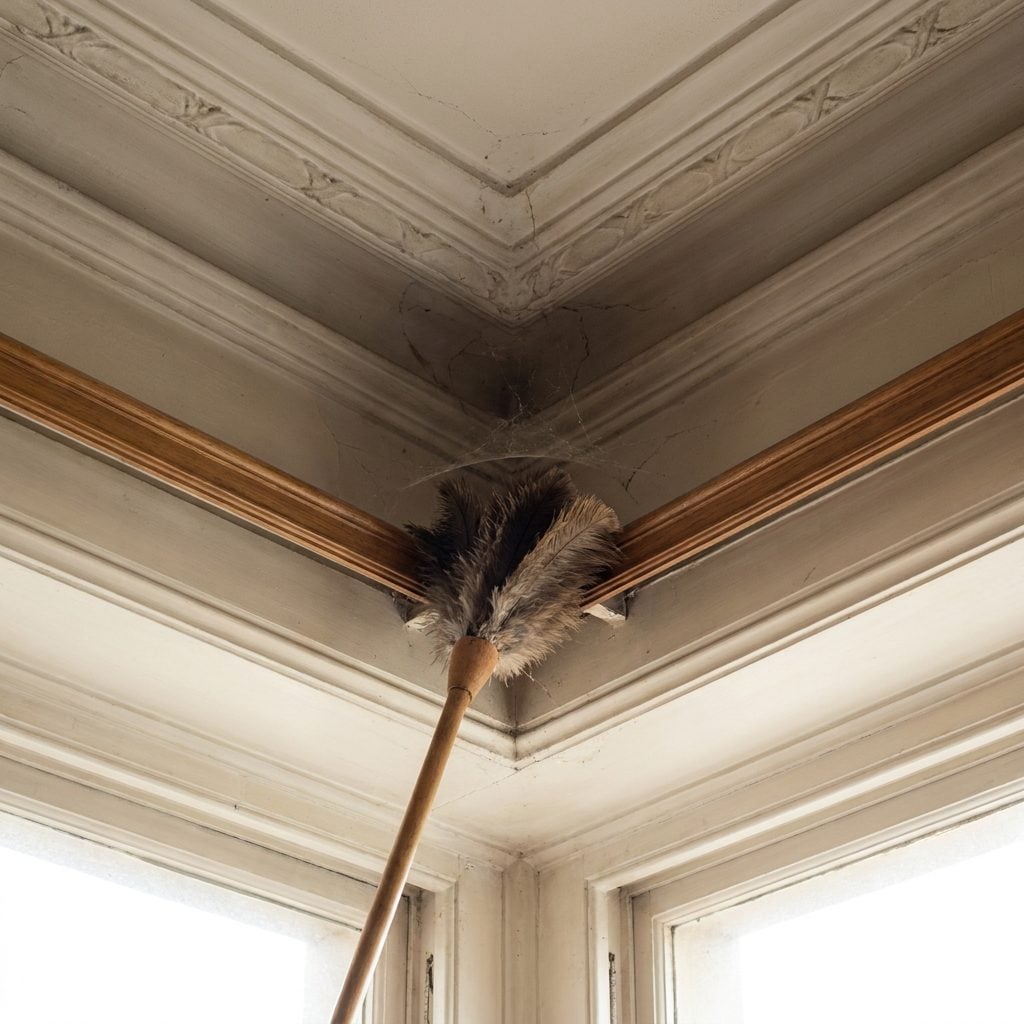
Cobwebs lived where you never looked, high in the corners, along the picture rail, down in the fussy grooves of the crown molding. Come spring, out came the long-handled duster, the one with the wool head you could never quite steer into the very peak.
You’d tip your head back, squint into the light, and swipe until the corners came clean. Ornate plaster moldings collected dust in every ridge, and getting into them took patience and a steady arm. Guaranteed a crick in your neck by lunchtime.
20. Cleaning Light Fixtures and Glass Shades
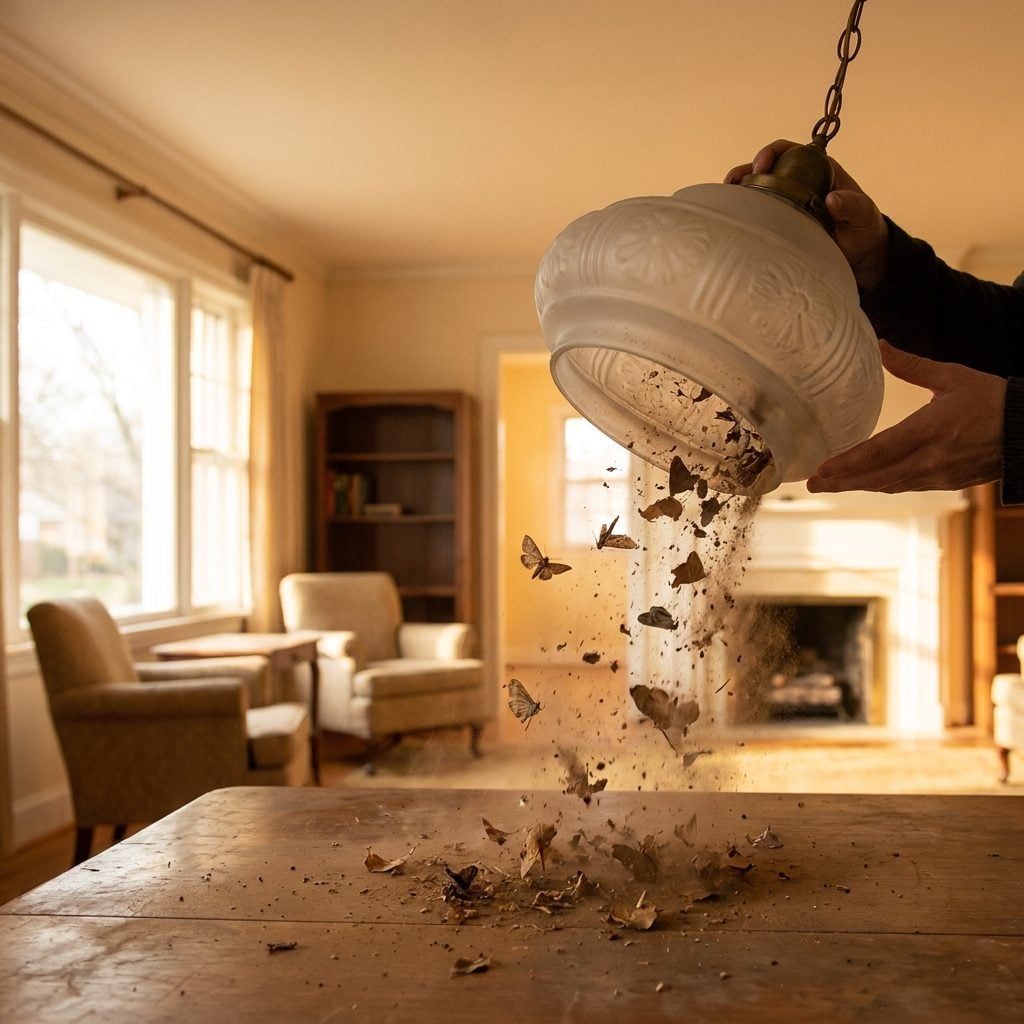
Nobody realized how dim the room had gotten until the shades came down. Dust and dead moths collected inside glass globes, dulling the light so gradually you barely noticed it happening.
You’d unscrew the shade, tip out the little pile of debris, wash the glass in warm soapy water, and watch the room suddenly look brighter when it went back up. Frosted globes, pleated fabric shades, the fluted glass over the dining table — everything got its turn.
19. Taking Every Rug Outside for a Beating
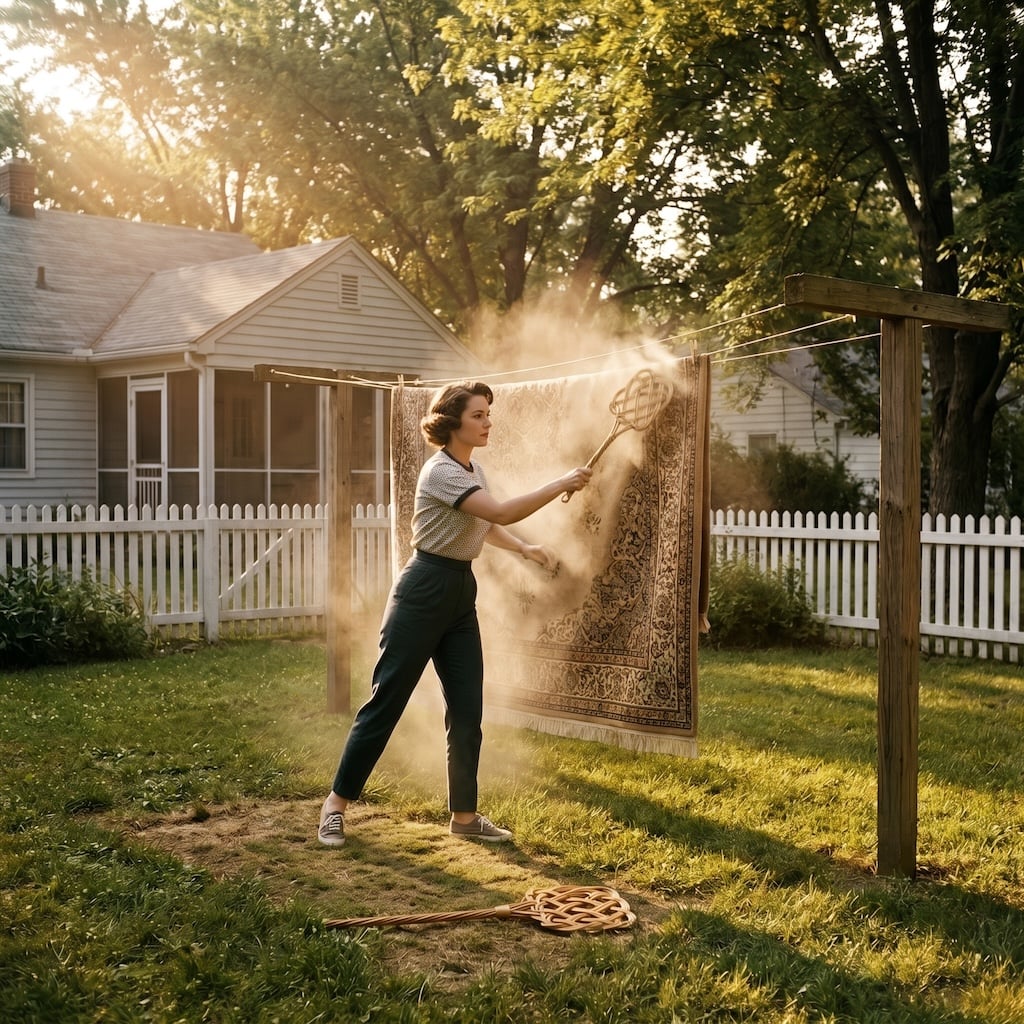
You could hear it three yards over — that rhythmic thwack, thwack of a wicker beater against a rug slung over the clothesline, and a fog of a whole winter’s worth of grit blooming into the spring air.
Even with electric vacuums in plenty of homes, some rugs still went outside for a more aggressive cleaning. They got hit until they stopped coughing. Kids fought over who got to swing the beater. The braided ones, the Persian-style ones, the runner from the hall — anything manageable enough to drag outdoors was fair game.
18. Moving Heavy Furniture to Clean Behind It
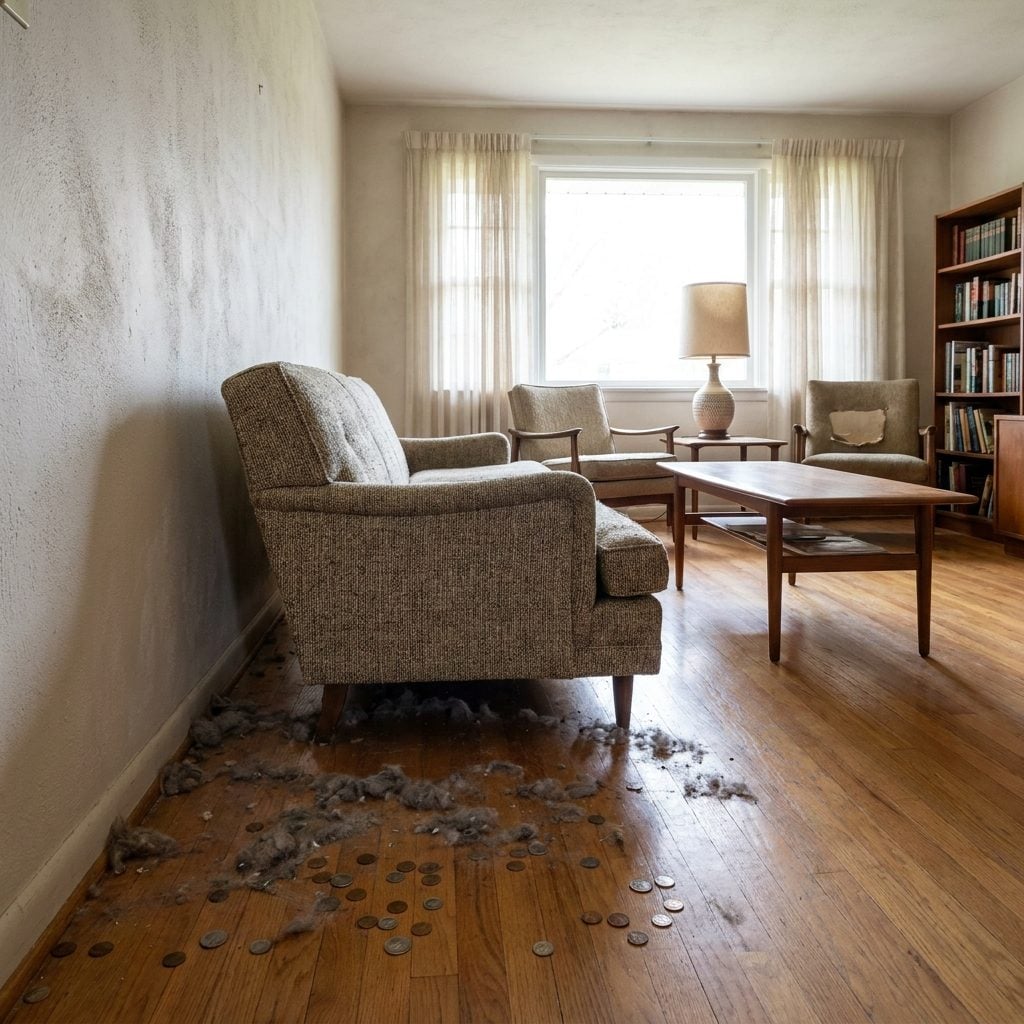
The sofa hadn’t budged since last spring, and everyone knew what was hiding back there. A gray carpet of dust, a small fortune in loose change, the comb somebody swore they’d lost, and at least one thing nobody wanted to identify too closely.
Shoving the big pieces away from the wall was often a two-person job and one of the more entertaining parts of the whole affair. You cleaned the floor, wiped the back of furniture nobody usually saw, and pocketed whatever coins turned up as fair wages for the trouble.
17. Vacuuming Upholstered Furniture Thoroughly
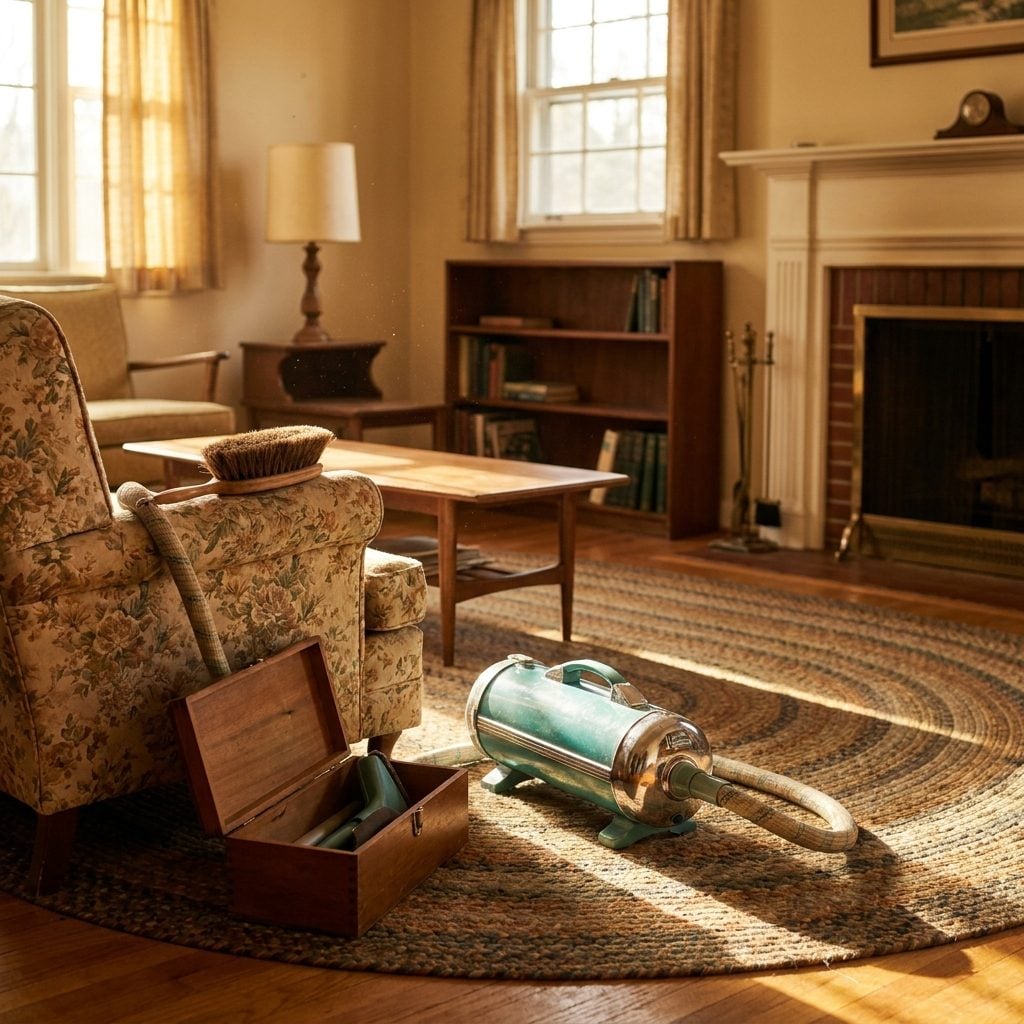
The vacuum came with a whole box of attachments, and spring was when you finally dug out the small upholstery brush that lived at the bottom, forgotten the rest of the year.
You’d run it slowly over every cushion, work into the crevices where crumbs and pennies collected, and lift each seat to reach underneath. Textured upholstery could hold a surprising amount of dust deep in the fabric. The chairs might look exactly the same afterward, but you knew what had come out of them. That knowledge was reward enough.
16. Polishing Every Piece of Wooden Furniture Until You Could See Your Face
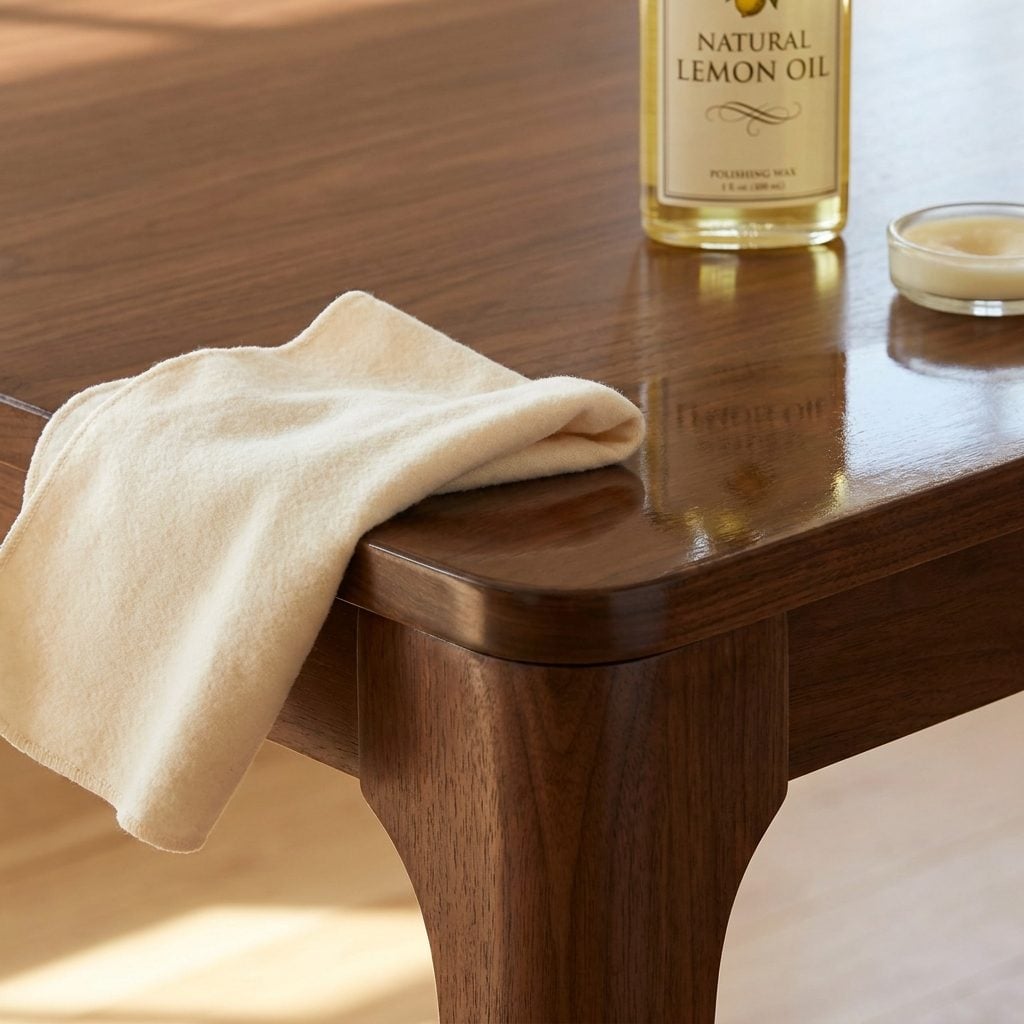
Saturday morning smelled like furniture polish and beeswax before it smelled like anything else. Every table leg, chair rail, and sideboard got the rag treatment, and the goal was a shine you could check your teeth in.
Plenty of older furniture used substantial solid wood, veneer, or some combination of the two, and people treated those surfaces as things worth maintaining. Polish went across tabletops and drawer fronts with almost ceremonial attention. A well-cared-for walnut dresser might still be doing its job three generations later.
15. Turning and Airing the Mattresses (A Two-Person Job, Always)

Flipping the mattress took strategy, muscle, and usually another pair of hands. You rotated it head to foot, then flipped it over, giving that body-shaped dip in the middle a fighting chance of evening out.
Then it got pulled toward an open window or left exposed while the rest of the room was cleaned. Airing the bed was supposed to chase away winter mustiness. Whether it worked miracles or not, fresh sheets on a turned mattress always seemed to make the whole bed feel newer.
14. Washing the Mattress Pads and Bedspreads by the Armload
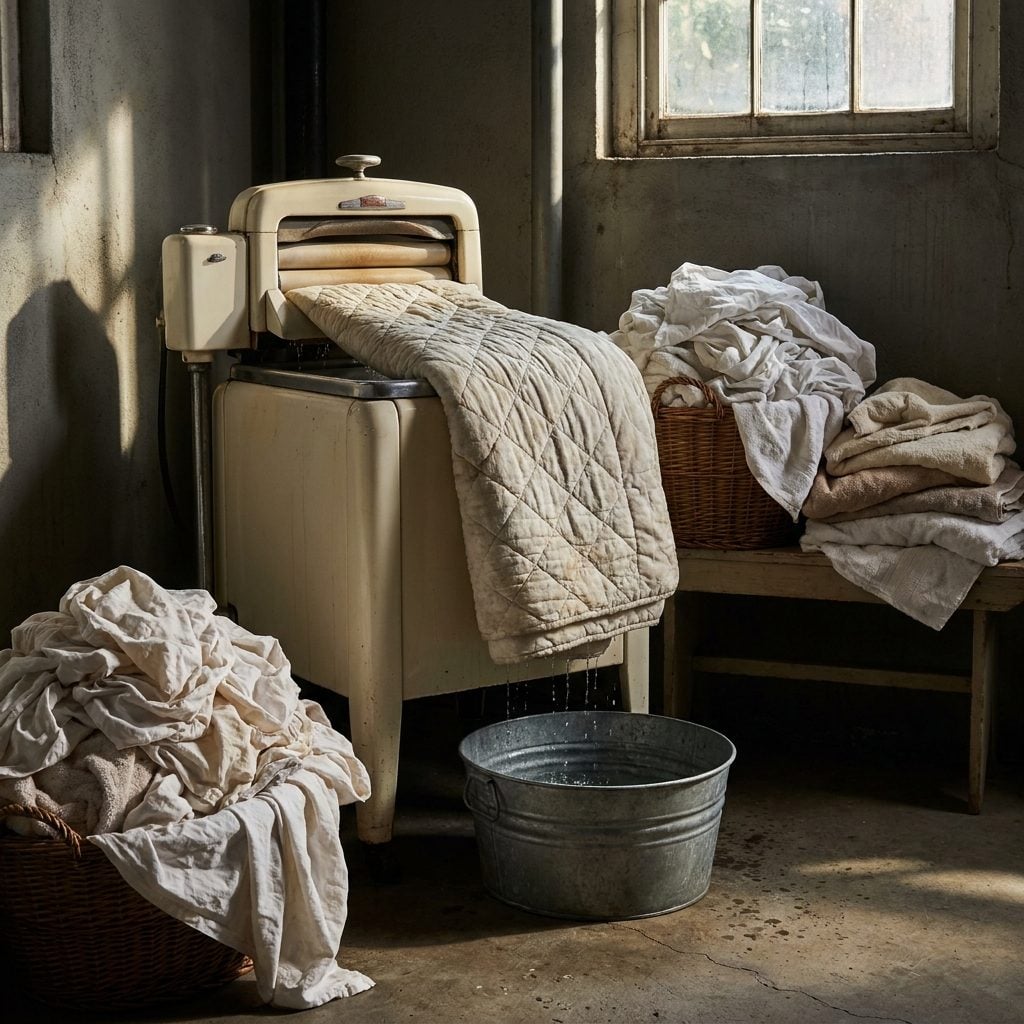
The wringer washer earned its keep in spring. Mattress pads went through first — quilted, heavy, awful — followed by bedspreads that had gathered a whole winter’s worth of dust.
Everything came out wet and cumbersome, got fed through those rubber rollers, then hauled outside to dry stiff and sun-warmed. A chenille bedspread fresh off the line had a smell you cannot buy in a bottle.
13. Airing the Blankets and Quilts Over the Clothesline
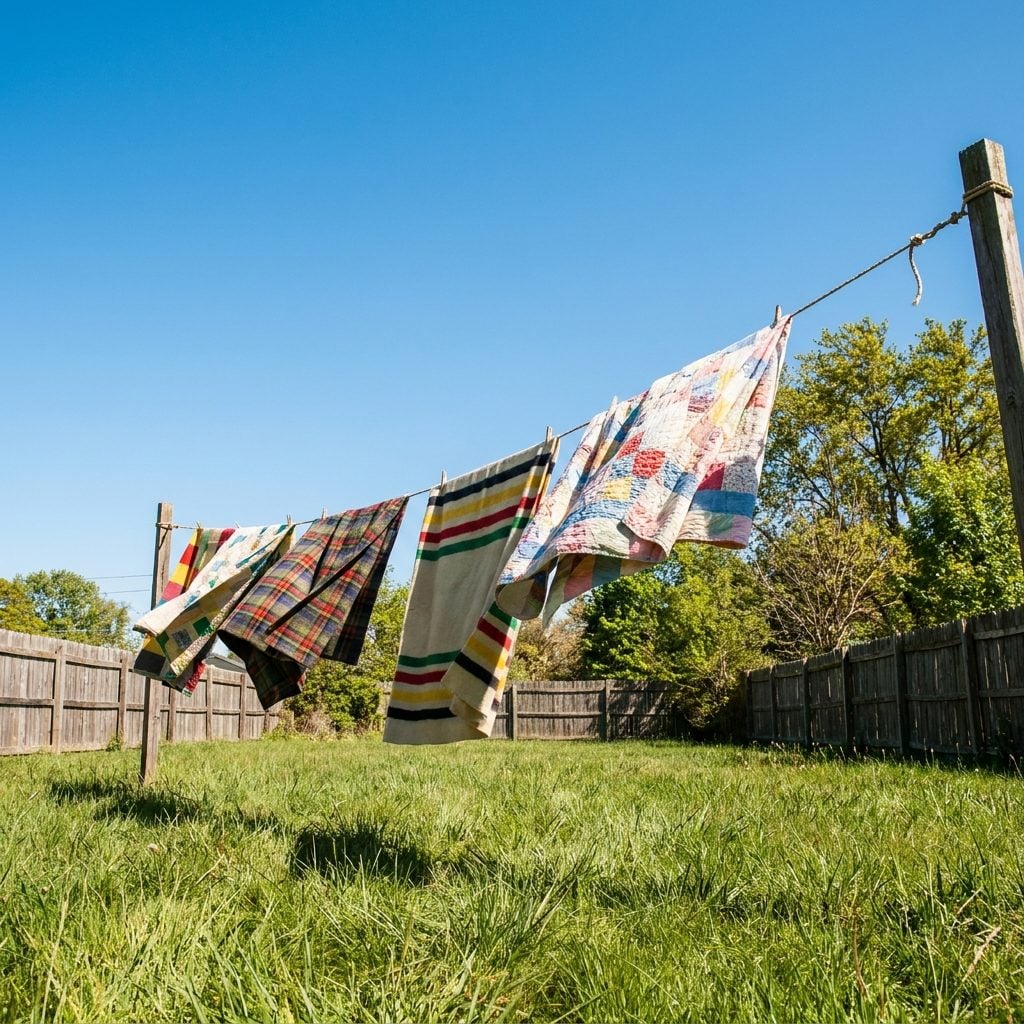
Nothing said the cold was over like a line full of wool blankets snapping in the wind. Down off the beds, out over the line, and there they hung for hours taking in sun and breeze.
Fresh air and sunlight were believed to freshen bedding after a winter of use, but the part nobody had to debate was the smell afterward: clean, faintly grassy, unmistakably outdoors. A good clothesline was the original air freshener, and a porch or yard often became headquarters for the whole operation.
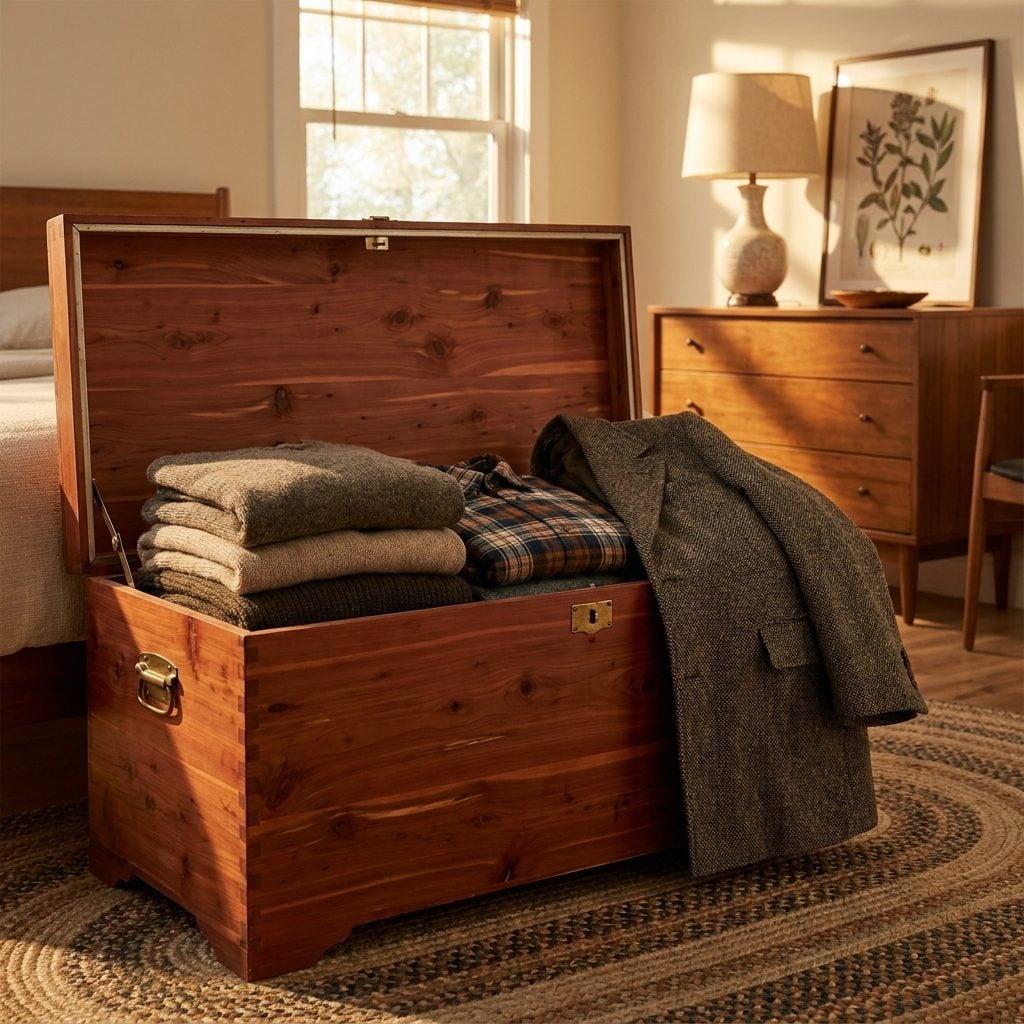
12. Putting the Winter Woolens Away for the Season
🔥 Would you like to save this?
Come spring, the heavy sweaters, wool coats, and flannel got folded flat and tucked into cedar chests, closets, or storage boxes. Closing the lid on all that wool felt like closing the lid on winter itself.
Cedar was prized partly because its aromatic oils could help deter clothes moths. Then fall arrived, the chest opened again, and the first thing out wasn’t a sweater. It was that unmistakable dry forest smell.
11. Packing Everything Away With Mothballs
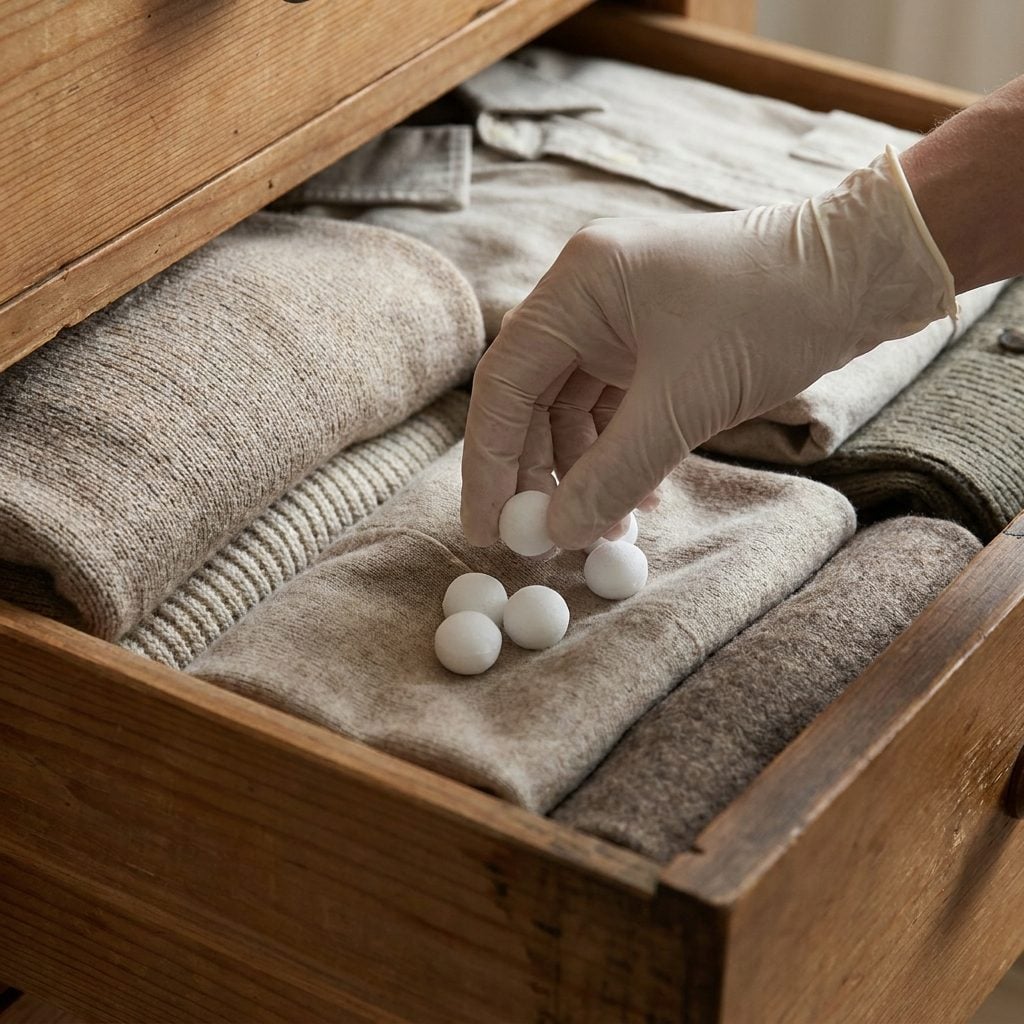
That smell. Anyone who grew up around mothballs can summon it instantly — the sharp chemical bite that seemed capable of escaping any drawer.
They went into storage with woolens and blankets, little white spheres standing guard through the summer. Unpack in the fall and that odor came with the clothes, clinging until a good airing finally chased it off.
10. Emptying the Closets Down to the Bare Walls

You did not clean around things. You took every single item out first — coats, shoeboxes, hatboxes, the whole lot piled high on the bed until the closet stood empty and echoing.
Then came the shelves, corners, floor, and walls if they needed it. Something about a closet reduced to bare wood and fresh air felt like a small victory before everything went back in, sorted and finally accounted for.
9. Lining Every Shelf and Drawer With Fresh Paper
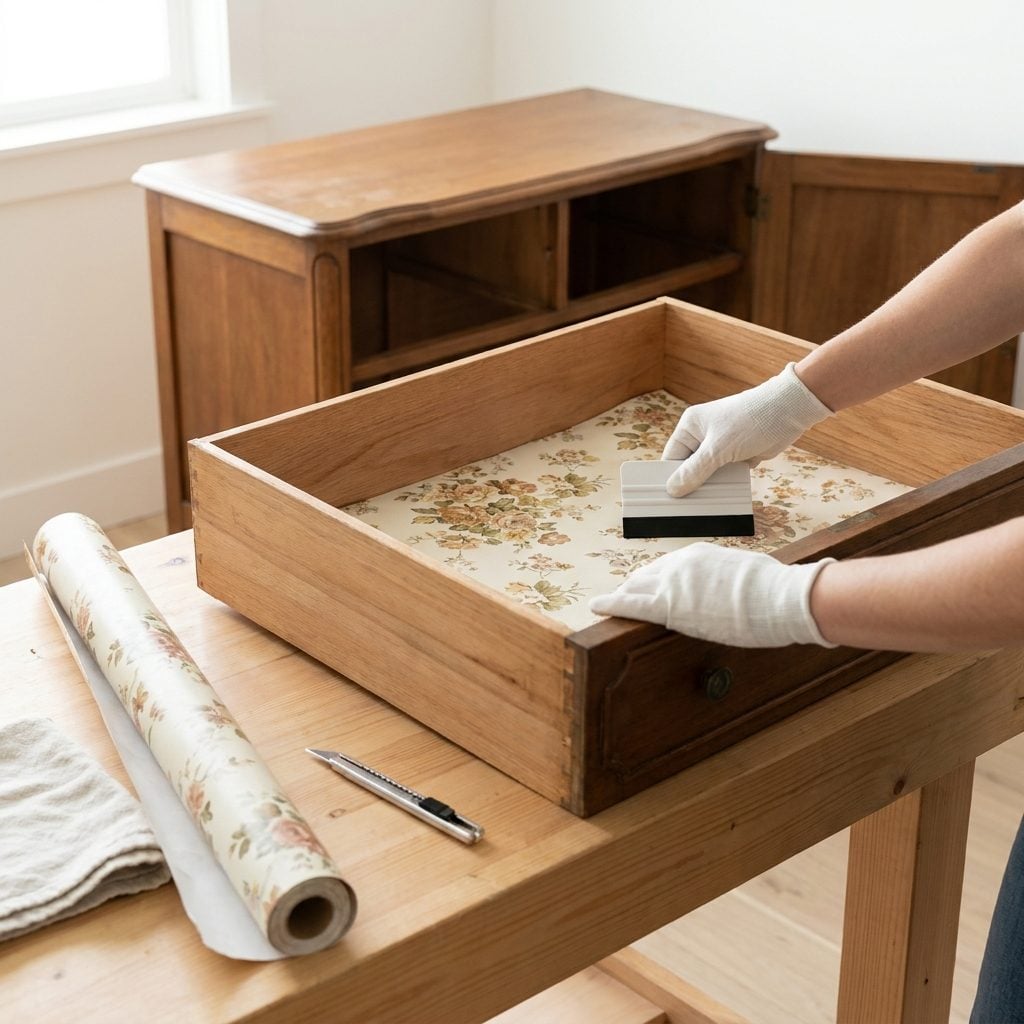
Fresh paper was the finishing touch, the ribbon on the whole operation. Once shelves and drawers were scrubbed dry, out came the shelf paper, sometimes with a decorative edge trimmed by hand.
Kitchen cupboards, dresser drawers, the bathroom cabinet — all got a crisp new layer. Patterns might be floral, fruit-covered, geometric, or plain. Opening a finished drawer afterward felt like a small gift you’d given your future self.
8. Emptying the Kitchen Cabinets and Washing Every Last Shelf
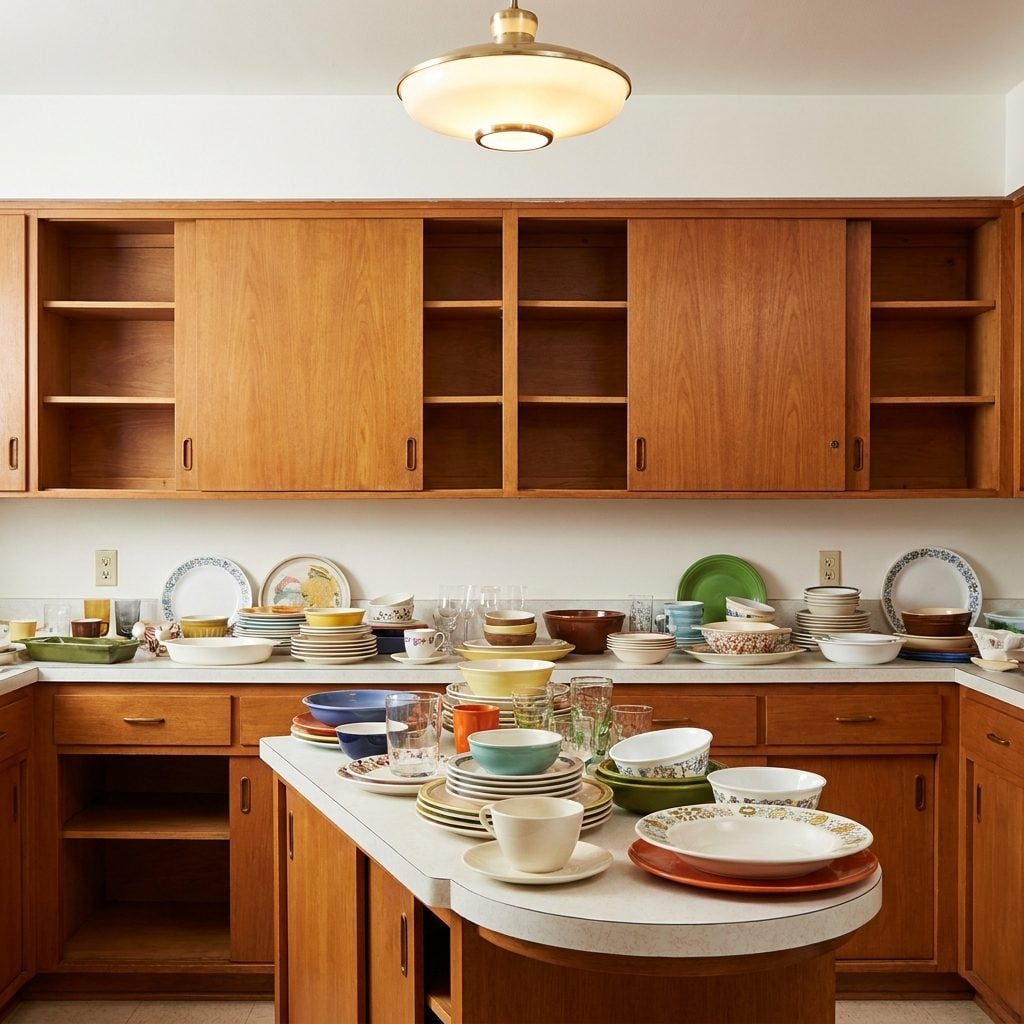
Every dish, glass, and canister came down and covered the counters like a rummage sale. Only then could the cabinets get their annual washing, shelf by shelf, with warm soapy water.
You wiped the insides, let them dry, and put everything back in better order than you found it. The same deep-cleaning impulse reached living rooms, bedrooms, and hall closets, but a kitchen emptied onto every available counter had a special ability to make the entire house look temporarily uninhabitable.
7. Degreasing the Stove and Oven by Hand, on Your Knees
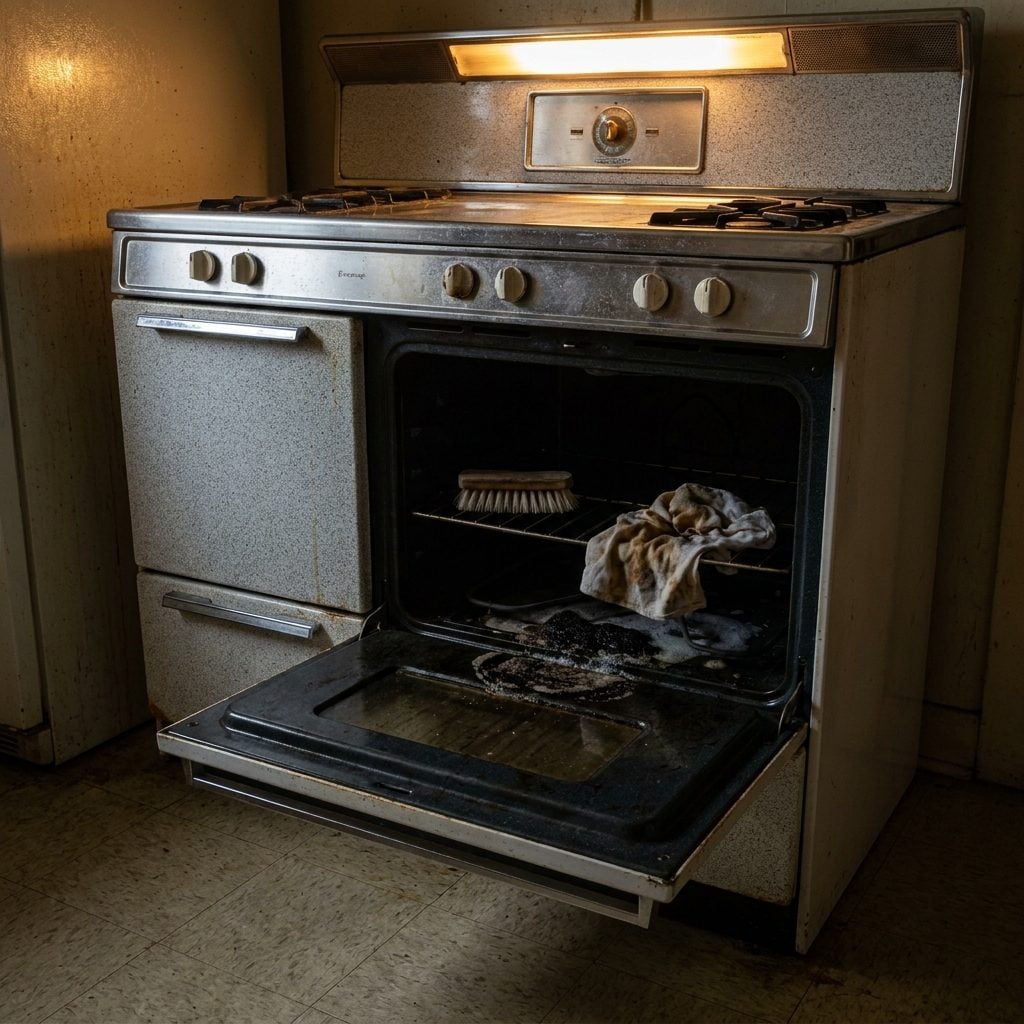
No self-cleaning cycle. Chemical oven cleaners existed, but they didn’t eliminate the part where somebody still had to crouch in front of the oven and scrub away baked-on grease.
Burner parts came off for soaking, enamel surfaces got wiped and scoured as appropriate, and the oven interior demanded patience no matter what product was used. It was one of the least glamorous jobs of the season. When the door finally closed and the kitchen smelled like nothing at all, that was victory enough.
6. Cleaning Behind the Refrigerator and Range
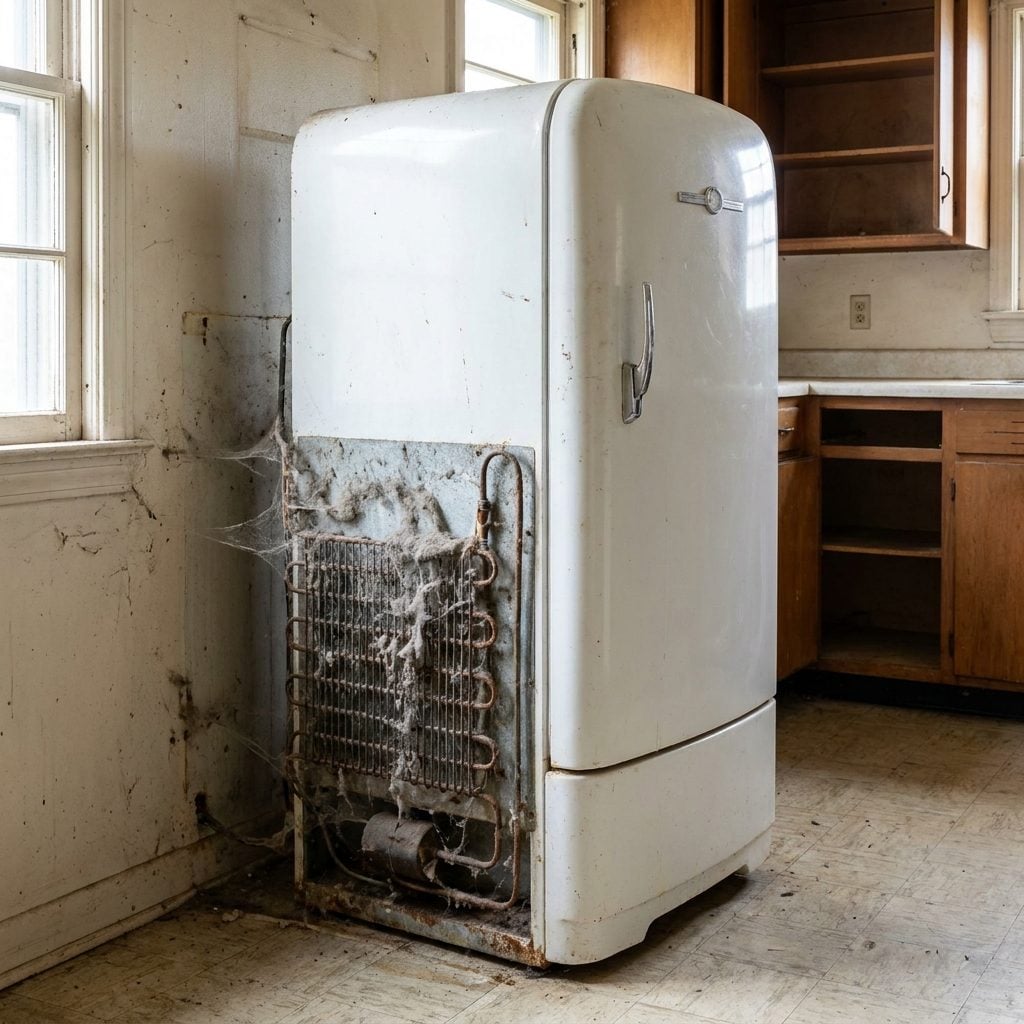
You didn’t know clean until you’d seen what lived behind the fridge. Once a year, sometimes twice, the refrigerator got hauled away from the wall and there it was: a gray felt of dust, a lost bottle cap, and a smell nobody wanted to name. Floor scrubbed, accessible coils dusted, appliance rolled back like nothing had happened.
The range got the same treatment. Grease crept down the sides and collected where the wall met the floor, so cleaning meant kneeling with a rag and hot water, working at residue that ordinary weekly cleaning never reached.
5. Defrosting the Freezer by Hand
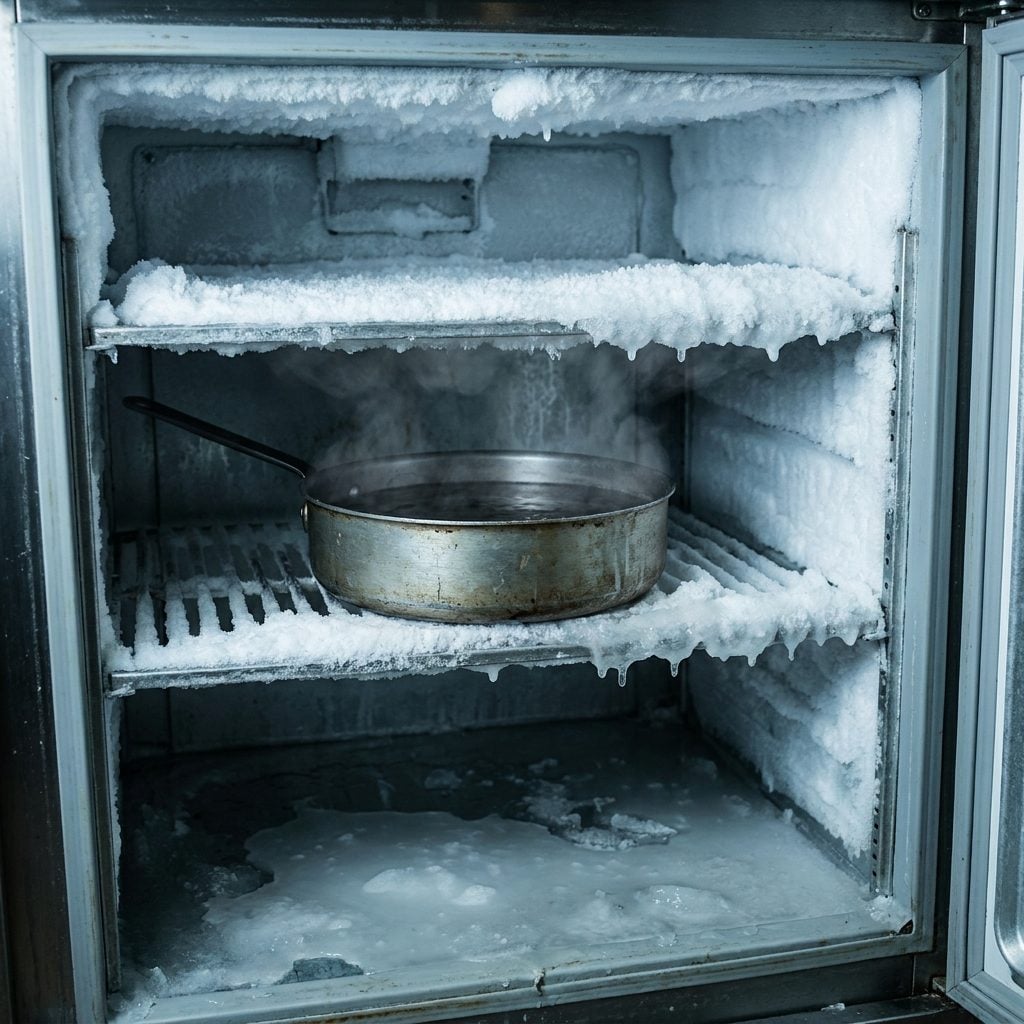
The freezer compartment was a cave of frost. Left alone, the ice crept in from the walls until the little box could barely hold two trays and a package of ground beef. So periodically the whole thing got shut off, the door propped open, and towels laid across the linoleum to catch the meltwater.
Then came the waiting. Some people set a bowl of hot water inside to hurry things along. Others carefully loosened ice as it softened. A slow, damp, faintly ridiculous chore that could consume a morning — because that’s simply how a manual-defrost freezer worked.
4. Scouring Sinks and Bathtubs With Abrasive Powder
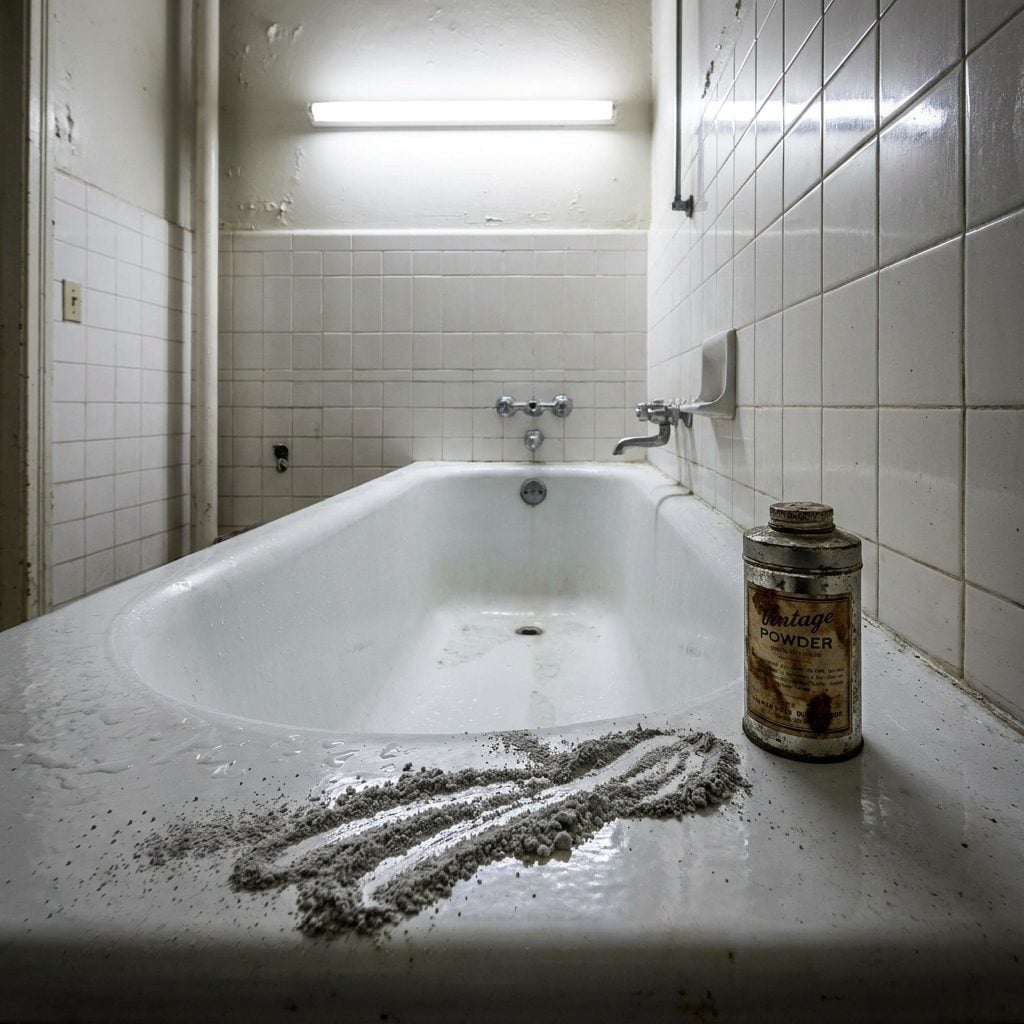
The sound alone could set your teeth on edge. A canister of gritty scouring powder, shaken white across a wet enamel tub, then worked with a rag until the surface squeaked. Rings around the bathtub didn’t stand much of a chance, and neither did the porcelain sink.
The powder could be harsh, especially with enthusiastic scrubbing, but the mechanical abrasion helped loosen stubborn residue. Rinsing everything away to reveal a pale pink bathroom polished for Saturday night had its own peculiar satisfaction.
3. Polishing Chrome, Brass, and Metal Fixtures
🔥 Would you like to save this?
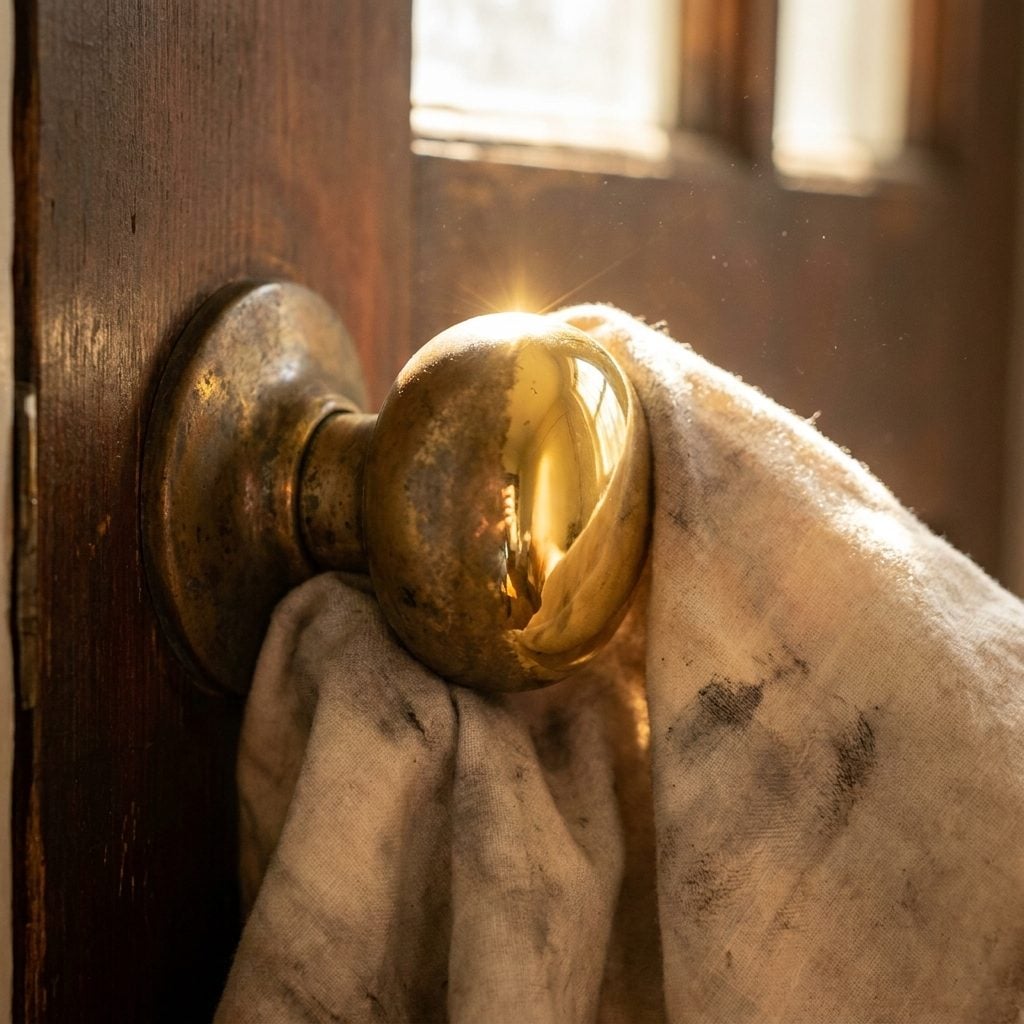
Brass doorknobs told on you. Left alone they went dull and cloudy, and a dull knob in the front hall could feel like a small admission that the household had slipped. So out came the metal polish and a soft rag, and knobs, backplates, faucets, candlesticks, and whatever else could shine got worked over.
Patient work, this. You rubbed the polish on, let it haze, then buffed it away to a warm glow. There’s a reason so many old fixtures still turn up gleaming at estate sales seventy years later. Somebody once cared enough to keep the metal honest.
2. Washing Porches, Steps, and Entryways
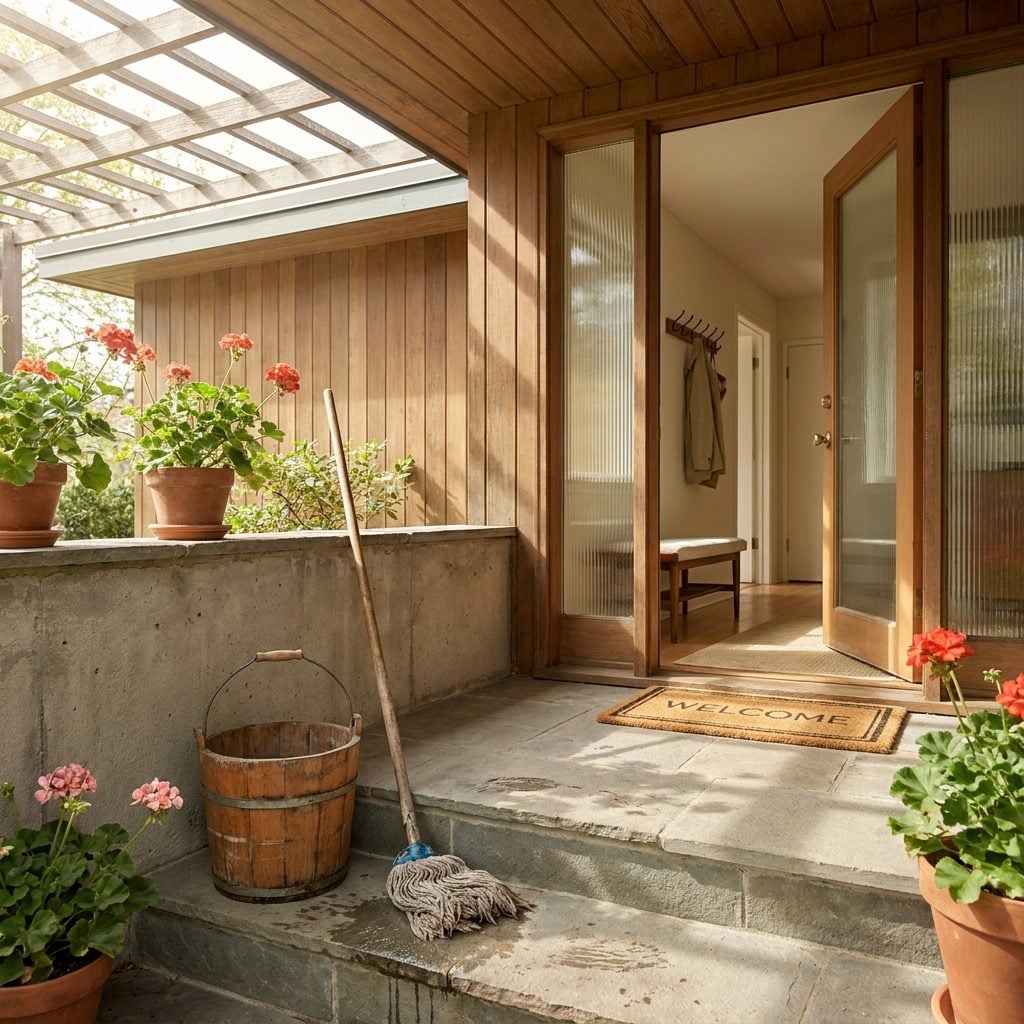
Clean didn’t necessarily stop at the front door. The porch got swept or washed, the steps got the scrub brush, and winter dirt got chased away from the entry. A galvanized bucket of sudsy water might sit on the top step while the coir doormat got beaten and set out to dry.
The front porch was part of the house strangers saw first, so it earned some attention. A swept entry, washed steps, clean mat, and pot of geraniums could announce that spring had reached the outside of the house too.
1. Putting the Entire House Back Together Before Anyone Relaxed

Nobody sat down until the last picture frame was level. The rugs went back into the spots their outlines had worn into the floor, slipcovers got tugged and smoothed, and curtains returned to windows that suddenly seemed twice as bright. Only then, with a vase of cut flowers on the coffee table like a period at the end of a sentence, did the day officially end.
Half labor, half ceremony. A house wasn’t finished merely because the dirt was gone. The rugs had to be down, the furniture back, the curtains hung, the tools put away, and every temporary pile removed.
You can still recognize the appeal. There is something satisfying about an orderly living room after everything has been moved, cleaned, and put back where it belongs. The sofa put right, the lamp back in its corner, a room that finally agrees with itself. After days of dust, buckets, open windows, and aching knees, that was the payoff.