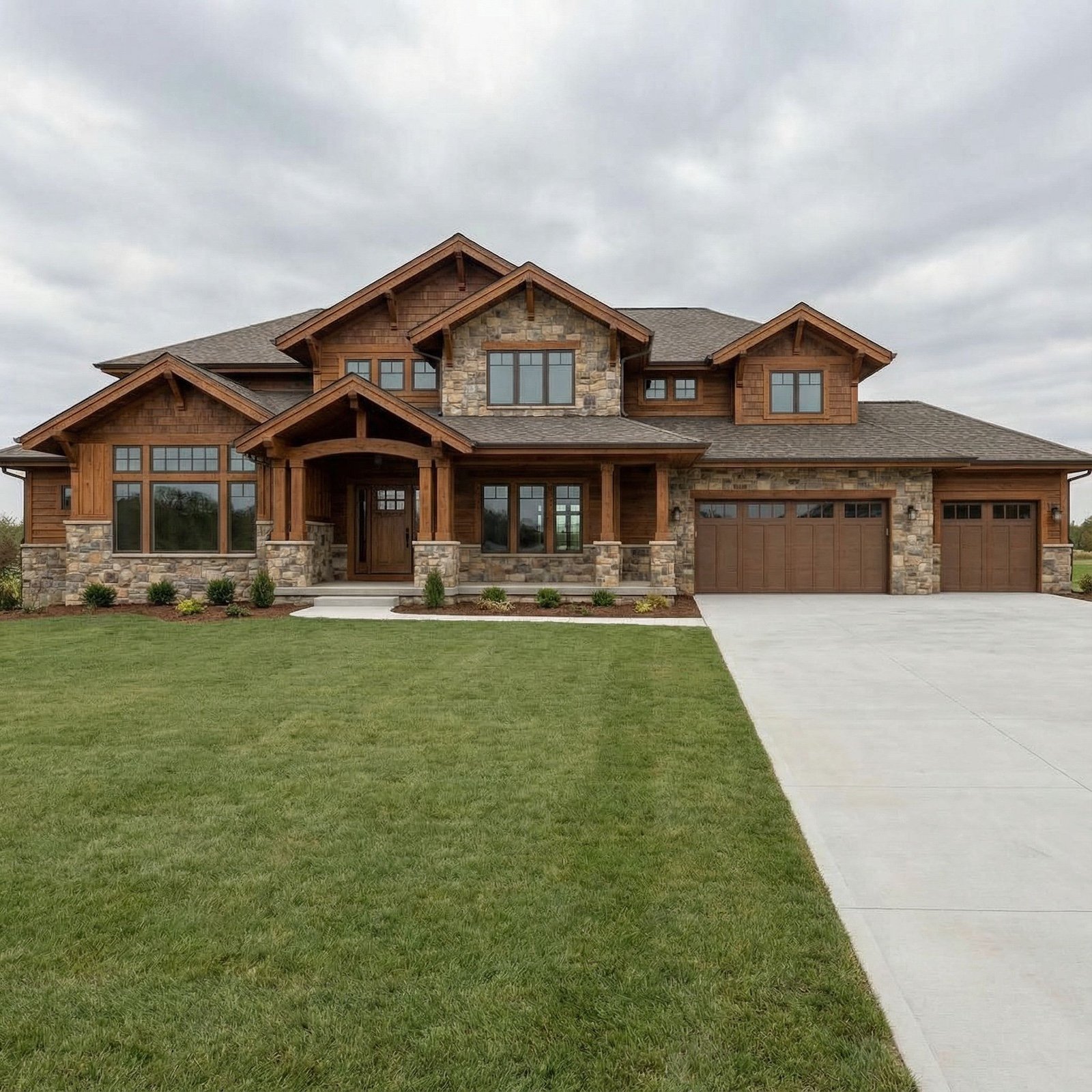
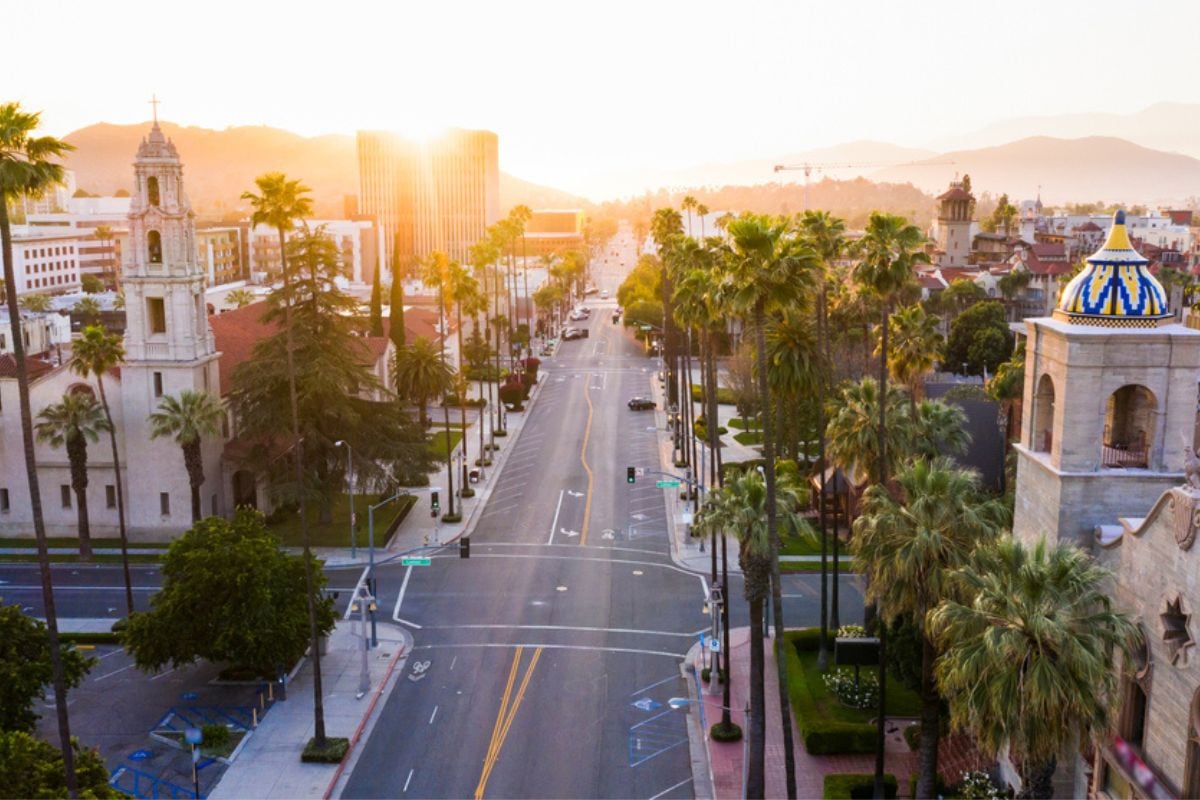
Washington and California share a coastline, not a personality. One shows up in a rain jacket with a thermos and trail map; the other arrives in sunglasses with a smoothie and a calendar full of pop-ups and launch parties. From parking apps to avocado opinions, from basements to beach days, here are 25 little things Californians do that make Northwest Washingtonians blink, laugh, and ask, “Wait…why?”.
In order to come up with the very specific design ideas, we create most designs with the assistance of state-of-the-art AI interior design software. Also, assume links that take you off the site are affiliate links such as links to Amazon. this means we may earn a commission if you buy something.
25. Saying “the 5”
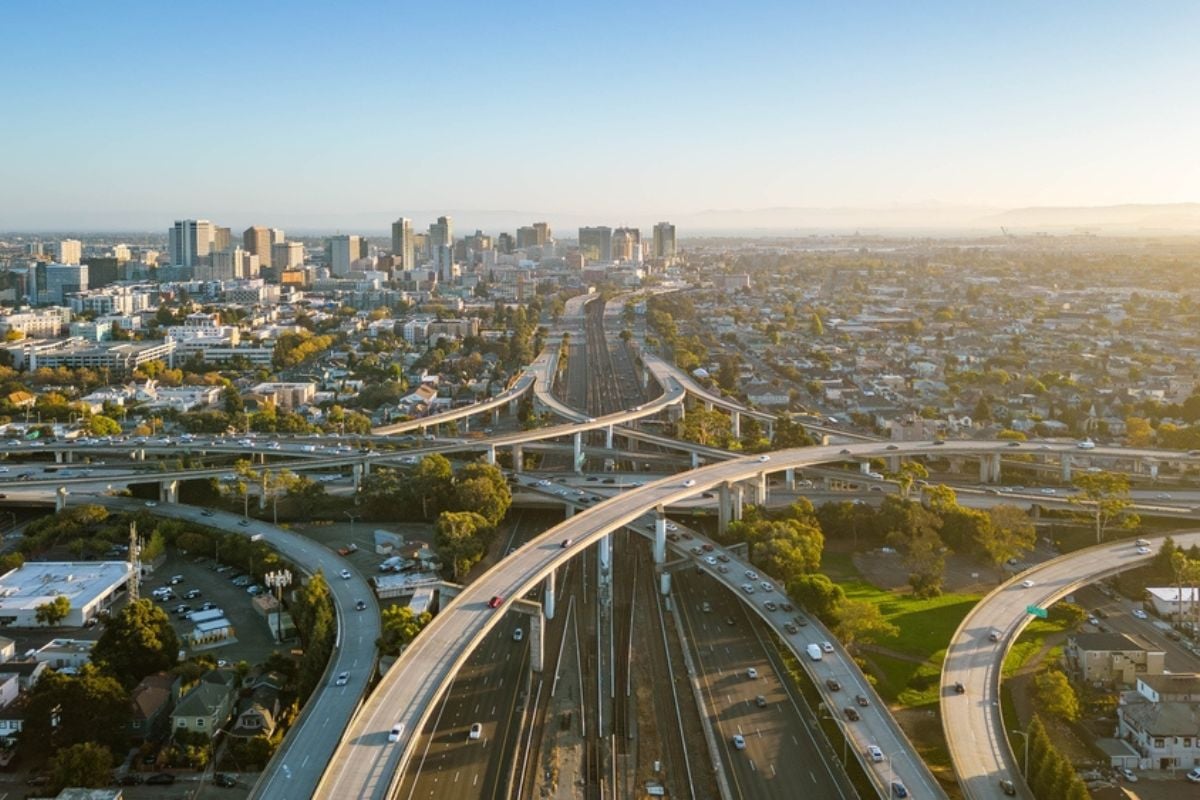
Californians say “the 5” or “the 101,” like the roads have stage names. Washingtonians just say I‑5 or I‑90 and keep driving. That one extra word makes highways sound like celebrities.
24. Avocado on Everything
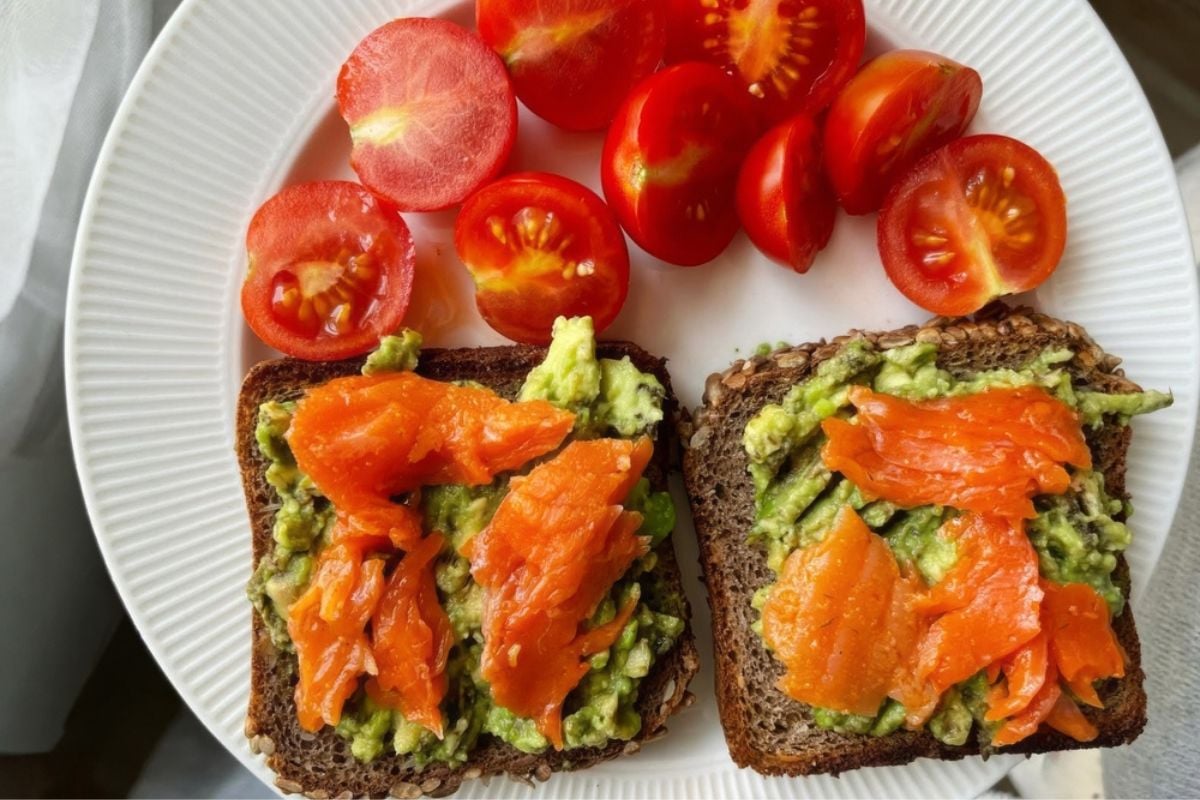
Avocado shows up on toast, tacos, salads—pretty much every plate. Californians call it creamy and healthy; Washingtonians call it extra. Not every meal needs a scoop of green.
23. Weather Rules the Plan
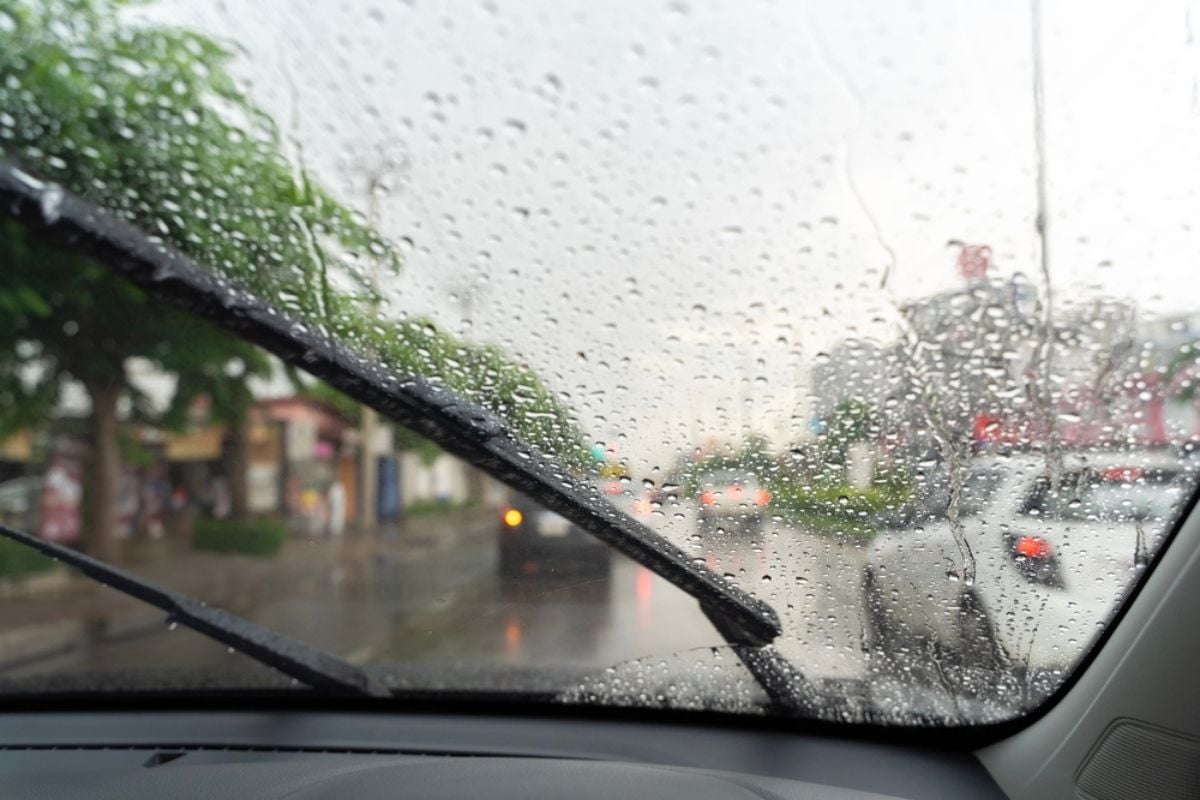
If it dips below 60° or a marine layer rolls in, plans can change fast. Washingtonians wear a jacket and go anyway. Drizzle is background noise, not a red light.
22. Driving Forever for a Beach Day
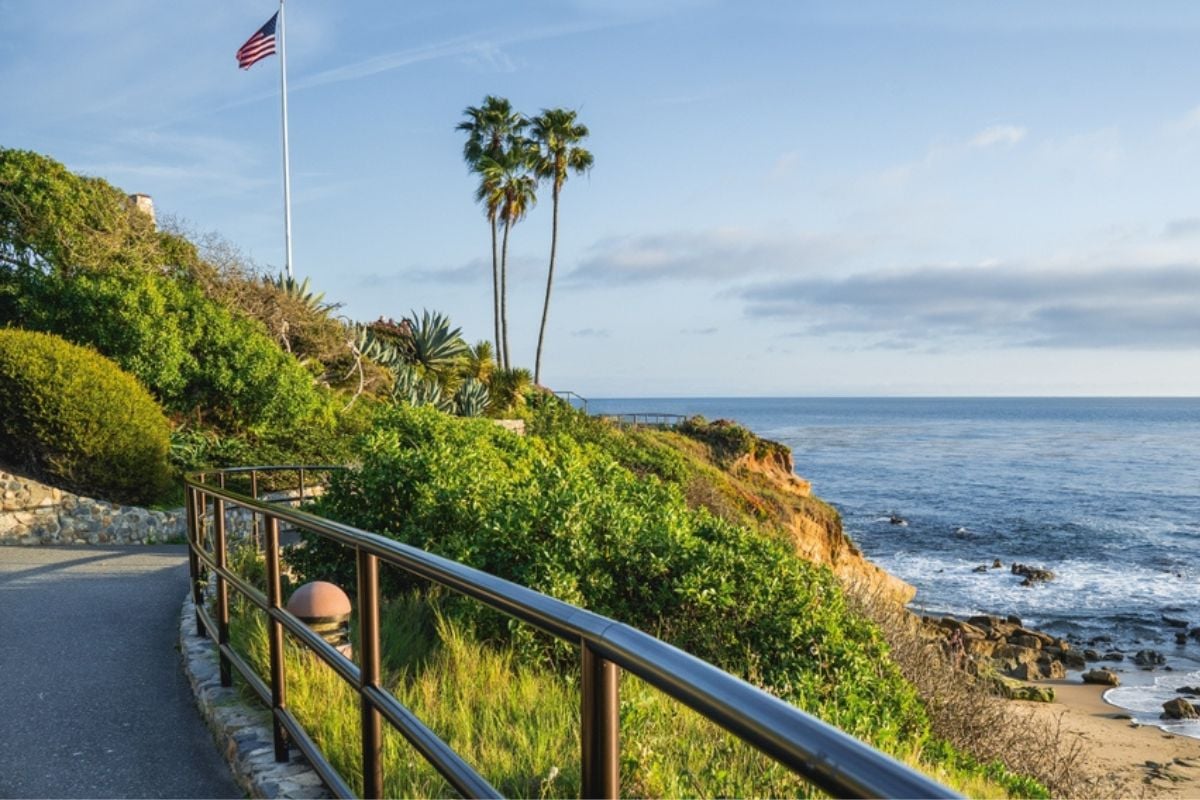
Many Californians will sit in traffic for hours to catch one sunset photo. Washingtonians pick a nearby lake, trail, or ferry and start the fun sooner. The trip shouldn’t be longer than the good time.
21. “Hella” Everything
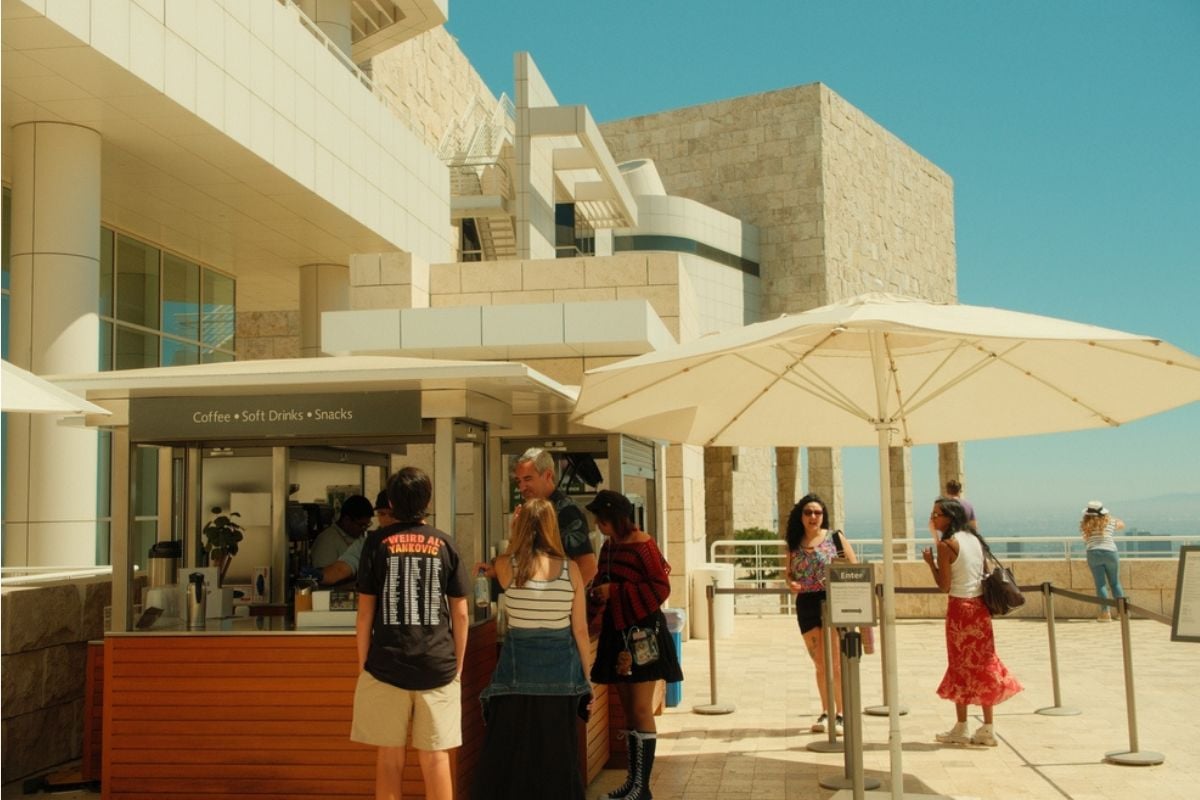
In Northern California, “hella” is the volume knob for every sentence. It means “very,” but louder. Washingtonians hear it and smile, then reach for coffee.
20. Earthquake Small Talk
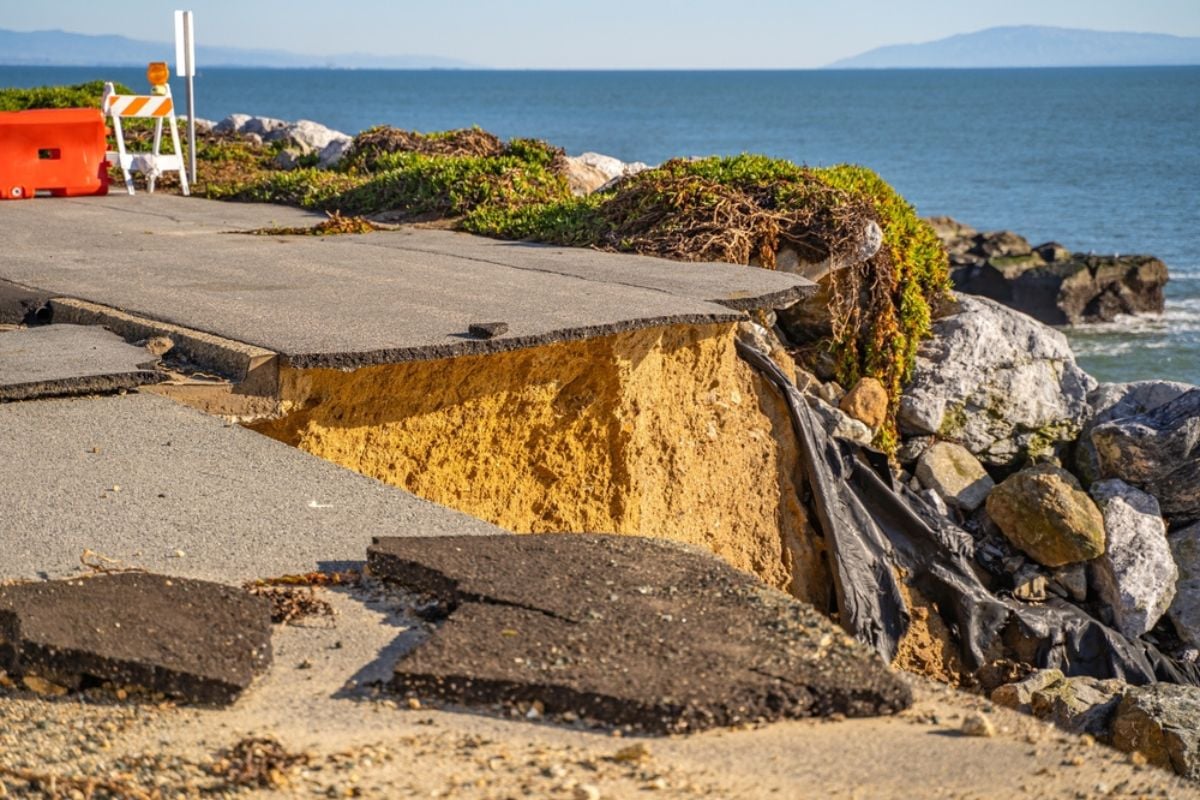
People compare aftershocks like weather reports and trade tips on strapping bookshelves. It’s normal to ask, “Did you feel that?” over breakfast. Washingtonians know quakes, but not at brunch.
19. Wildfire Season = A Schedule
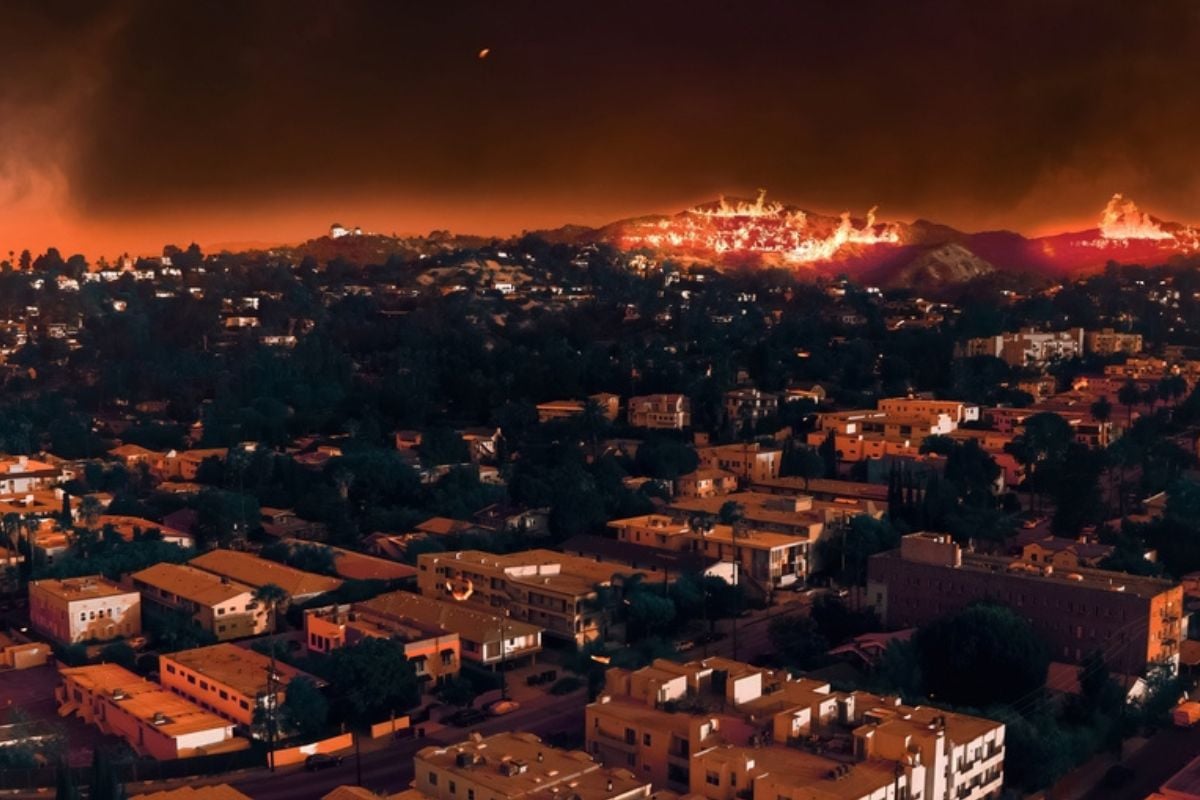
Air‑quality apps sit on home screens, and purifiers hum like pets. Plans shift based on wind and smoke maps. Washingtonians see smoke some summers, but it’s not a full‑time strategy.
18. Working Out as Hangout

Sunrise yoga, canyon runs, and beach bootcamps count as friend time. The workout is the plan, not the warm‑up. Washingtonians prefer quiet trails and a latte after.
17. NorCal vs. SoCal
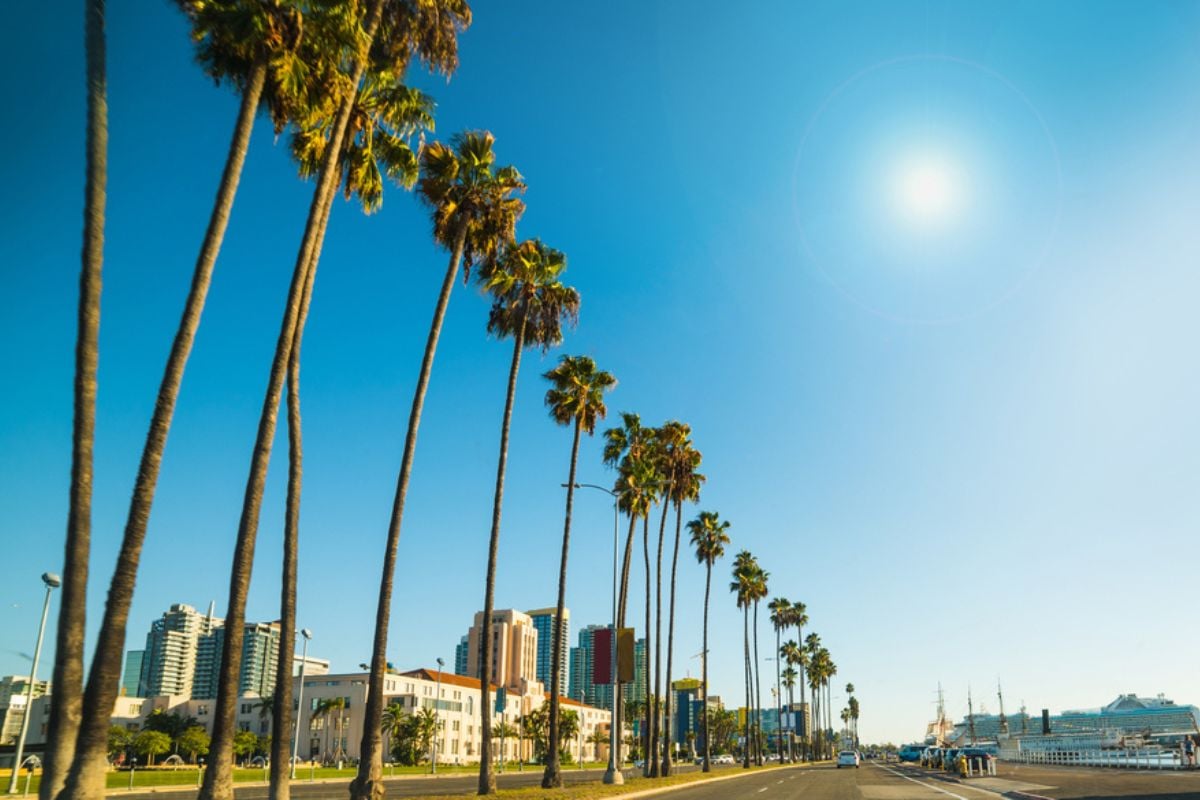
One state, two teams: burritos vs. tacos, fleece vs. flip‑flops, “hella” vs. “dude.” People act like there’s a border at the middle. Washingtonians just see “California” and wonder why snacks started a civil war.
16. Celebrity at the Grocery Store
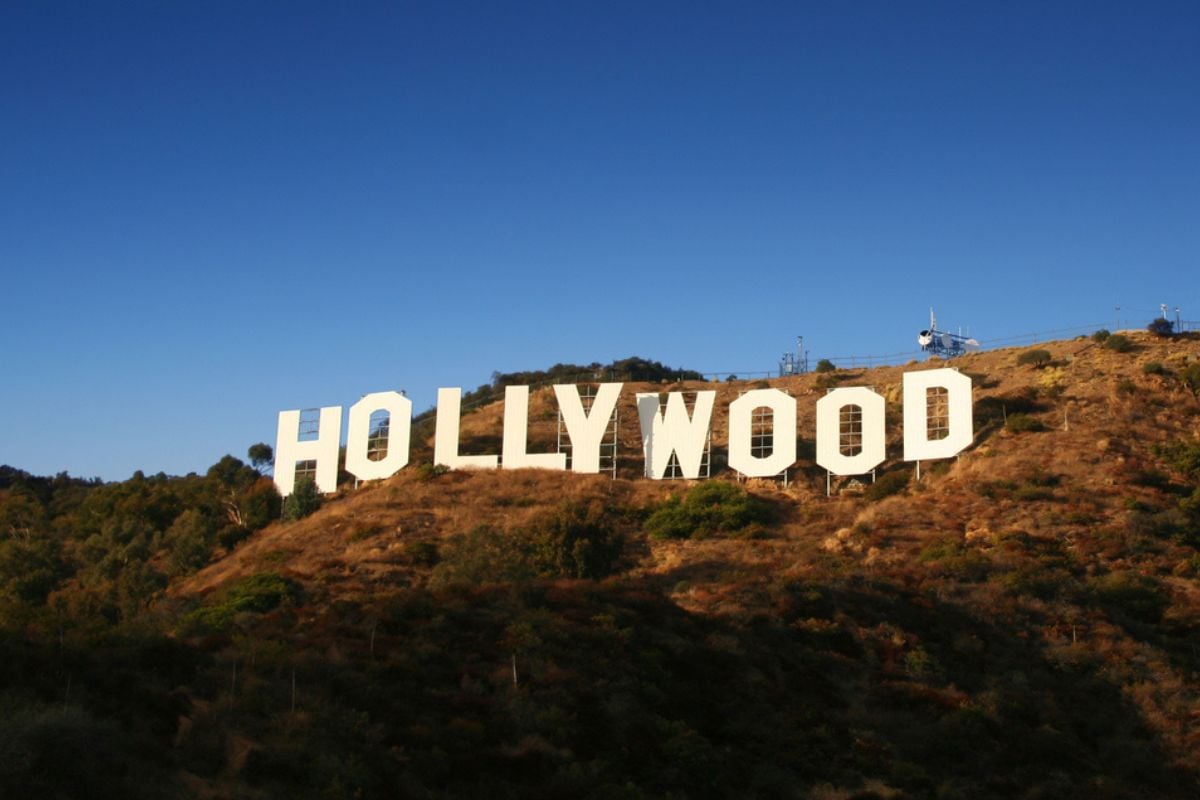
Spotting a movie star at Erewhon is a normal errand story. Everyone pretends not to stare while buying $8 oranges. In Washington, seeing a local anchor at Dick’s isn’t breaking news.
15. Freeway Ballet
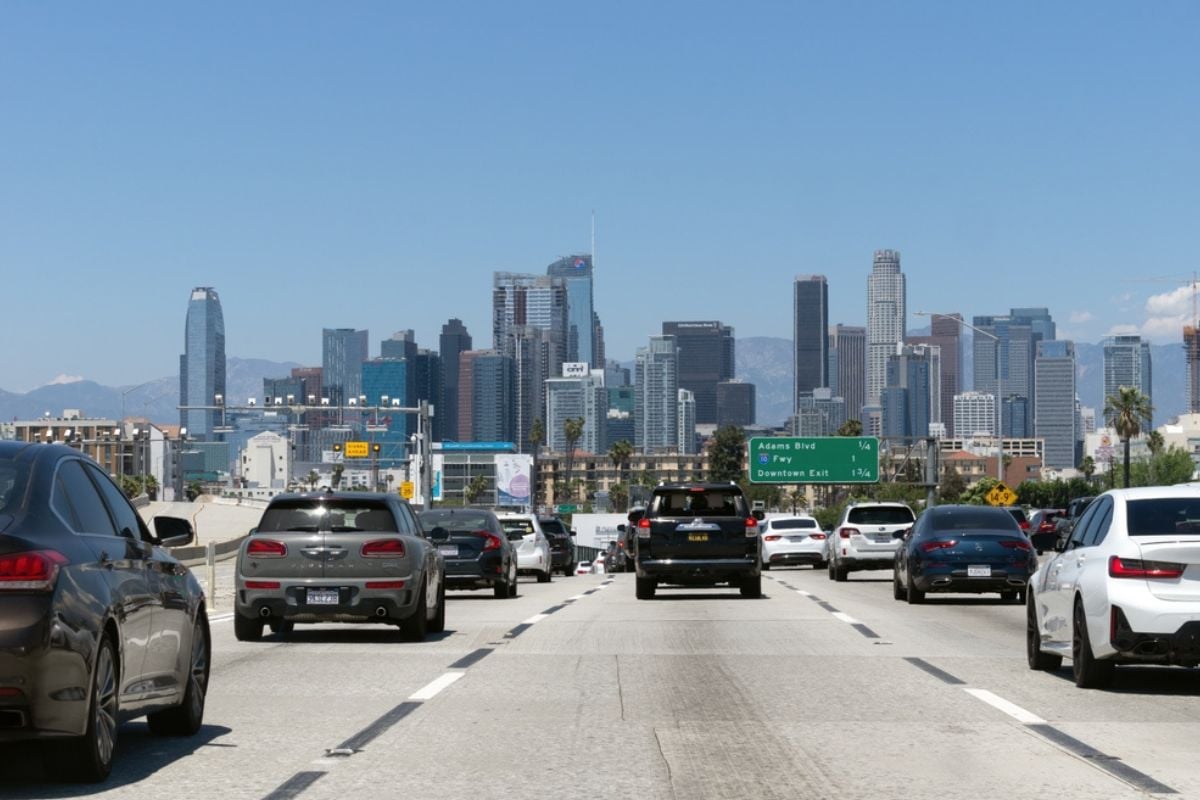
Merging takes speed, timing, and nerves of steel. Miss your exit and you’re stuck for miles. Washingtonians expect a little space after a blinker; in California, the signal often means, “I’m coming over—make room.”
14. No Basements
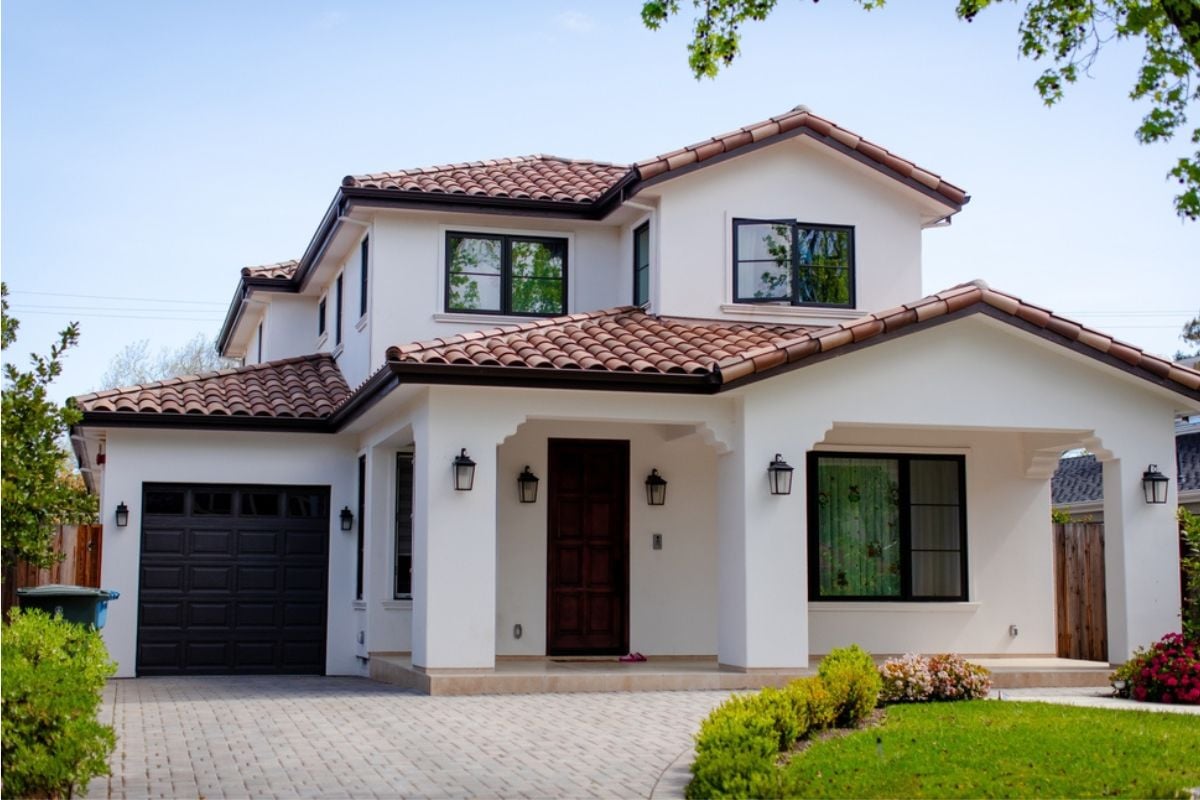
Gear lives in the garage, the closet, or not at all. Washingtonians ask, “Where do the tents, skis, and holiday bins go?” A basement isn’t fancy—it’s storage that saves the day.
13. Yards That Don’t Drink Rain
🔥 Would you like to save this?
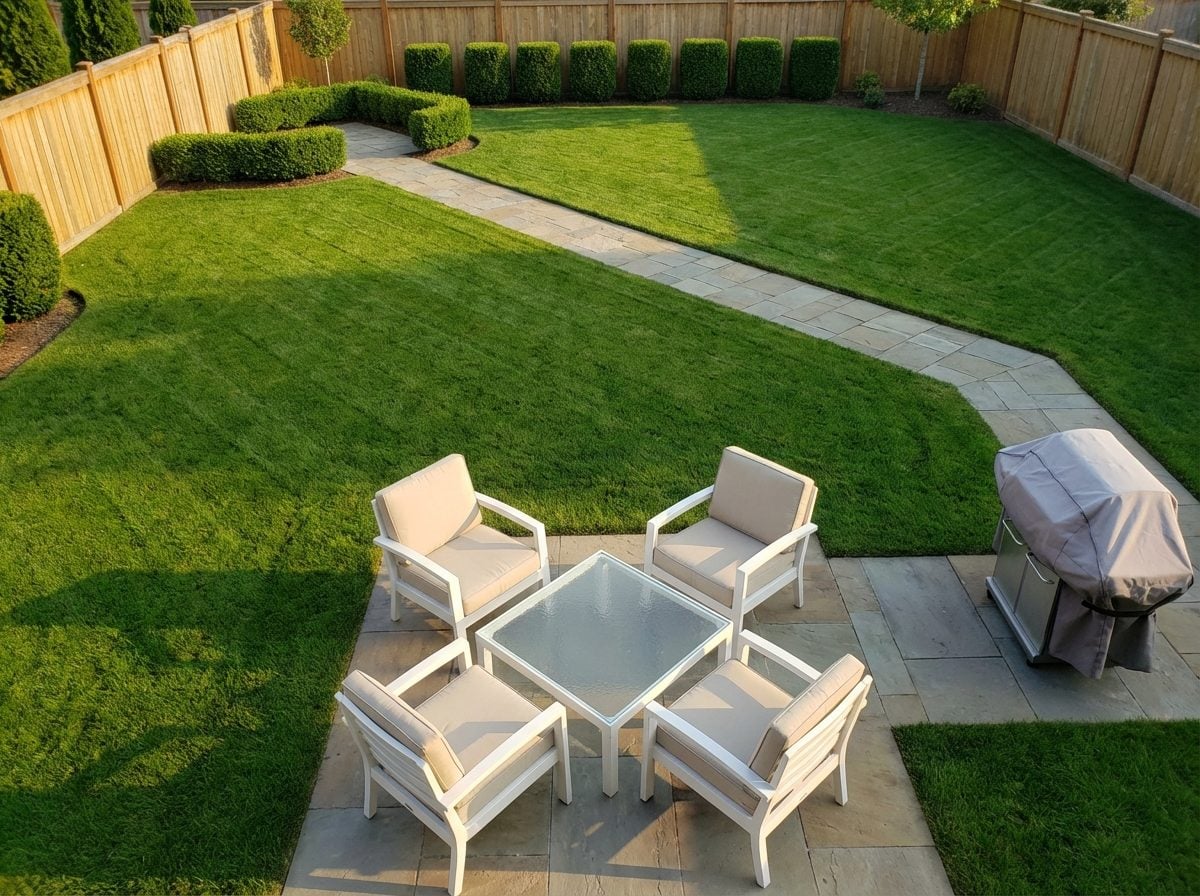
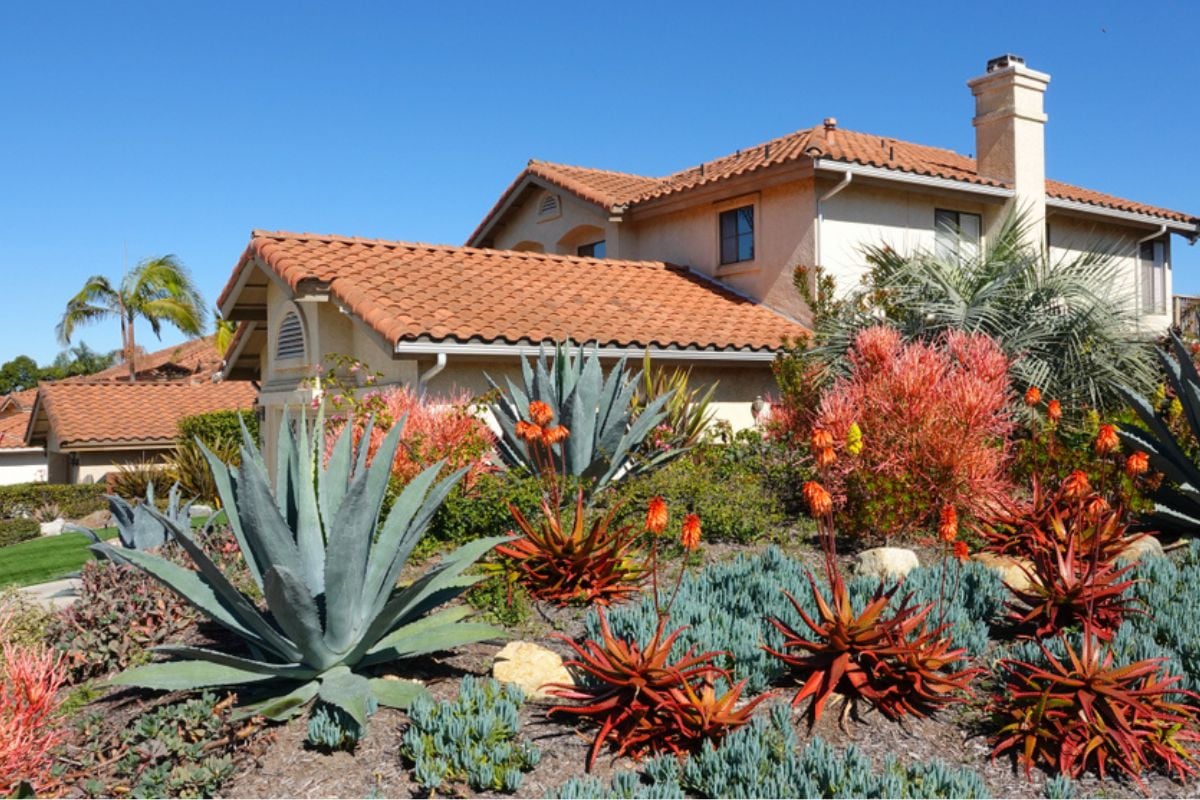
Rocks, gravel, and succulents replace thirsty lawns. It’s tidy and drought‑smart, but looks like a modern art project. Washington yards fight moss and ferns, and the sky helps water them.
12. Paying Sunshine Prices
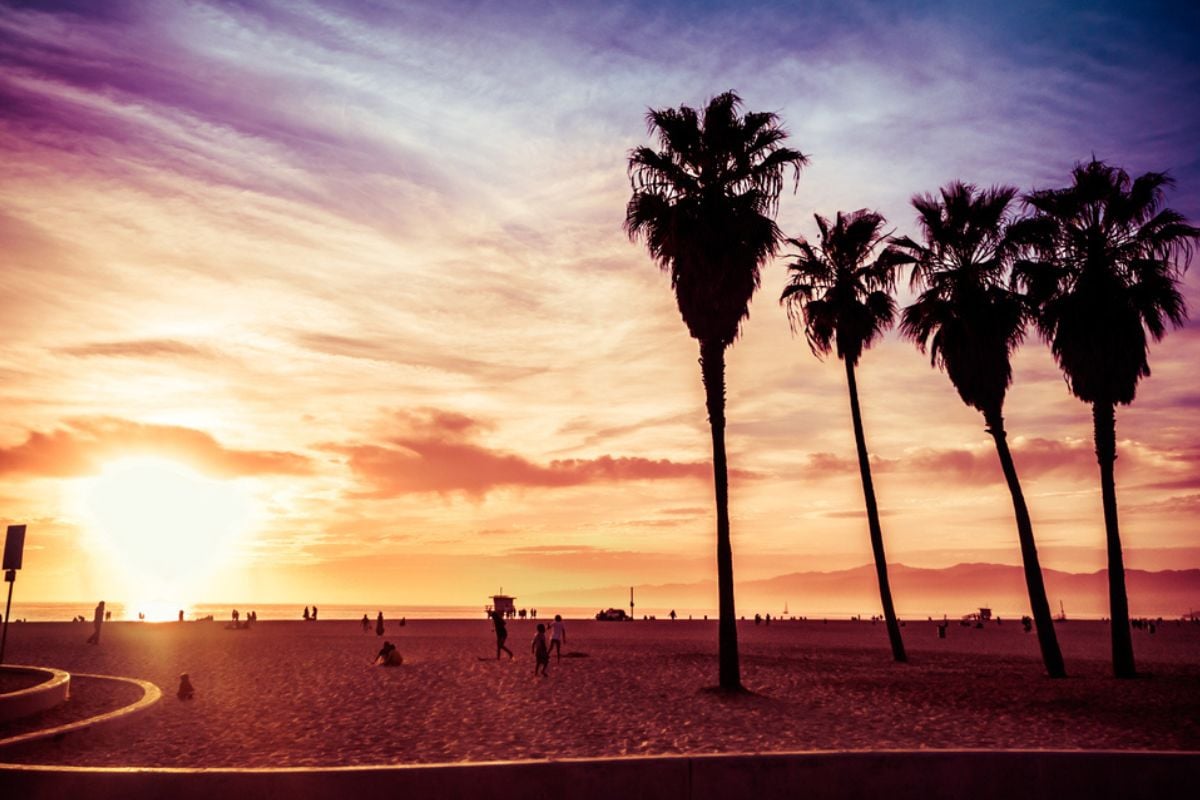
Plans, moods, and even rent seem to orbit the sun. One bright day can flip the whole week’s schedule. Rent is sky‑high, even for small places with no parking. Californians call it the “sunshine tax.” Washingtonians enjoy sunshine too, but they don’t build life around it.
11. Tiny Homes, Huge Price Tags
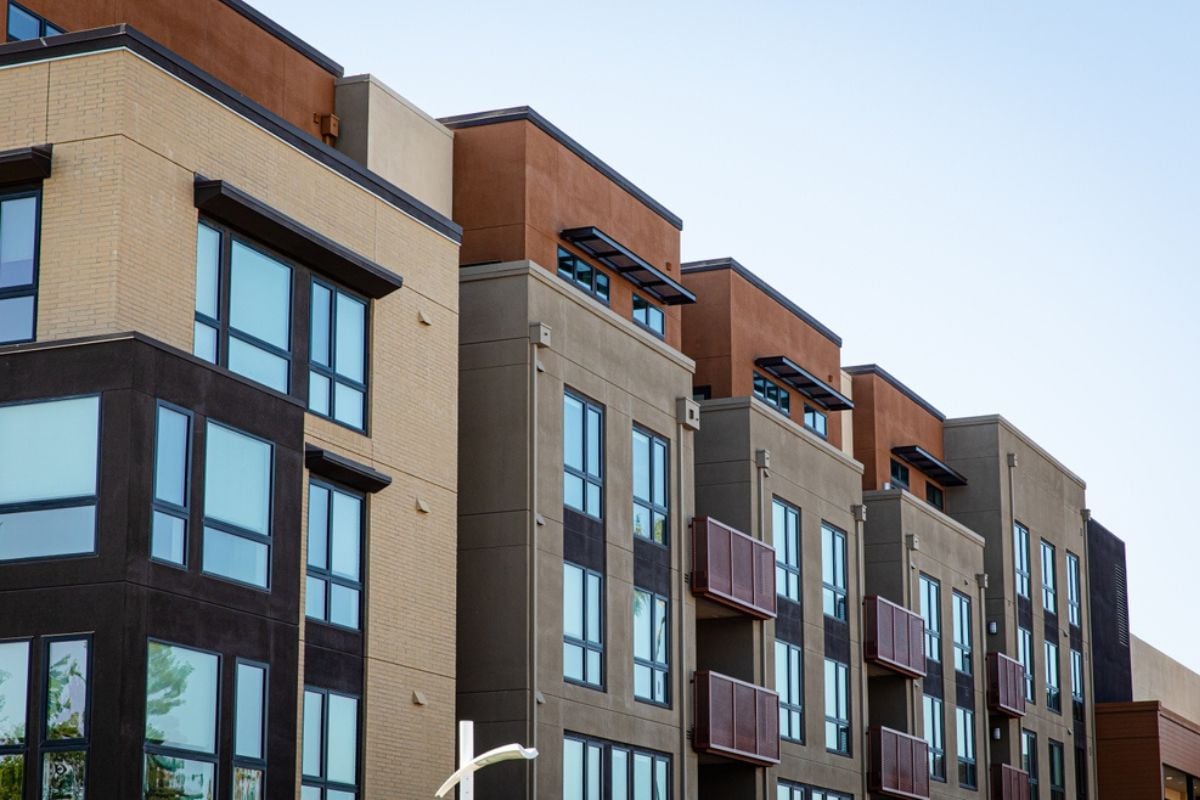
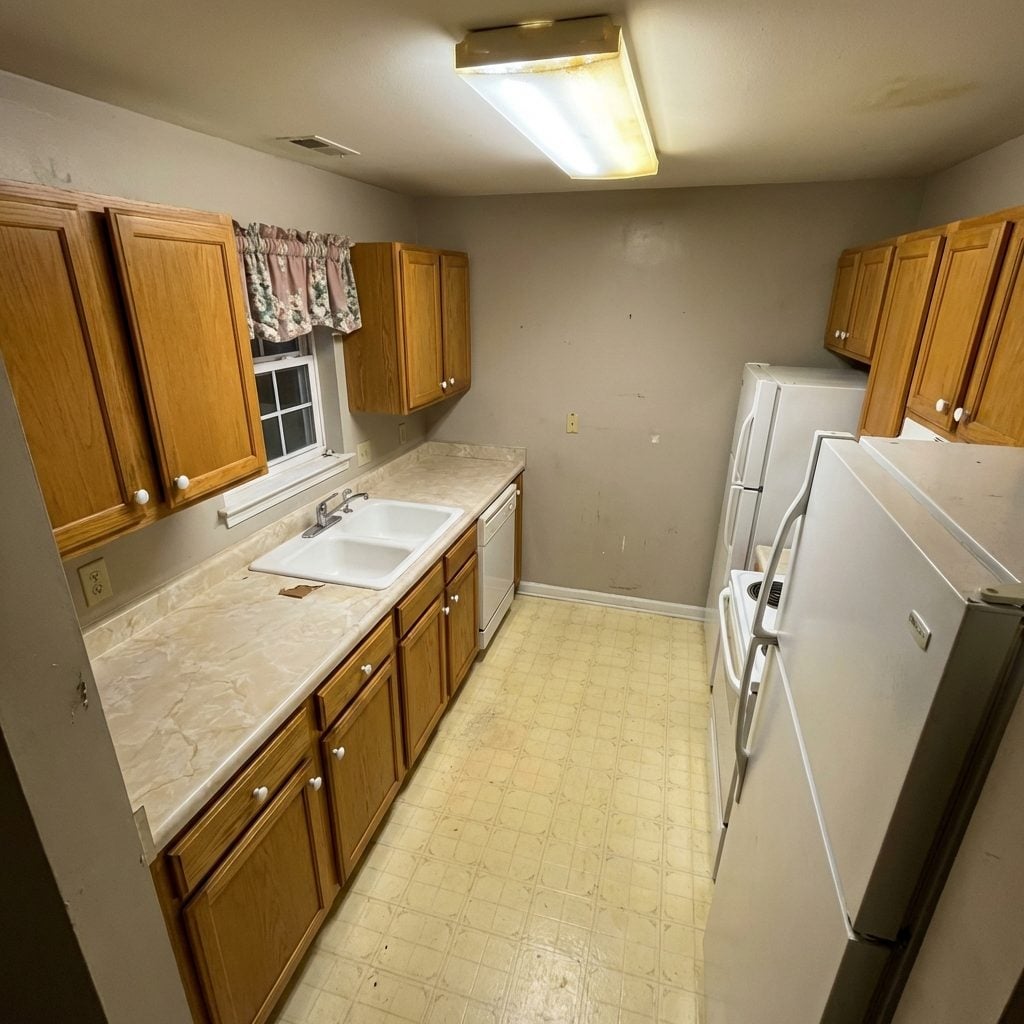
Studios get listed like luxury castles because they have a bay window. Washingtonians see the price and assume it includes the whole floor. A nice view isn’t a bedroom.
10. Farmers Markets All Year
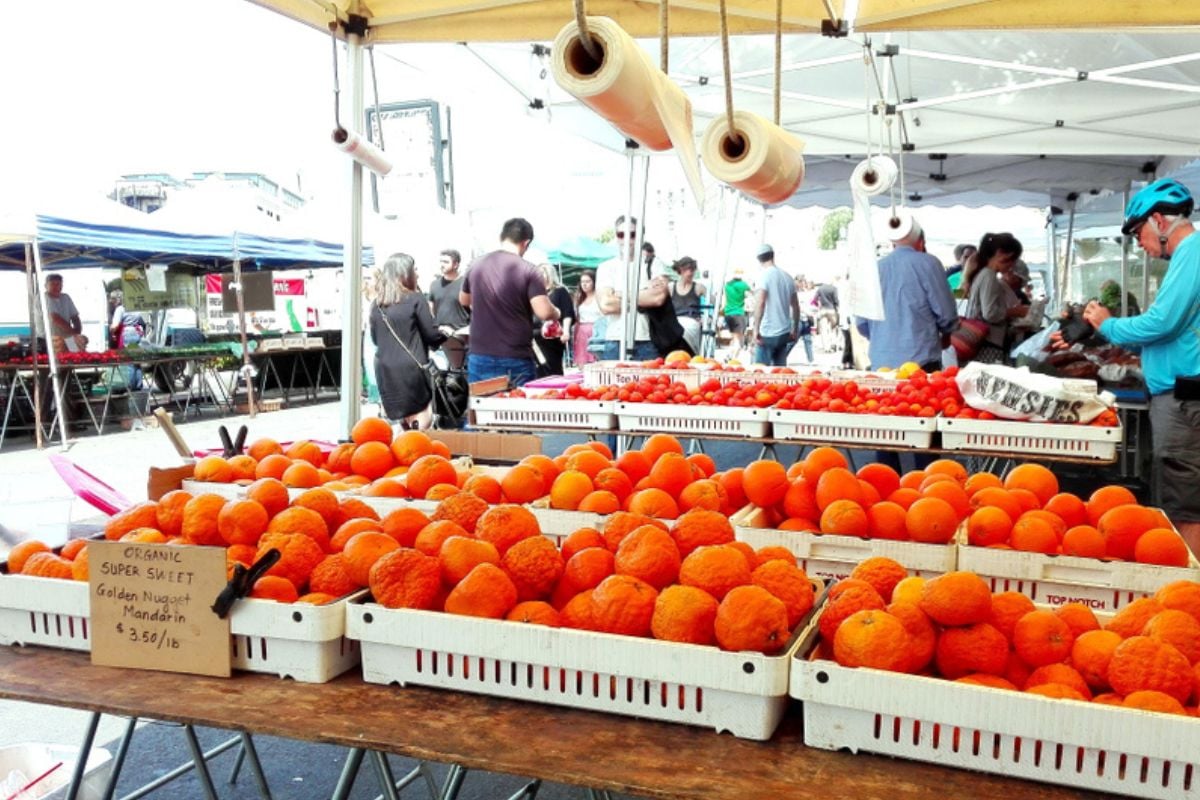
Strawberries in March and citrus in January are normal in many parts of California. Washingtonians wait for July berries because that’s when flavor explodes. Fresh should match the calendar, not the hype.
9. Big Wellness Energy

Cold plunges, adaptogens, and sound baths show up on weekday schedules. There’s a class and a subscription for everything. Washingtonians stick to coffee, rain, and maybe a sauna—simple still works.
8. Networking Everywhere

Every coffee can turn into a pitch, and every hike can become a collab. People swap LinkedIns faster than names. Washingtonians talk trails and code first, work second.
7. California’s Latino Heartbeat
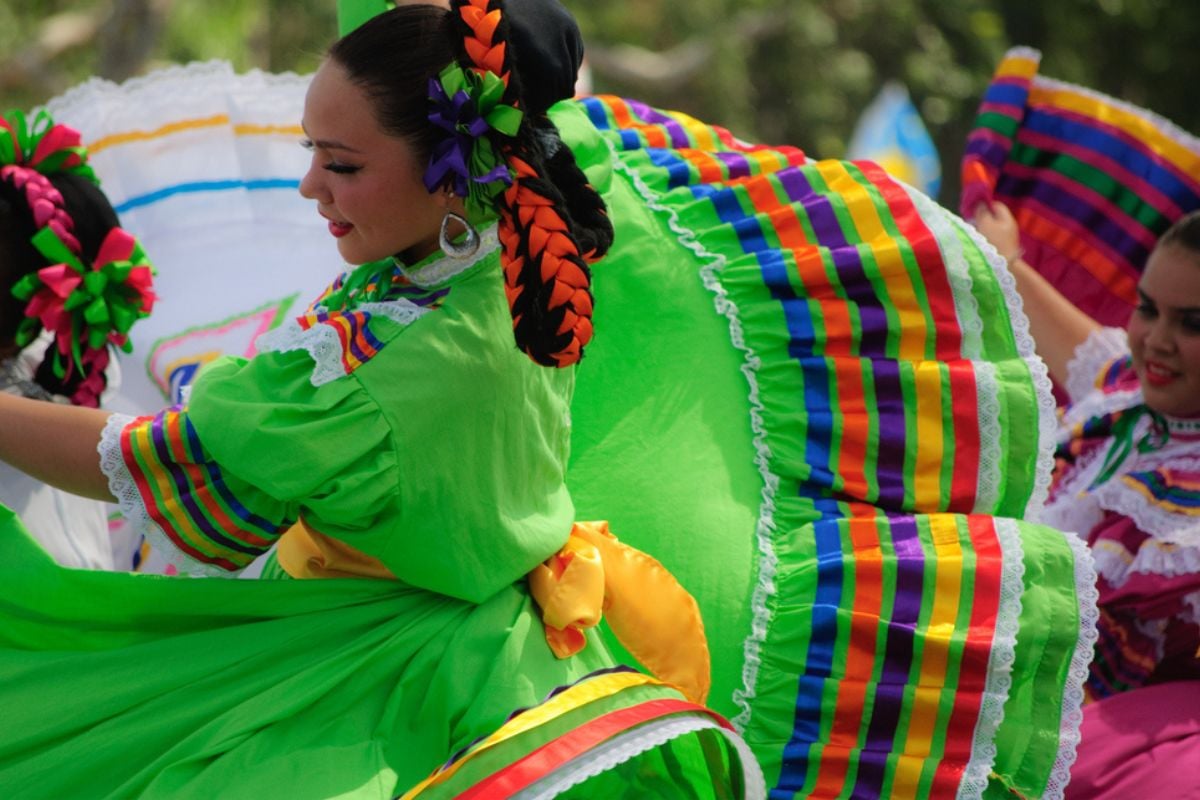
In California, Spanish is part of daily life—on storefronts, at festivals, and in the music you hear on the street. Panaderías, taco stands, lowrider cruises, quinceañeras, and mariachi nights aren’t “special events”; they’re the weekend plan. Washington has strong Latino communities too, but California’s scale makes the influence show up everywhere.
6. In‑N‑Out Pilgrimages
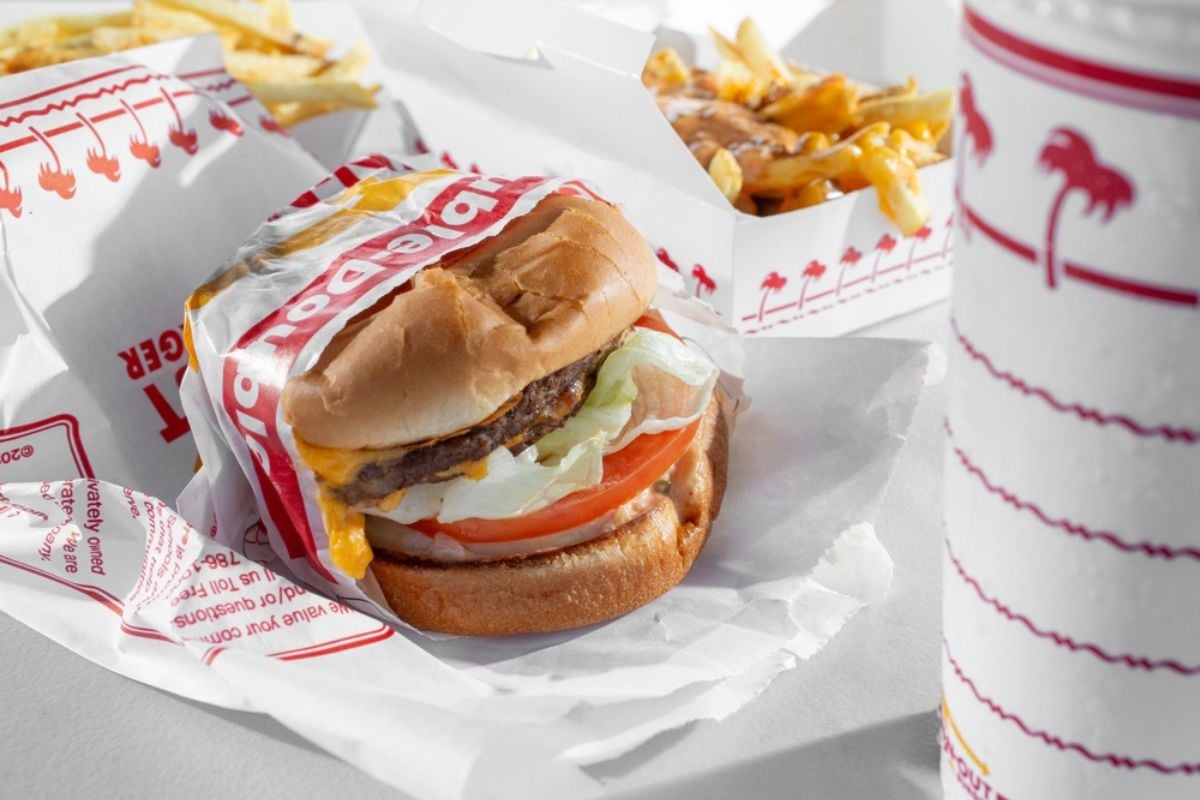
People wait in long lines like it’s a concert to order Animal Style. Washingtonians point to teriyaki spots or Dick’s Drive‑In and eat in five minutes. A sauce doesn’t need a fan club.
5. “Ski and Surf in One Day” Flex
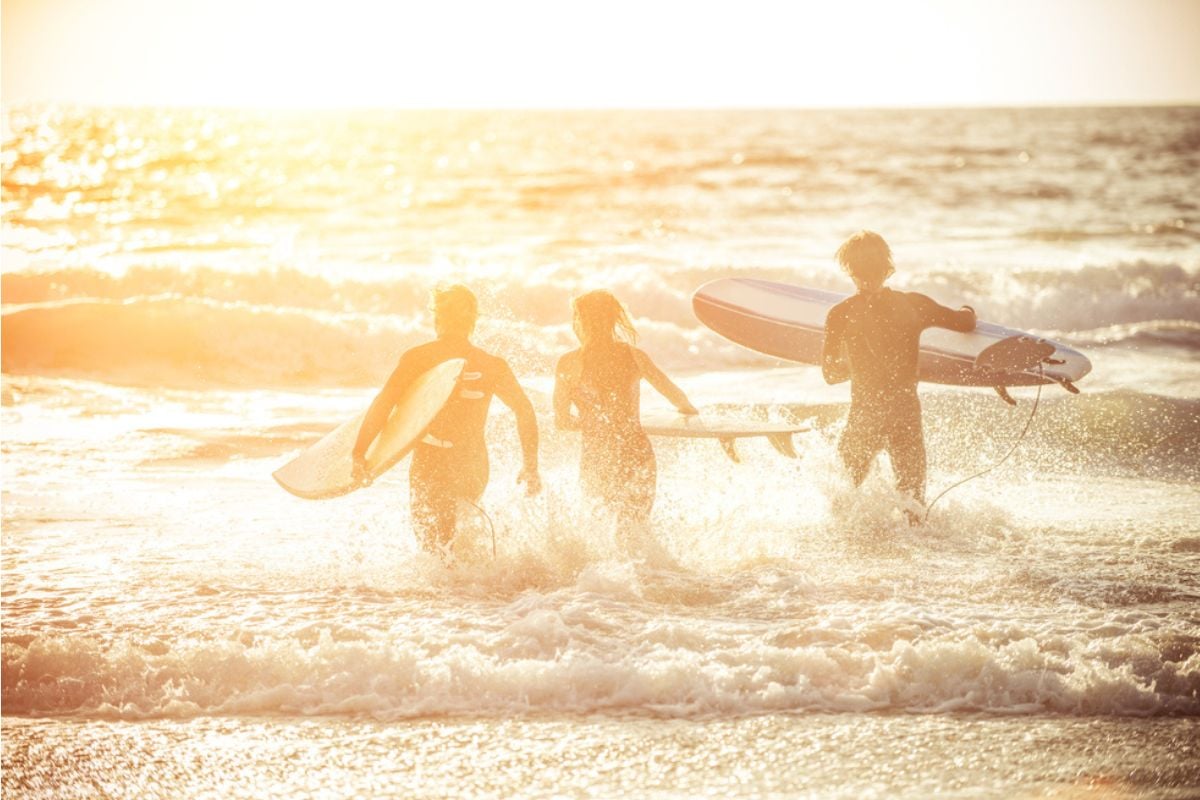
It’s the favorite brag—even if it’s tiring and burns a half tank of gas. Washingtonians ski deep and call it a day, because that’s already awesome. Fun shouldn’t require three hours of traffic.
4. Six Lanes, Still Stuck
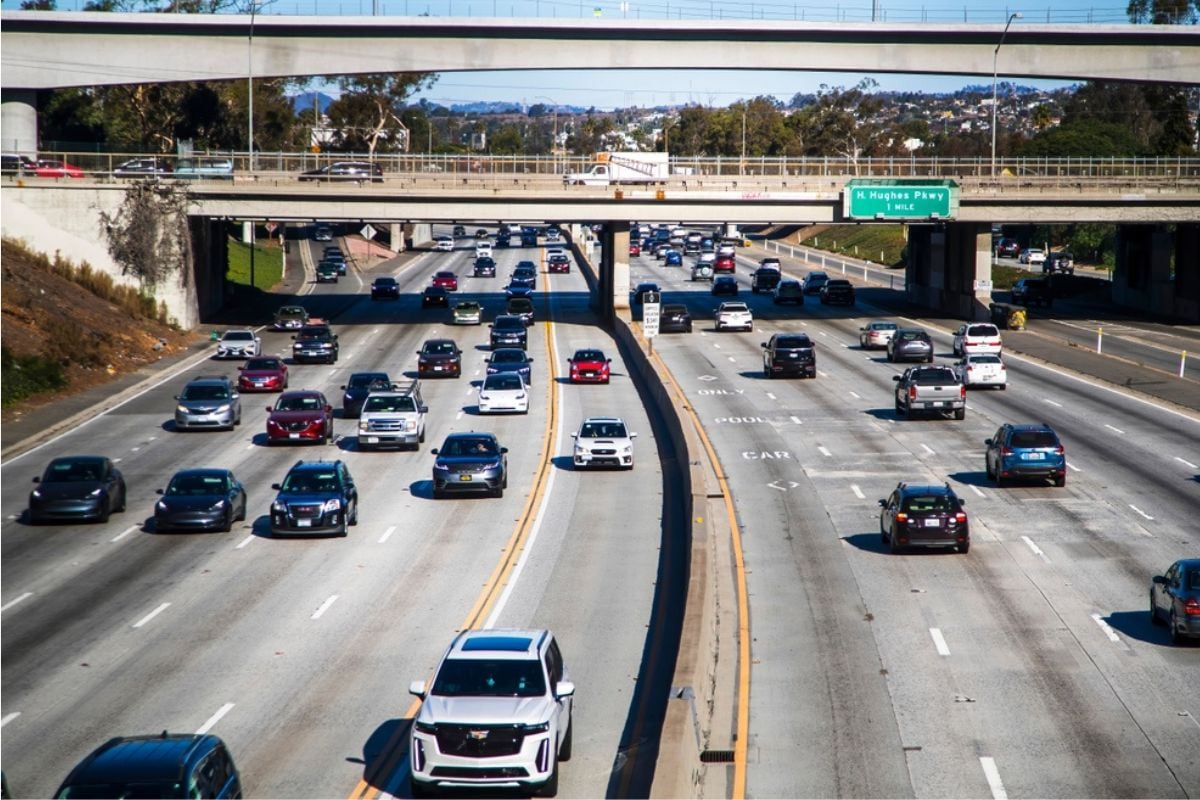
More lanes don’t always mean faster trips; the 405 can feel like a slow parade. You can finish a podcast before the next exit. Washingtonians ask, “Why add lanes if it doesn’t help?”
3. Good Deeds, Good Lighting

In SoCal—especially LA—beliefs arrive with ring lights, captions, and a link in bio. People champion a cause, then nudge you to follow the movement (and them), because the algorithm marches too. It’s sincere, just glossy—the message comes bundled with merch, metrics, and a Reel.
2. Paying to Park… Everywhere
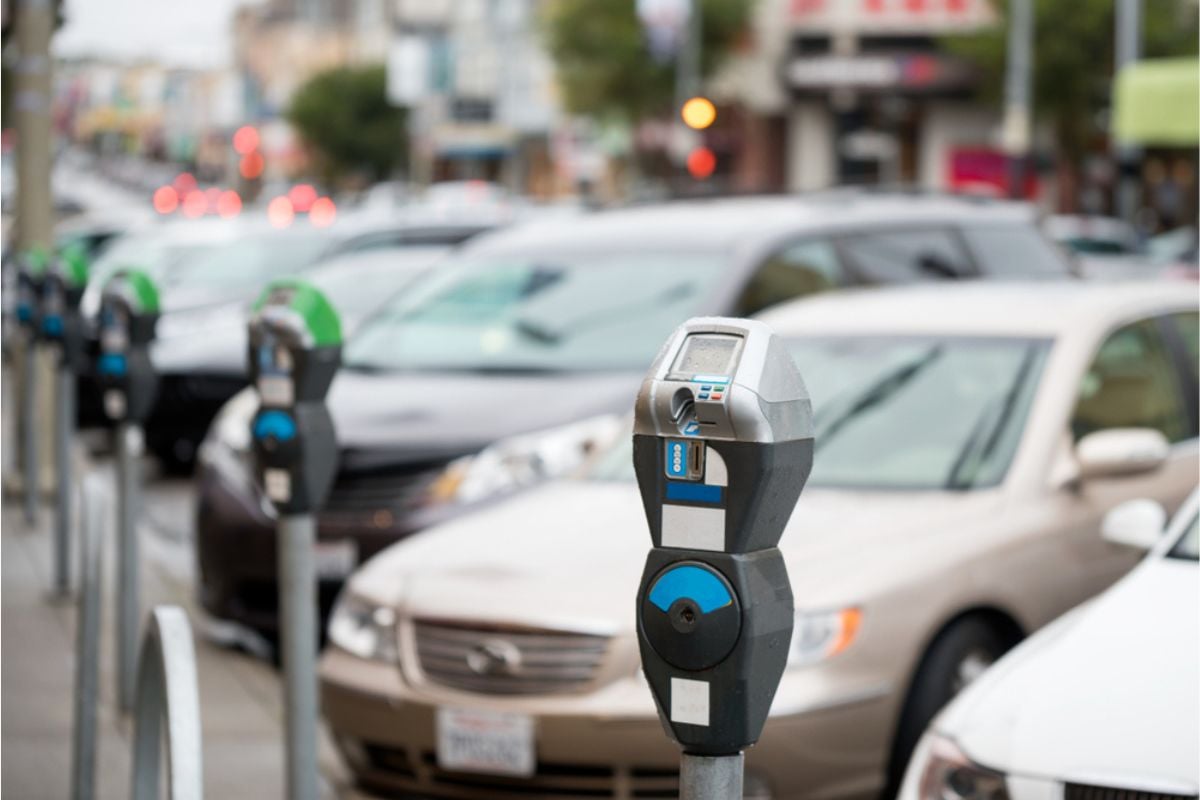
Beaches, trailheads, and mall lots all want your app and your cash. Scan the code or risk a ticket. Washingtonians will parallel park on a hill for free and feel proud.
1. One State, Two Worlds
🔥 Would you like to save this?
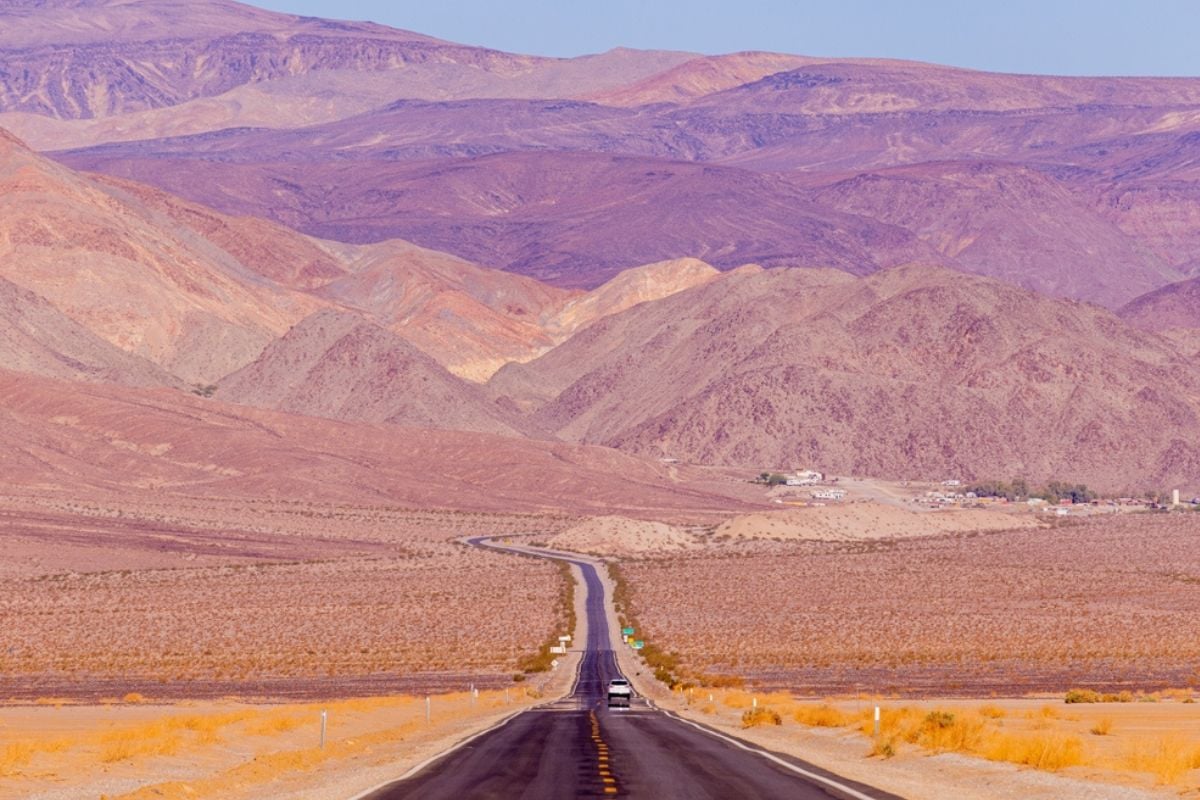
Two ZIP codes in California can seem as far apart as two different states. California is huge and wildly varied—deserts, mountains, farms, and big cities all share one map. Different jobs and histories shape each place, so politics, prices, and culture can feel completely opposite from one town to the next.