New Orleans and Houston sit just a few hours apart, but living in each city teaches you completely different instincts. New Orleans moves at a slower rhythm, steeped in tradition, culture, and history, while Houston powers forward with freeways, sprawl, and relentless growth.
In order to come up with the very specific design ideas, we create most designs with the assistance of state-of-the-art AI interior design software. Also, assume links that take you off the site are affiliate links such as links to Amazon. this means we may earn a commission if you buy something.
To New Orleanians, Houston can feel oversized, over-engineered, and over-air-conditioned — yet there’s no denying its reach. Rockets take off from Houston, global cuisines land on every block, and a rodeo can pull a crowd bigger than Mardi Gras day in Mid-City.
One thrives on preservation, the other on expansion, and the gap between them is wide enough to spark endless comparisons. Here are 25 Houston habits and quirks that leave New Orleanians puzzled, amused, and sometimes, grudgingly impressed.
25. The Never-Ending Freeways
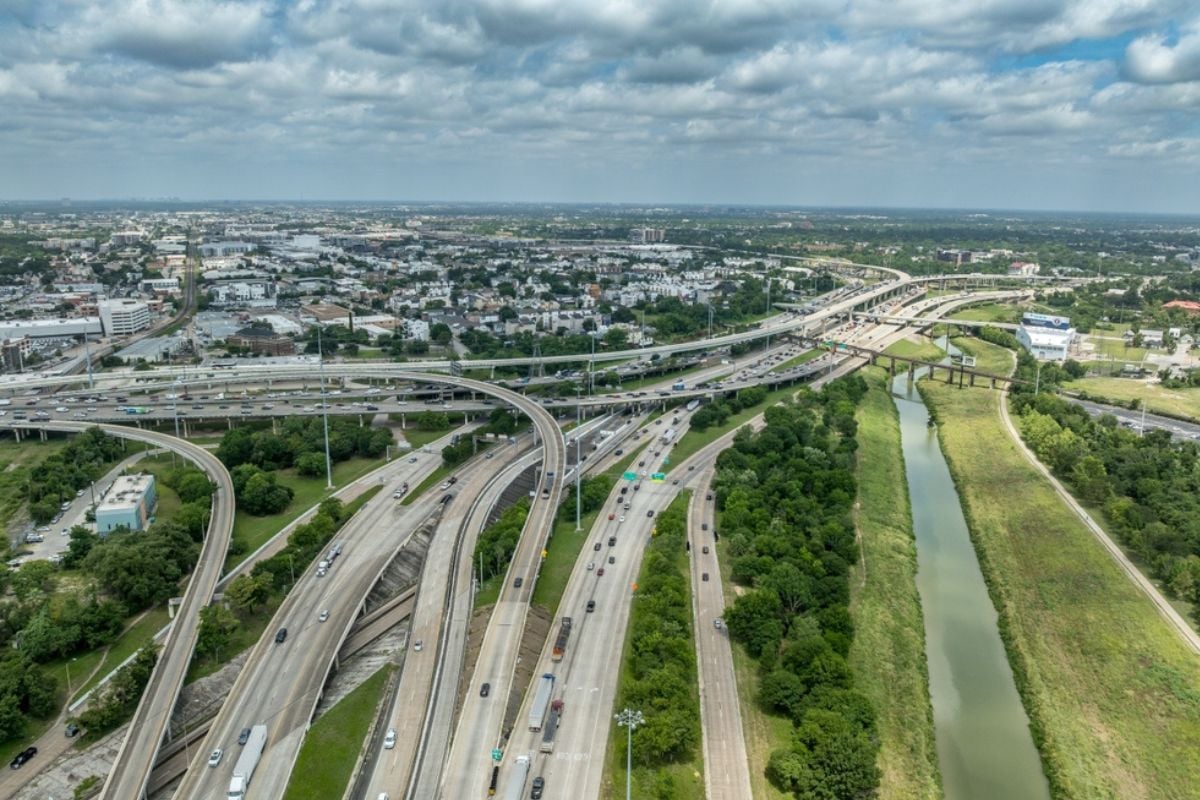
In Houston, freeways don’t just get you places — they swallow entire landscapes. The Katy Freeway has a mind-bending 26 lanes at its widest point, which to a New Orleanian feels more like an airport runway system than a road. In New Orleans, you can get across town in fifteen minutes on I-10; in Houston, you can drive that long and still not exit the beltway. The sheer scale makes New Orleanians shake their heads and clutch their neutral grounds.
24. Air Conditioning as a Lifestyle
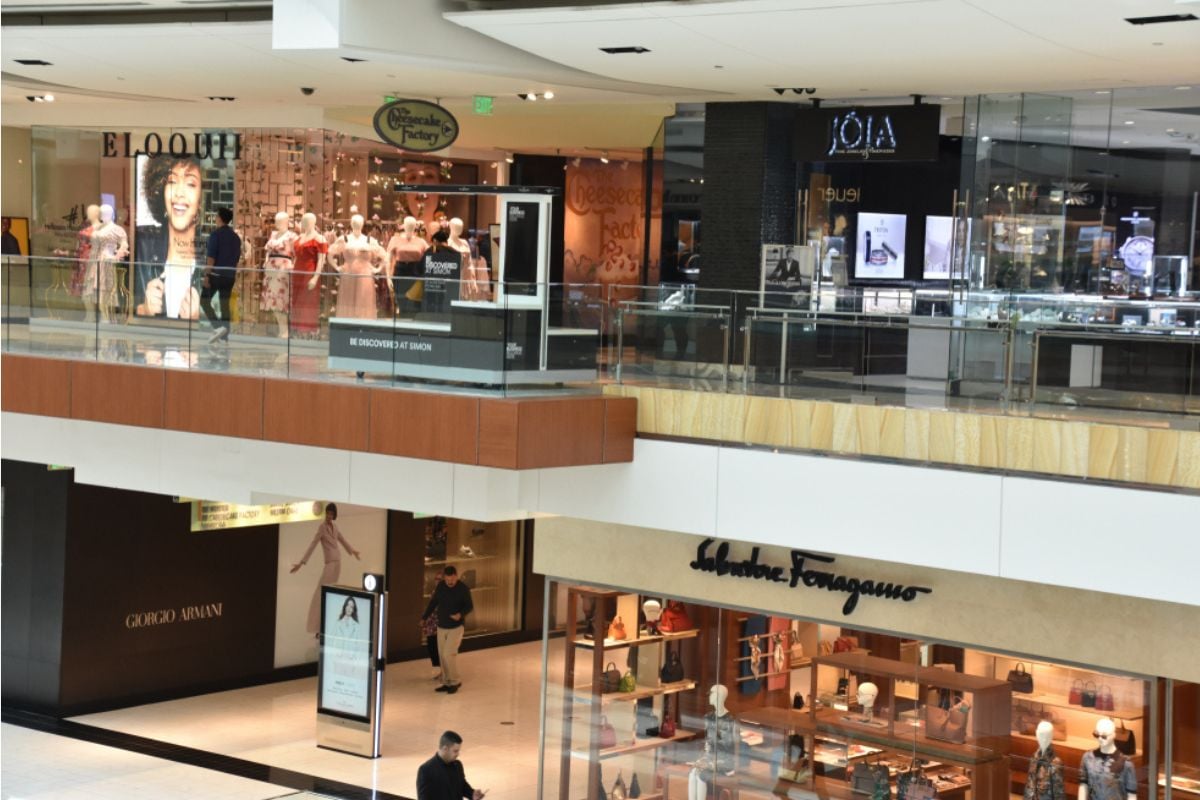
Yes, both cities are hot and humid, but Houston takes air conditioning to another level. So much of daily life — from skybridges downtown to massive shopping centers — is designed around never stepping outside. New Orleanians know swelter and sweat, but they also know front porches, cold beer, and fans. Houstonians seem to treat AC like oxygen, and it’s startling to anyone used to living more openly with the heat.
23. The Obsession with Master-Planned Communities
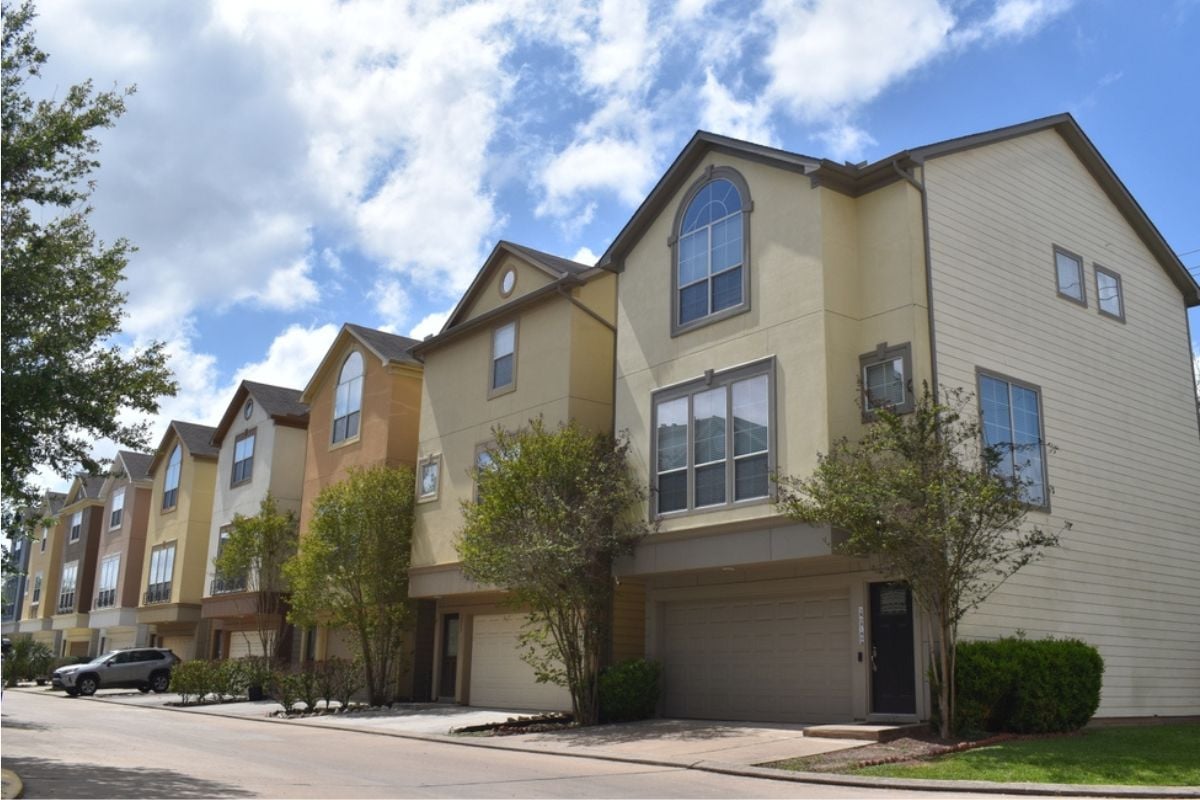
Houston loves a master-planned suburb with cookie-cutter houses, man-made lakes, and HOA rules about mailbox height. To a New Orleanian, that level of uniformity feels sterile compared to shotgun houses, Creole cottages, and neighborhoods that grew organically over centuries. In Houston, the “town center” might just be a mall parking lot, while in New Orleans it’s a centuries-old square. The contrast is so sharp it feels like two different philosophies of living.
22. Driving Thirty Minutes for Anything
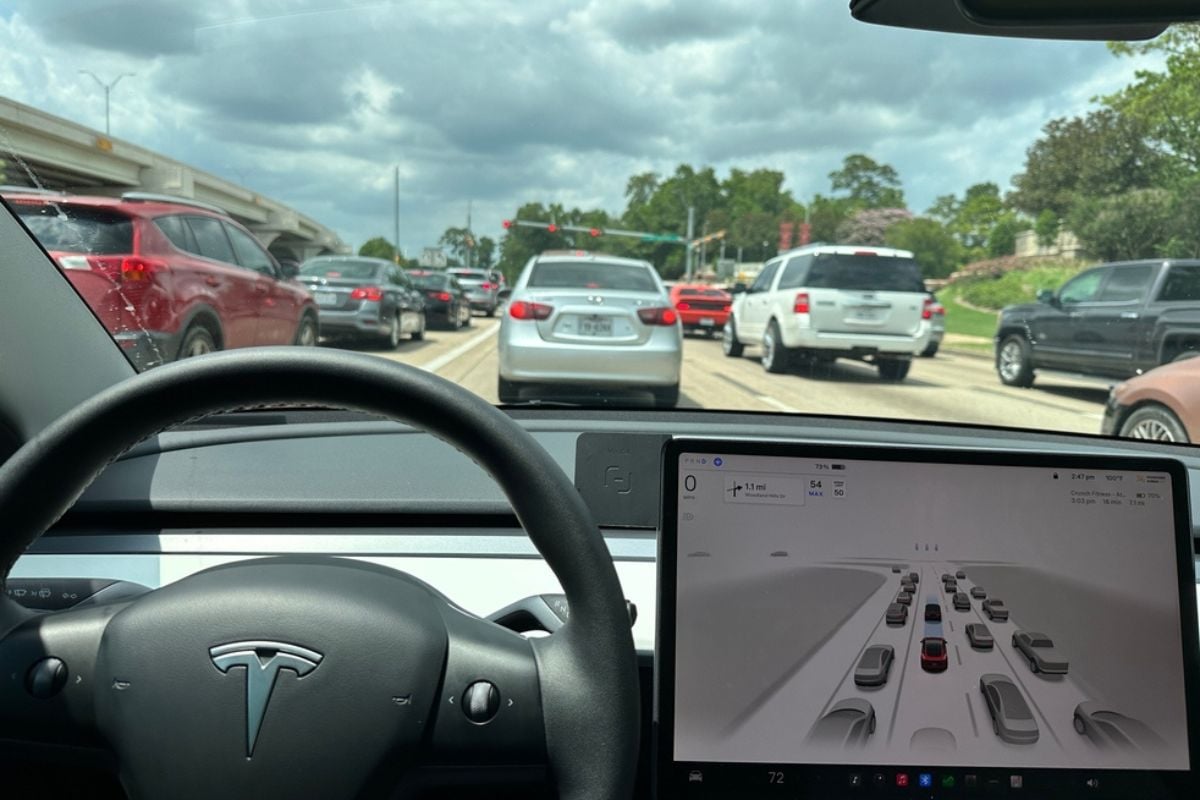
In New Orleans, you measure distance in neighborhoods, not minutes. Need groceries? It’s a quick bike ride to Rouses. In Houston, a “quick errand” can easily be half an hour each way thanks to sprawl and traffic. New Orleanians can’t quite wrap their heads around spending more time driving to dinner than eating it.
21. The Sheer Number of Malls
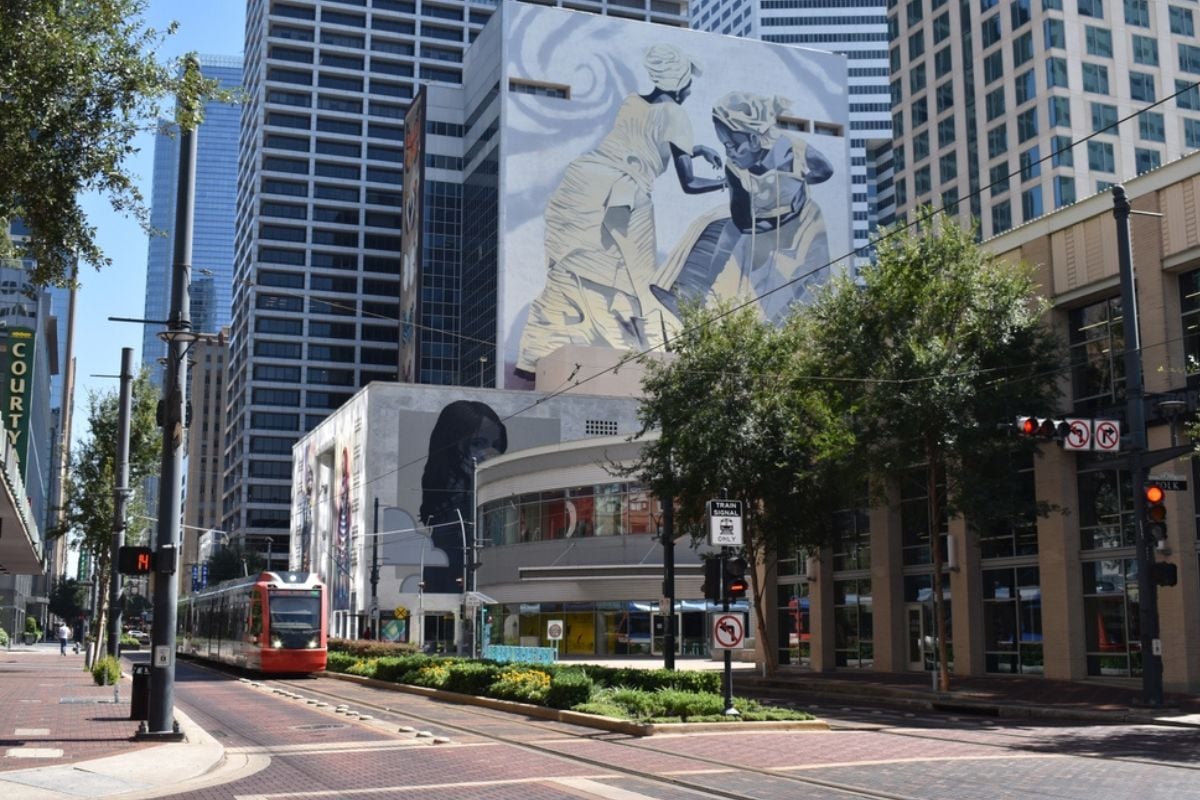
Houston’s shopping culture is anchored by The Galleria, but that’s just the beginning — malls and giant shopping centers sprawl across the metro like kudzu. In New Orleans, shopping districts are compact: Magazine Street, the French Market, Canal Place. Houston’s devotion to air-conditioned consumption feels more like a sport than an errand. For a city without zoning, it somehow always finds room for another mega-mall.
20. Houston’s Love Affair with Pickup Trucks
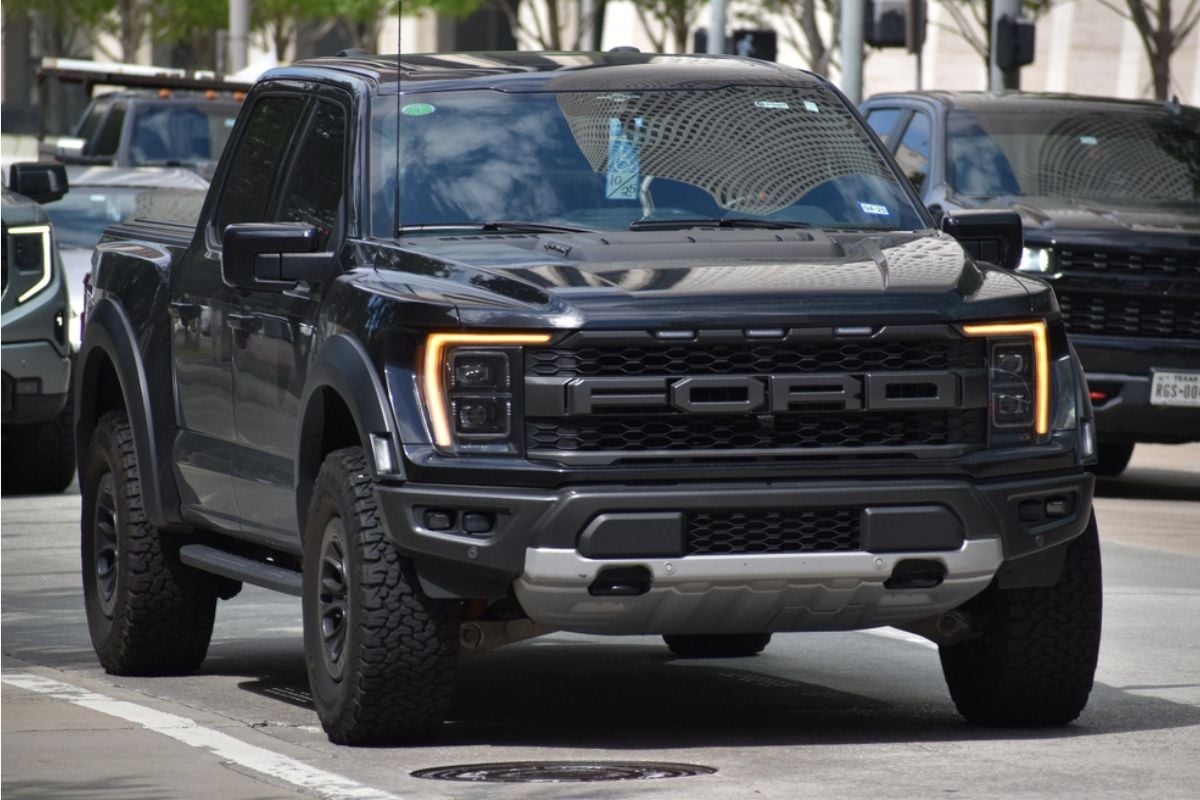
Pickup trucks in Houston aren’t just for hauling — they’re status symbols with lift kits and chrome accents. In New Orleans, a truck is useful if you’re hauling Mardi Gras floats or fishing gear, but it’s hardly the default vehicle. Houstonians love their oversized rides, even if most never see a ranch or construction site. For New Orleanians used to narrow streets and tight parking, it’s baffling.
19. That the City Has No Zoning

Houston is famously the largest U.S. city without zoning laws, which means you can see a strip club next to a church or a skyscraper behind a bungalow. To New Orleanians, where historic preservation shapes everything, that sounds chaotic. The Crescent City thrives on regulated charm — shotgun houses stay shotgun houses, and the Quarter doesn’t sprout office towers. Houston’s laissez-faire land use is almost unthinkable across the Sabine.
18. Traffic That Doesn’t Make Sense
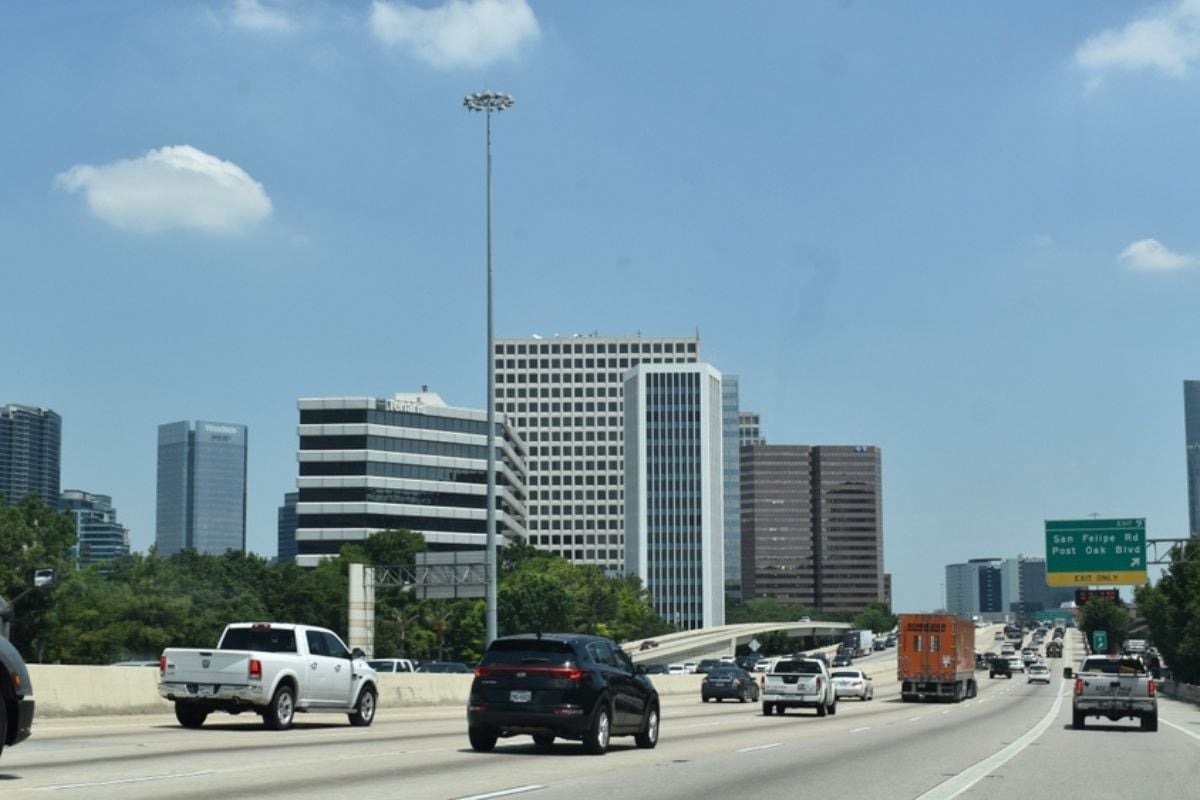
New Orleanians know traffic jams during Mardi Gras parades or Jazz Fest, but otherwise the city moves at its own pace. Houston, meanwhile, has daily gridlock on every major freeway, regardless of time or reason. Even with more lanes than some small countries, the congestion never ends. It makes NOLA’s potholes look like the lesser evil.
17. The Lack of Open Container Culture
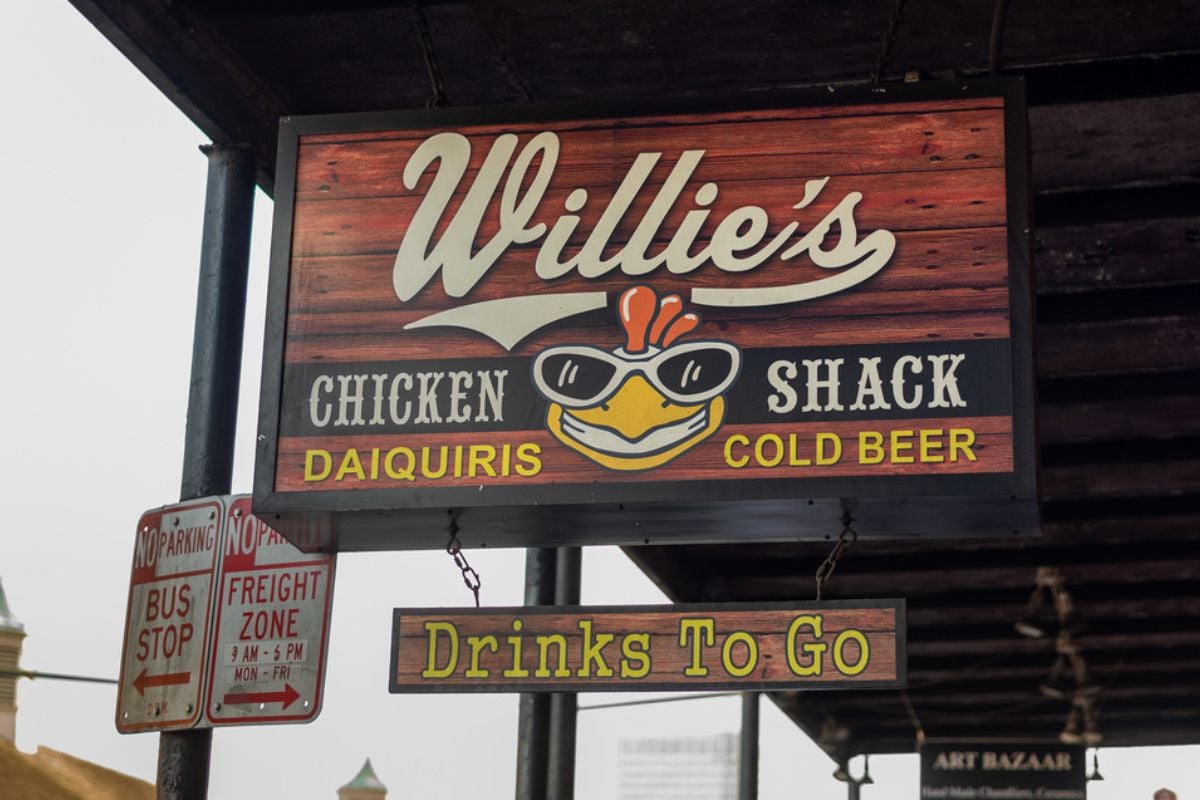
In New Orleans, walking down the street with a daiquiri in a go-cup is practically a birthright. In Houston, open container laws slam that idea shut. To locals, drinking is confined to bars, restaurants, and backyards, which feels oddly restrictive. For New Orleanians, the absence of that street-level festivity makes Houston nights feel muted.
16. Crawfish Season Done Differently
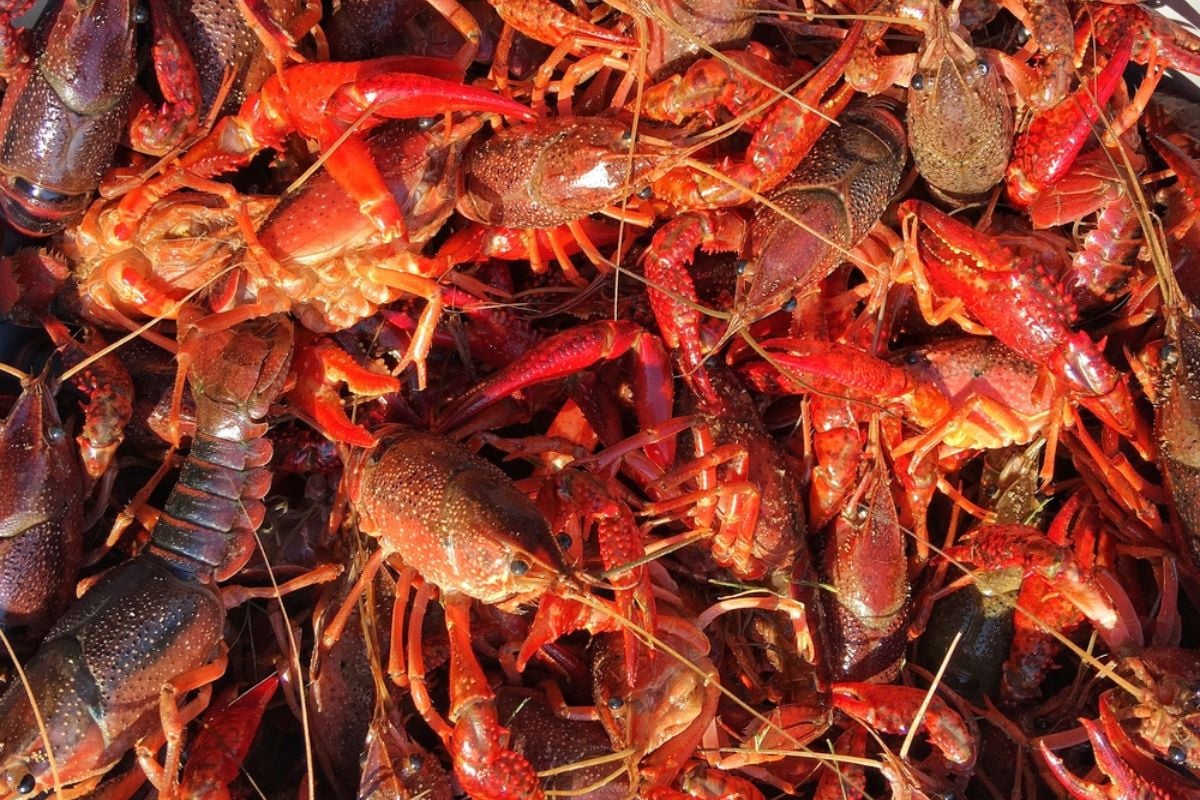
Both cities love crawfish, but Houston boils them with an experimental flair that can puzzle New Orleanians. Viet-Cajun style, dripping in garlic butter and spices, has become the Houston signature. In New Orleans, purists stick to traditional Cajun seasoning — boil, soak, serve with corn and potatoes. The cultural tug-of-war over “authentic crawfish” never quite lines up.
15. Tailgating for the Texans
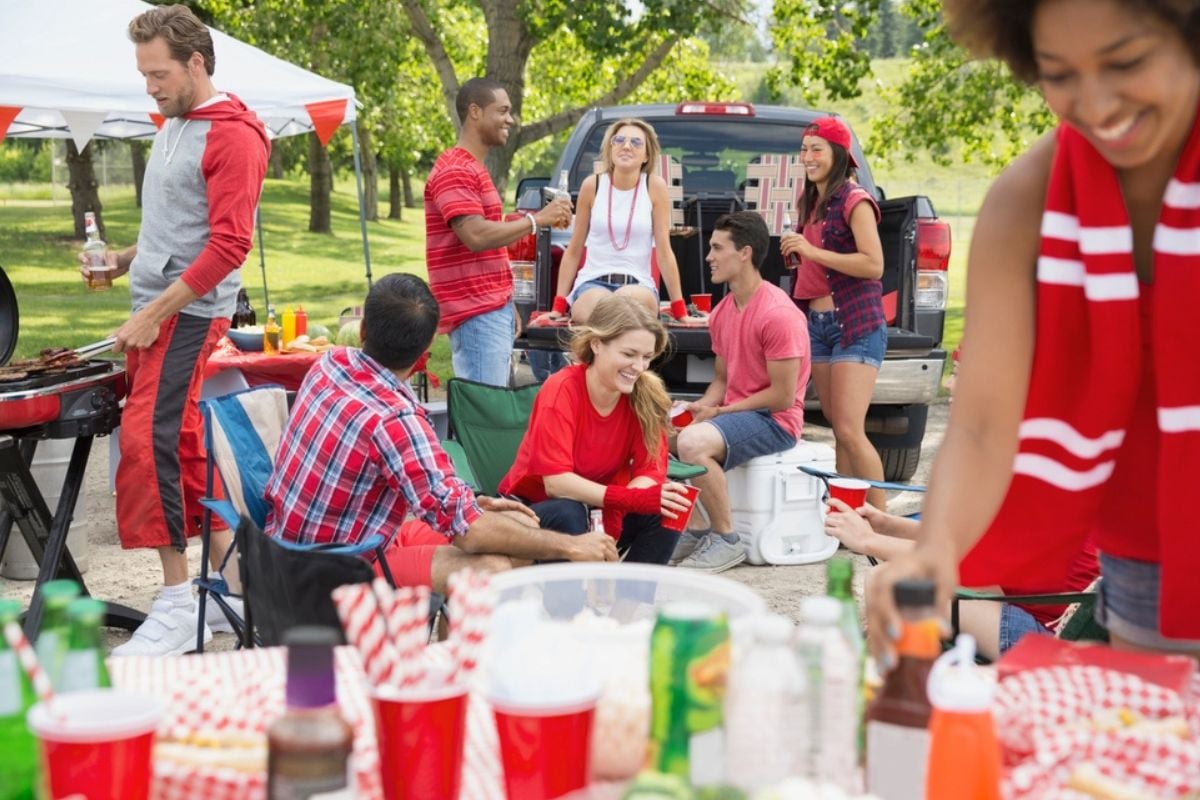
Houston’s NFL tailgating scene is massive, with elaborate setups that rival some festivals. To New Orleanians, Saints tailgates already border on sacred, but the vibe is different — smaller, rowdier, more communal. Houston’s version often feels more like a suburban cookout transplanted to a stadium lot. For New Orleanians, nothing matches the energy of black-and-gold Sundays.
14. The Endless Suburbs That Still Count as Houston
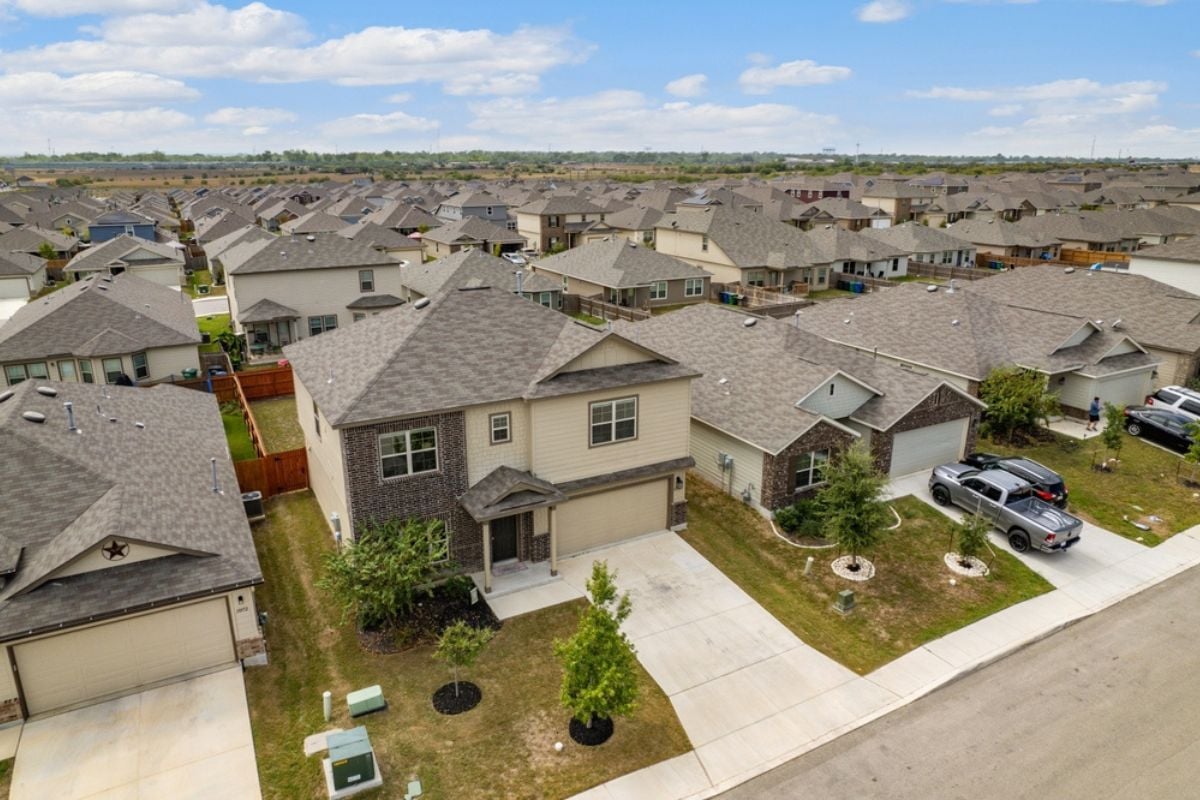
Ask a Houstonian where they live, and they might say Houston even if they’re 45 minutes out in Katy, Sugar Land, or The Woodlands. To a New Orleanian, that would be like someone in Slidell insisting they live in the French Quarter. The metro area’s sheer sprawl blurs identity in ways New Orleanians don’t quite buy. For them, neighborhoods matter as much as the city itself.
13. Rodeo as the Social Calendar’s Centerpiece
🔥 Would you like to save this?
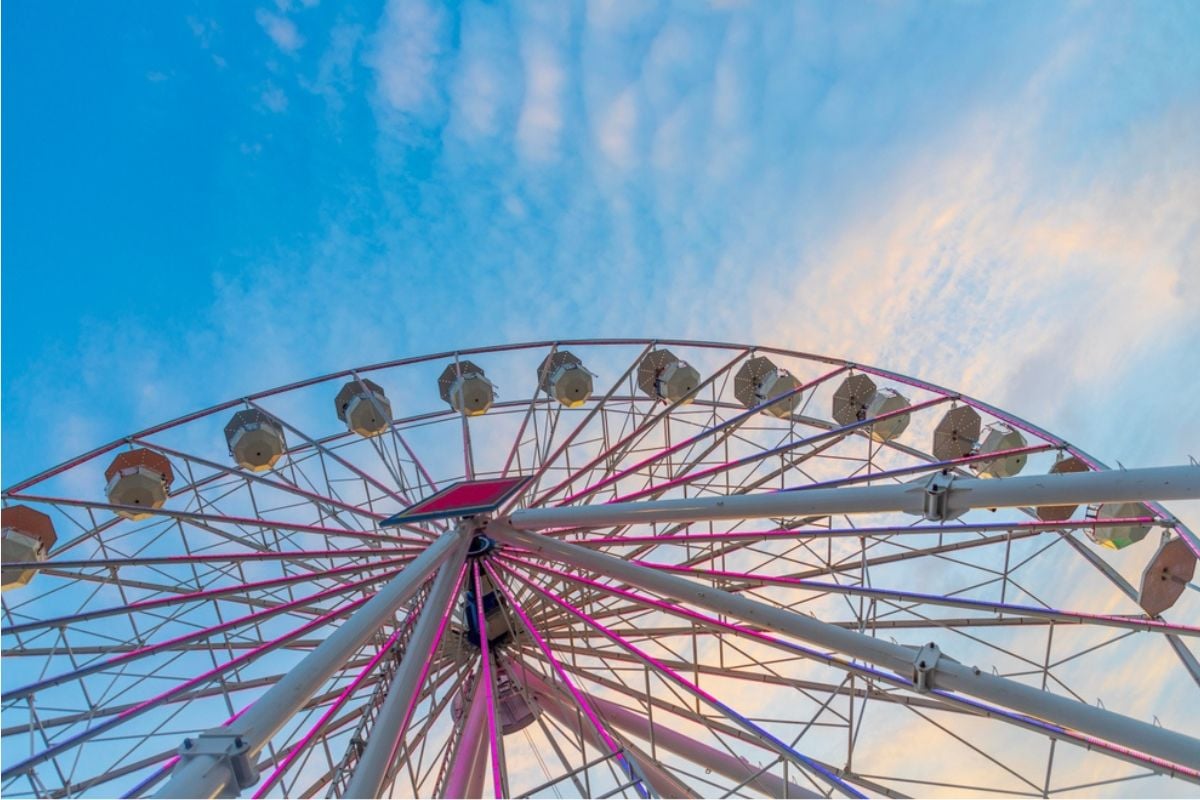
The Houston Livestock Show and Rodeo is the city’s marquee event, blending concerts, livestock auctions, and carnival rides into a month-long party. In New Orleans, the cultural calendar revolves around Mardi Gras and festivals stacked back-to-back. The rodeo’s cowboy hats and barbecue pits feel like another universe compared to beads and brass bands. It’s Houston’s Mardi Gras — but New Orleanians aren’t trading parades for bull riding.
12. The Skyline Competition
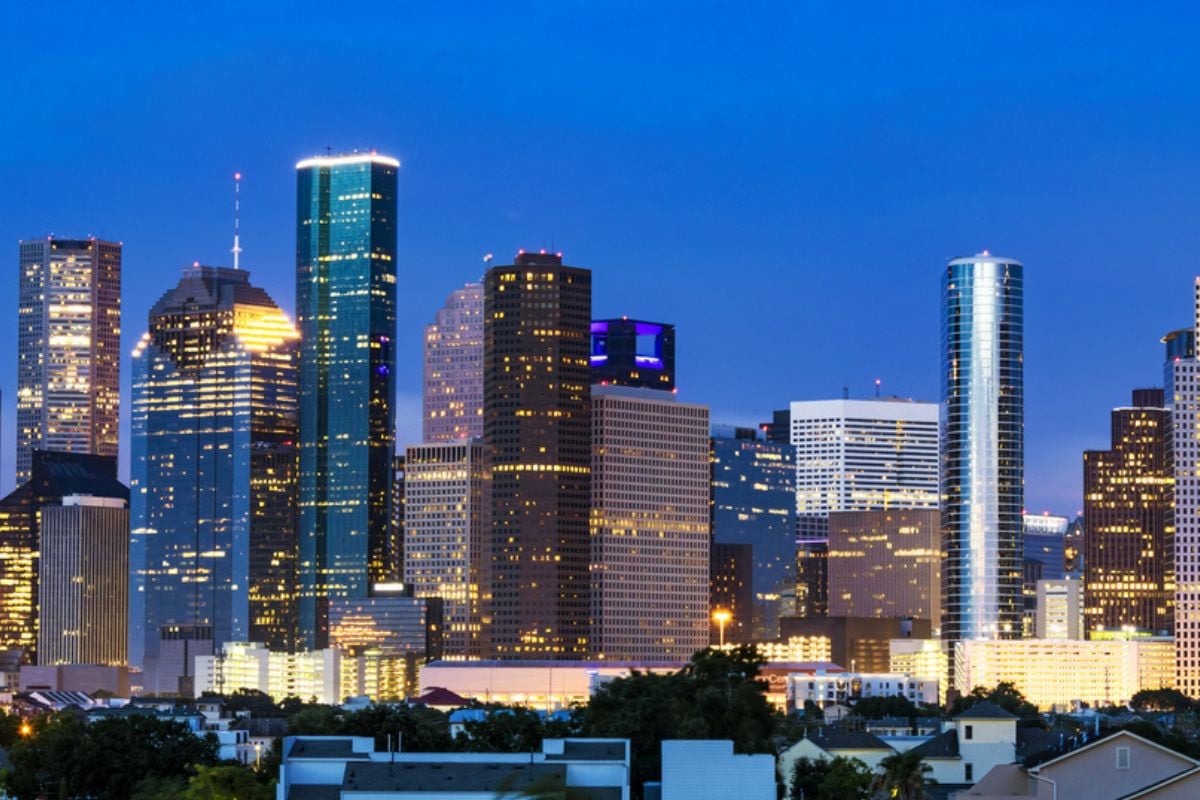
Houston loves to boast about its gleaming, modern skyline with its tall glass towers. New Orleans’ skyline is more modest, punctuated by the Superdome and a handful of high-rises. For New Orleanians, the city’s charm lies in historic neighborhoods and architecture, not skyscraper bragging rights. The skyline contest feels like Houston flexing muscles that New Orleans never tried to build.
11. The Mix of Oil Wealth and Space Exploration
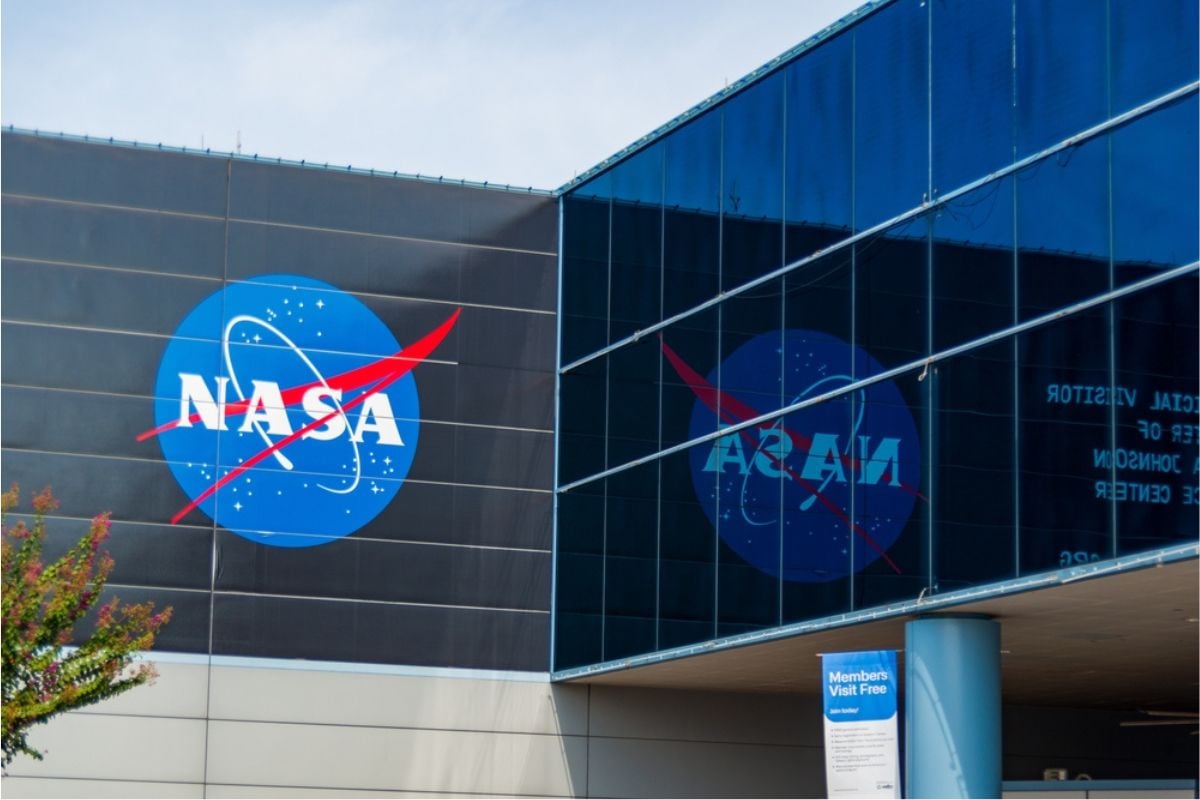
Houston is home to both oil company headquarters and NASA’s Johnson Space Center, which makes for a unique identity of petroleum and rockets. New Orleans has aerospace too — Michoud Assembly Facility builds rocket parts — but it’s not the cultural anchor it is in Houston. The city’s entire economy seems intertwined with energy and innovation. For New Orleanians, who lean on tourism and culture, that kind of industrial heft is foreign.
10. Houstonians Bragging About Food Diversity
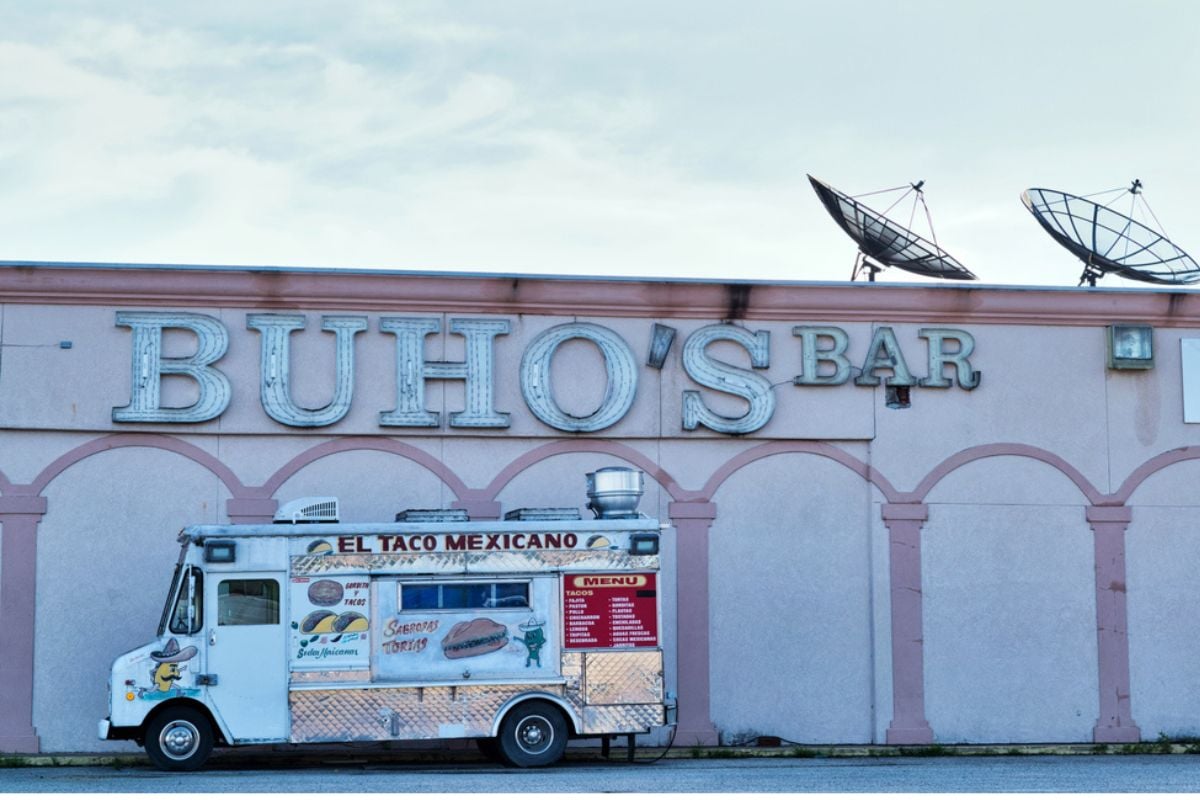
Houston loves to claim the crown for most diverse food scene in America, with every cuisine imaginable represented due to its diverse population. And it’s true — the city’s global dining options are vast. But New Orleanians don’t measure food by variety; they measure it by tradition, flavor, and soul. For them, bragging about quantity feels strange when quality and heritage are the bigger brag.
9. Flooding as a Way of Life

New Orleanians know flooding, but Houston’s issues are on a different scale. The city’s rapid sprawl and flat terrain mean even a strong thunderstorm can shut down freeways with water. To a New Orleanian, it’s surreal to watch a city that’s not below sea level flood so regularly. Both cities share water woes, but Houston’s brand of it seems preventable.
8. No Real Mardi Gras Spirit

Yes, Houston has parades and even Mardi Gras celebrations in nearby Galveston, but it’s not remotely the same. In New Orleans, Mardi Gras isn’t a weekend event — it’s a season that takes over the city. To a New Orleanian, Houston’s version feels like a copy of a copy. They can’t fathom living somewhere that doesn’t grind to a halt for Carnival.
7. The Flatness Everywhere
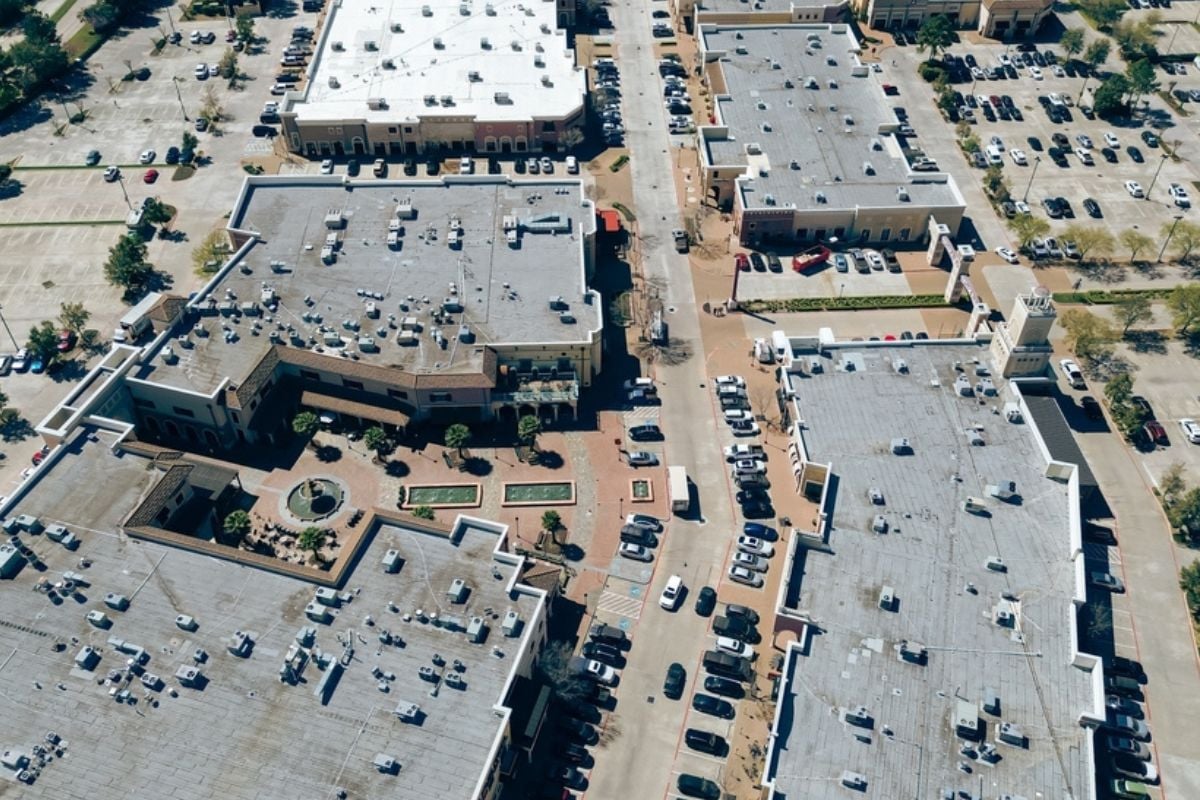
New Orleans is flat too, but Houston feels endless in its monotony. No levees, no rolling landscapes, just an endless spread of concrete and suburbia. For New Orleanians used to a city broken up by rivers, bayous, and raised neighborhoods, Houston’s uniformity feels bland. It’s flat in both terrain and texture.
6. The Strip Mall Kingdom
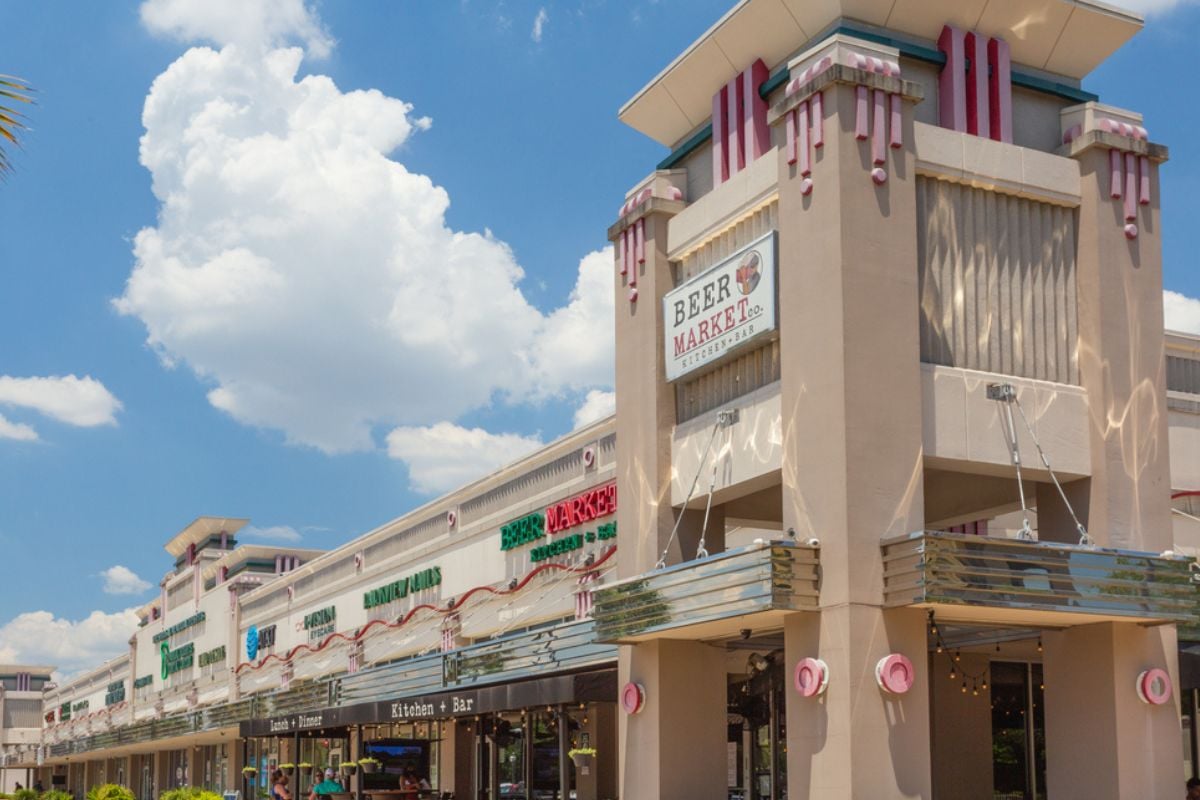
Strip malls in Houston are everywhere — sometimes entire intersections are ringed with them. To a New Orleanian, that much neon signage and generic storefront design is overwhelming. Their neighborhoods still mix corner stores, corner bars, and family businesses. Houston’s landscape of identical plazas makes it hard to tell one part of town from another.
5. A City That Eats Tex-Mex Daily
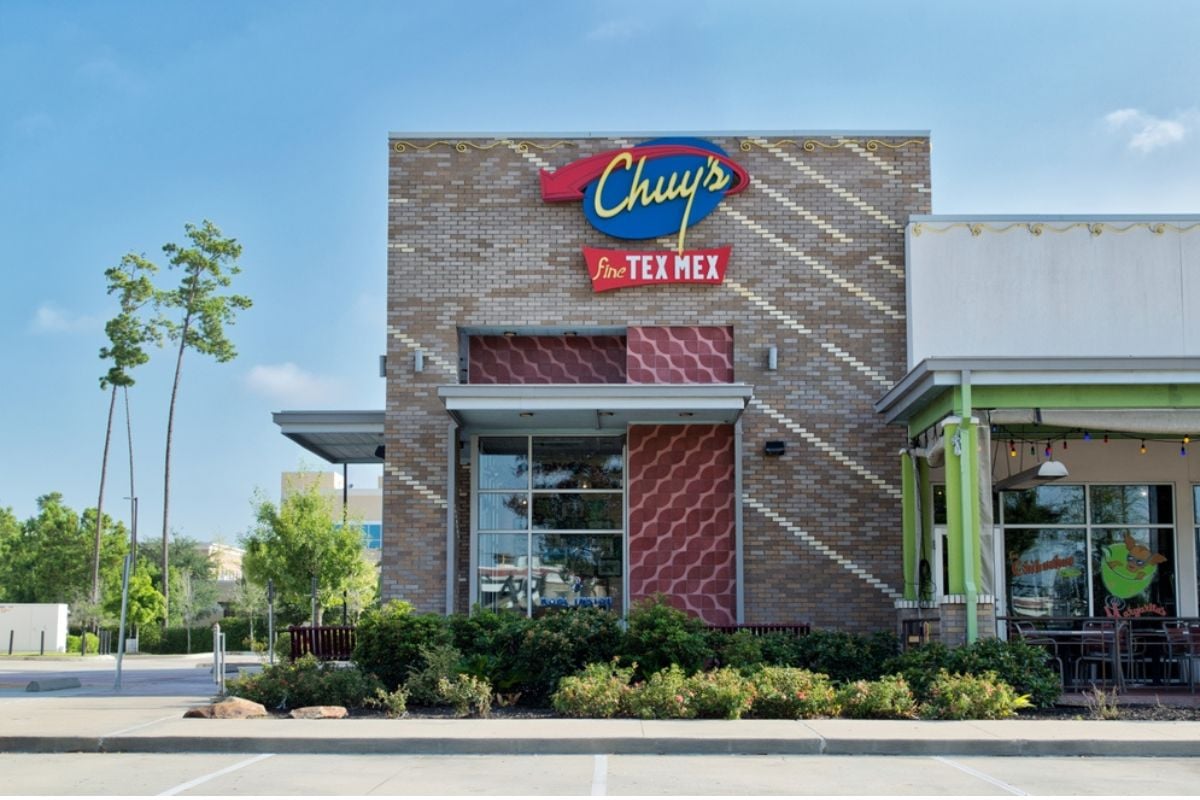
In Houston, Tex-Mex is practically a food group, with queso and fajitas on repeat. New Orleanians love their Mexican food too, but their daily staples lean heavily Cajun and Creole. The idea of choosing enchiladas over gumbo as comfort food is hard to imagine. Tex-Mex as the default cuisine just doesn’t translate across the state line.
4. Growth That Never Seems to Stop
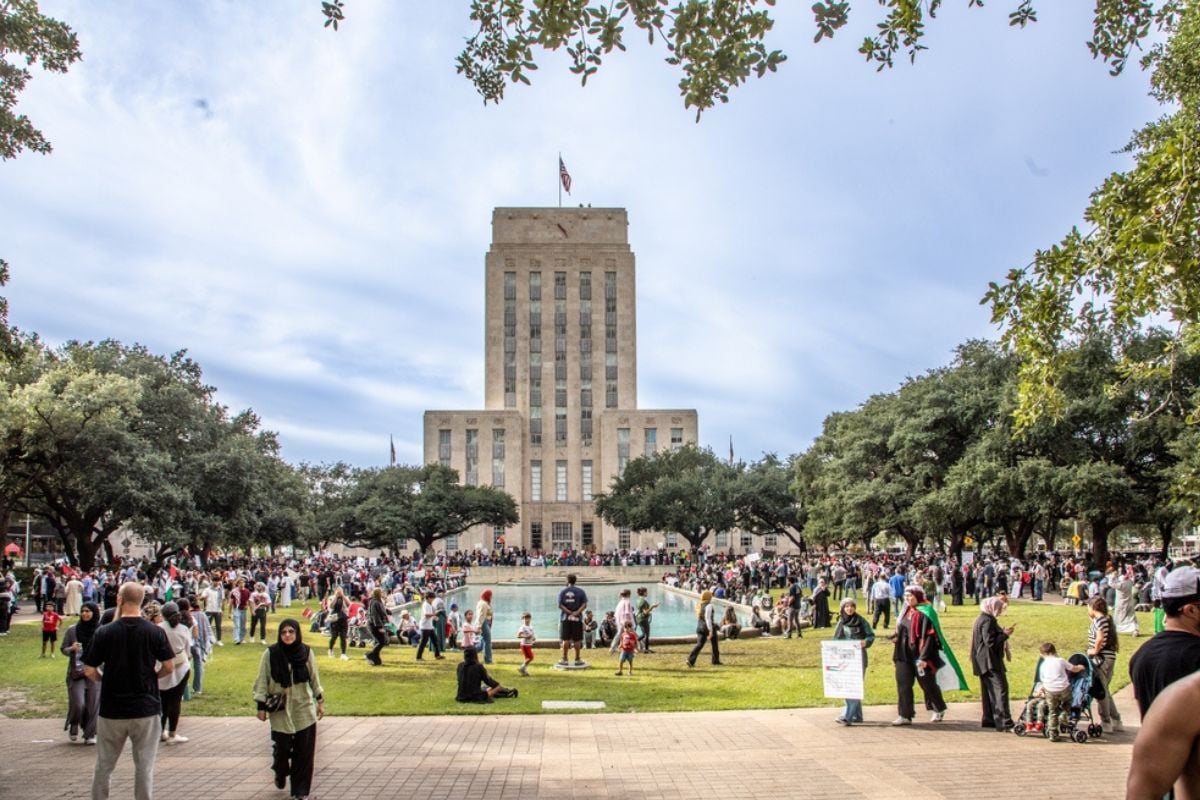
Houston is one of the fastest-growing cities in the country, adding new residents, subdivisions, and skyscrapers every year. New Orleans, by contrast, has seen much slower growth, with many neighborhoods still struggling to rebound decades after Hurricane Katrina. For Houstonians, construction cranes and new developments are part of the background noise of life, while New Orleanians are more used to preservation than expansion. The difference makes Houston feel restless and ever-changing, while New Orleans seems to prefer staying the same.
3. The Sports Sprawl
Houston has teams in nearly every professional sport, spread across giant stadiums and arenas. New Orleans has the Saints, the Pelicans, and undying loyalty that borders on religion. In Houston, allegiances spread thin across baseball, basketball, football, and even soccer. New Orleanians can’t imagine dividing their heart between so many teams.
2. Everything Being “Bigger” Just Because It’s Houston
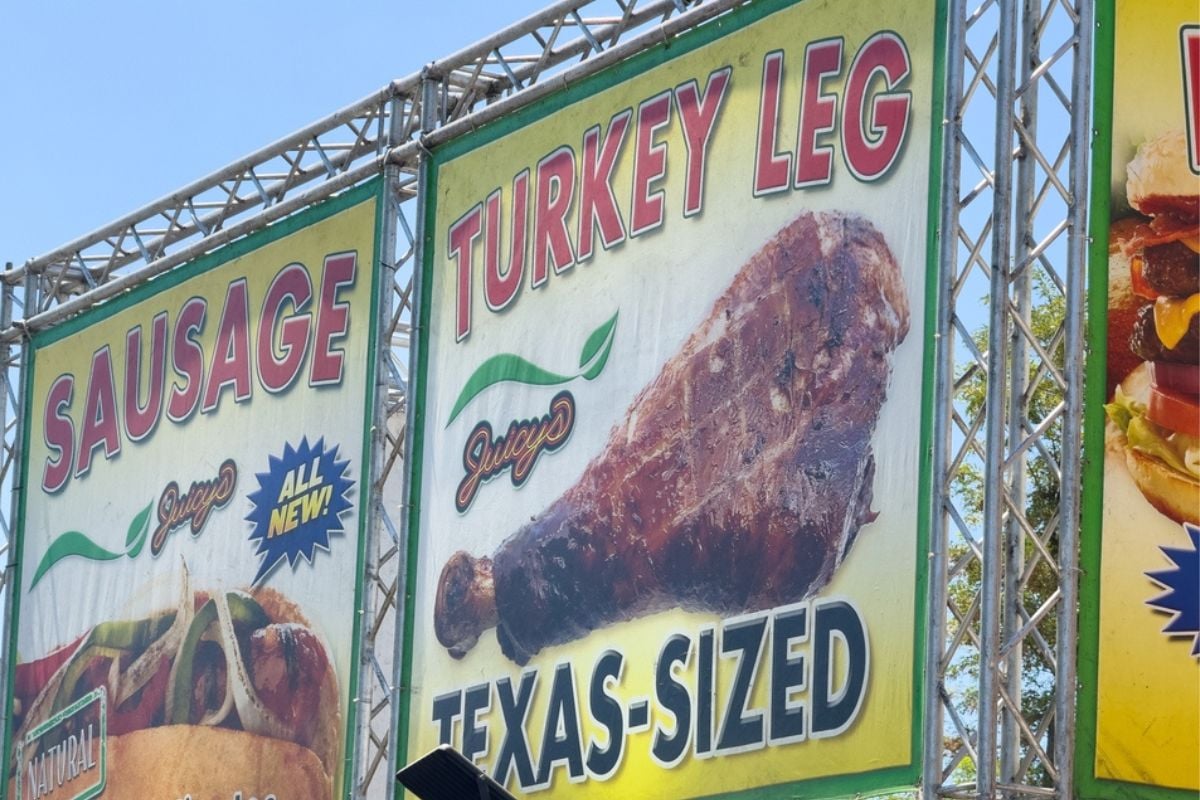
Houstonians love the phrase “everything’s bigger in Texas,” and they live by it — bigger freeways, bigger portions, bigger houses. New Orleanians value size too, but in a different way: bigger parades, bigger brass bands, bigger flavor. The Texas version feels more about scale than spirit. For New Orleanians, bigger doesn’t always mean better.
1. Calling Itself the Bayou City
🔥 Would you like to save this?
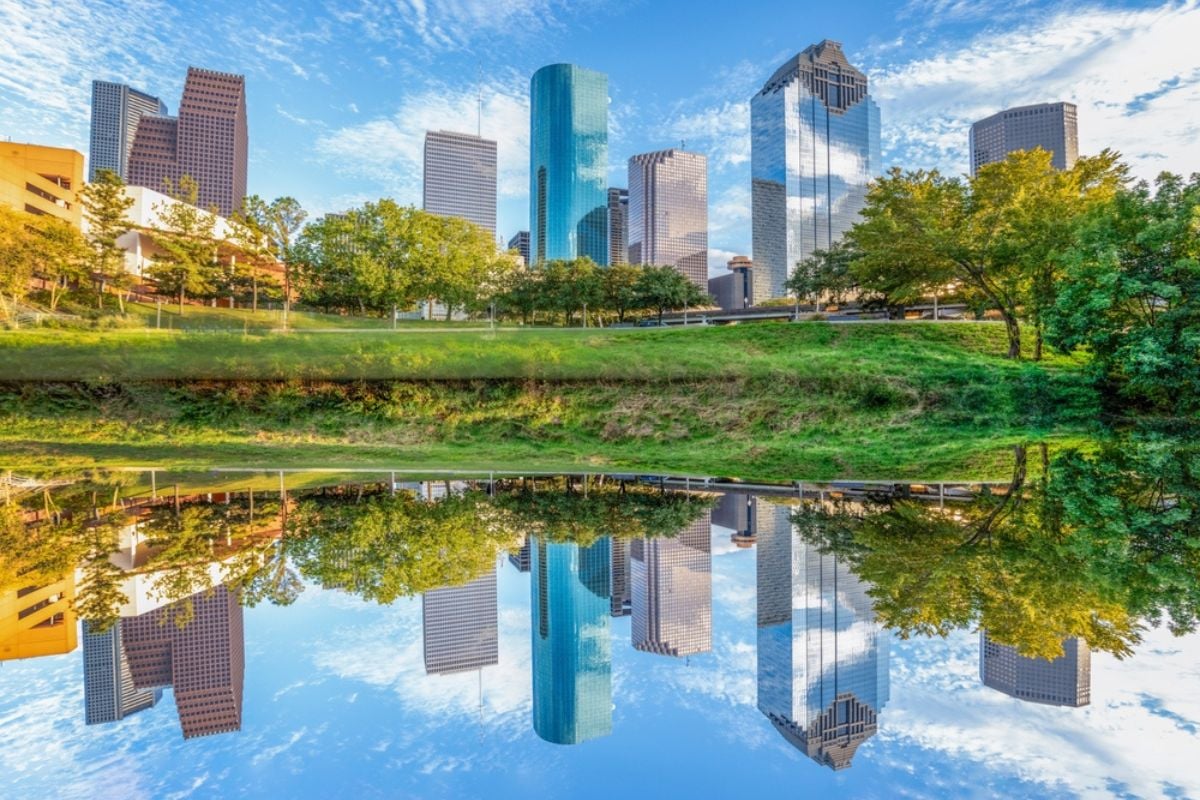
Houston proudly calls itself the Bayou City, thanks to Buffalo and White Oak Bayous. But to New Orleanians, “bayou” conjures cypress trees, Spanish moss, and swamp culture — not concrete channels running through freeways. The branding feels like Houston borrowing Louisiana’s identity. For those born and raised on real bayous, the name rings a little hollow.